Filters

6 filtered results

Clear all filters
Favorites
With answer key
Interactive

6 filtered results

Difficulty Level

Grade


Enhance your child's reading skills with our engaging Reading Comprehension and Normal Letter Recognition Worksheets designed specifically for ages 4-6. These worksheets provide a fun and interactive way for young learners to recognize letters, develop their phonemic awareness, and improve comprehension skills. Each worksheet features colorful illustrations and simple activities tailored to keep your child captivated while they practice essential literacy concepts. Whether used at home or in a classroom setting, our resources help build a strong foundation in reading. Explore our collection and watch your child's confidence in reading soar as they learn the joy of letters and stories!

Check out this FREE Trial Lesson on Letter Recognition for age 4-6!

Long Vowels

Favorites
With answer key
Interactive
  • 4-6
  • Reading comprehension
  • Letter Recognition
  • Normal
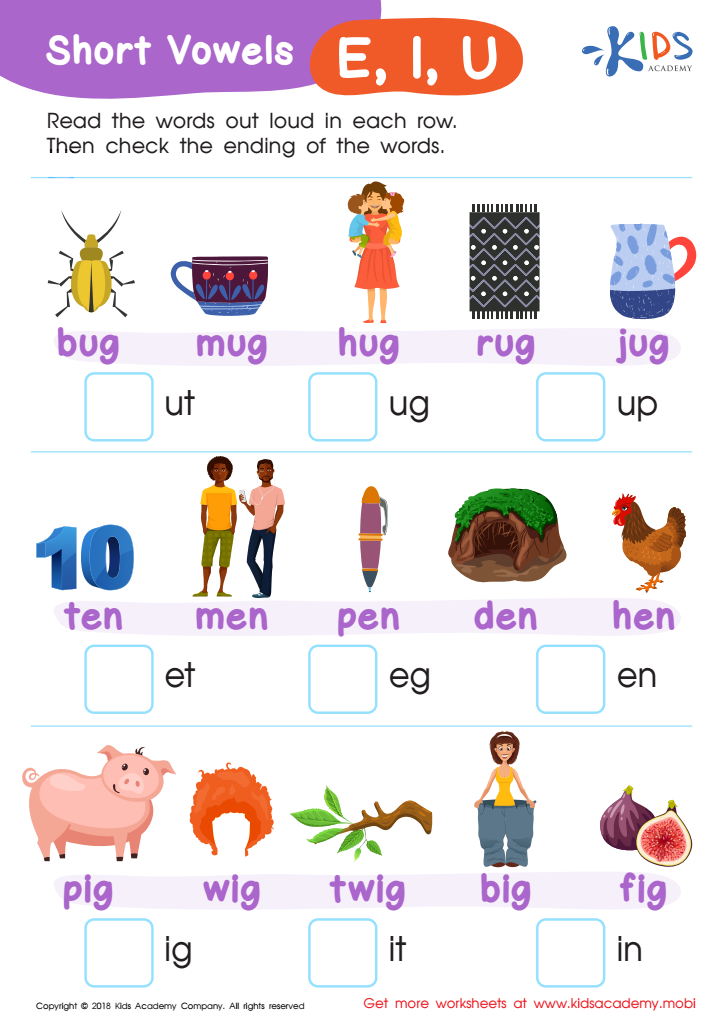
Short Vowels /e/, /i/, and /u/ Worksheet

Short Vowels /e/, /i/, and /u/ Worksheet

Your emergent reader can have fun while practicing their short vowel sounds with this free, brightly colored worksheet. They'll identify one-syllable words by their pictures, then match the correct ending for each. They'll gain an understanding of how short vowel sounds vary in closed syllables with different endings, without even realizing it!
Short Vowels /e/, /i/, and /u/ Worksheet
Worksheet
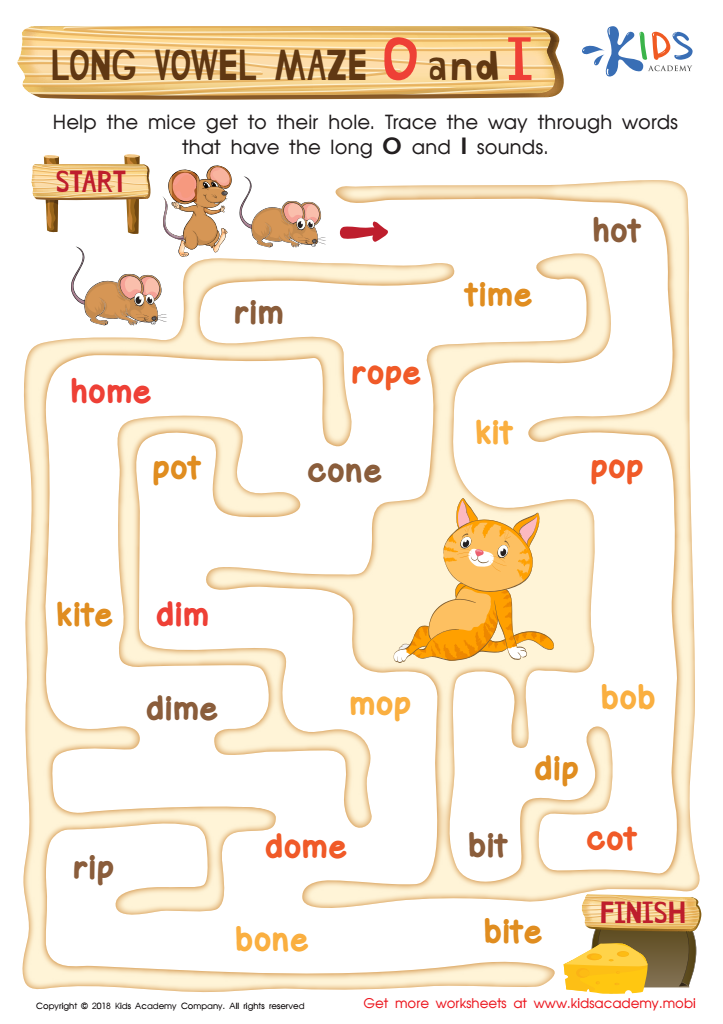
Long Vowel Maze /o/ and /i/ Worksheet

Long Vowel Maze /o/ and /i/ Worksheet

Help your new readers have fun and build their sight word vocabulary! Guide the mice to their prize cheese by having them trace the route on the worksheet, using words with the long o and long i sounds. But watch out for the kitty!
Long Vowel Maze /o/ and /i/ Worksheet
Worksheet
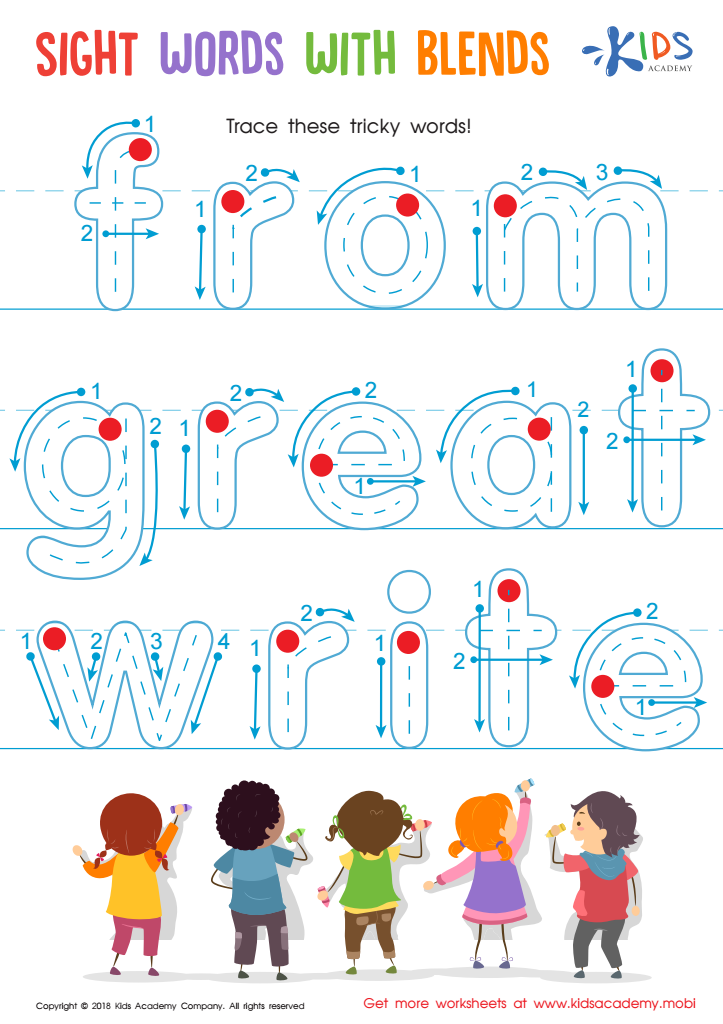
Sight Words with Blends Worksheet

Sight Words with Blends Worksheet

This free PDF lets your children trace and write sight words with tricky blends. The guide numbers help them start from the top, building fine motor skills and enhancing sight word vocab. It's a great way to give your kids a solid foundation for reading!
Sight Words with Blends Worksheet
Worksheet
I Can Read Worksheet

I Can Read Worksheet

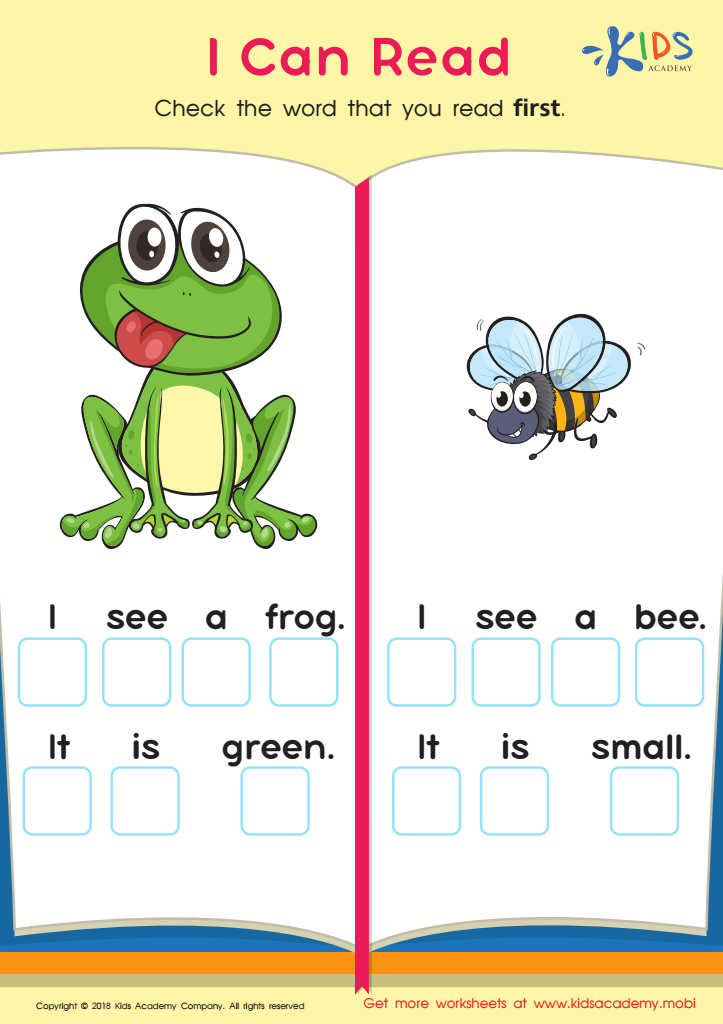
Test your child's reading skills with this fun worksheet. See how well they know one-letter, two-letter, and five-letter words. Ask your little one to read the sentences and tick the word they identify first. It's a great way to track their progress and help them become more confident readers.
I Can Read Worksheet
Worksheet
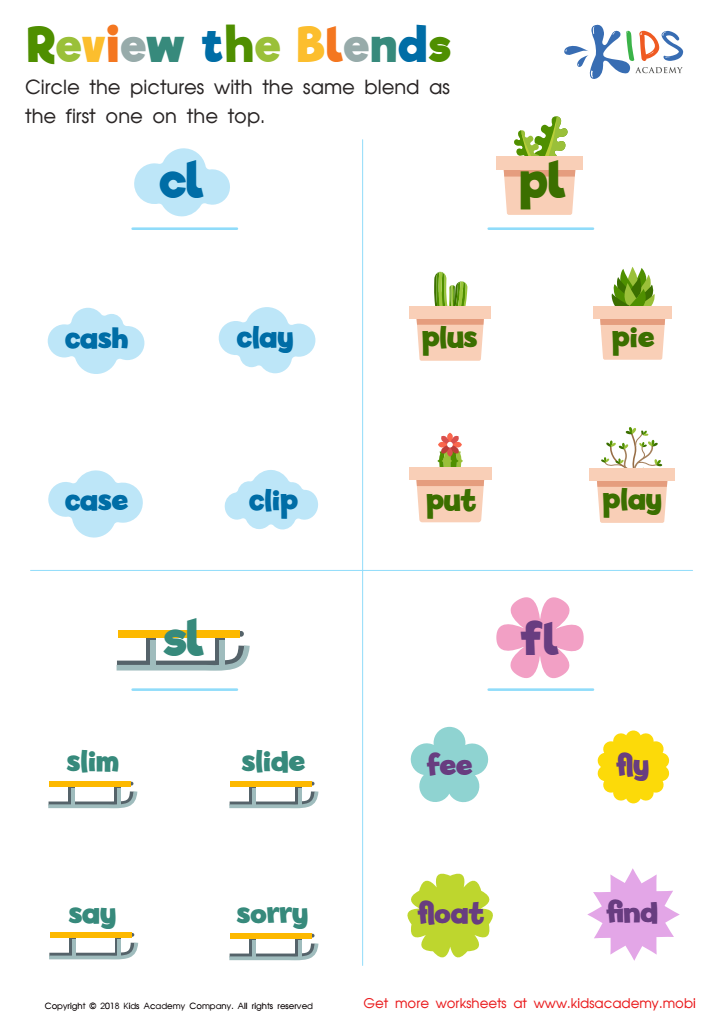
Review the Blends Worksheet

Review the Blends Worksheet

Consonant blends are two or three consonants that make a sound when pronounced together. L-blends like cl, bl, sl, fl and 3-letter blends like str, slp are common. This phonics worksheet helps early readers identify words containing two letter L-blends. Students must circle the words then read them aloud.
Review the Blends Worksheet
Worksheet
Rearrange the Sounds Worksheet


Rearrange the Sounds Worksheet

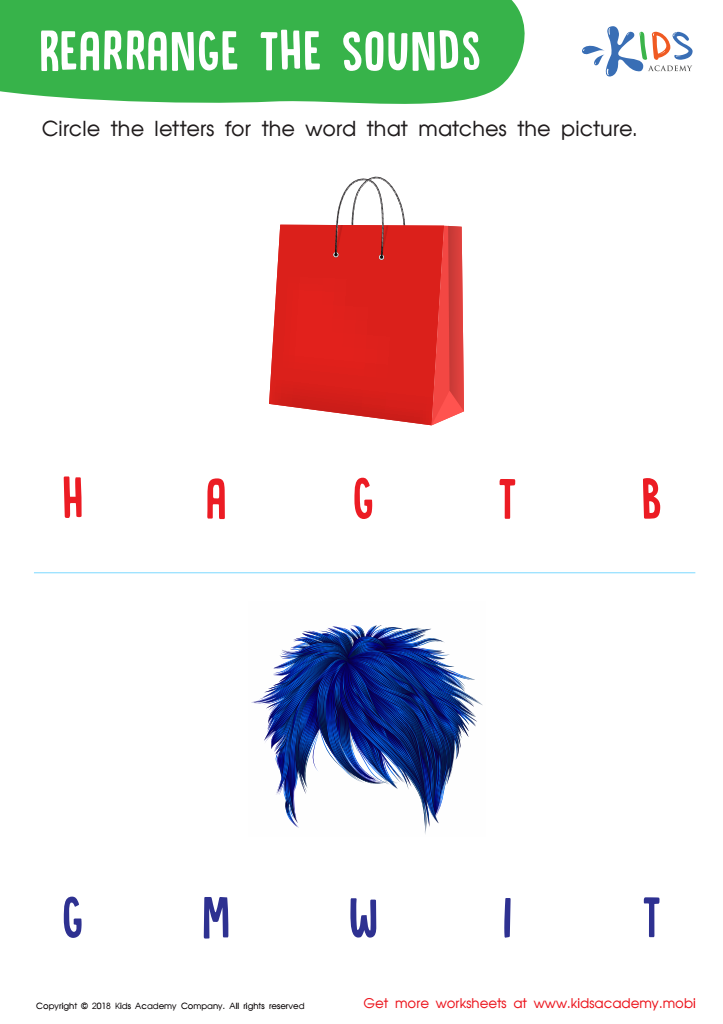
Ask students if they can identify the objects in the worksheet and spell the words. Guide them to find and circle the letters that match the picture. This exercise should be easy-peasy for advanced spellers.
Rearrange the Sounds Worksheet

Worksheet


Reading comprehension and letter recognition are foundational skills that significantly impact a child's literacy development, especially for ages 4-6. During these formative years, children are introduced to the building blocks of reading, such as recognizing letters and deciphering words. Understanding the relationship between sounds and letters not only enhances their ability to read but also fosters a love for books.

Parents and teachers should care because proficient letter recognition boosts self-esteem, encouraging children to engage with reading materials without frustration. As they progress, understanding the meaning behind the words (reading comprehension) becomes critical for literacy progression. Strong reading comprehension skills lay the groundwork for academic success across all subjects, not just language arts.

Moreover, early assessment of these skills allows for early intervention if necessary, helping to address any difficulties before they become entrenched. A strong foundation in reading comprehension also enables children to analyze, infer, and make connections, promoting critical thinking and creativity. Engaging with stories and texts also nurtures language development and emotional intelligence. In essence, prioritizing letter recognition and reading comprehension in early education matters greatly for lifelong learning and personal growth.