Hand-eye Coordination Normal Long Vowels Worksheets for Ages 4-6
3 filtered results
Difficulty Level
Grade
Age
-
From - To
Subject
Activity
Standards
Enhance your child's learning experience with our "Hand-eye Coordination Normal Long Vowels Worksheets" designed specifically for ages 4-6! These engaging worksheets combine essential literacy skills with hand-eye coordination exercises, making learning fun and interactive. Your little ones will explore long vowels through exciting activities that promote motor skills while reinforcing their understanding of vowel sounds. Each worksheet is thoughtfully crafted to foster concentration and creativity, creating a dynamic educational environment. Perfect for parents, teachers, or homeschoolers, these resources will help children develop critical skills necessary for lifelong learning. Download our worksheets today to inspire a love for learning in your child!
Favorites
With answer key
Interactive
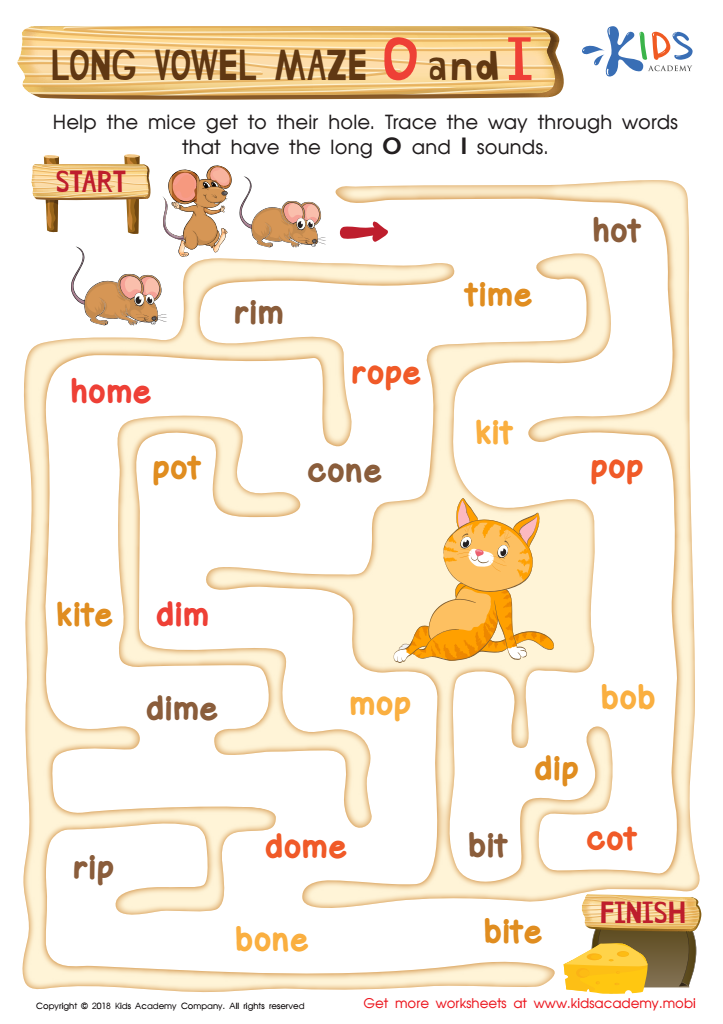
Long Vowel Maze /o/ and /i/ Worksheet
Help your new readers have fun and build their sight word vocabulary! Guide the mice to their prize cheese by having them trace the route on the worksheet, using words with the long o and long i sounds. But watch out for the kitty!
Long Vowel Maze /o/ and /i/ Worksheet
Worksheet
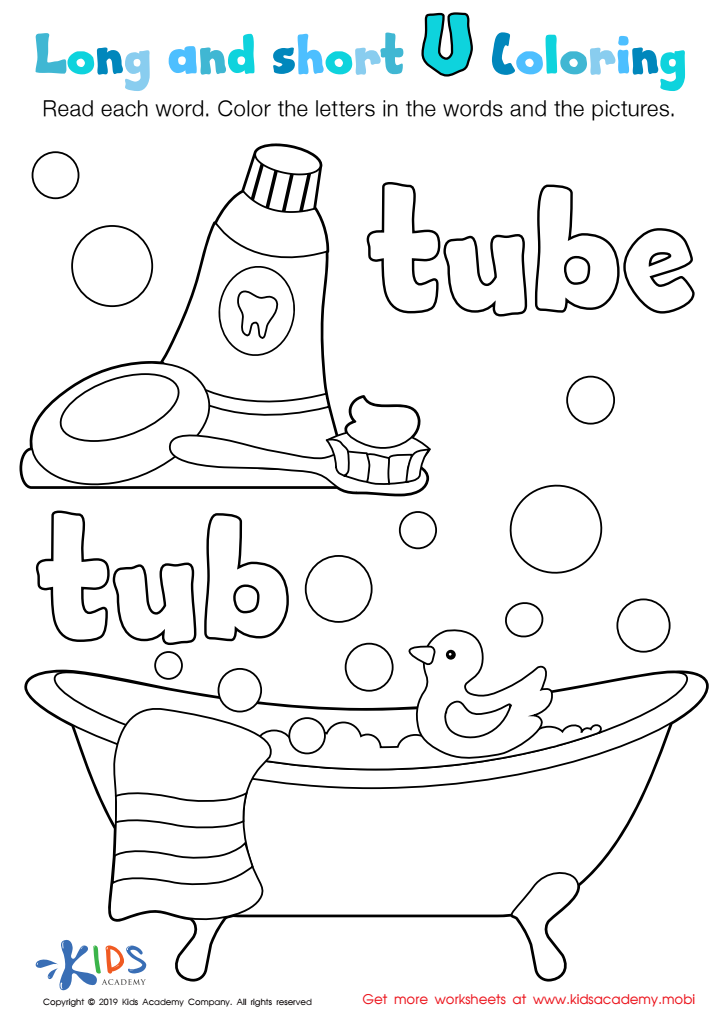
Long and Short U Worksheet
Revised: Spice up your lesson on long and short vowels with this fun printout! Kids read the words "tube" and "tub," then reinforce the sound by coloring in the words and pictures. It's a great way to make phonics class enjoyable!
Download (PDF)
 Assign to My Students
Assign to My Students
Long and Short U Worksheet
Worksheet
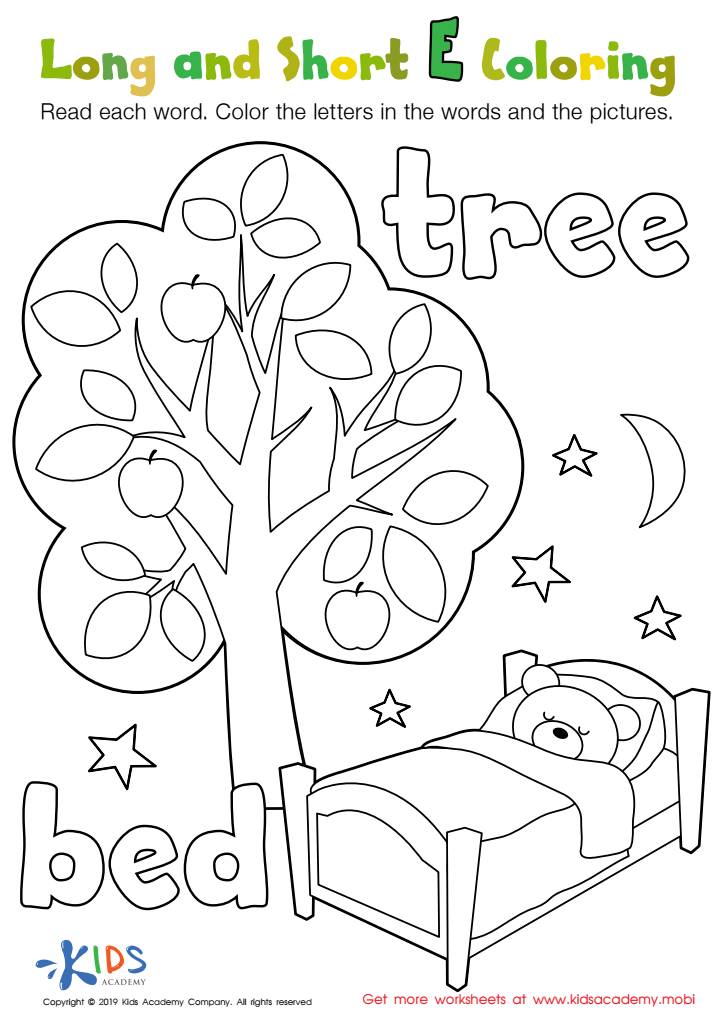
Long and Short E Worksheet
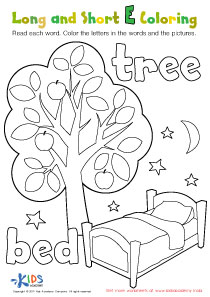
This fun printout makes learning phonics enjoyable for Grade 3 students. Get them to read the words “tree” and “bed” to recognize the different sounds of the letter “E”. After hearing the words they can color the words and the pictures to understand differences between long and short vowels.
Download (PDF)
Assign to My Students
Assign to My Students
Long and Short E Worksheet
Worksheet
Join Kids Academy for Free
Who is primarily going to use this learning content?



Hand-eye coordination and language development, particularly with regard to normal long vowels, are vital aspects of early childhood education. For ages 4-6, this skill set significantly influences a child's overall growth and ability to integrate learning experiences.
Firstly, hand-eye coordination is crucial for developing fine motor skills. These skills are foundational for tasks such as writing, cutting, and other practical activities that children engage in daily. When children master hand-eye coordination, they gain confidence in physical tasks, setting the stage for successful interactions in various academic contexts.
On the other hand, understanding normal long vowels plays an essential role in language acquisition and literacy. As children in this age group begin to read and write, mastering long vowel sounds helps them decode and pronounce words accurately. This proficiency is critical for reading fluency and overall language development.
By fostering both hand-eye coordination and familiarity with long vowels, parents and teachers create a balanced learning environment. The interconnectedness of these skills lays a solid foundation for lifelong learning, enabling children to navigate more complex educational challenges in the future while becoming confident communicators and proficient learners. Meeting their developmental needs enriches their early experiences, promoting holistic growth.