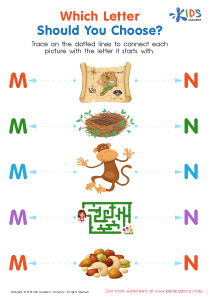
Alphabet sequencing Normal Lowercase/Small Letters Worksheets for Ages 4-6
3 filtered results
-
From - To
Enhance your student's alphabet skills with our Alphabet Sequencing Lowercase/Small Letters Worksheets, perfectly designed for children aged 4-6. These engaging printables encourage kids to practice letter recognition and improve their sequencing abilities through fun, interactive activities. By focusing on normal lowercase letters, that kids can solidify foundational language skills, essential for reading and writing development. Our expertly crafted worksheets make learning enjoyable and effective, ensuring young learners stay motivated and confident as they master the alphabet. Jumpstart your child's education journey with alphabet sequencing activities that blend play with learning seamlessly!

Find Lowercase Letters g h i Worksheet
 Assign to My Students
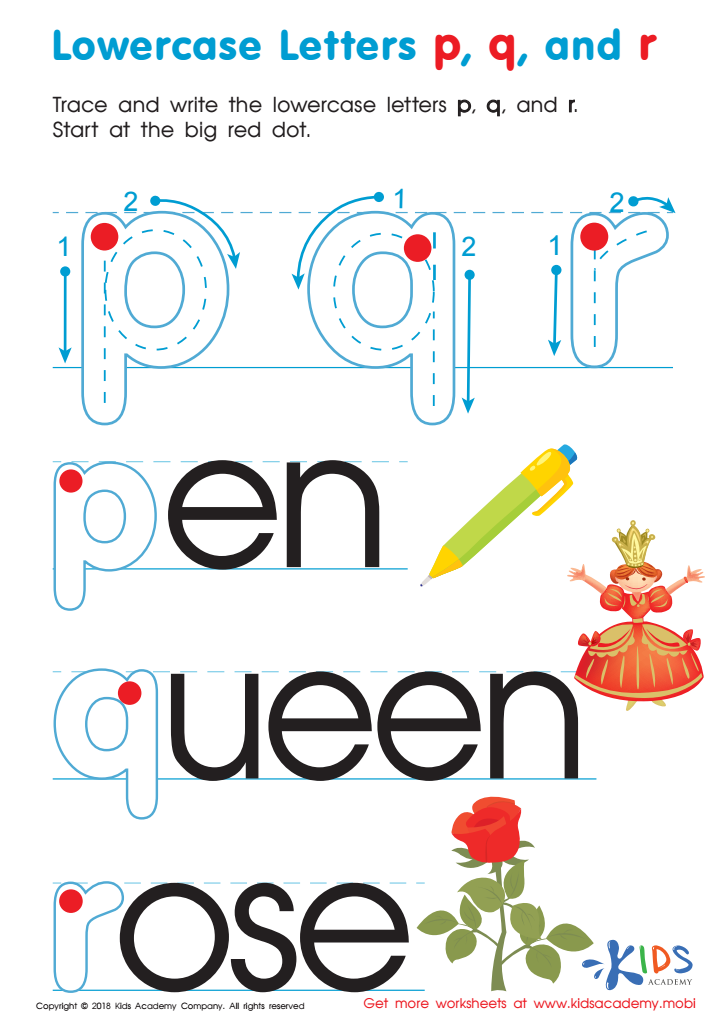
Lowercase Letters p q r Worksheet
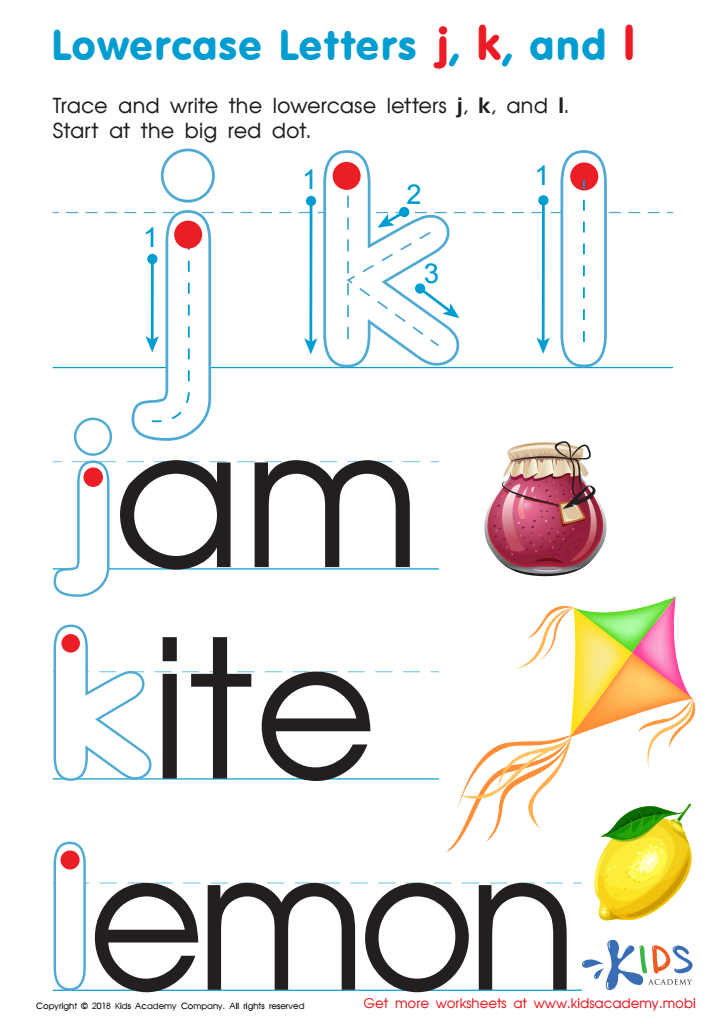
Lowercase Letters j k l Worksheet


Alphabet sequencing in lowercase letters is essential for children aged 4-6 as it forms the foundation for literacy skills which are crucial for their overall academic development. During these formative years, children's brains are particularly receptive to learning patterns and sequences, which directly contributes to their ability to recognize, spell, and eventually read words. Focusing on lowercase letters is important because these make up the majority of printed text children will encounter in books and in writing.
When parents and teachers prioritize alphabet sequencing, they are helping children develop critical cognitive skills such as memory, organization, and logical thinking. This practice also enhances fine motor skills, like tracing and writing, which are vital for proper handwriting development.
Moreover, a strong grasp of alphabet sequencing builds children's confidence, encouraging an enthusiasm for learning. By ensuring children can effortlessly identify and sequence lowercase letters, parents and teachers lay a sturdy groundwork for reading fluency. This foundational skill eases the transition from identifying single letters to understanding whole words and sentences.
Interacting with sequenced letters through games and hands-on activities can make learning fun and engaging, reinforcing the child’s ability to recall the alphabet both in and out of order. This early focus not only supports academic success but also cultivates a lifelong love of reading and learning.