Alphabet Recognition Normal Phonics Worksheets for Ages 4-6
3 filtered results
-
From - To
Unlock the joy of learning with our "Alphabet Recognition Normal Phonics Worksheets for Ages 4-6"! At Kids Academy, we provide fun, educational, and interactive worksheets designed to help young learners master the alphabet while developing crucial phonics skills. Perfect for preschoolers and kindergarteners, these worksheets feature engaging activities that promote letter recognition, sound matching, and early reading skills. Our expertly crafted materials ensure children build a strong foundation in literacy that will support their academic journey. Explore our diverse collection to make learning the alphabet both effective and enjoyable for your little ones!
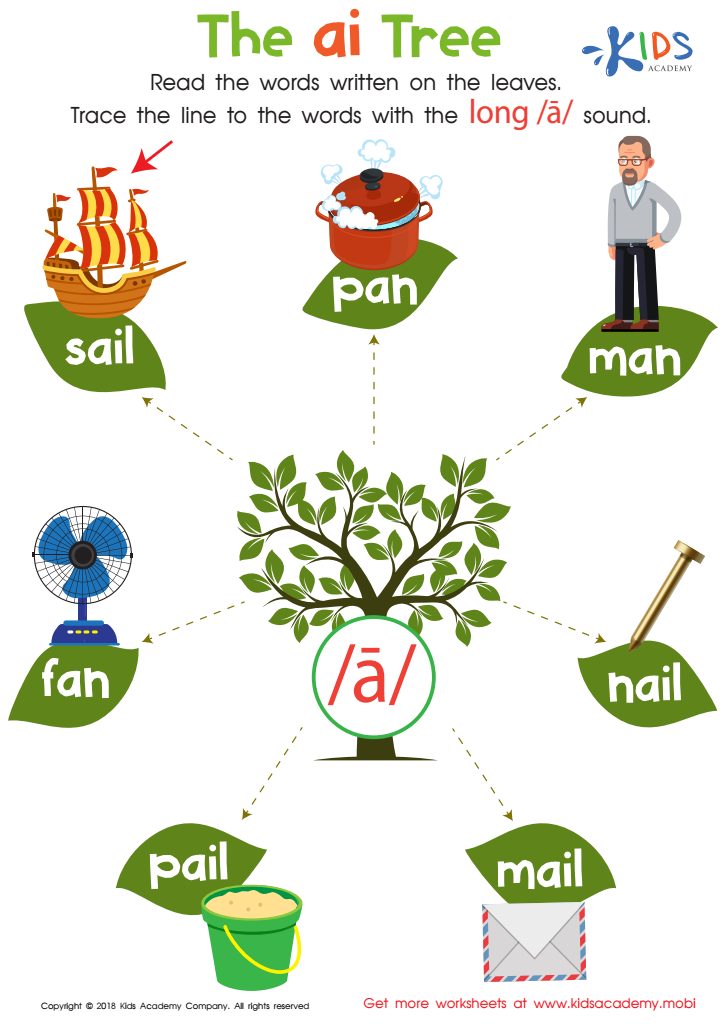
The AI Tree Worksheet
 Assign to My Students
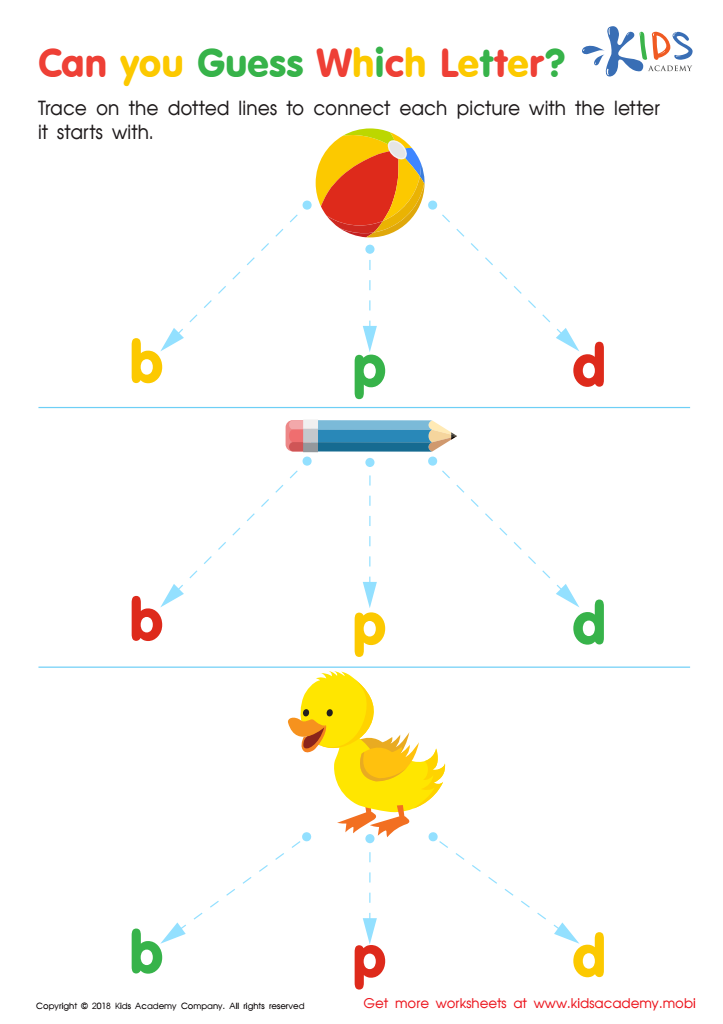
Can you Guess Which Letter? Worksheet
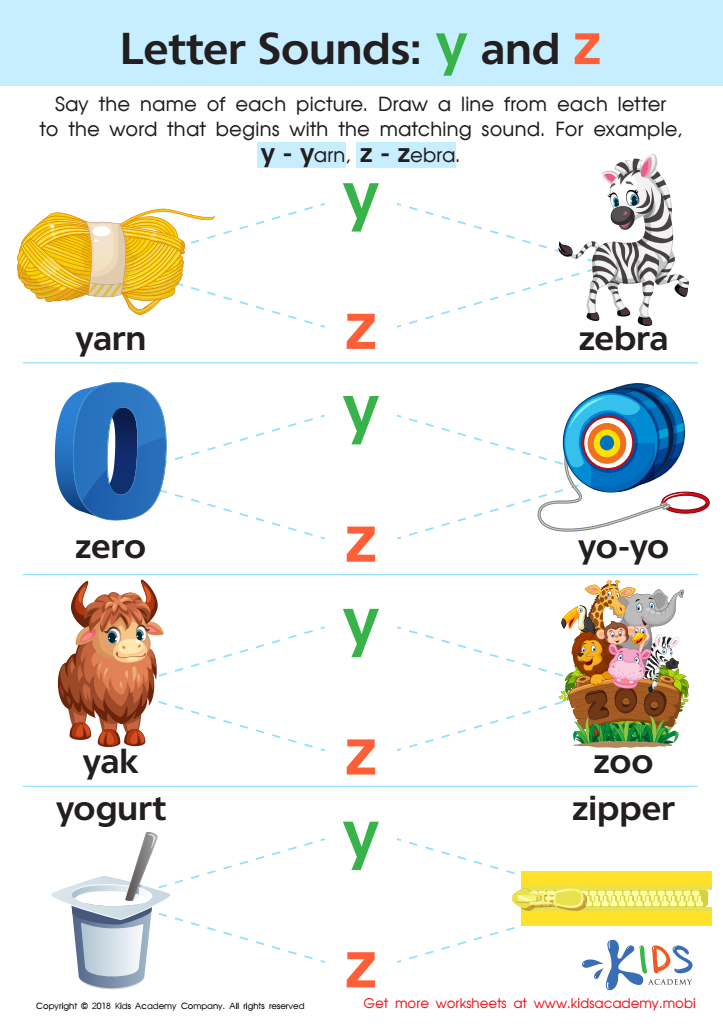
Letter Y and Z Sounds Worksheet








Alphabet recognition and normal phonics (understanding the sounds that letters make) form the foundation of early literacy skills for children aged 4-6. At this stage, children are like sponges, highly capable of absorbing new information rapidly. Proficiency in these skills significantly influences their future reading and writing abilities.
First, knowing the alphabet and letter sounds helps children associate spoken language with written language. This correlation is critical for them to start reading simple words, such as "cat" or "bat," and eventually, more complex words and sentences. When children learn to decode words phonetically, they build essential reading skills, which leads to improved academic performance across all subjects.
Secondly, strong early literacy skills boost children's confidence and enthusiasm for learning. When children can recognize letters and sounds, they are more likely to enjoy story time, participate in reading games, and feel capable of accomplishing other educational tasks, fostering a positive attitude towards learning throughout their academic career.
Moreover, early acquisition of these skills aids cognitive development. Engaging with letters and sounds sharpens children's memory, attention span, and problem-solving abilities. Parents and teachers focusing on alphabet recognition and normal phonics give children the tools they need for a lifetime of learning and communication. These skills open up broader educational opportunities, contributing to more significant academic success and emotional well-being.







