Fine Motor Skills Normal Phonics Worksheets for Ages 4-6
5 filtered results
-
From - To
Discover our engaging Fine Motor Skills Normal Phonics Worksheets designed specifically for children ages 4-6! These printable activities help young learners develop essential fine motor skills while reinforcing phonics concepts. Combining learning and play, our worksheets feature fun exercises that encourage children to trace, color, and manipulate letters and sounds. Perfect for homeschooling or classroom use, these resources support early literacy development in an enjoyable way. Boost your child's confidence and readiness for more advanced learning with our thoughtfully crafted materials. Encourage creativity, hand-eye coordination, and phonics recognition all in one! Start your phonics journey today!
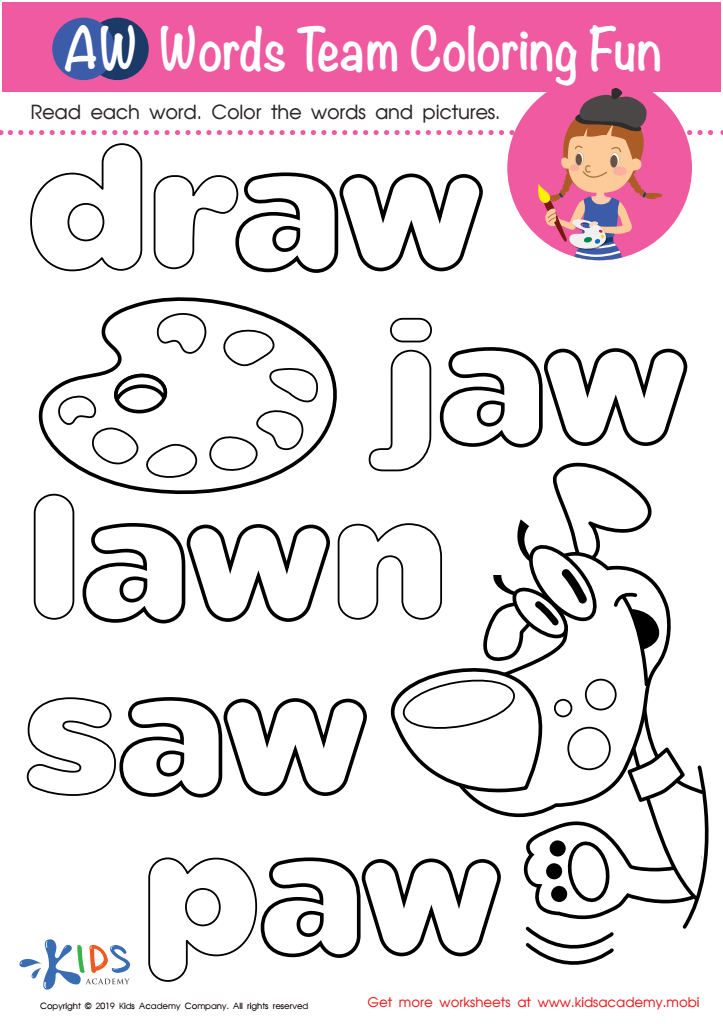
AW Words Team Coloring Fun Worksheet
 Assign to My Students
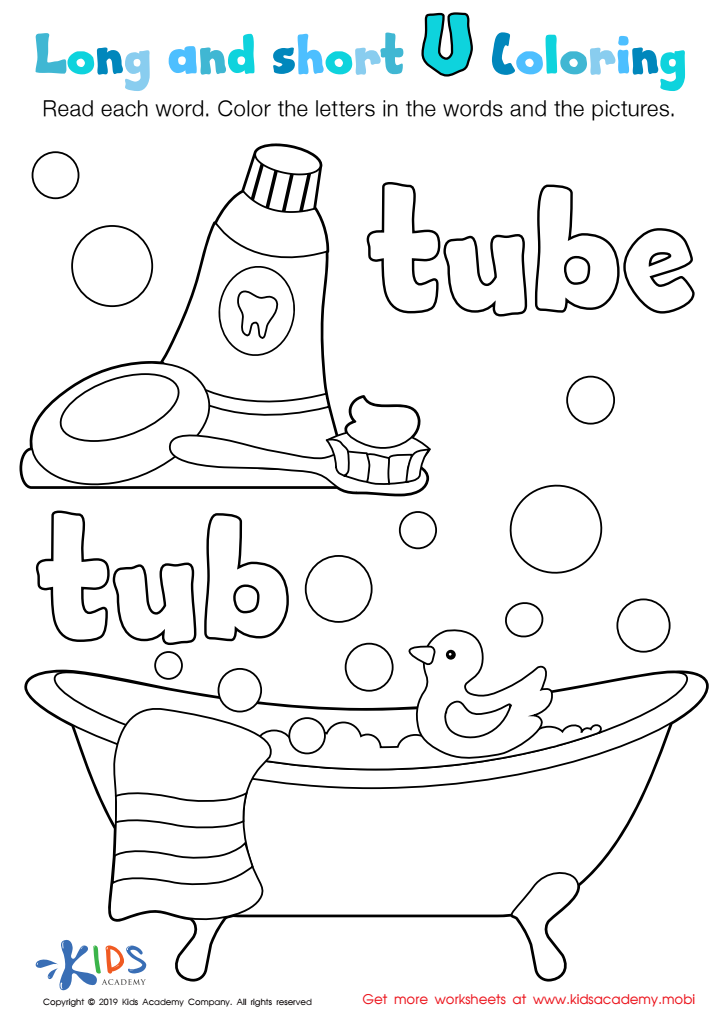
Long and Short U Worksheet
Assign to My Students
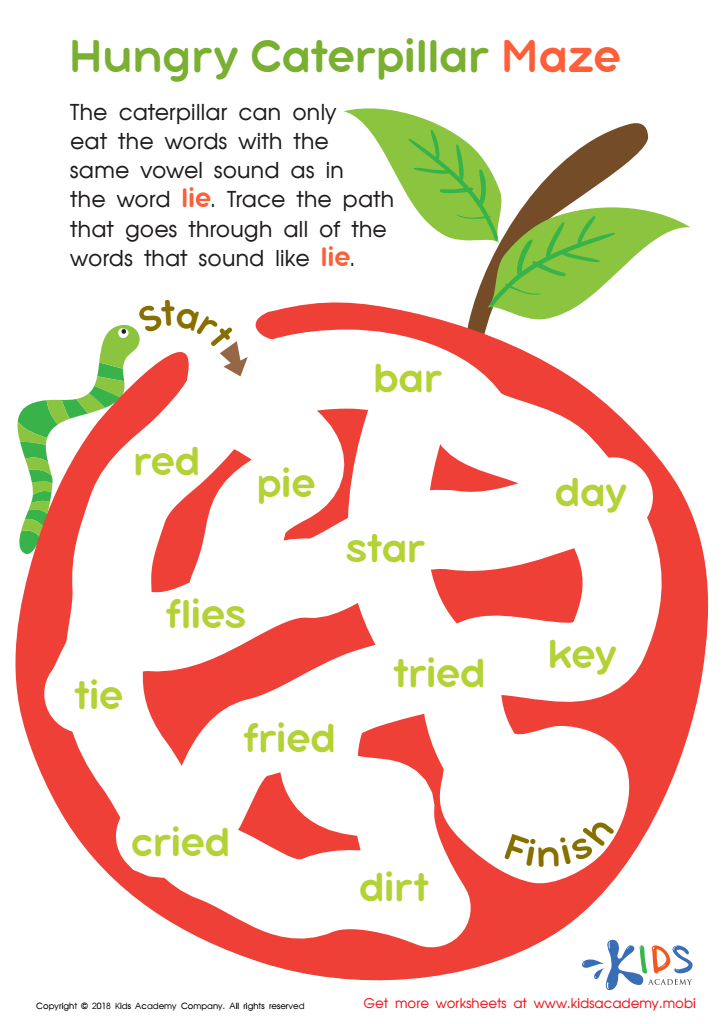
Hungry Caterpillar Maze Worksheet
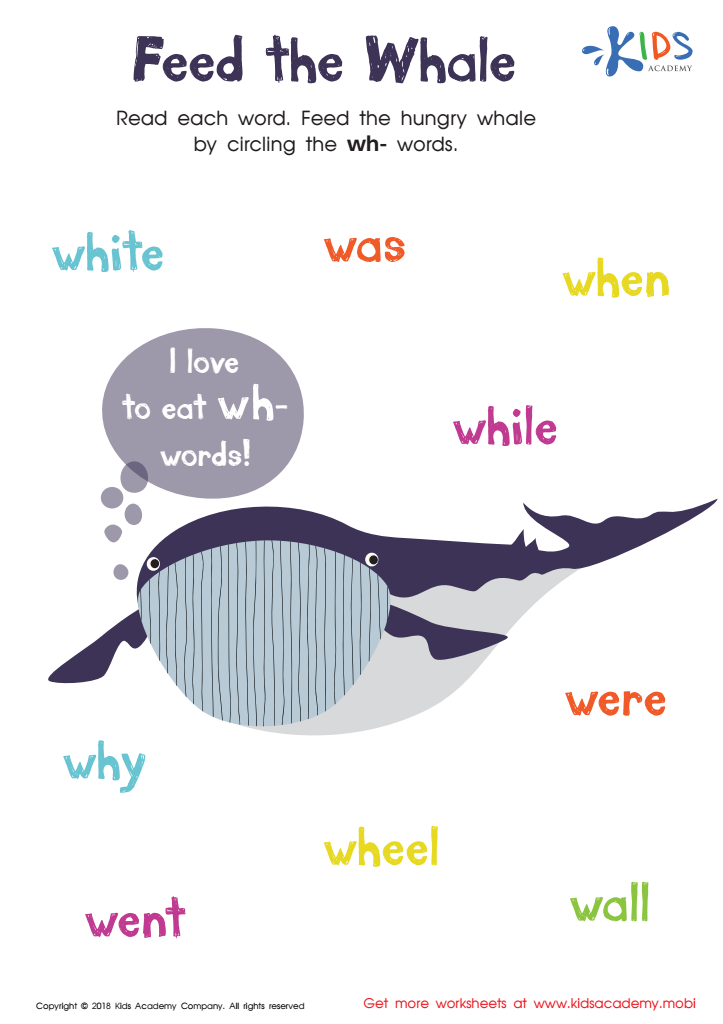
Feed the Whale Worksheet
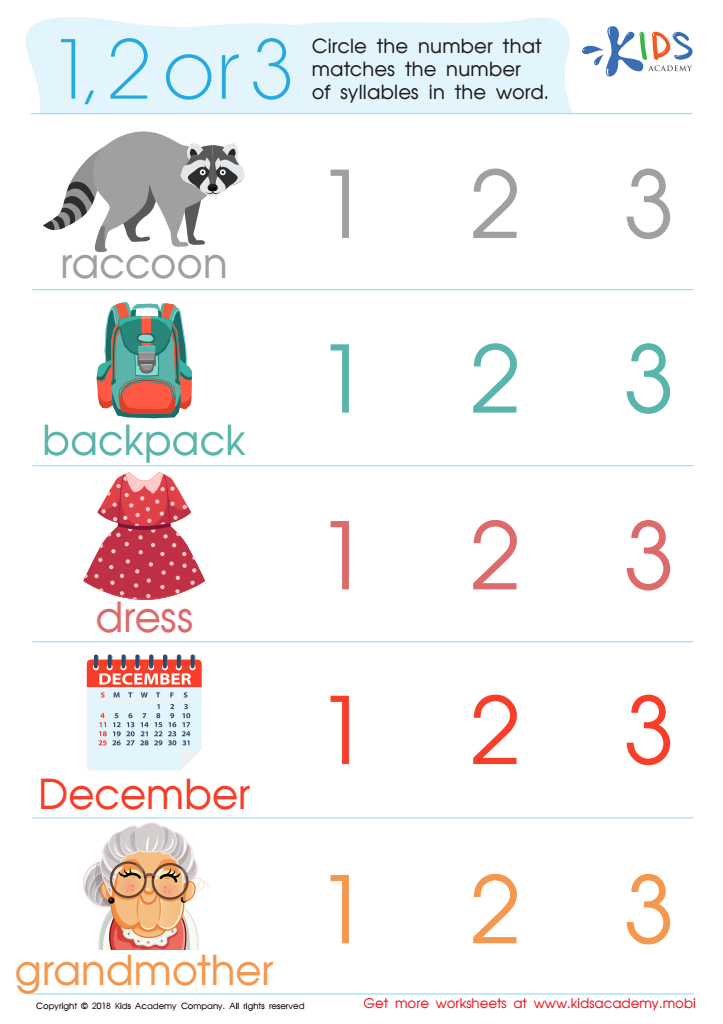
1, 2 or 3? Worksheet








Parents and teachers should prioritize fine motor skills and phonics for children aged 4-6 because these fundamentals lay the groundwork for future academic success and everyday life skills. Fine motor skills involve the coordination of small muscles in the hands and fingers, which are essential for tasks like writing, using scissors, buttoning shirts, and picking up small objects. These skills not only promote independence but also build confidence in young learners.
On the other hand, normal phonics instruction helps children understand the relationship between letters and sounds, forming the basis for reading and writing. Early mastery of phonics can significantly enhance a child's ability to decode words, which leads to improved literacy skills and a love for reading. Engaging children in enjoyable phonics activities can foster their interest in language and storytelling.
Together, fine motor skills and phonics create a strong foundation for a child’s educational journey. By focusing on these areas, parents and teachers enable young learners to develop critical skills that influence their academic performance, self-esteem, and overall development. Investing time and resources into these skills will support a child's growth, helping them thrive in school and in life.







