Problem-Solving Skills Normal Phonics Worksheets for Ages 4-6
3 filtered results
-
From - To
Unlock your child's potential with our “Problem-Solving Skills Normal Phonics Worksheets” designed for ages 4-6. These engaging worksheets combine essential phonics practice with critical thinking activities to nurture young minds. Each worksheet offers fun, interactive challenges that encourage children to think creatively while enhancing their reading skills. Through these age-appropriate exercises, little learners will develop vital problem-solving abilities alongside their phonics knowledge. Perfect for home or the classroom, our worksheets make learning enjoyable and effective. Help your child build a strong foundation for future success with our carefully crafted resources that foster both literacy and cognitive skills. Explore today!
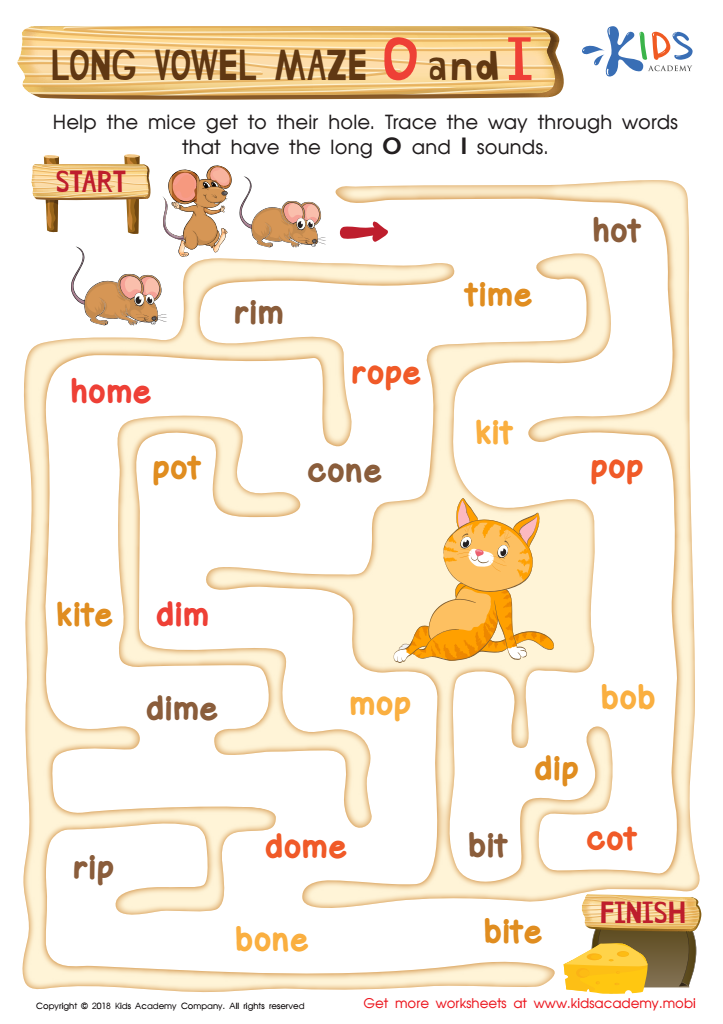
Long Vowel Maze /o/ and /i/ Worksheet
 Assign to My Students
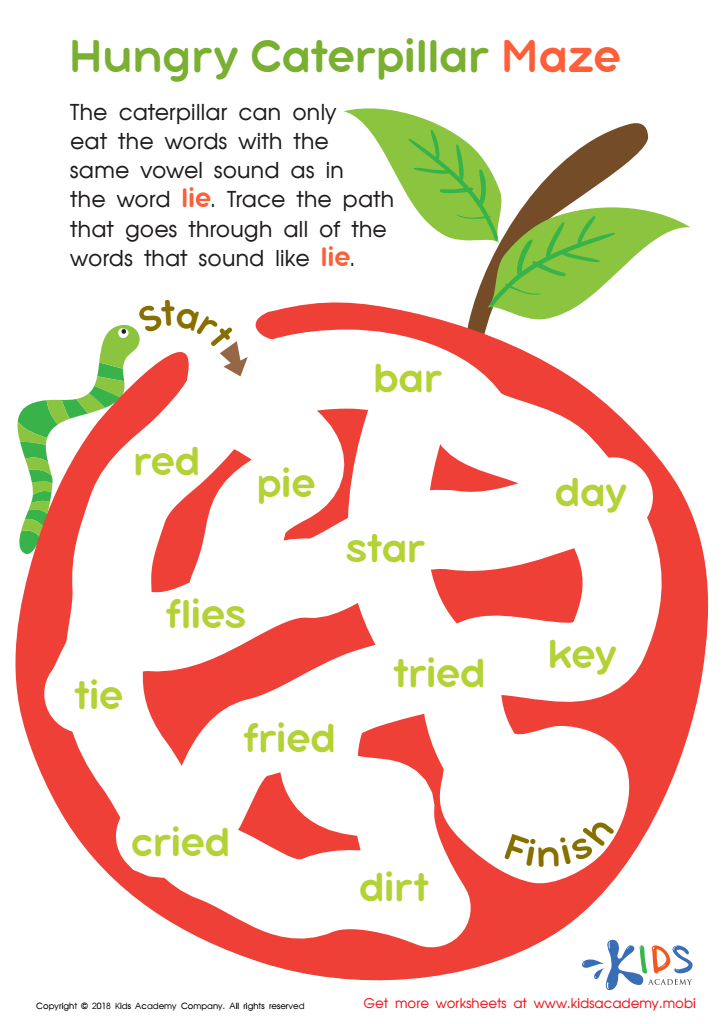
Hungry Caterpillar Maze Worksheet
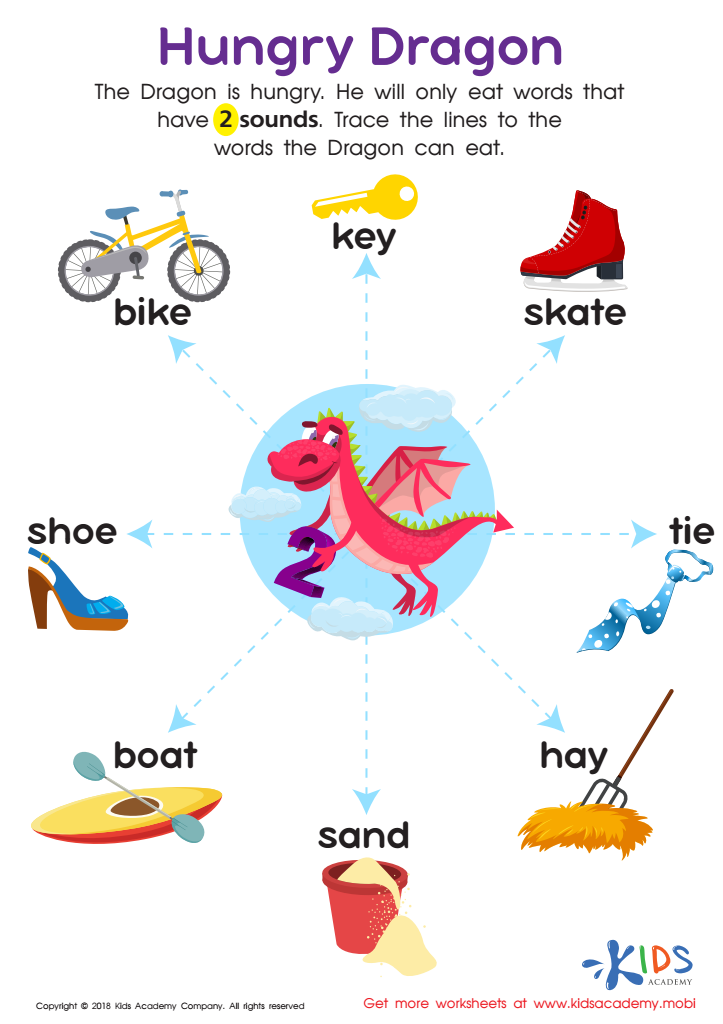
Hungry Dragon Worksheet








Problem-solving skills are crucial for young learners, especially during the ages of 4 to 6, as they form the foundation for a child’s cognitive and social development. Incorporating Normal Phonics into a problem-solving framework enhances literacy and critical thinking simultaneously. This dual focus enables children not only to decode words and understand phonetic principles but also to approach reading and comprehension challenges with a solutions-oriented mindset.
Parents and teachers should prioritize these skills, as they empower children to become independent thinkers. Engaging in activities that promote problem-solving allows children to experiment with sounds and letters while they learn to address difficulties, whether in reading or in everyday situations. This cognitive flexibility nurtures resilience and creativity, qualities essential for lifelong learning.
Moreover, in a technology-driven world where analytical skills are increasingly important, equipping young children with strong problem-solving abilities linked to phonics will significantly enhance their academic readiness. Addressing difficulties in reading early on paves the way for greater success in school and beyond. Ultimately, fostering these skills instills confidence in children, setting a positive trajectory for their educational journey and future challenges.







