Vocabulary enhancement Normal Short Vowels Worksheets for Ages 4-6
3 filtered results
-
From - To
Boost your child's vocabulary with our engaging Normal Short Vowels Worksheets, specifically designed for ages 4-6. These worksheets focus on short vowel sounds, providing fun activities that enhance phonemic awareness and language skills. Children will explore words through matching exercises, fill-in-the-blanks, and more, fostering a love for learning while improving their reading abilities. Ideal for parents and teachers, these resources support early literacy development in a playful way. Download our printable worksheets today to help your little ones build a strong vocabulary foundation and gain confidence as they embark on their reading journey! Fun learning starts here!
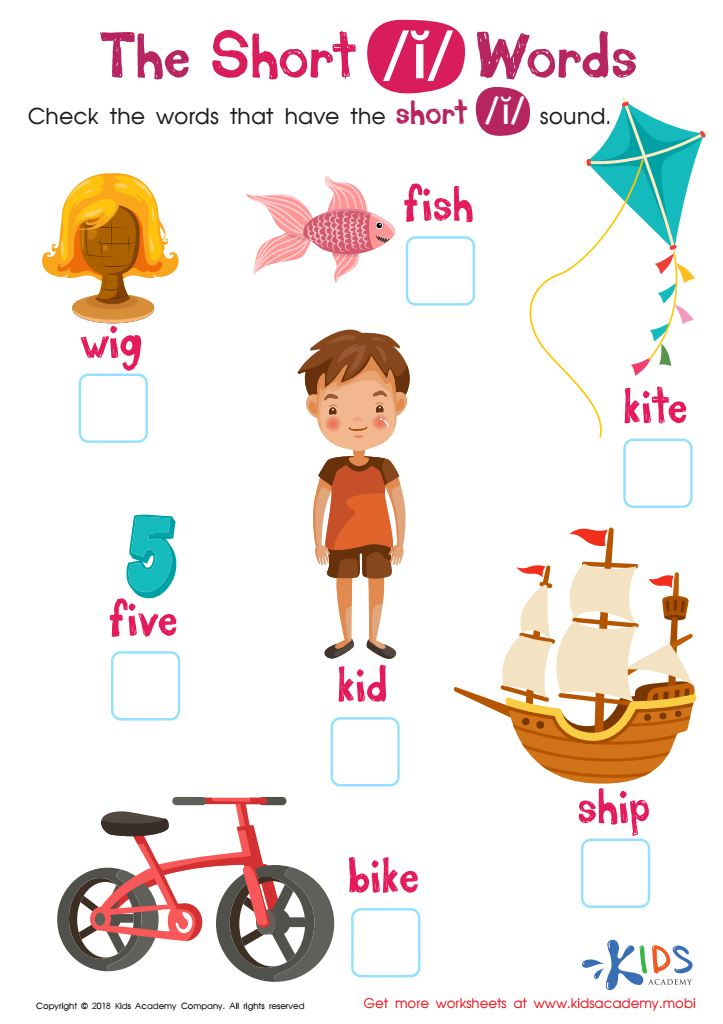
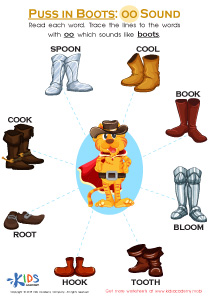
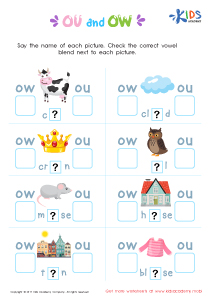
The Short I Words Reading Worksheet
 Assign to My Students
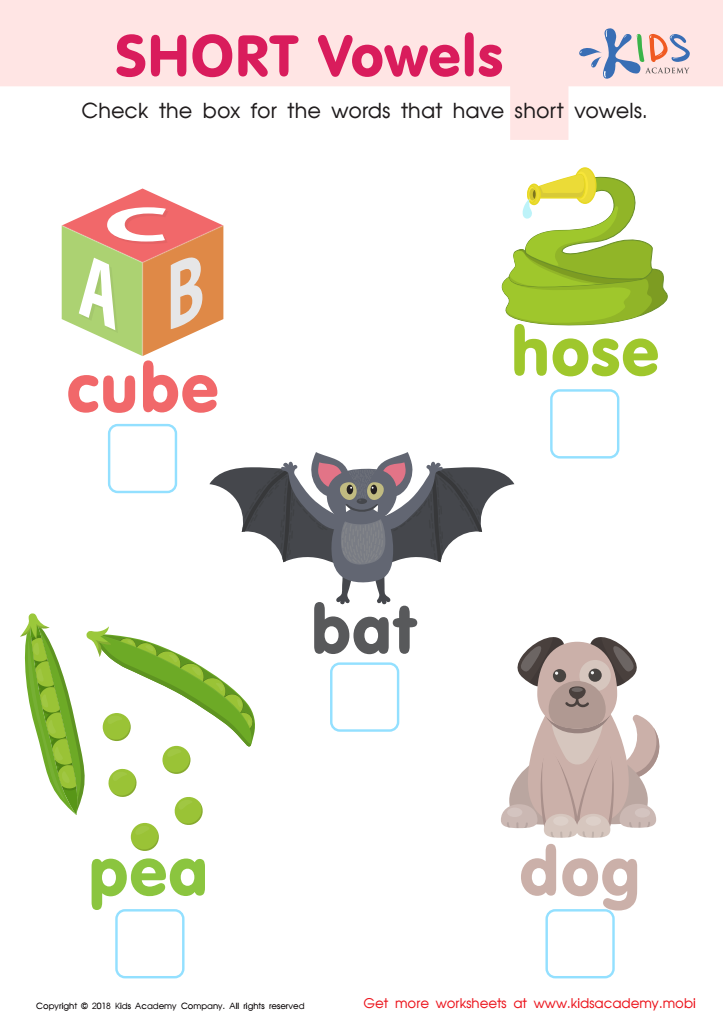
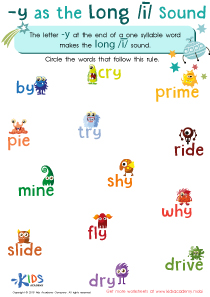
short vowels Worksheet
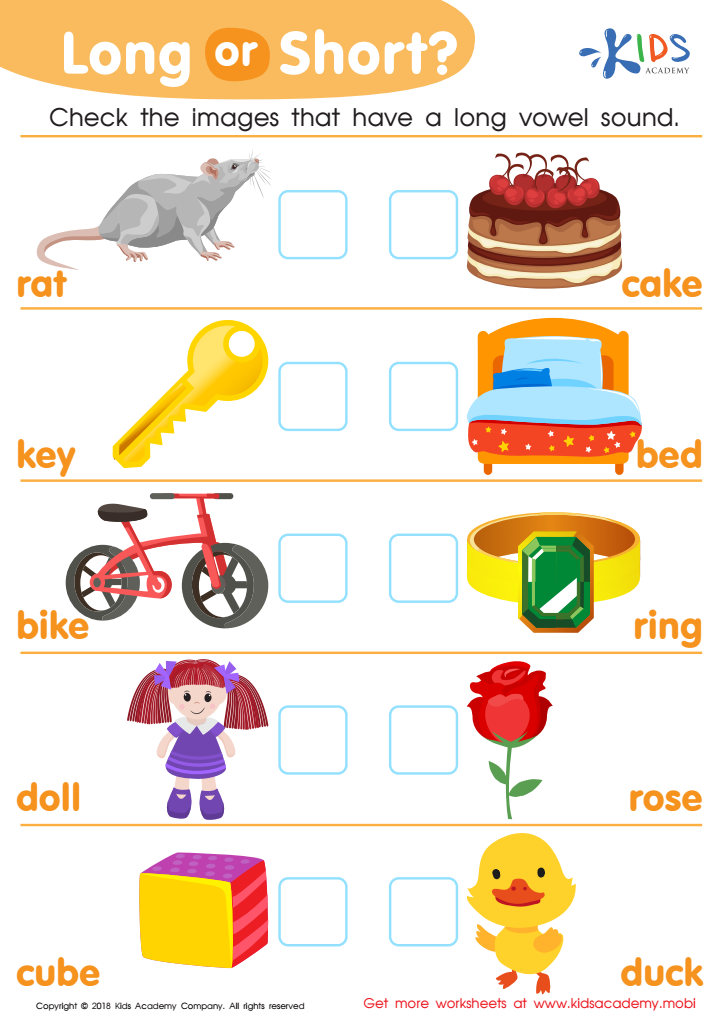
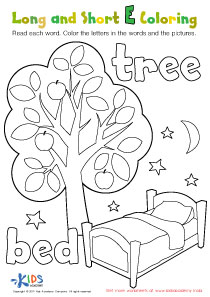
Long or Short Reading Worksheet



Vocabulary enhancement, particularly with a focus on normal short vowels, is crucial for children aged 4-6 as it lays the foundation for effective communication and literacy skills. At this developmental stage, children are rapidly learning to associate sounds with letters, and mastering short vowels is essential for phonetic awareness.
Short vowel sounds, such as "a" in "cat" or "e" in "bed," are integral components of many words. By focusing on these sounds, parents and teachers can help children improve their decoding skills, which is vital for reading proficiency. A strong grasp of vocabulary enables children to comprehend stories better, express themselves clearly, and engage fully in conversations.
Furthermore, vocabulary enhancement stimulates cognitive development and critical thinking. It encourages language play and exploration, fostering curiosity about words and their meanings.
Ultimately, by prioritizing vocabulary development centered on short vowels, parents and teachers can provide children the tools they need for academic success and social interaction, instilling a love for language that lasts a lifetime. The early years are crucial; this investment in their linguistic skills can significantly influence their future learning journey.