Problem-Solving Skills Normal Upper & Lowercase Letters Worksheets for Ages 4-6
3 filtered results
-
From - To
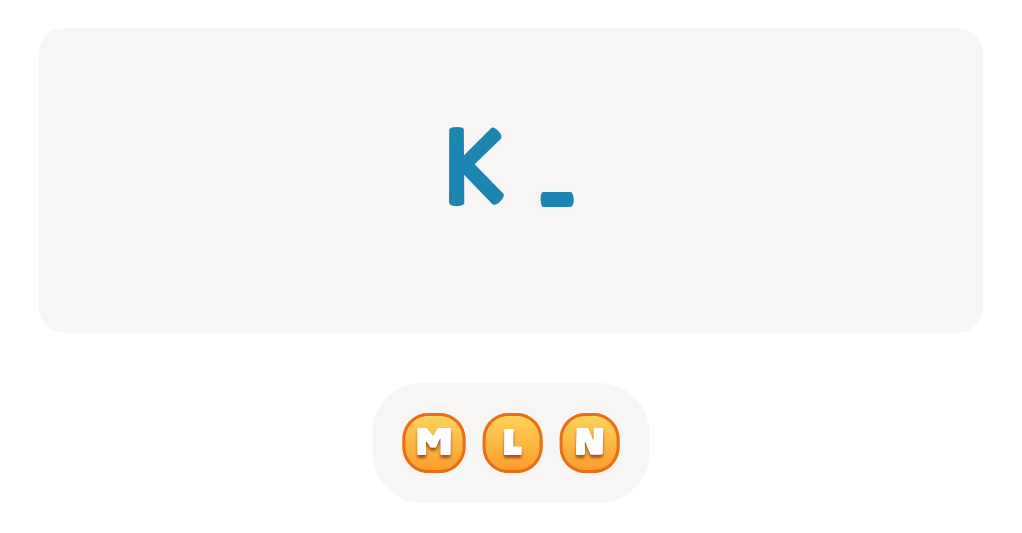
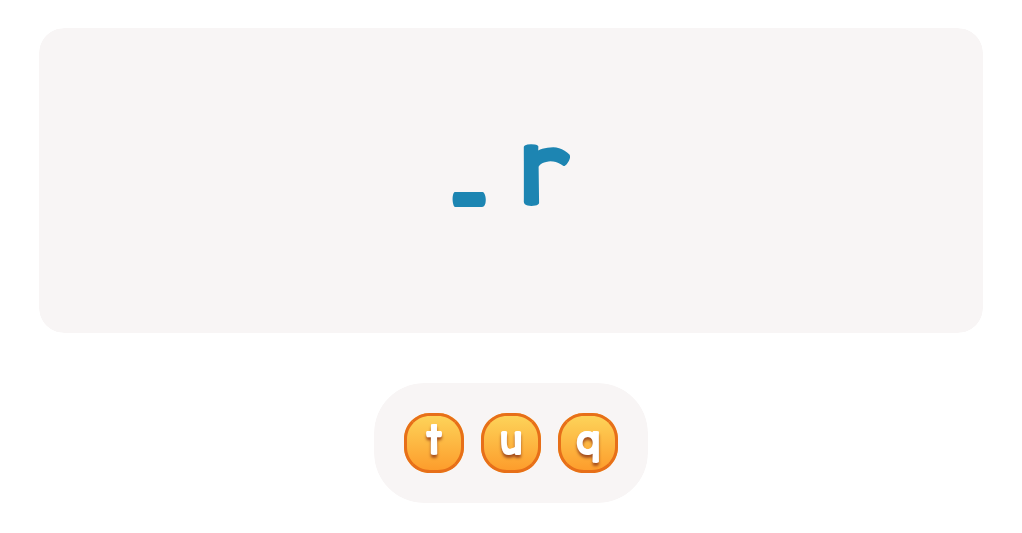
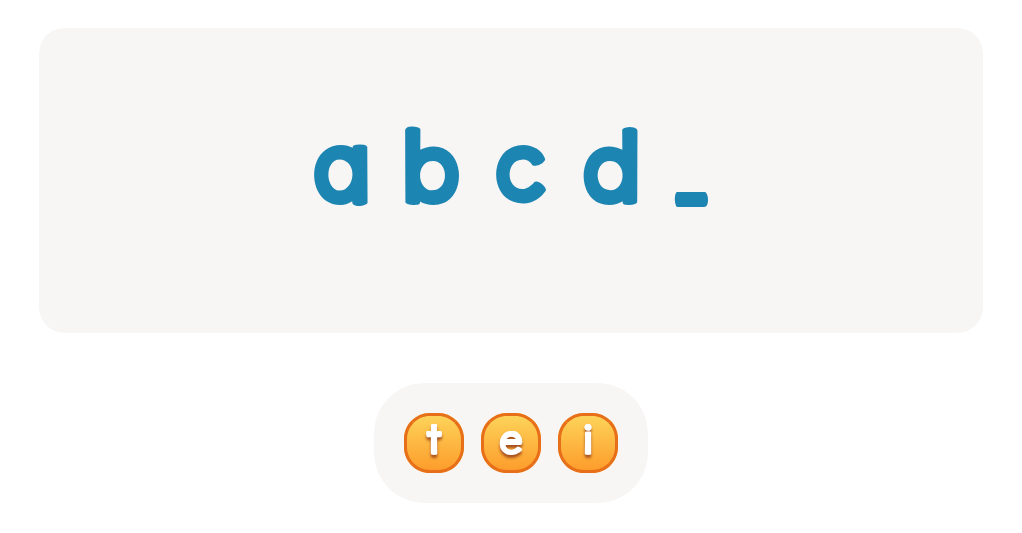
Enhance your child's problem-solving skills with our interactive Upper and Lowercase Letters Worksheets designed for ages 4-6. These worksheets blend fun and learning by helping young learners differentiate between uppercase and lowercase letters while honing their critical thinking abilities. Each engaging activity fosters cognitive development and alphabet proficiency, providing a solid foundation for early reading and writing. Whether matching letters, completing patterns, or solving puzzles, your child will boost their confidence and curiosity in an enjoyable, educational environment. Equip your budding scholar with the essential tools for a successful academic journey! Perfect for use at home or in the classroom.
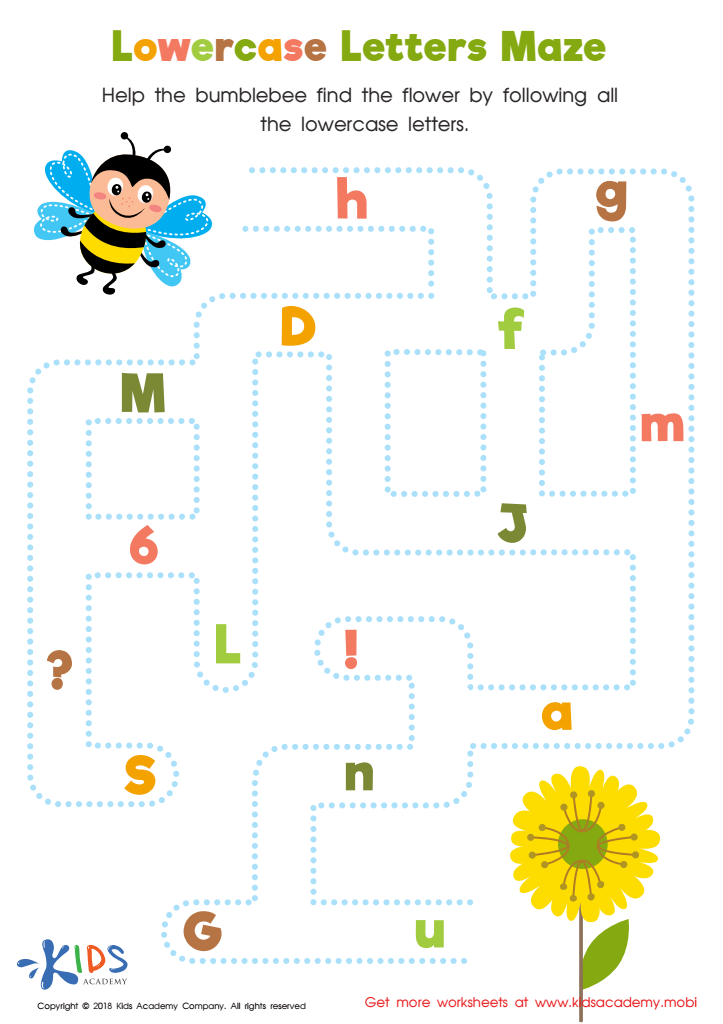
Lowercase Letters Maze Worksheet
 Assign to My Students


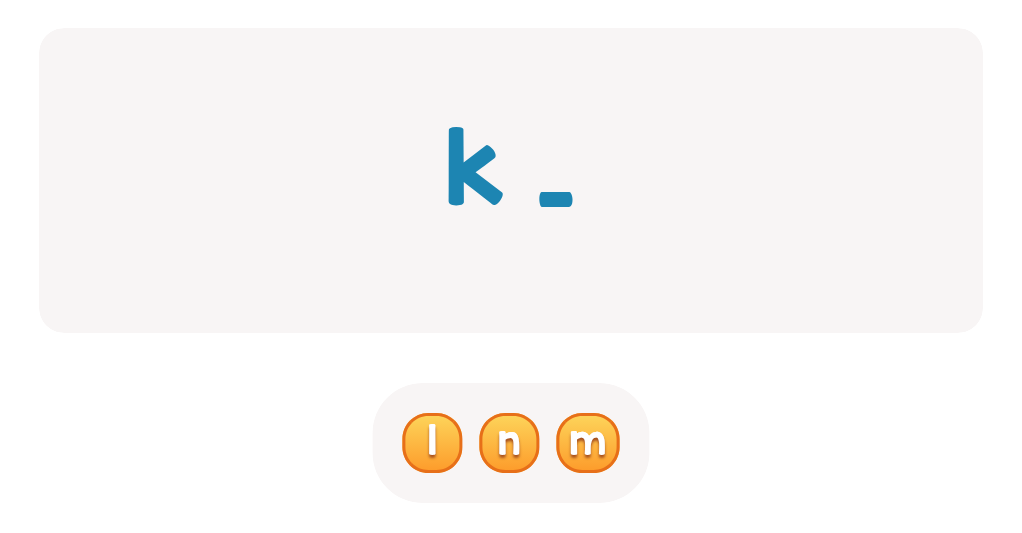
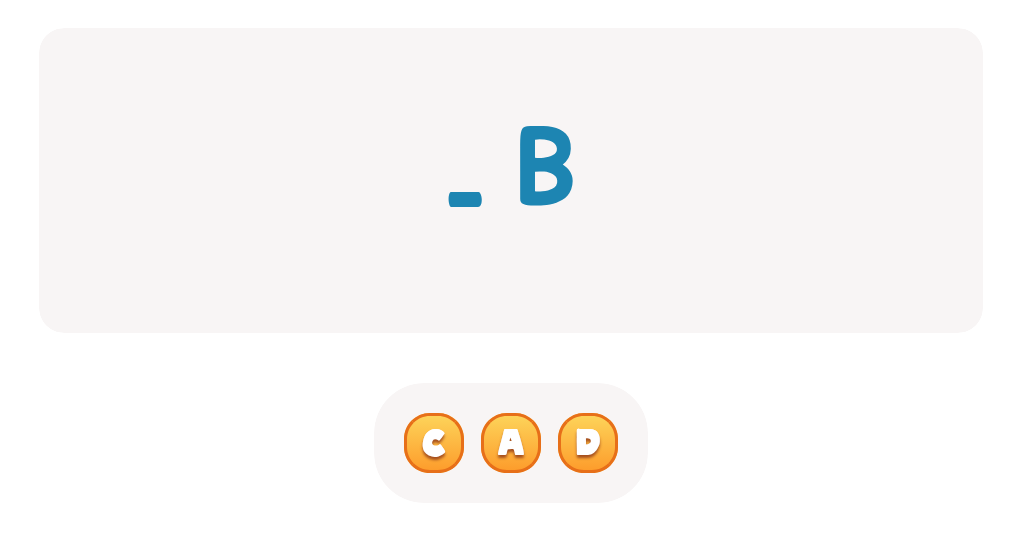
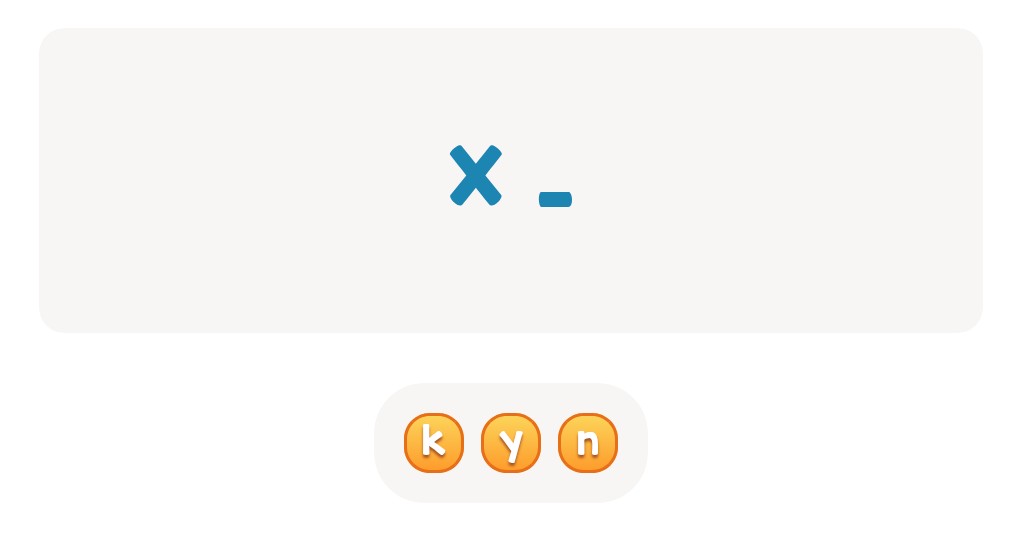
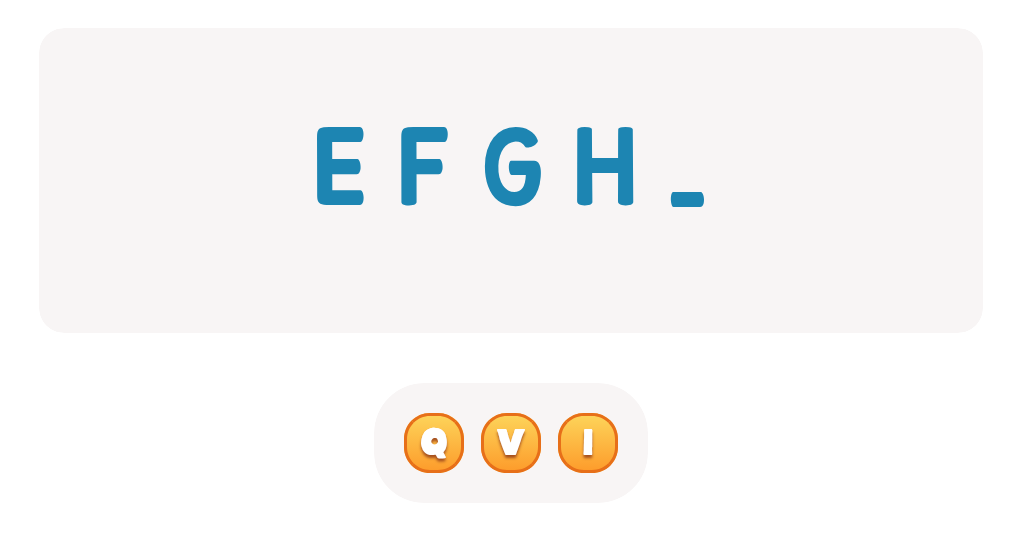
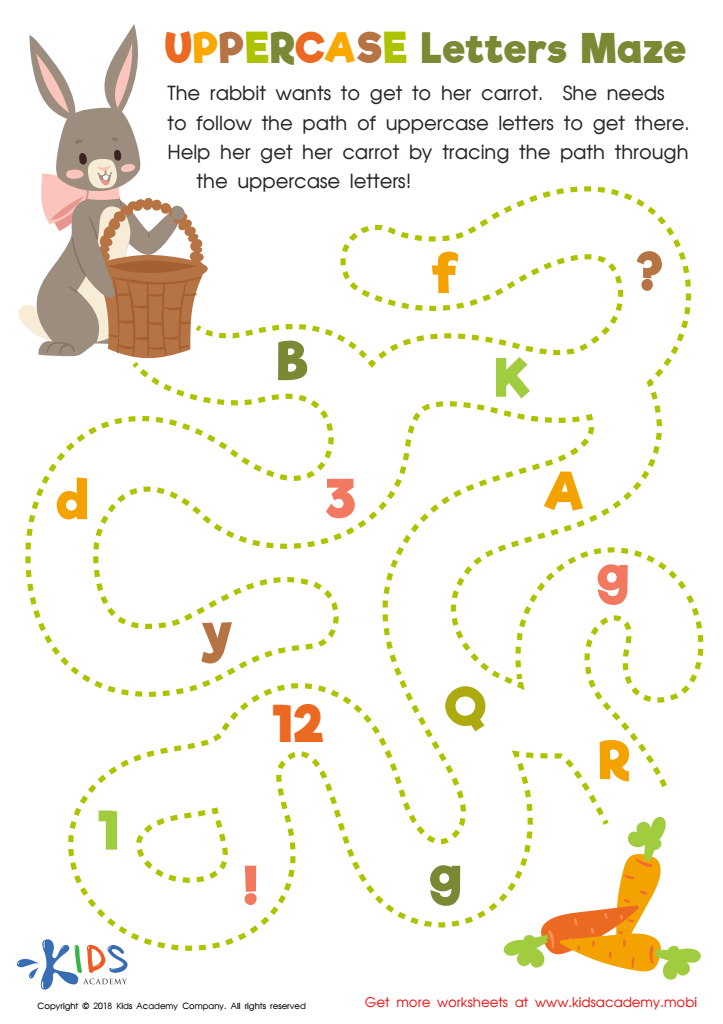
Uppercase Letters Maze Worksheet
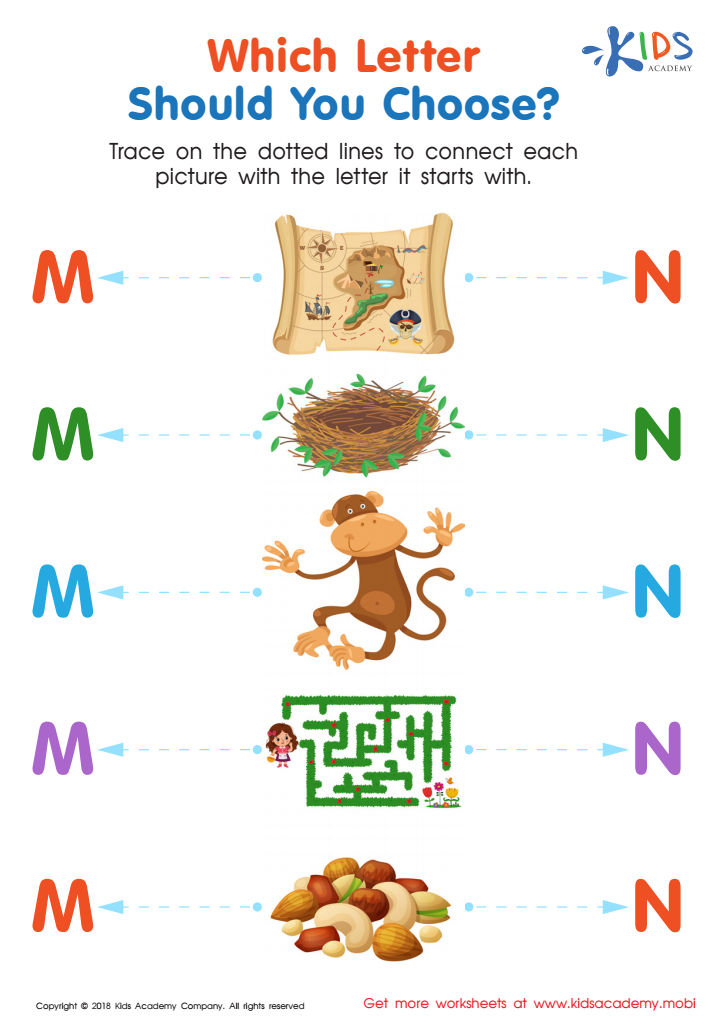
Which Letter Should you Choose? Worksheet






Problem-solving skills are crucial for young children ages 4-6. At this age, they are encountering new challenges every day, whether it's figuring out how to share toys or distinguishing between right and wrong. Developing problem-solving skills helps them navigate these complexities, fostering independence and confidence. For instance, when a child figures out how to complete a puzzle, they not only solve a specific problem but also enhance their cognitive abilities.
Additionally, acquiring strong problem-solving skills early on often translates to better academic performance later. These skills sharpen critical thinking abilities which extend to subjects like math, reading, and science. When children face a tough math problem, they employ logical reasoning and critical thinking to find solutions. Understanding these processes early can make learning less daunting as they progress through school.
From the perspective of emotional development, problem-solving skills promote resilience. Children learn that making mistakes is part of the process and that they can find solutions, reducing frustration. This resilience will benefit them throughout their lives, helping them to remain persistent in the face of challenges.
For parents and teachers, supporting the development of these skills is vital. Engaging activities, thoughtful questions, and encouragement can spark a child's curiosity and encourage problem-solving practices, setting them on a path to successful lifelong learning.







