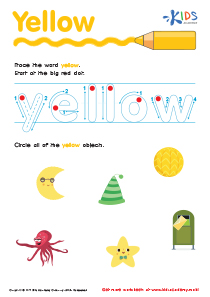
Fine Motor Skills Normal English for Beginners Worksheets for Ages 4-6 - Page 2
32 filtered results
-
From - To
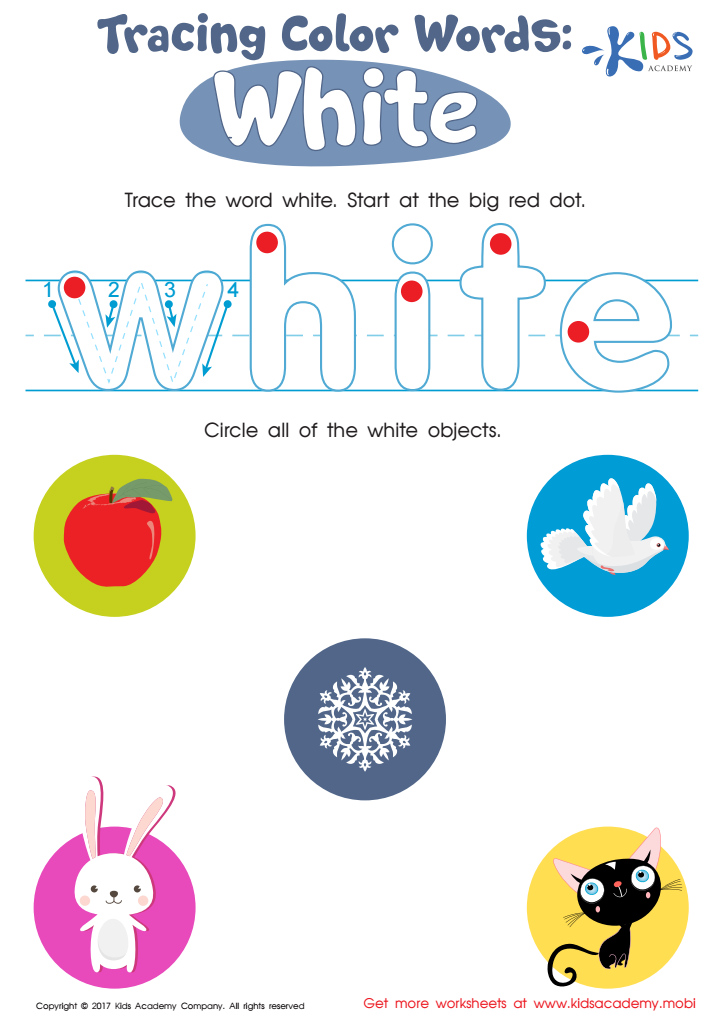
White Tracing Color Words Worksheet
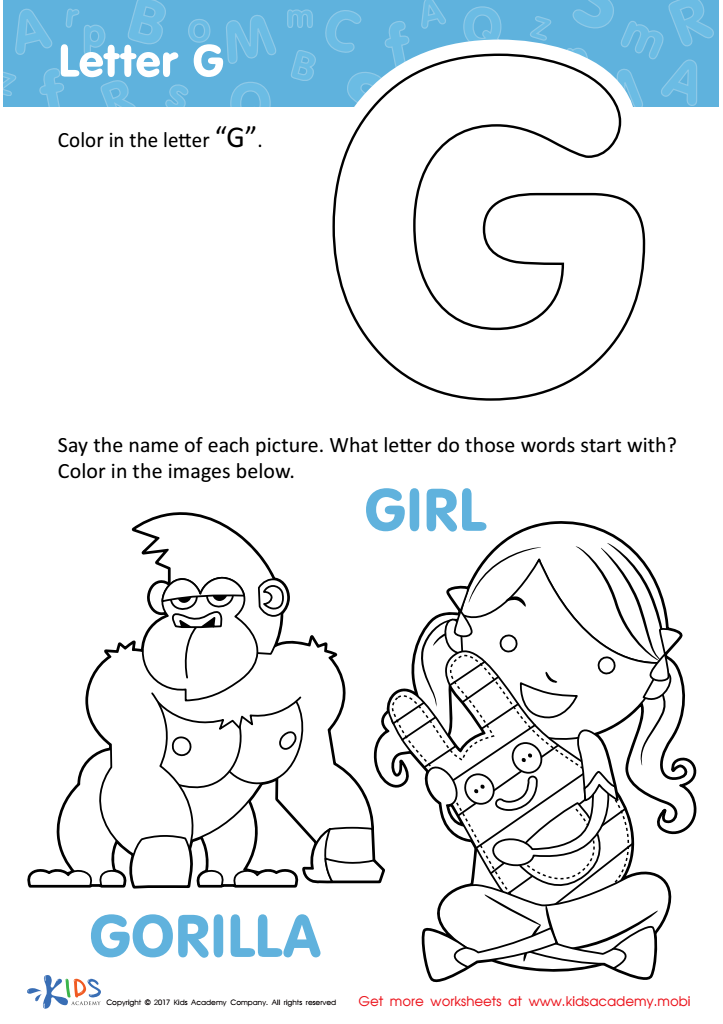
Letter G Coloring Sheet
 Assign to My Students
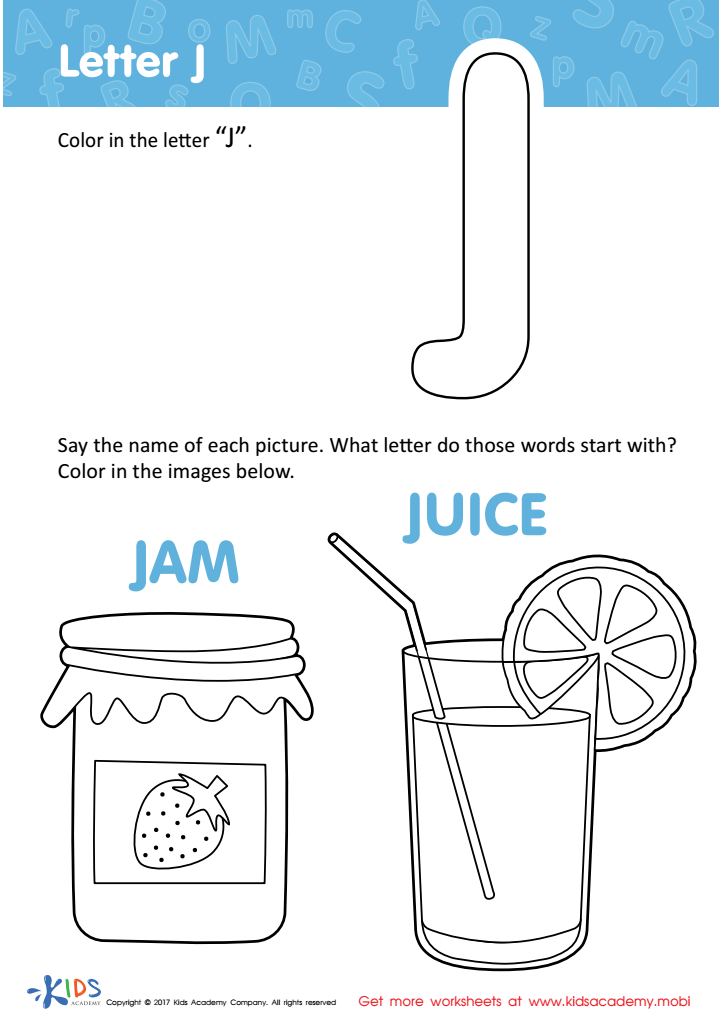
Letter J Coloring Sheet
Assign to My Students
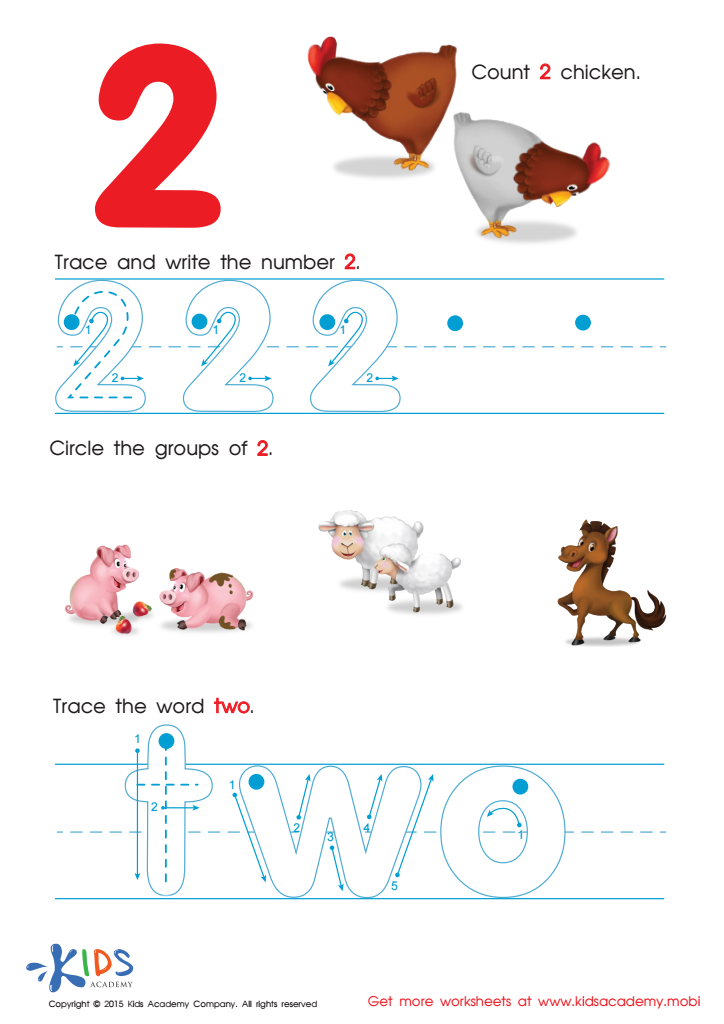
Learn to Write the Number 2 Worksheet

Letter F Tracing Page

Letter F Coloring Sheet
Assign to My Students

Letter N Coloring Sheet
Assign to My Students

Letter D Tracing Page





Fine motor skills are crucial for young children, especially for those aged 4 to 6. These skills involve the small muscles in the hands and fingers that are necessary for tasks like gripping a pencil, cutting with scissors, and buttoning shirts. Parents and teachers should care about developing fine motor skills because they lay the foundation for children's overall development.
First, strong fine motor skills boost children's confidence in completing everyday tasks, promoting independence. When kids can tie their shoes or use utensils properly, they are more likely to participate actively in learning.
Furthermore, fine motor skills are closely linked to academic success. For example, writing abilities can impact a child's performance in school. Children with well-developed fine motor skills are often better prepared for classroom activities that require writing, drawing, or crafting.
Engaging in activities that promote fine motor skills—like playing with building blocks, tracing shapes, or doing arts and crafts—benefits kids' hand-eye coordination and concentration. Teachers and parents can support this development through fun and practical exercises, ensuring that children gain these essential skills while playing and building their self-esteem. Prioritizing fine motor skills helps set the stage for future learning and personal success.