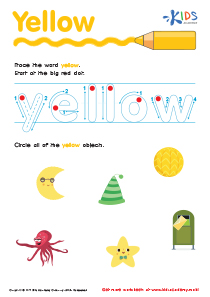
Vocabulary expansion Normal English for Beginners Worksheets for Ages 4-6
5 filtered results
-
From - To
Unlock language potential with our engaging Vocabulary Expansion Normal English Worksheets for beginners aged 4-6. Designed specifically for young learners, these printable resources boost vocabulary skills while making learning fun. Our worksheets cover essential themes and everyday words, helping children associate meanings with imagery, enhancing comprehension. Activities include matching games, word searches, and simple fill-in-the-blank exercises, all tailored for early educational development. Perfect for use at home or in the classroom, these age-appropriate resources foster a love for language and lay a strong foundation for future learning. Start your child's vocabulary journey today with our easy-to-use worksheets!

Long and Short U Worksheet
 Assign to My Students
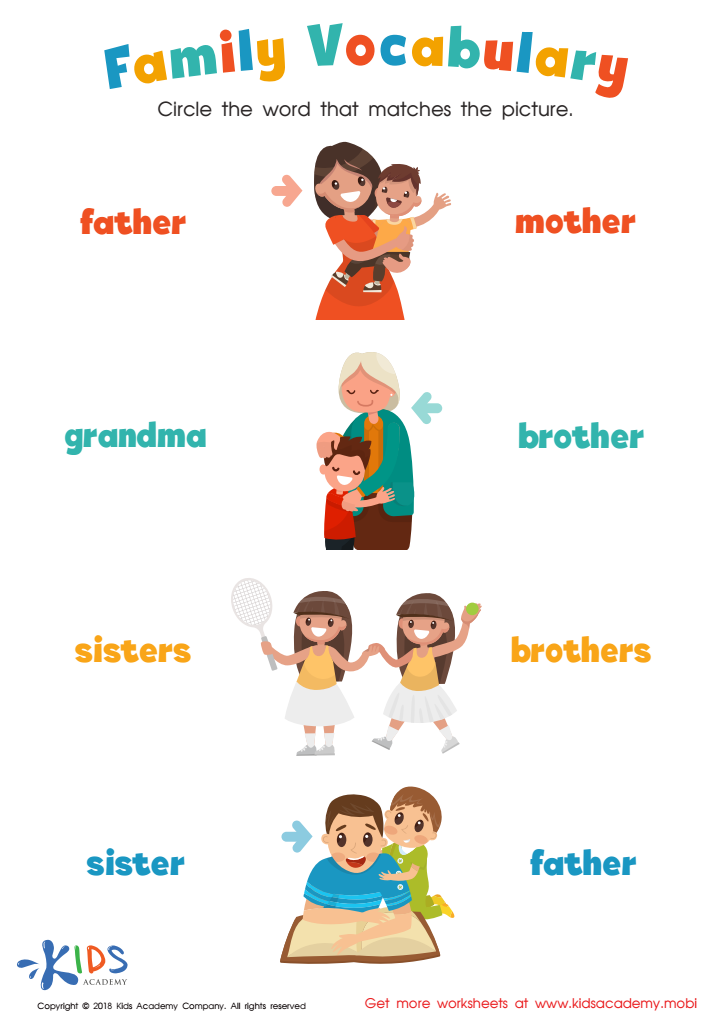
Family Vocabulary Worksheet
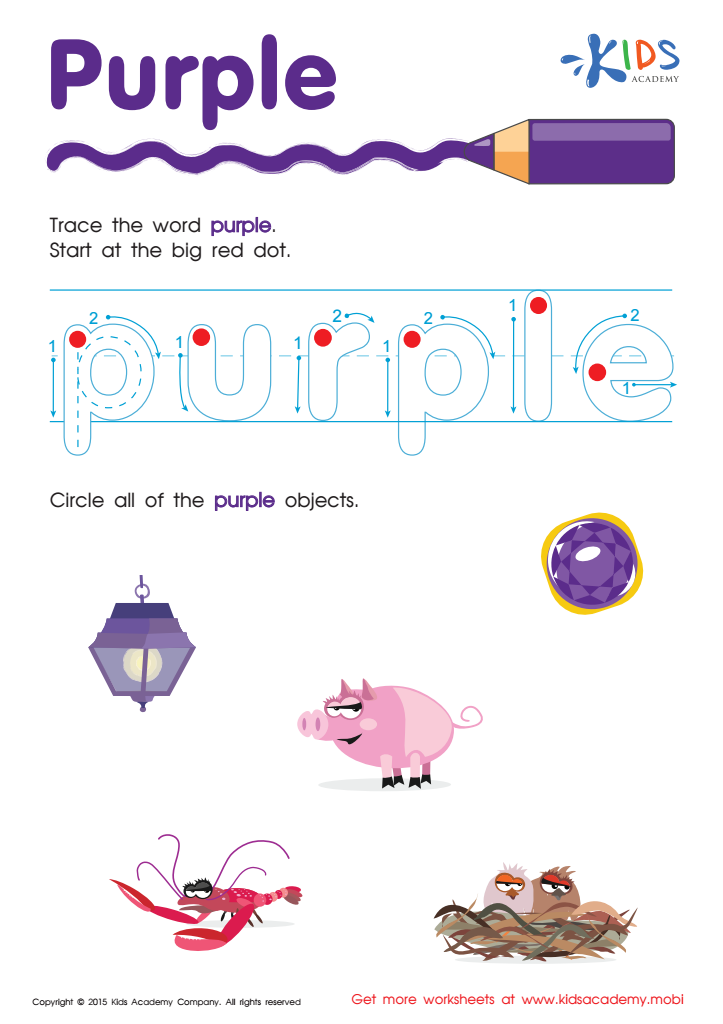
Purple Tracing Color Words Worksheet
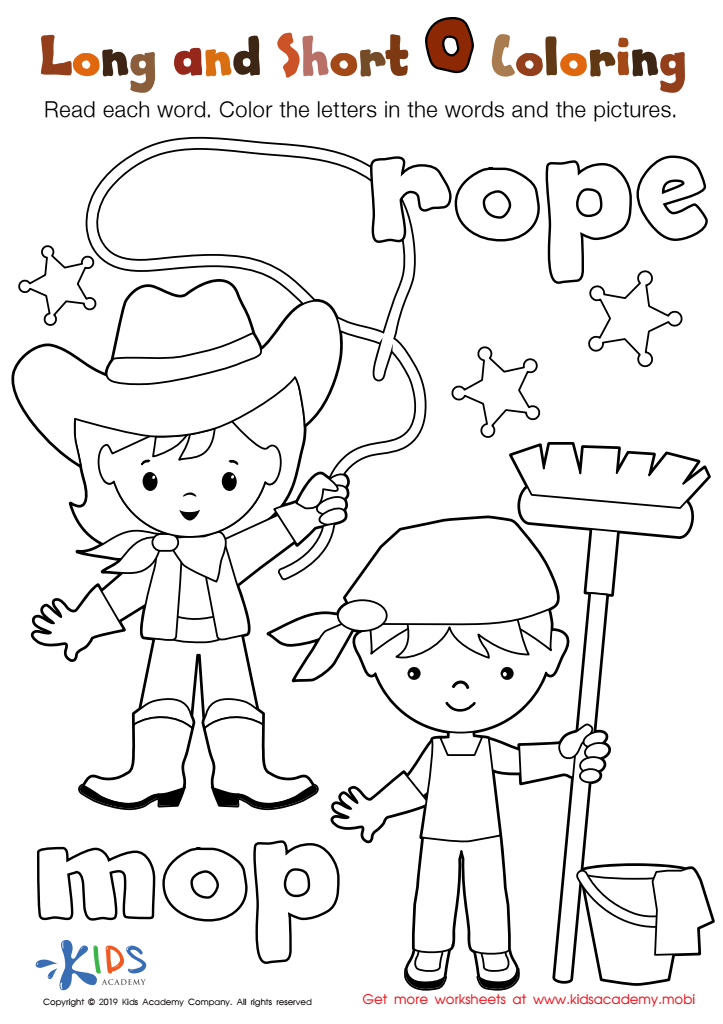
Long and Short O Worksheet
Assign to My Students
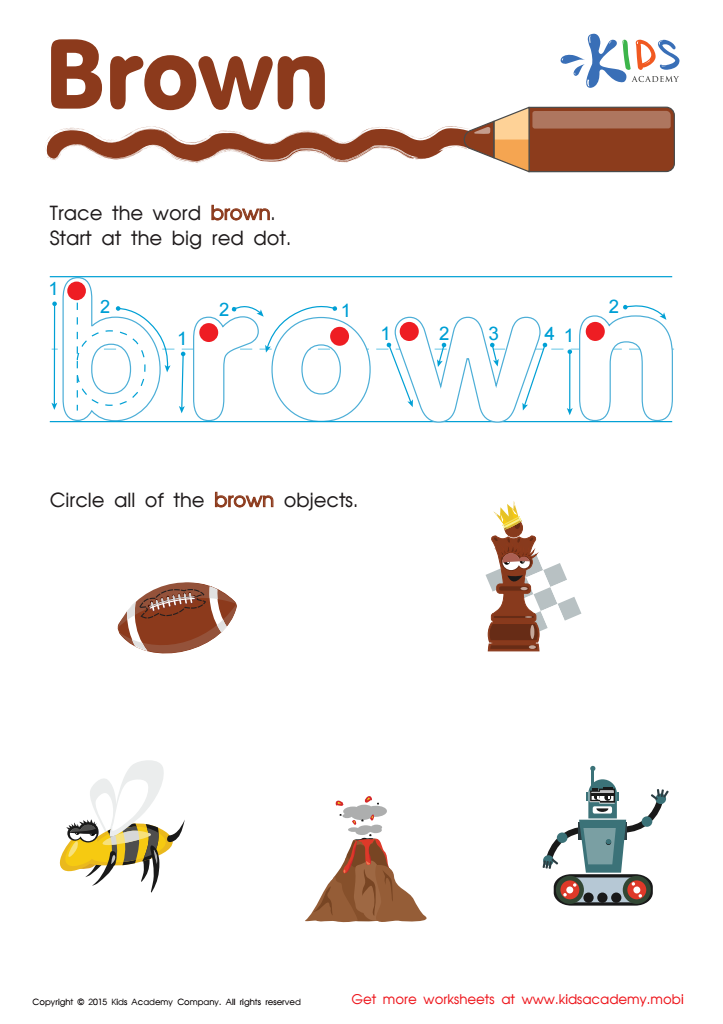
Brown Tracing Color Words Worksheet




Vocabulary expansion is crucial for young children aged 4-6, as it forms the foundation for their communication skills and overall literacy development. During these formative years, children are rapidly acquiring language, and the words they learn will significantly influence their ability to express thoughts, comprehend information, and engage with the world around them.
Parents and teachers should prioritize vocabulary building because a rich vocabulary enhances reading comprehension, making it easier for children to understand stories and information. When children can decode words, they become more confident readers. Furthermore, a broad vocabulary enhances verbal skills, enabling children to articulate their feelings and ideas more effectively.
At this age, children are naturally curious and eager to learn. Engaging them in conversations, reading a variety of books, and introducing new words through fun and interactive activities can foster a love for language. Establishing a strong vocabulary base lays the groundwork for future academic success across all subjects.
Additionally, effective communication is vital for social interactions. Children with diverse vocabulary are better equipped to make friends, resolve conflicts, and share experiences. Investing time in vocabulary expansion today will yield lifelong benefits, empowering children to thrive both in school and in their personal lives.