Alphabet sequencing Normal Worksheets for Ages 4-6
4 filtered results
-
From - To
Enhance your child's early literacy skills with our engaging Alphabet Sequencing Normal Worksheets, designed for ages 4-6. These worksheets help little learners understand the order of letters in the alphabet, promoting foundational reading skills. Through colorful, interactive activities, children will practice recognizing and sequencing letters, which is essential for effective reading and writing. Our carefully crafted resources make learning fun and accessible, ensuring kids stay motivated while mastering important literacy concepts. Perfect for classroom settings or home learning, these worksheets provide an essential step in your child's educational journey. Start building your child's confidence in reading with our Alphabet Sequencing resources today!
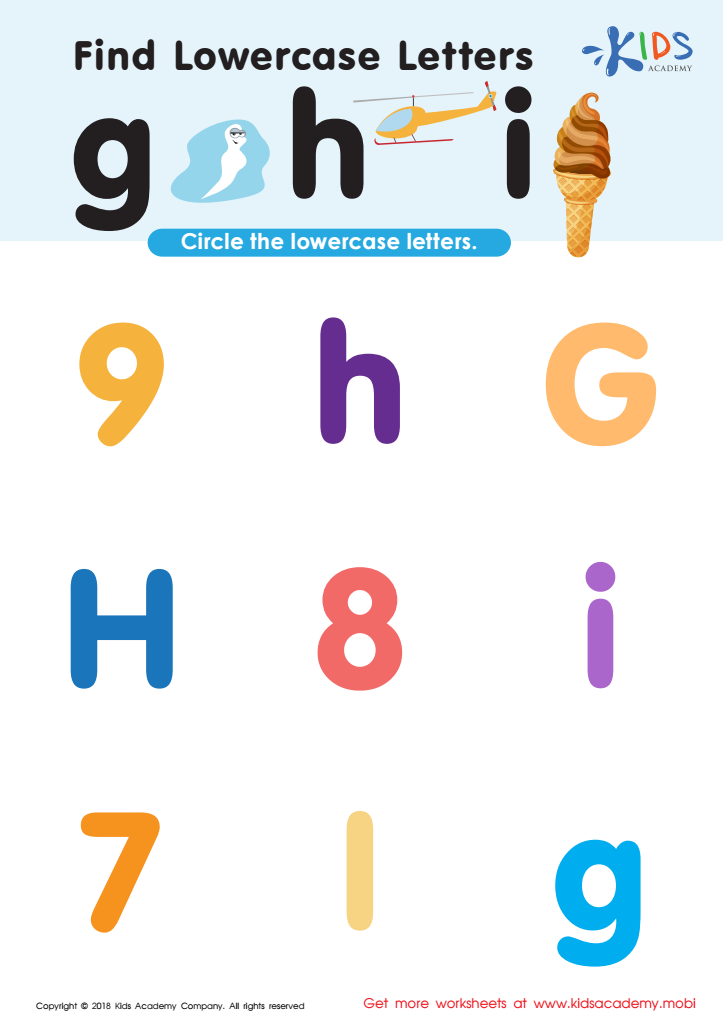
Find Lowercase Letters g h i Worksheet
 Assign to My Students
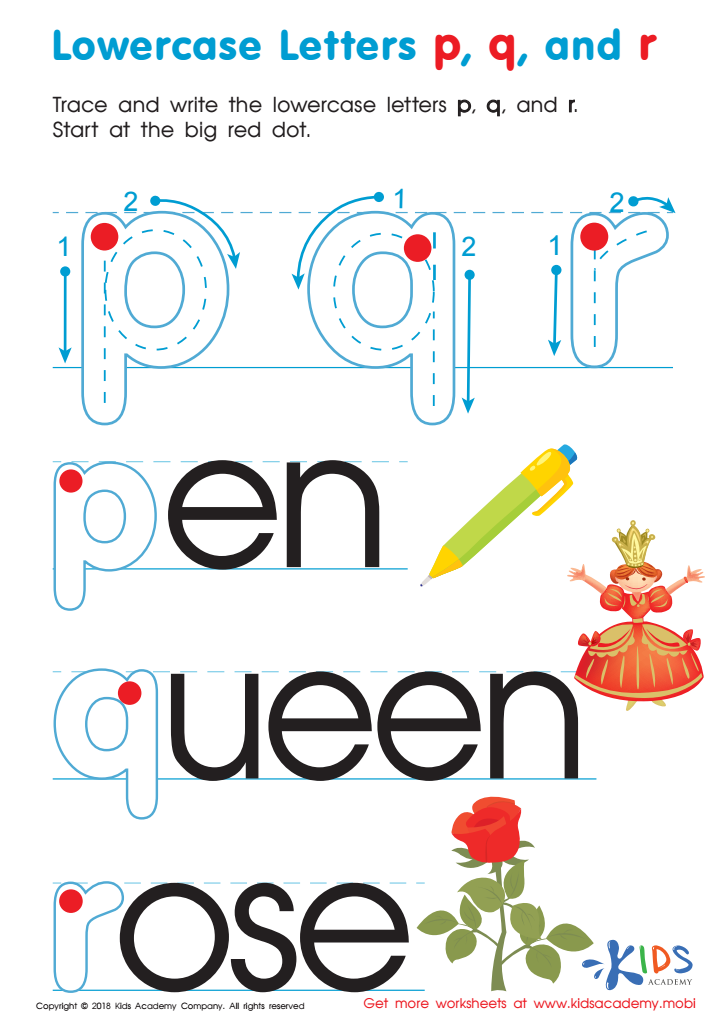
Lowercase Letters p q r Worksheet
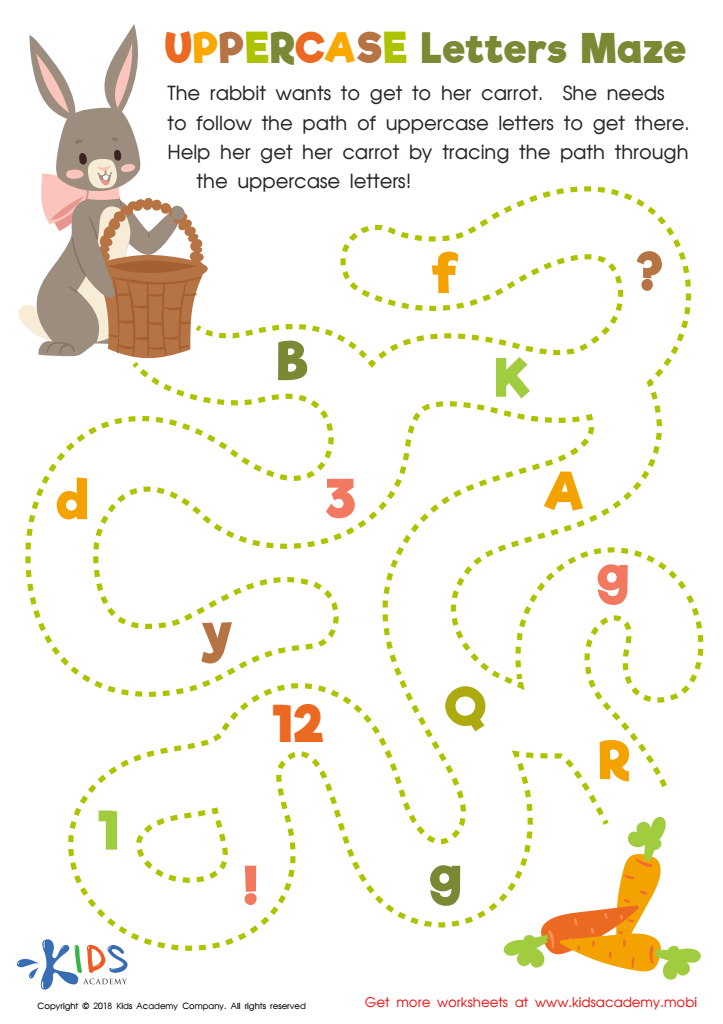
Uppercase Letters Maze Worksheet

Lowercase Letters j k l Worksheet








Alphabet sequencing is a crucial aspect of early literacy development for children aged 4-6, and it deserves attention from both parents and teachers for several reasons. First, understanding the correct order of the alphabet forms the foundation for literacy skills. It helps children recognize letters and their corresponding sounds, making tasks like reading and writing much more accessible as they progress through their education.
Moreover, mastering alphabet sequencing enhances children’s ability to organize and retrieve information. When kids can recite the alphabet fluently, they become more adept at sorting words and letters, aiding their spelling and vocabulary growth. This also fosters a sense of confidence as they engage with language, empowering them to explore new books and stories.
Additionally, alphabet sequencing contributes to cognitive development, boosting memory skills and enabling pattern recognition. Incorporating alphabet learning activities at home or in the classroom through songs, games, or art projects can make this process fun and engaging.
Ultimately, by emphasizing alphabet sequencing, parents and teachers lay a strong foundation for language skills that will support children throughout their academic journey, cultivating lifelong learners ready to tackle new challenges.








