Color recognition Normal Worksheets for Ages 4-6 - Page 2
33 filtered results
-
From - To
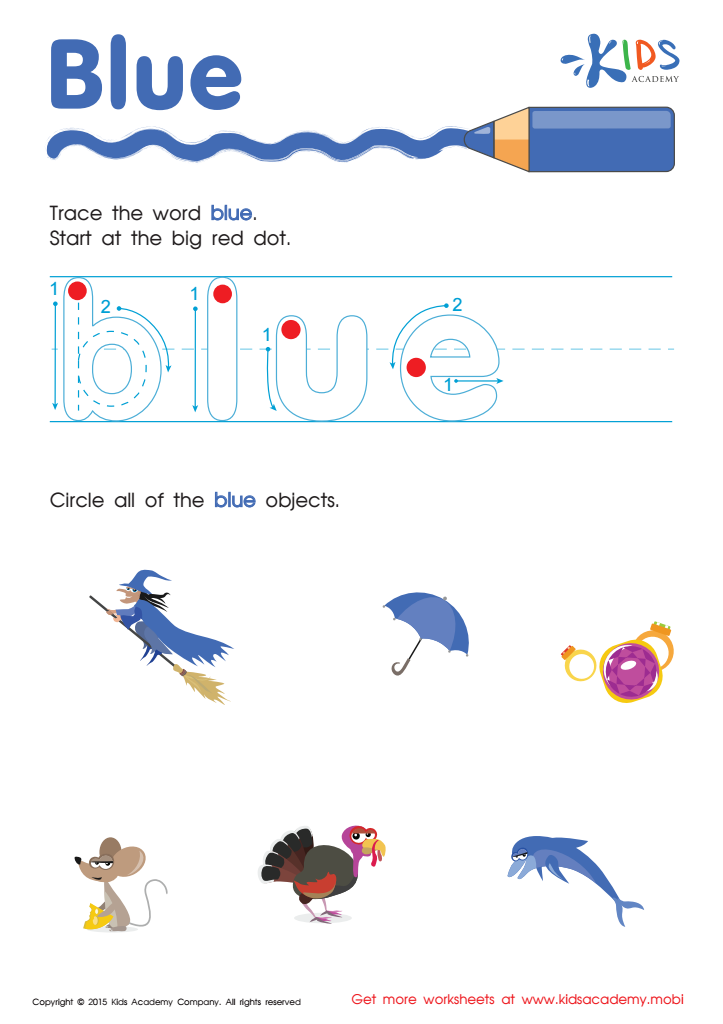
Blue Tracing Color Words Printable
Turkey Thanksgiving Day Worksheet
 Assign to My Students
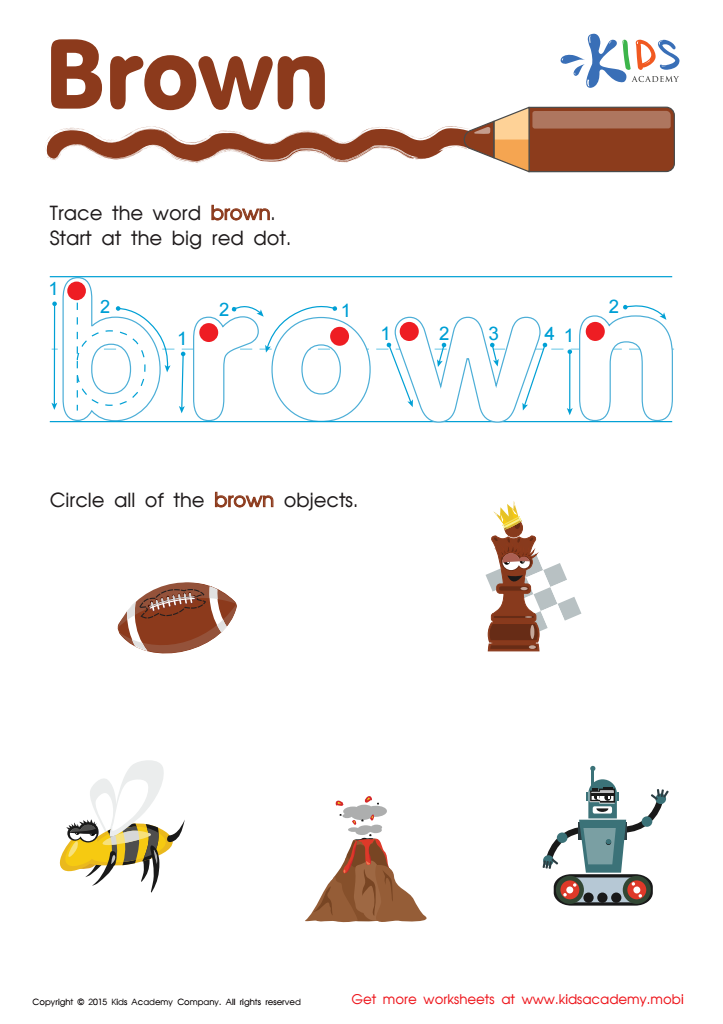
Brown Tracing Color Words Worksheet
Tower Coloring Page
Assign to My Students
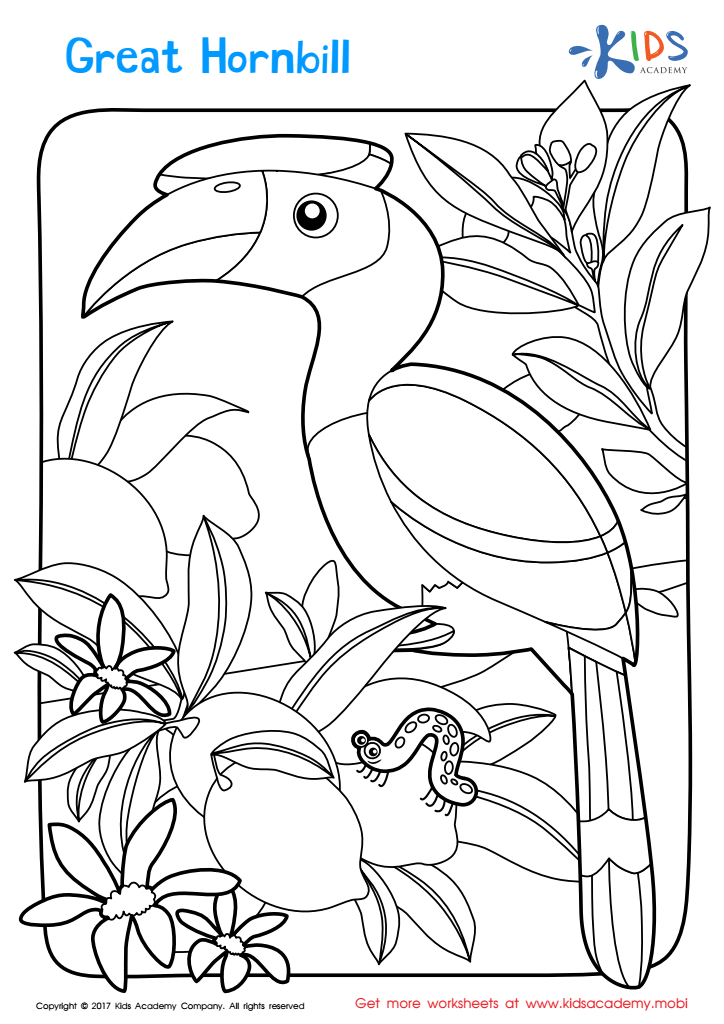
Great Hornbill Worksheet
Assign to My Students
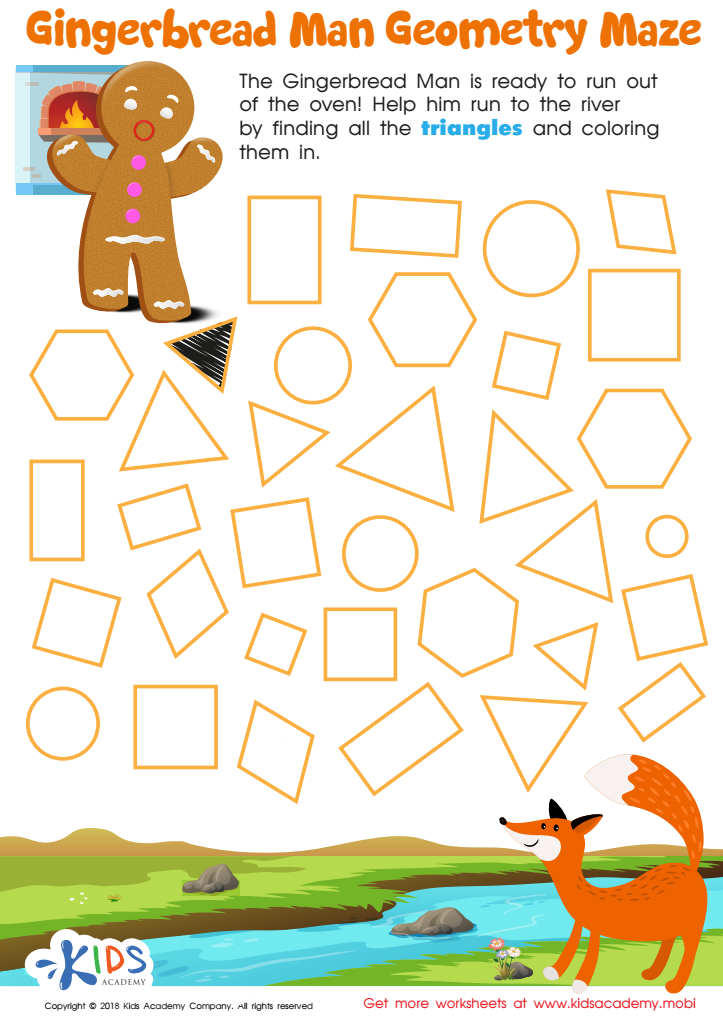
Gingerbread Man Geometry Maze Worksheet
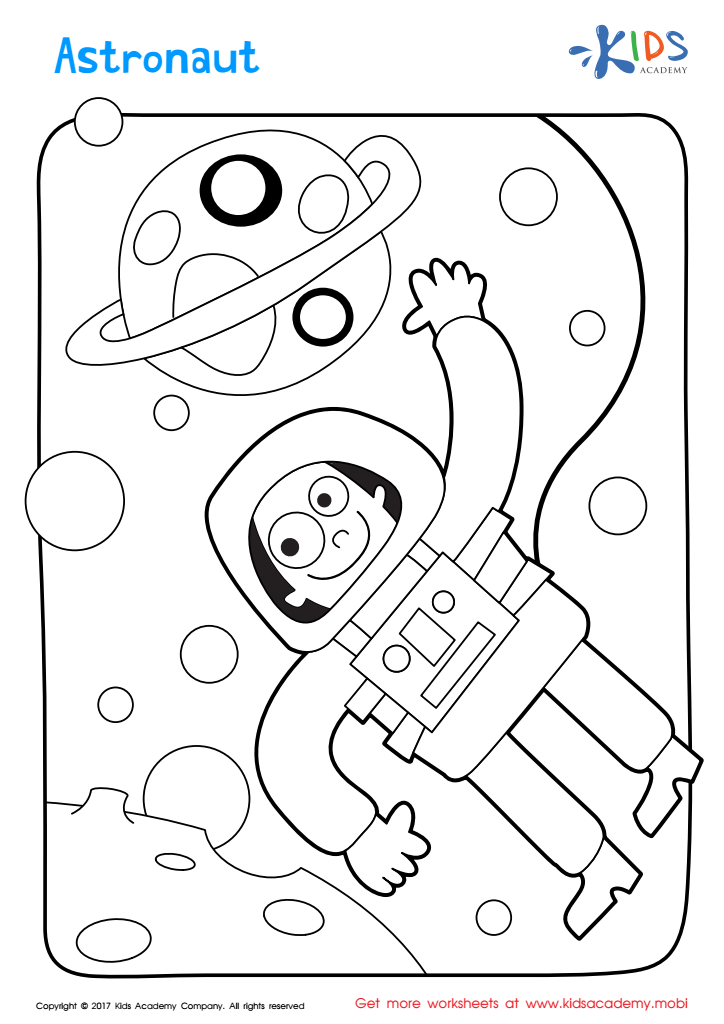
Astronaut Coloring Page
Assign to My Students
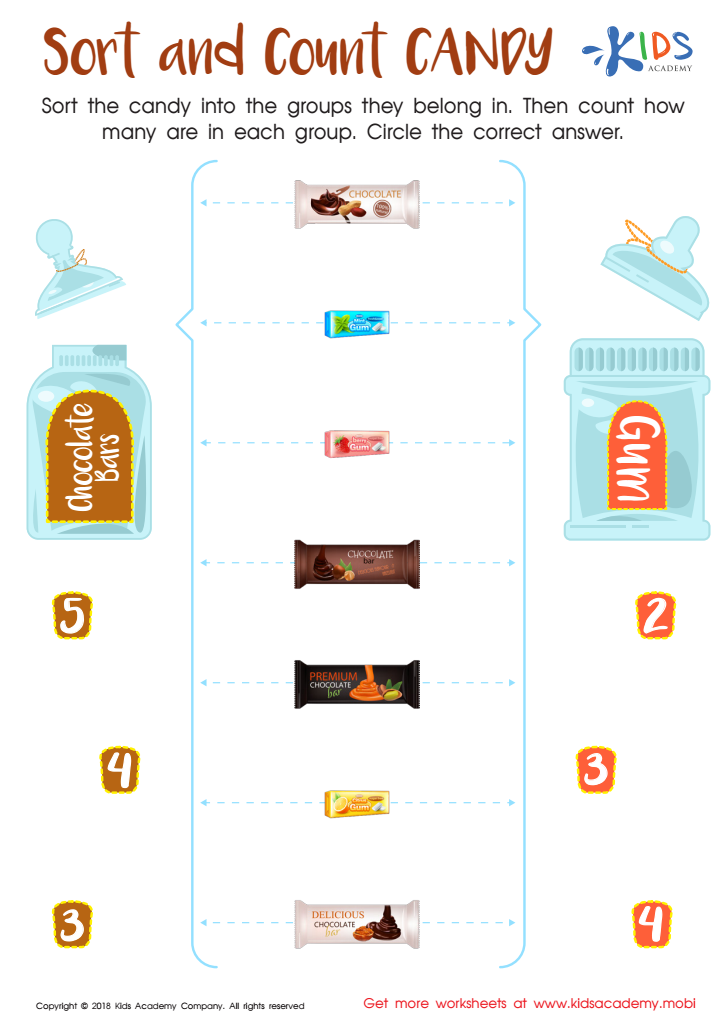
Sort and Count Candy Worksheet
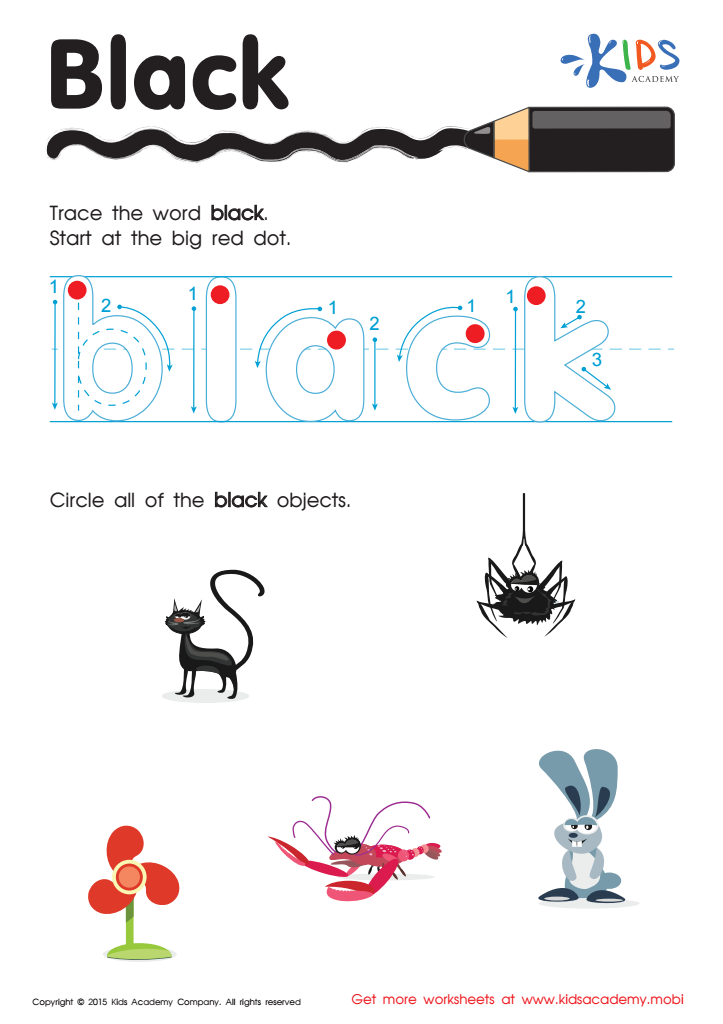
Black Tracing Color Words Printable








Color recognition is an essential developmental milestone for children aged 4-6, and both parents and teachers should prioritize it for several compelling reasons. Firstly, color recognition fosters cognitive development by enhancing a child's ability to differentiate, categorize, and make connections in their environment. Distinguishing between various colors lays the groundwork for complex thinking and problem-solving, fundamental skills in both academic and everyday contexts.
Moreover, understanding colors plays a vital role in language acquisition. When children learn the names and attributes of different colors, they expand their vocabulary and improve their descriptive language skills, which are critical for effective communication. This foundational knowledge also overlaps with early literacy, making storytelling and reading more engaging and comprehensible.
Socially, knowing colors helps children interact more effectively with peers and adults. Practical activities, like organizing toys by color or identifying traffic lights, are embedded in daily life, promoting independence and confidence. Additionally, color recognition supports artistic expression, nurturing creativity and self-expression through various art forms.
Finally, mastery of color recognition is often an indicator of healthy visual development. Any abnormality in this area may signal visual impairments that require attention. Thus, ensuring children achieve this milestone contributes not only to their intellectual and social development but also to their overall well-being.








