Counting skills Normal Worksheets for Ages 4-6 - Page 5
100 filtered results
-
From - To
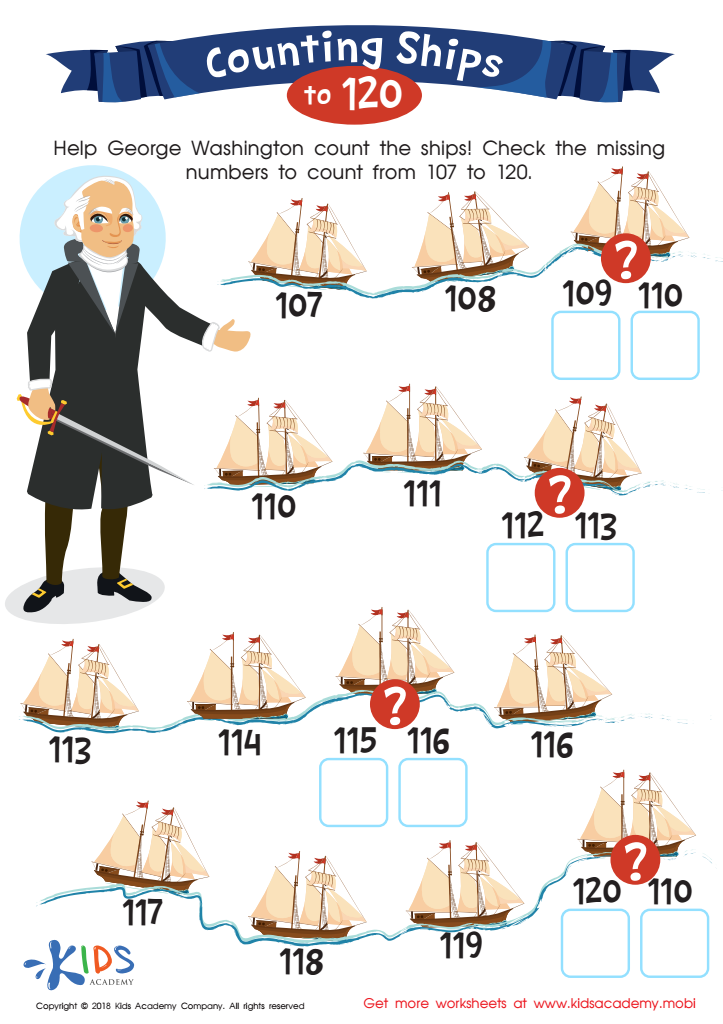
Counting Ships to 120 Worksheet
 Assign to My Students
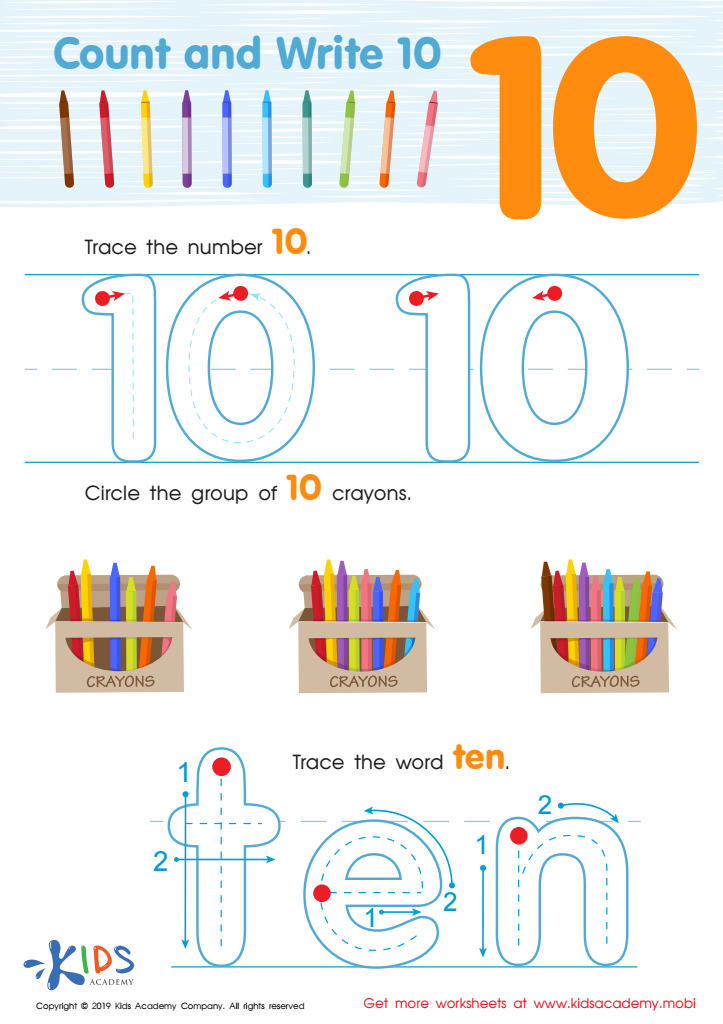
Count and Write 10 Worksheet
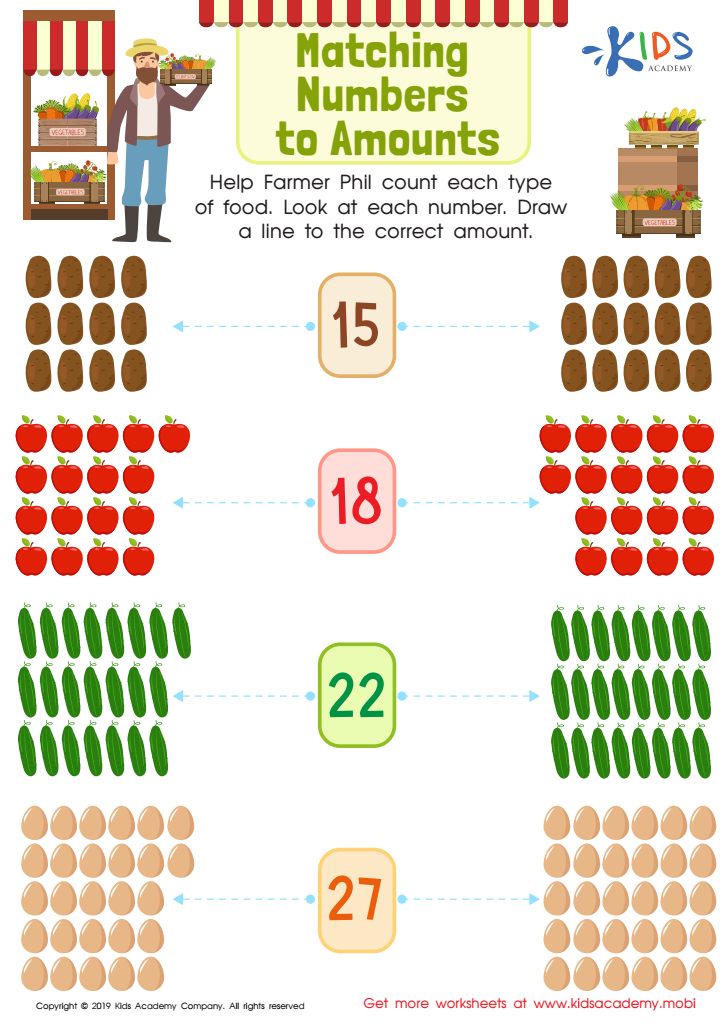
Matching Numbers to Amounts Worksheet
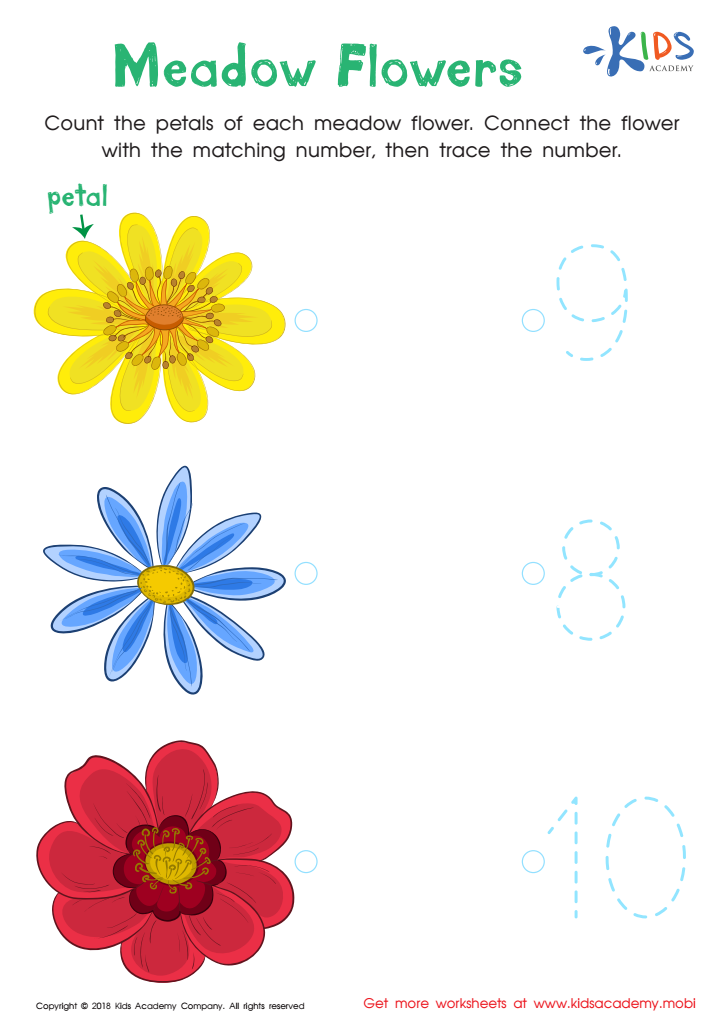
Kindergarten Number Tracing: Medow Flowers Worksheet







Counting skills for children aged 4-6 are foundational to their mathematical development and overall cognitive growth. At this stage, children begin to understand numbers and quantity, paving the way for future learning in mathematics and problem-solving. Mastery of counting helps kids develop their ability to recognize patterns, sort objects, and make comparisons, all of which are essential skills in everyday life.
Parents and teachers should care about fostering these skills because they significantly impact children's academic readiness. Counting is not just about numbers; it enhances children's fine motor skills when they manipulate counters or use objects for counting. Furthermore, engaging in counting activities fosters social skills as children often count together, encouraging collaboration and communication.
Additionally, strong counting skills at an early age build confidence in children's abilities, helping them approach more complex concepts later. By cultivating an environment rich in counting opportunities—like games, songs, and playful activities—parents and teachers can instill a love for mathematics from the outset. This early investment in counting skills not only contributes to better academic performance but also equips children with analytical-thinking capabilities they will use throughout their education and lives.








