Real-world application Normal Worksheets for Ages 4-6
3 filtered results
-
From - To
Introduce your child to the practical wonders of everyday learning with our Real-World Application Normal Worksheets for Ages 4-6. Specifically designed for preschool to kindergarten-aged kids, these engaging worksheets seamlessly blend fun with essential learning concepts. From identifying numbers in a grocery store setting to understanding time by reading clock faces, children will develop foundational skills contextualized through familiar real-life scenarios. Each worksheet is an adventure, making education interactive and relevant. Empower your child today, fostering confidence and a love for learning that extends beyond the classroom with these thoughtfully crafted resources. Download, print, and embark on a learning journey!
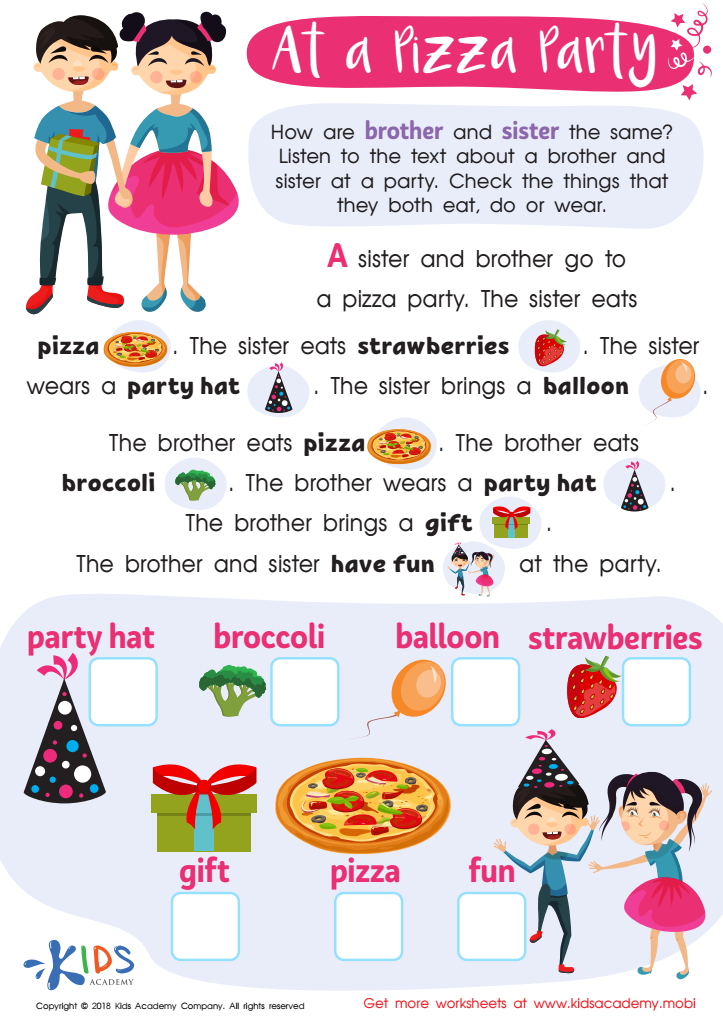
At a Pizza Party Worksheet
 Assign to My Students
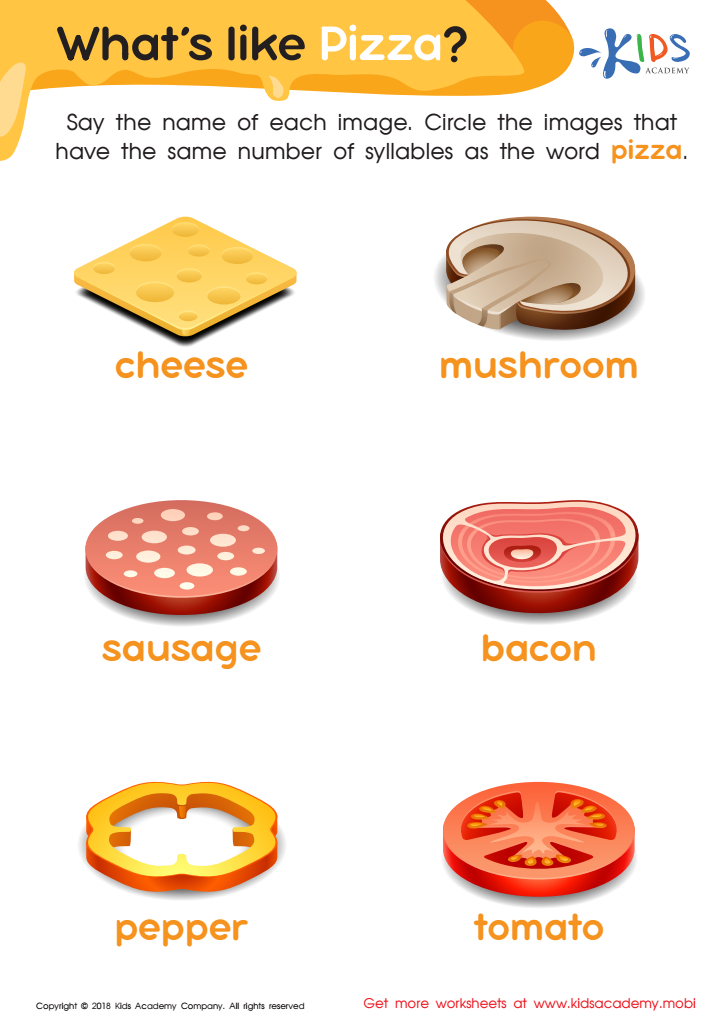
What's Like Pizza? Worksheet
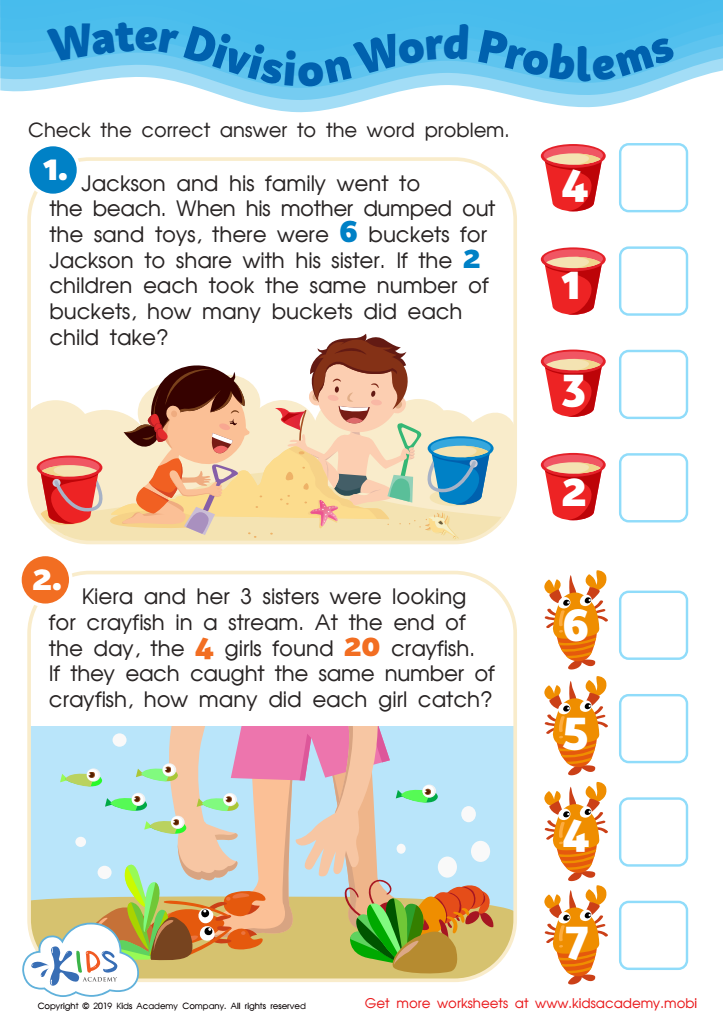
Water Division Word Problems Worksheet






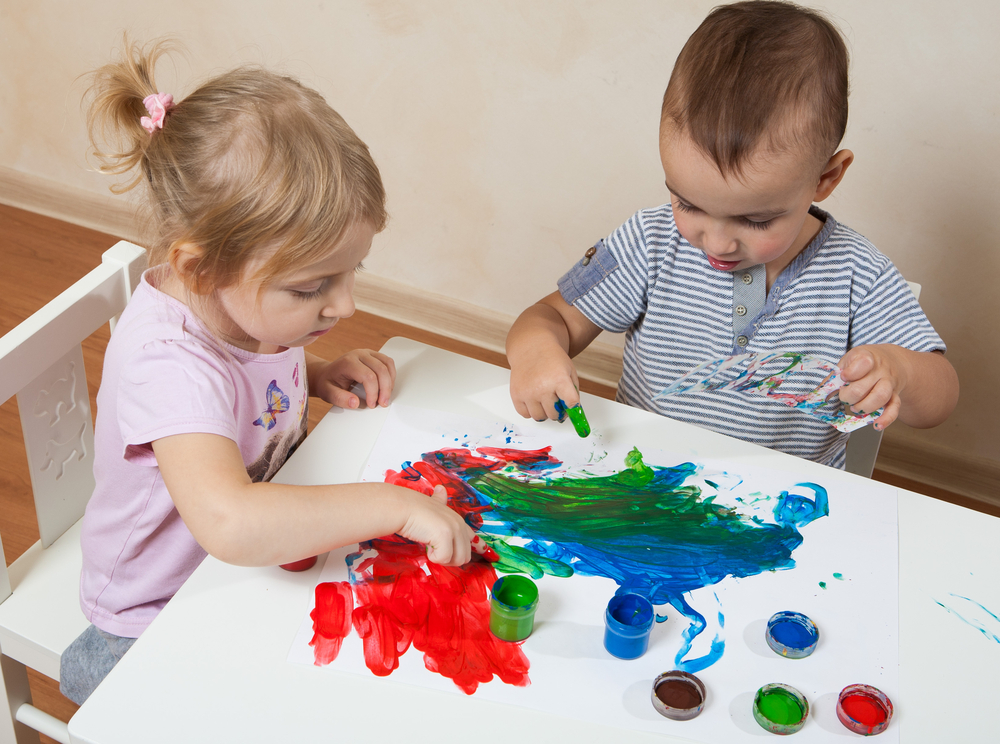
Parents and teachers should emphasize the importance of real-world applications of learning for children aged 4-6 to foster both engagement and practical understanding. At this developmental stage, young minds are incredibly receptive to new information and experiences, making it an optimal time to introduce concepts that will serve them in everyday life.
Firstly, when children see how their learning applies to real-world scenarios, they tend to find the material more interesting and engaging. For instance, using play money to practice basic math skills helps children understand the practical value of counting and addition. This kind of contextual learning can enhance memory retention and make abstract concepts easier to grasp.
Secondly, real-world applications help in developing critical life skills, such as problem-solving, decision-making, and social interactions. Activities like gardening can teach kids about science and responsibility, while cooking simple recipes can introduce basic math and following instructions.
Furthermore, bridging the gap between schooling and the outside world lays a foundation for lifelong learning. It encourages curiosity and demonstrates the relevance of education beyond the classroom.
In essence, focusing on real-world applications nurtures well-rounded, more adaptable children who are better prepared for future academic and life challenges. It also strengthens the connection between learning and life, making both more meaningful and enjoyable for young minds.








