Shape identification Normal 2D Shapes Worksheets for Ages 4-6
4 filtered results
-
From - To
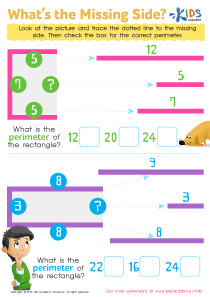
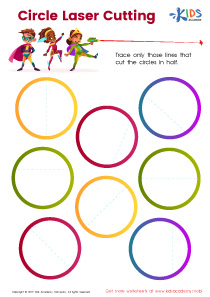
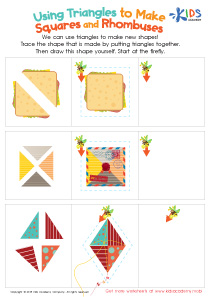
Introduce your child to the world of geometry with our Shape Identification 2D Shapes Worksheets, tailored for ages 4-6. These engaging, colorful printables are perfect for early learners to identify and differentiate common 2D shapes like circles, squares, and triangles. Designed by educational experts, our worksheets help kids develop crucial skills such as hand-eye coordination, fine motor abilities, and spatial awareness. Ideal for home or classroom use, they turn shape recognition into a fun and interactive activity, laying a strong foundation for future math success. Explore our collection and make learning enjoyable for your little one!
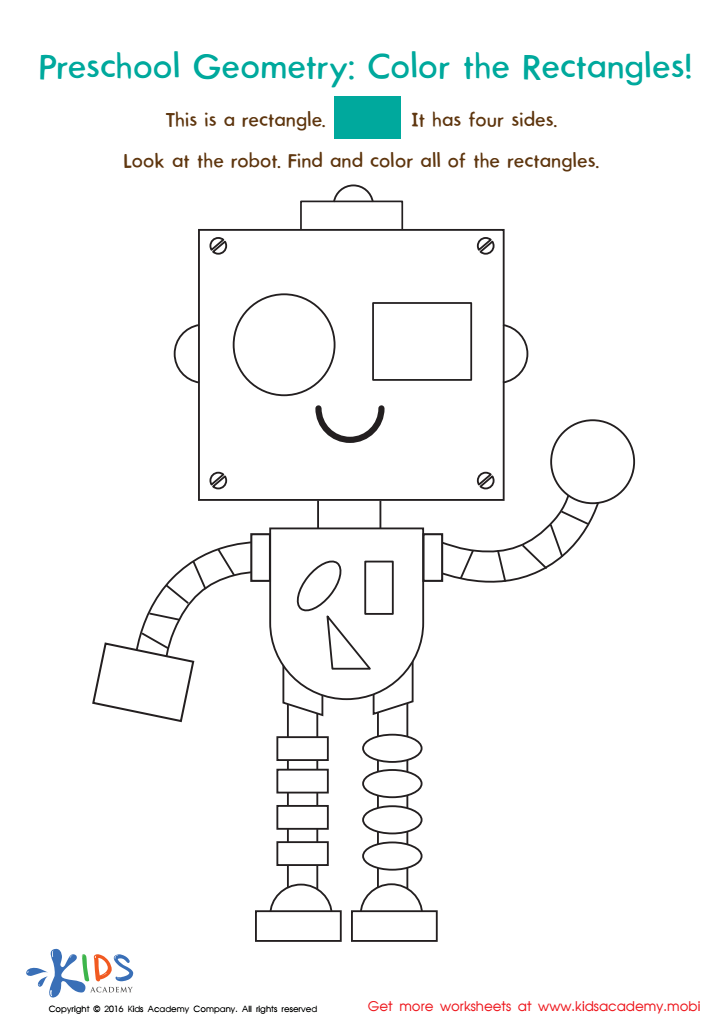
Geometry Worksheet
 Assign to My Students





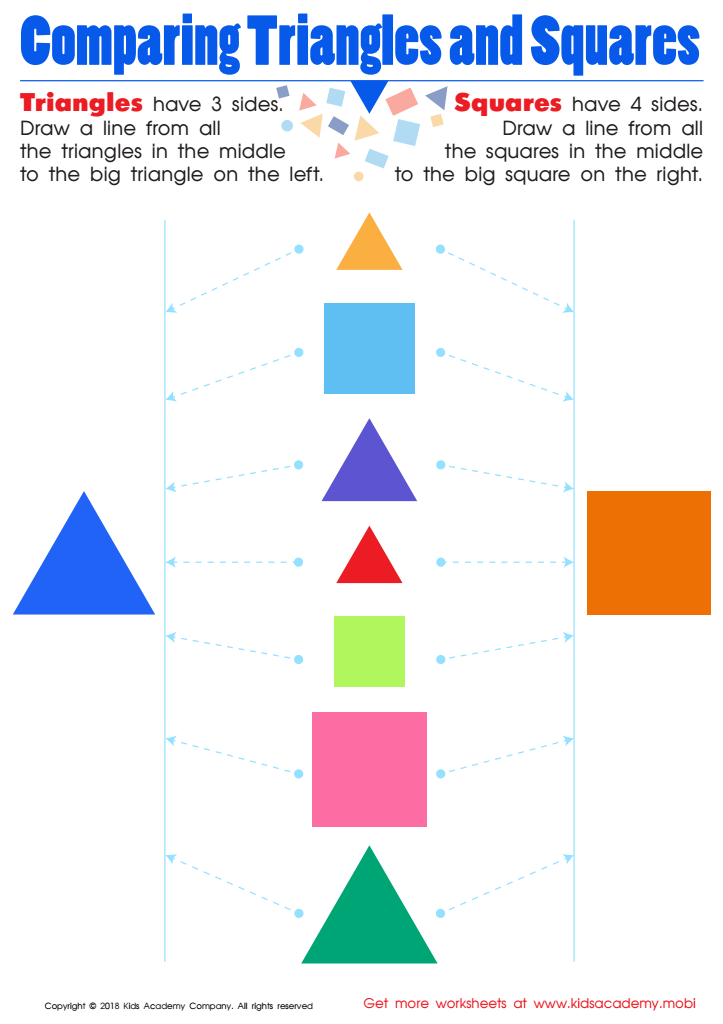
Comparing Triangles Squares Worksheet
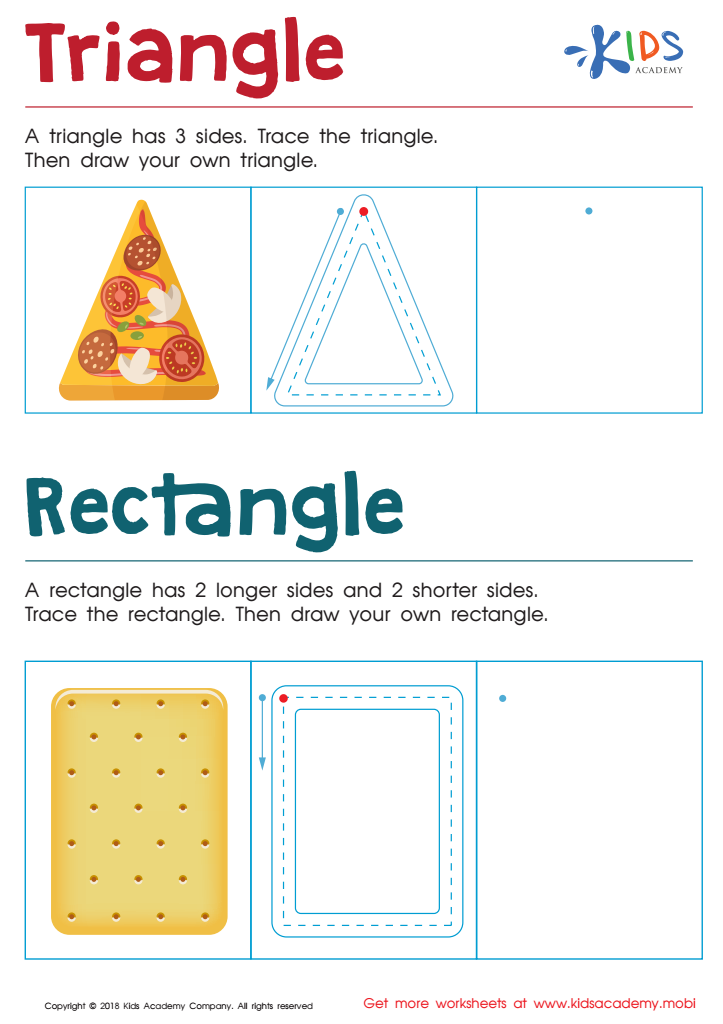
Triangle Rectangle Worksheet
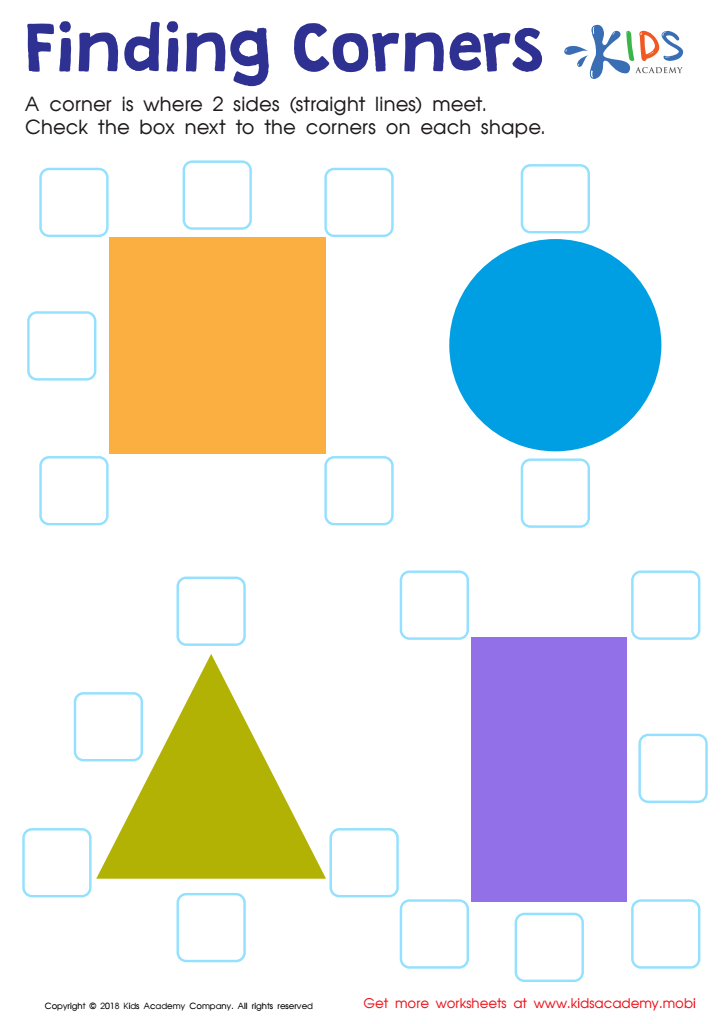
Finding Corners Worksheet








Shape identification for children aged 4-6 is a fundamental skill with long-lasting benefits for cognitive and academic development. Firstly, recognizing and distinguishing between basic 2D shapes like circles, squares, triangles, and rectangles enhances visual-spatial skills. These skills are essential for understanding more complex mathematical concepts as children progress in their education.
Additionally, shape identification is pivotal in language development. By naming and describing shapes, children enrich their vocabulary and improve their communication skills. These conversations provide a foundation for more advanced descriptive and analytical thinking.
Moreover, understanding shapes aids in developing early problem-solving skills. When children sort, match, and classify shapes, they begin to grasp patterns and relationships, such as symmetry and geometry, which are crucial in various STEM (Science, Technology, Engineering, and Math) subjects.
Shape identification also supports fine motor skills. Handling and manipulating different shapes during play boosts hand-eye coordination and dexterity, essential for writing and other precise tasks.
Furthermore, emotional and social growth can be nurtured through group activities involving shapes. Cooperative games and puzzle-solving can foster teamwork, patience, and perseverance.
In summary, early proficiency in recognizing 2D shapes is essential for broad educational, developmental, and social benefits, laying the groundwork for future learning and growth.