Number Recognition Normal Addition and Subtraction Word Problems Worksheets for Ages 4-6
5 filtered results
-
From - To
Enhance your child's early math skills with our Number Recognition, Normal Addition, and Subtraction Word Problems Worksheets designed for ages 4-6. Our expertly crafted worksheets not only make learning fun but also build a strong foundation in number recognition and basic arithmetic. Perfect for young learners, these printable math problems guide children through real-life scenarios that promote critical thinking and problem-solving abilities. Foster a love for math and boost confidence through engaging, age-appropriate exercises that turn learning into a joyful adventure. Equip your preschooler or kindergartener with the skills they need to excel in math and beyond.
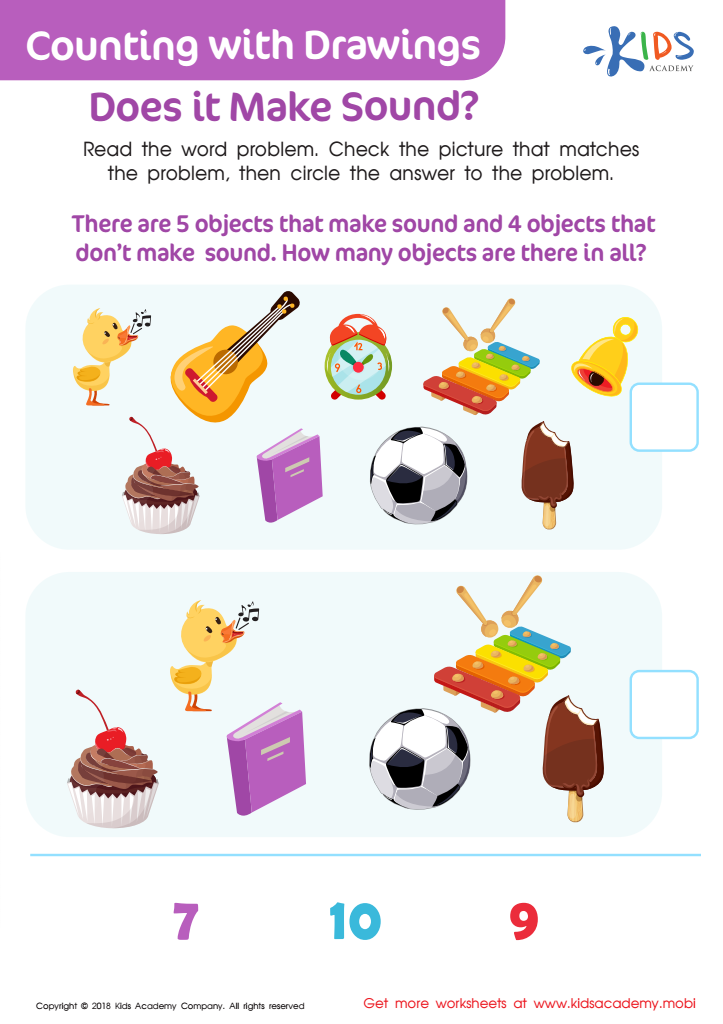
Counting With Drawings. Does It Make Sound? Worksheet
 Assign to My Students
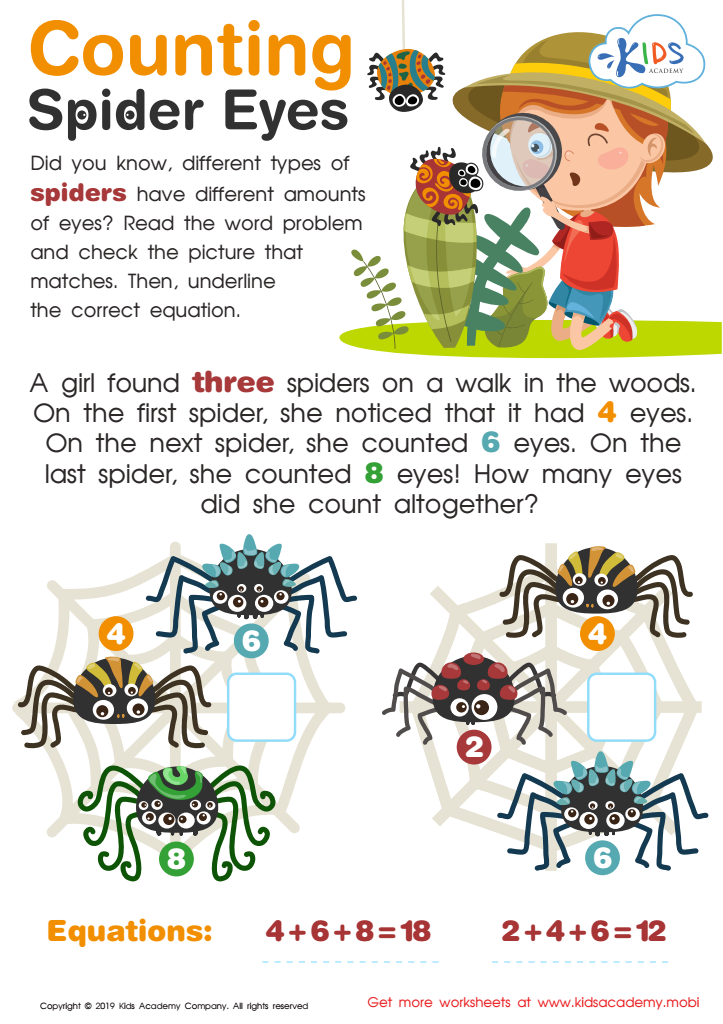
Counting Spider Eyes Worksheet
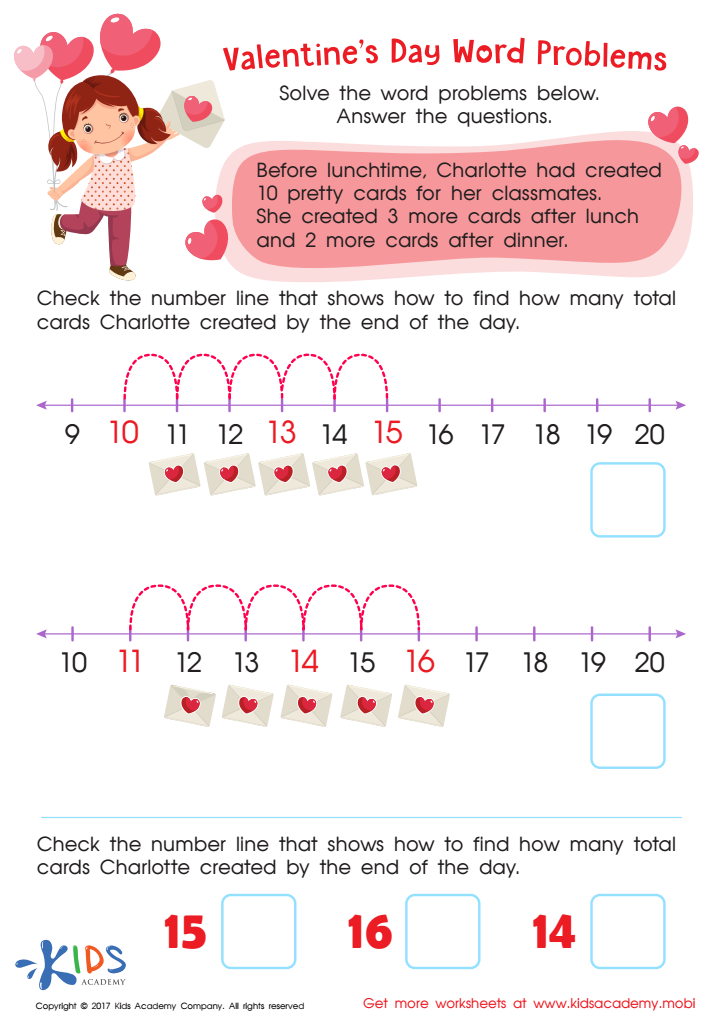
Valentines Day Word Problem Worksheet
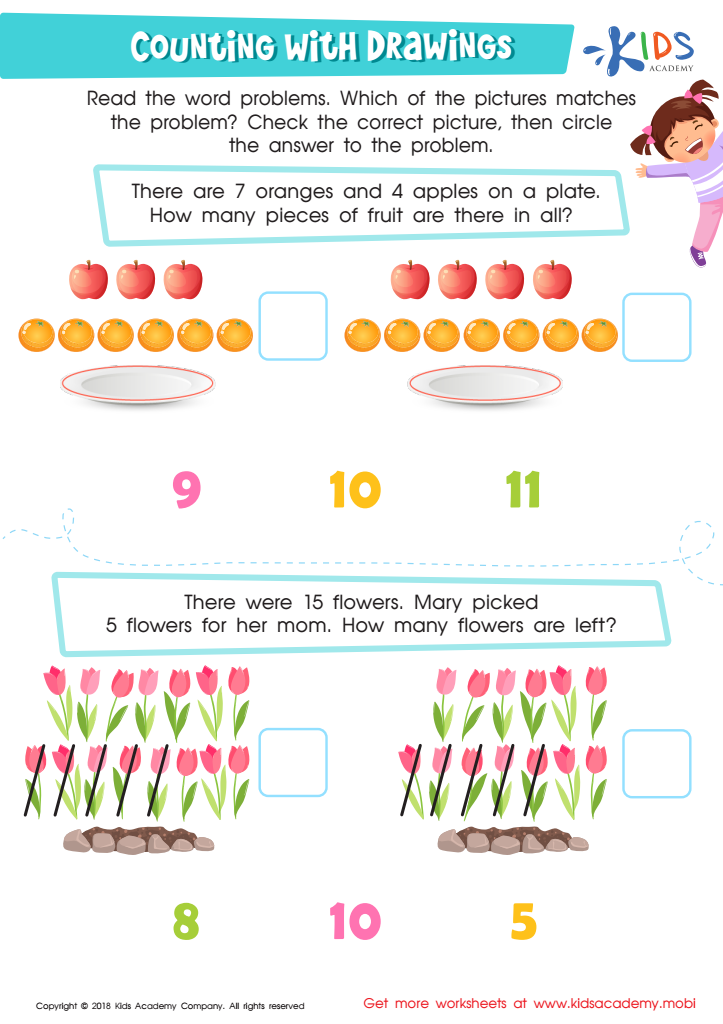
Counting with Drawings: Fruits & Chocolates Worksheet
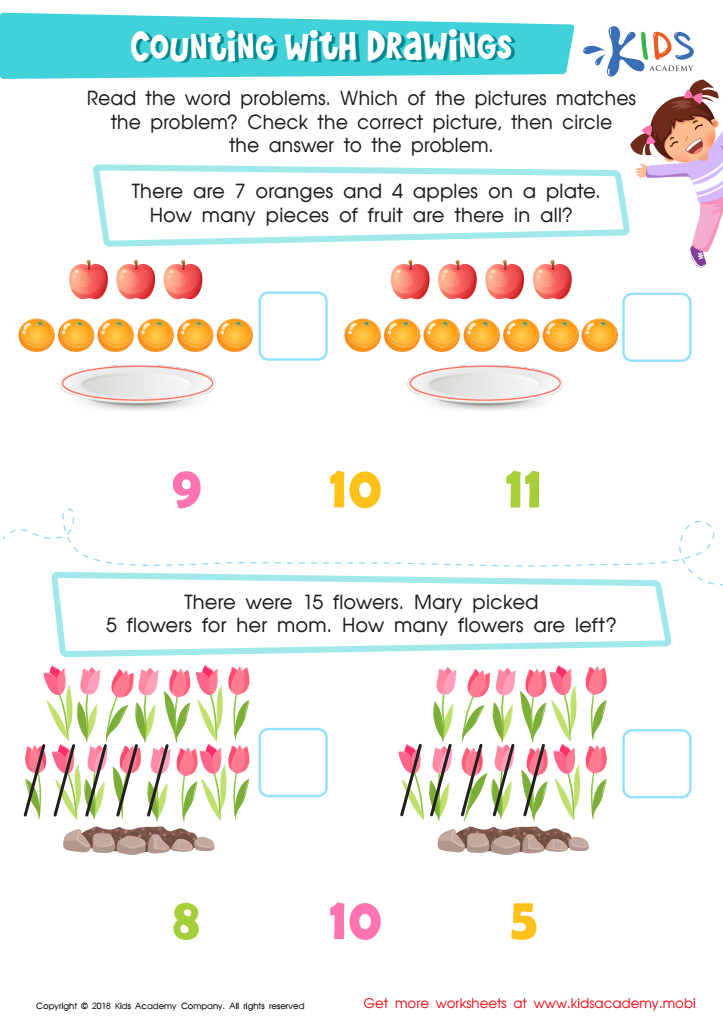
Counting with Drawings:Fruits & Flowers Worksheet








Number recognition and basic arithmetic problem solving, such as normal addition and subtraction, are foundational skills that set the stage for a child's future success in more complex mathematical concepts. For children ages 4-6, it is essential that parents and teachers focus on these areas for several reasons.
First, number recognition is the gateway to numerical literacy. Without the ability to recognize numbers and understand their value, children struggle with even the simplest mathematical tasks. This basic skill encourages confidence and curiosity in young learners, preparing them to tackle more complicated subjects later on.
Second, normal addition and subtraction word problems help develop critical thinking and problem-solving abilities. By interpreting and solving these problems, children enhance their comprehension, analytical, and sequencing skills. Word problems, in particular, help children contextualize math in real-life scenarios, making the subject more meaningful and practical.
Finally, early mastery of these skills boosts academic self-esteem. Children who grasp basic arithmetic early are more likely to succeed in school because they experience less frustration and more enjoyment in learning. Teachers and parents who prioritize these skills provide a strong educational foundation, fostering a positive attitude toward math and learning overall. Therefore, investing time and energy into teaching number recognition and simple arithmetic is crucial for young children's academic and personal development.