Mental math practice Normal Addition Facts Worksheets for Ages 4-6
3 filtered results
-
From - To
Boost your child's math skills with our engaging Mental Math Practice Normal Addition Facts Worksheets for ages 4-6. These worksheets focus on building a solid foundation in addition by encouraging young learners to practice and master basic addition facts. Created to support early learning, our delightful and easy-to-use worksheets enhance critical thinking and problem-solving abilities. Each worksheet is designed with youthful themes and captivating visuals, making learning both fun and effective. Perfect for preschoolers and kindergarteners, our addition worksheets aim to create confident, eager, and skilled young mathematicians. Discover the joy of learning with Kids Academy!
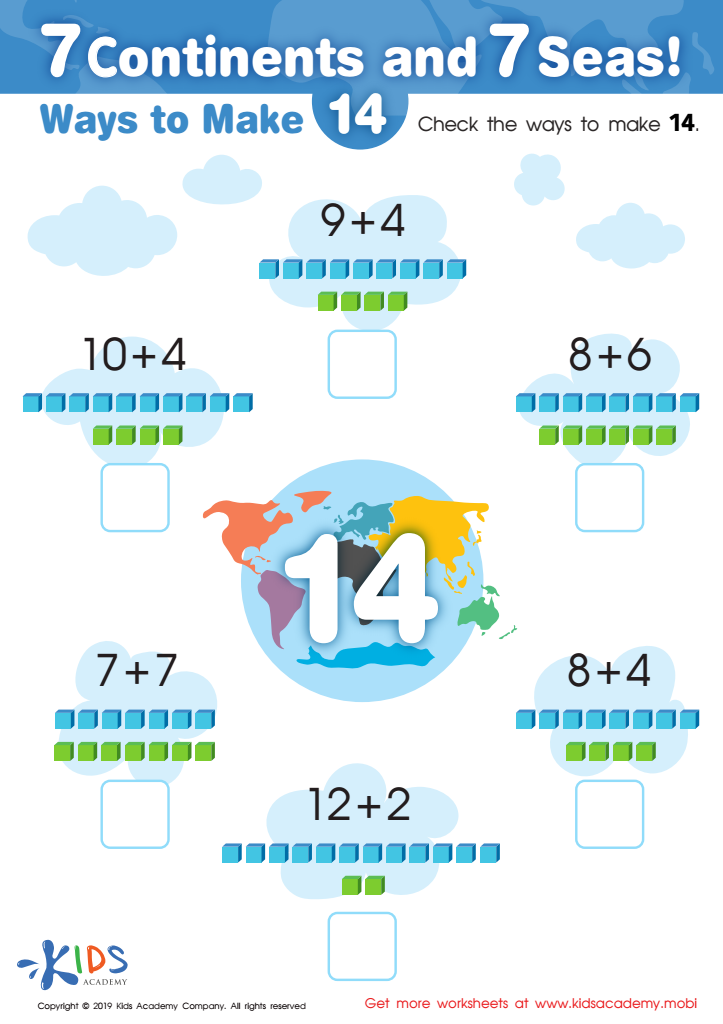
7 Continents and 7 Seas Worksheet
 Assign to My Students
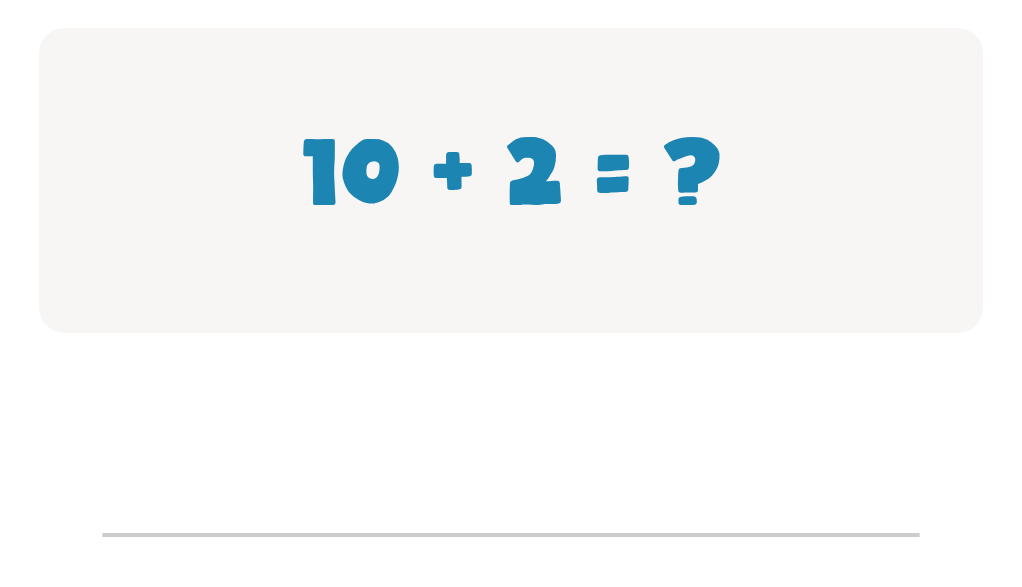

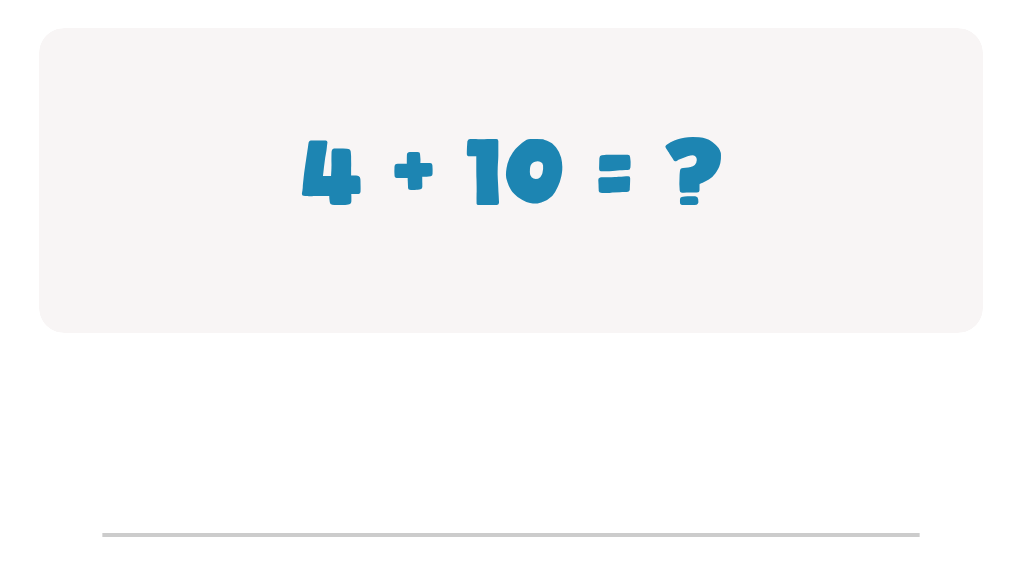
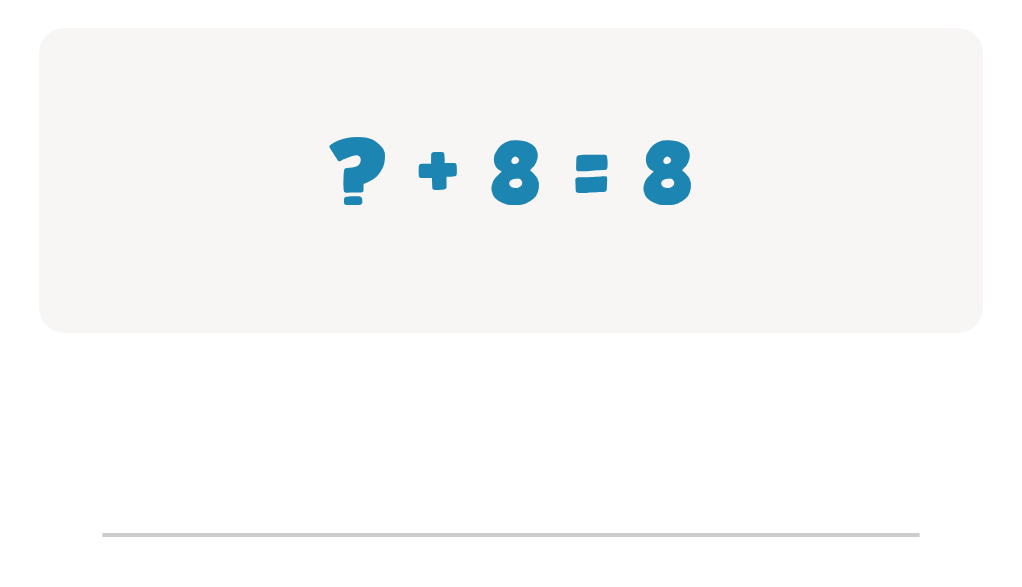
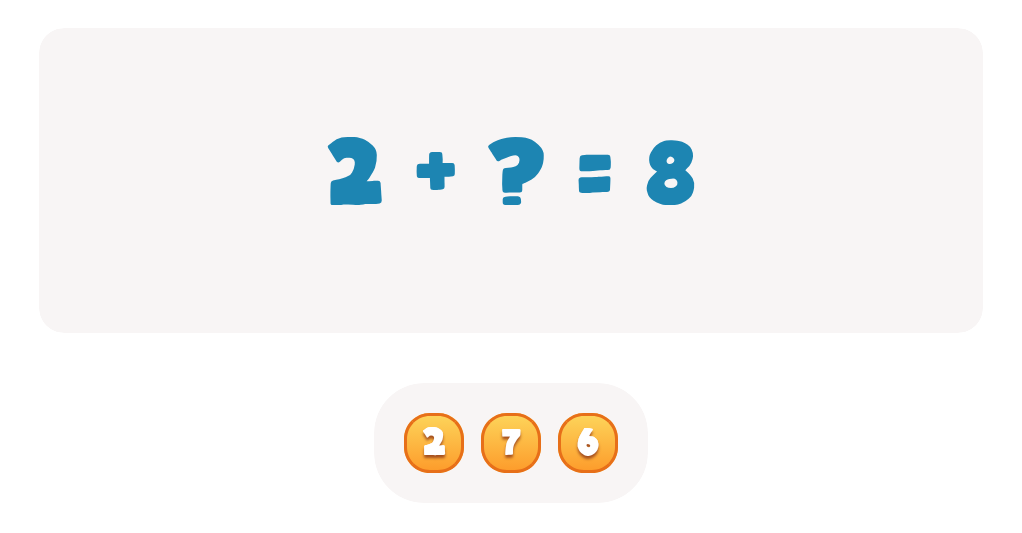
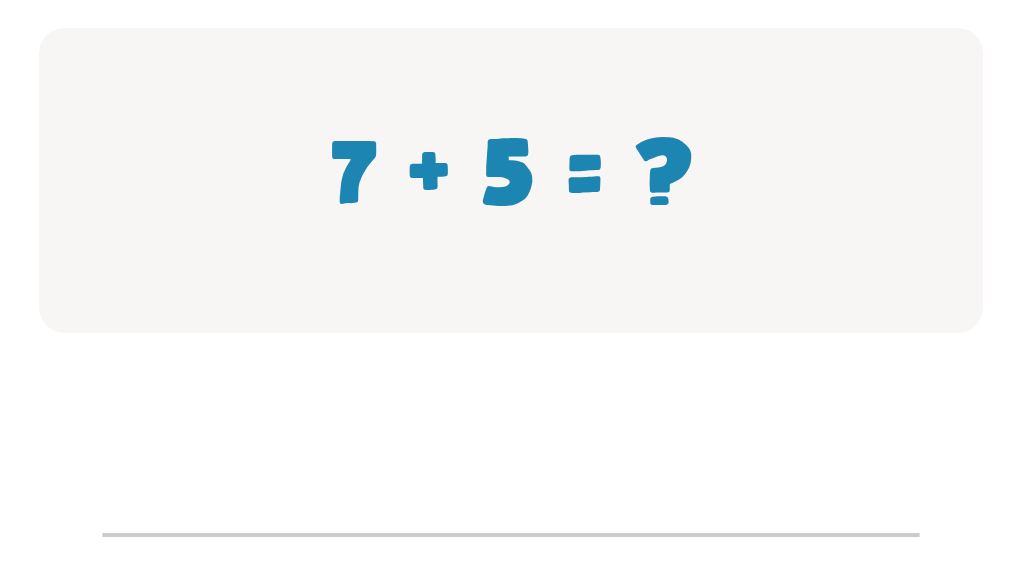
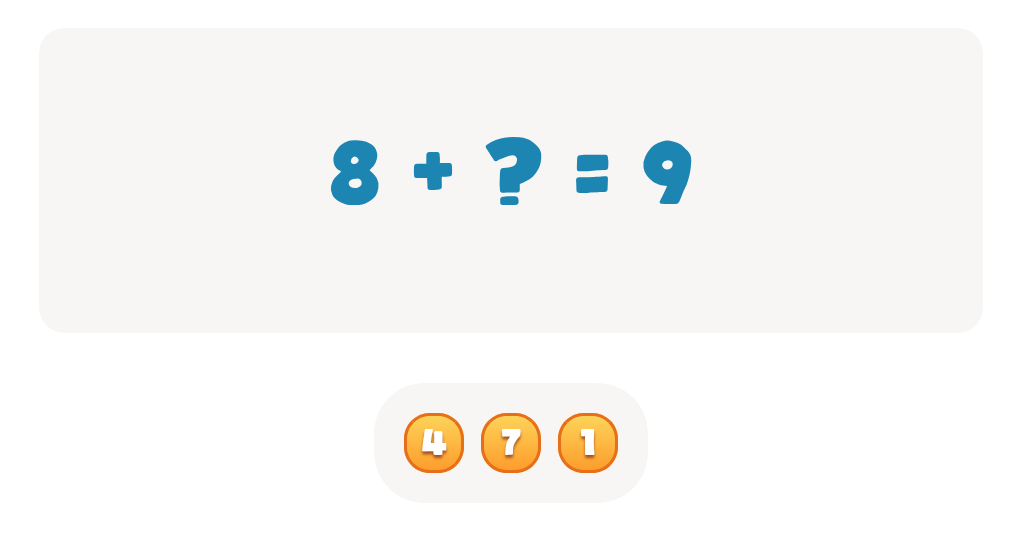

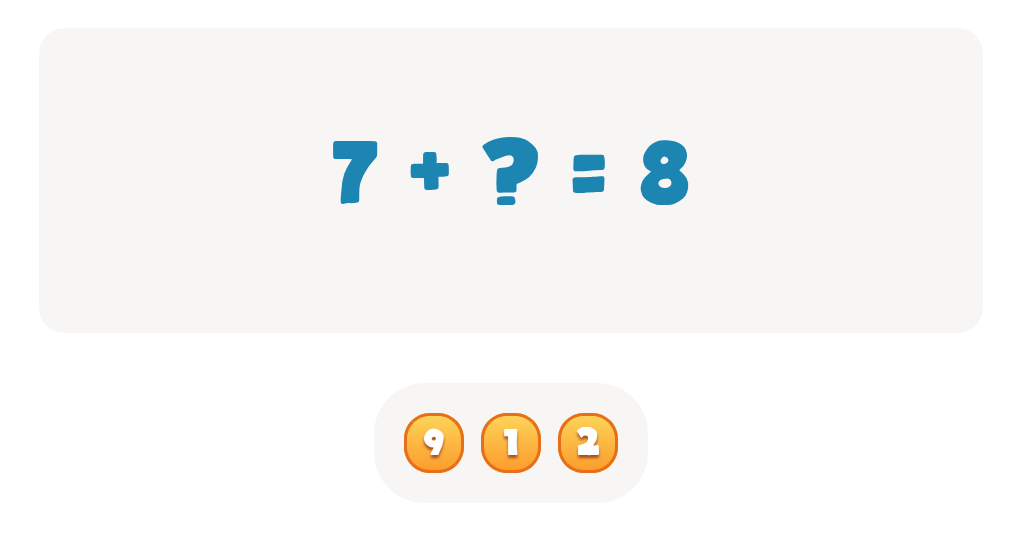
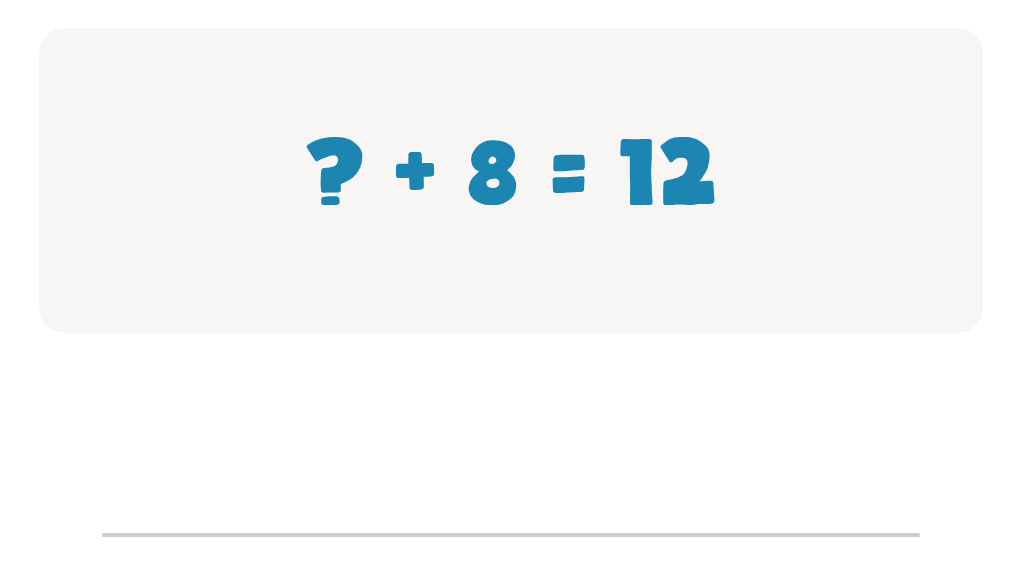
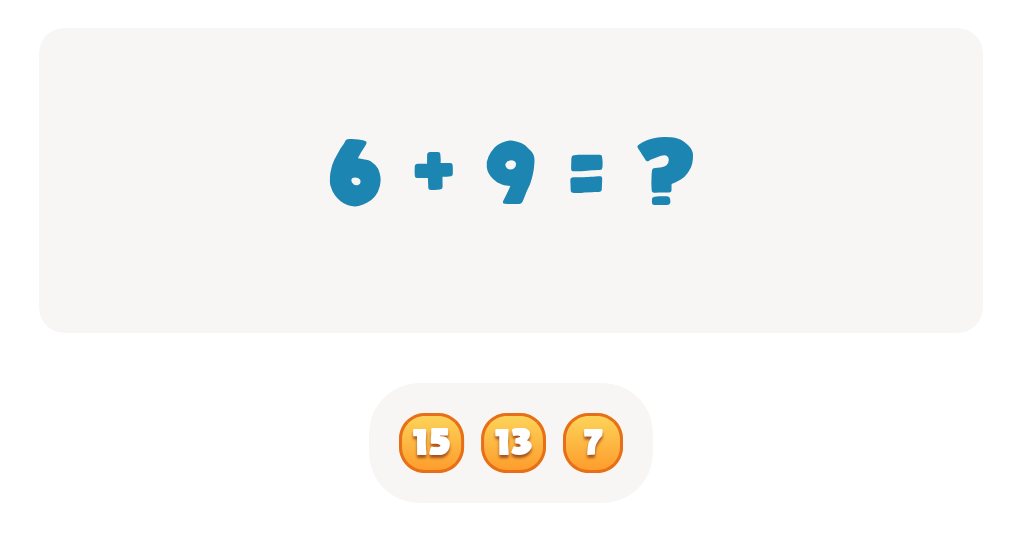
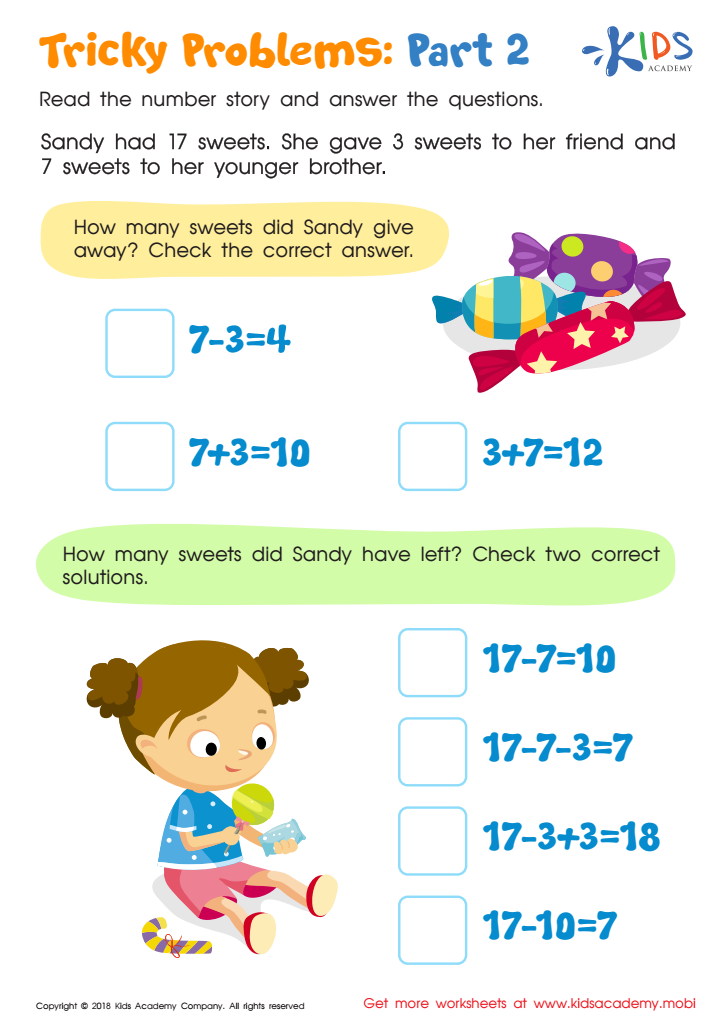
Tricky Problems Worksheet: Part 2
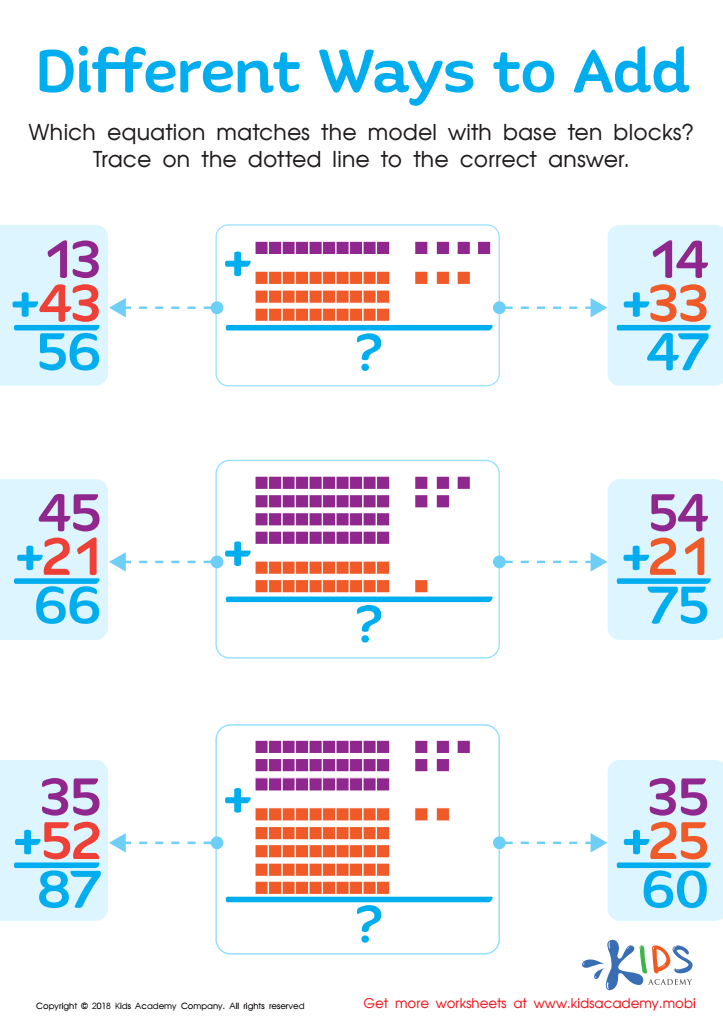
Different Ways to Add Worksheet



.jpg)




Mental math practice of normal addition facts for children aged 4-6 is crucial in laying a strong foundation for their mathematical learning and overall cognitive development. Parents and teachers should care about this for several key reasons:
Firstly, mastering addition facts at an early age builds confidence in young learners. When children are able to recall basic facts quickly, they feel a sense of accomplishment which reduces anxiety around math tasks as they advance to more complex concepts.
Secondly, mental math enhances cognitive function, improving memory, concentration, and problem-solving skills. This practice stimulates brain development and encourages the neural pathways responsible for numerical processing and logical thinking.
Thirdly, early proficiency in mental arithmetic sets the stage for future academic success. As math is a cumulative subject, understanding and recall of basic addition can make the learning curve for subtraction, multiplication, and division easier to handle.
Fourthly, it promotes a love for math by presenting it in an age-appropriate and engaging manner. Utilizing games and interactive practices can make learning addition enjoyable, turning potential frustration into fun discovery.
Lastly, math skills are essential for everyday life. Early immersion in fundamental math helps children develop practical life skills, such as understanding time, measuring ingredients, and basic budgeting, all of which foster independence and critical thinking.
Investing time in mental math practice today sets the children up for lifelong skills, academic confidence, and a positive attitude towards learning.








