Understanding directions Normal Math Worksheets for Ages 4-6
3 filtered results
-
From - To
Discover our "Understanding Directions" Normal Math Worksheets for ages 4-6, designed to enhance young children's comprehension of directional words and concepts. These engaging worksheets help preschoolers and kindergartners learn through colorful illustrations and fun exercises, fostering critical thinking and listening skills. With activities that incorporate basic directional terms such as “up," "down," "left," and "right,” children will gain confidence in following instructions while developing their early math proficiency. Perfect for both classroom and home learning, our worksheets offer a seamless blend of educational content and play. Start your child's journey towards mastering directions with our thoughtfully crafted resources today!
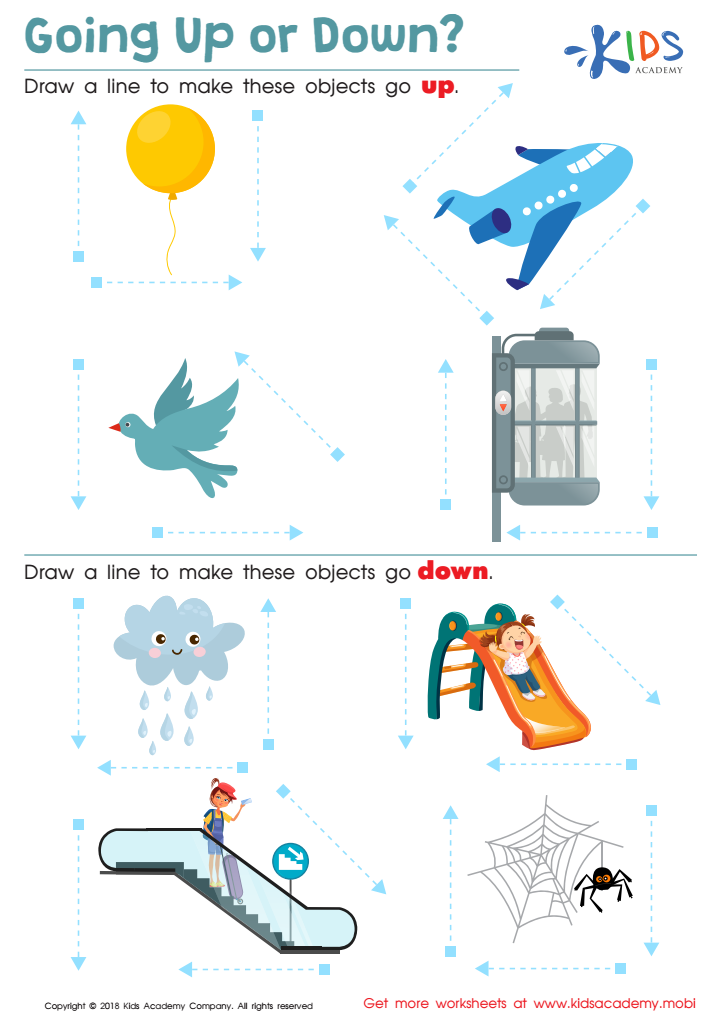
Going up or Down? Worksheet
 Assign to My Students
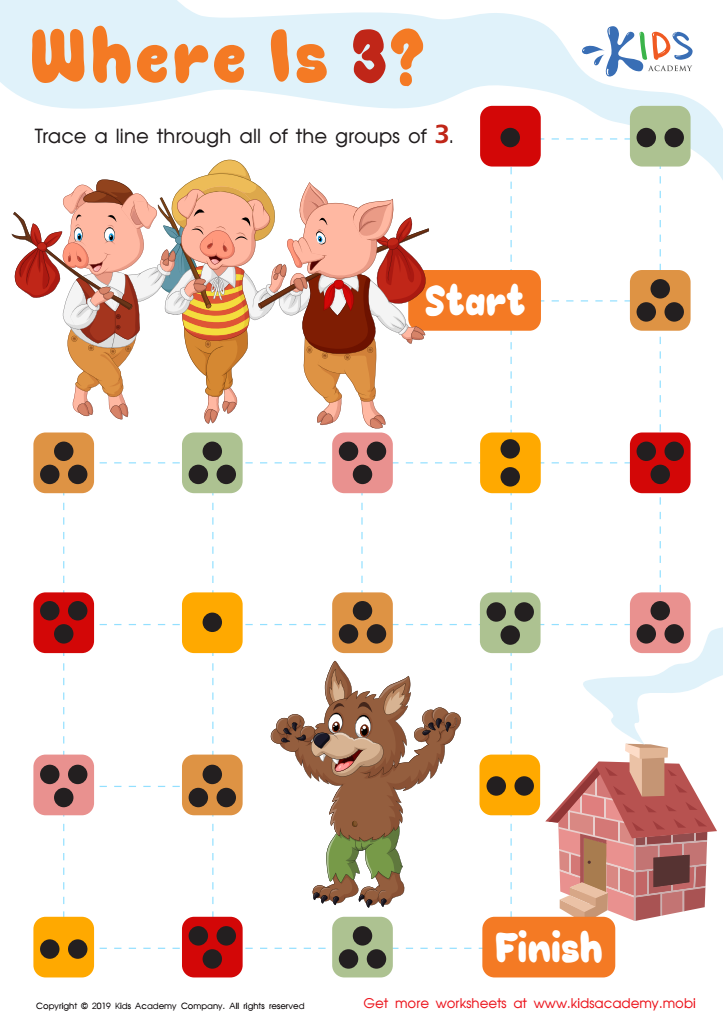
Where Is 3? Worksheet
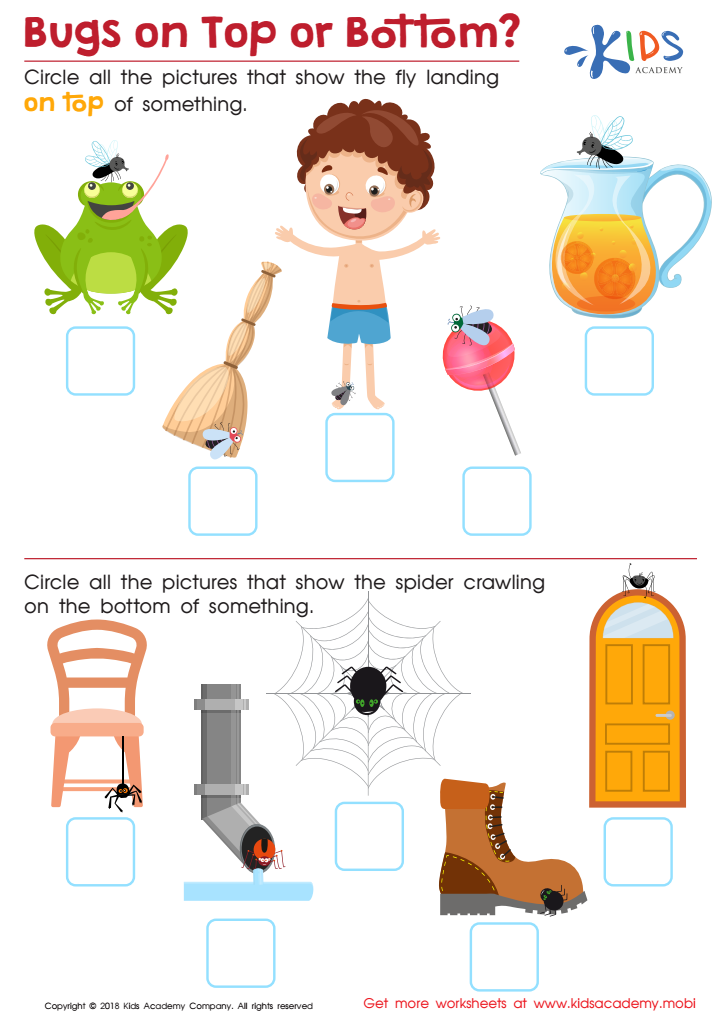
Bugs on Top or Bottom? Worksheet








Understanding directions in Normal Math for ages 4-6 is crucial for both parents and teachers as it lays the foundation for young children's mathematical abilities and cognitive skills. At this age, children are like sponges, eager to absorb information and understand the world around them. By teaching them how to interpret and follow basic mathematical directions, we empower them to develop critical thinking skills, foster a sense of independence, and boost their confidence in problem-solving.
An awareness of numerical concepts and the ability to follow directions enhances children's comprehension of math-related tasks, paving the way for more advanced skills in the future. Moreover, this foundational understanding promotes active engagement in learning, making it easier for children to grasp abstract concepts as they progress.
Additionally, early familiarity with directions fosters communication skills, enabling children to articulate their thought processes and clarify any misunderstandings. Parents and teachers benefit from supporting this fundamental growth, as it will make math enjoyable for young learners and minimizes frustration when they encounter new material. Ultimately, investing in early math understanding has profound long-term benefits, shaping capable, confident students who can tackle various challenges throughout their educational journeys.








