Vocabulary development Normal Math Worksheets for Ages 4-6
5 filtered results
-
From - To
Unlock the power of vocabulary development in early mathematics with our engaging Normal Math Worksheets designed specifically for children ages 4 to 6. These carefully crafted worksheets blend foundational math concepts with vocabulary-building activities, ensuring that young learners not only grasp numerical skills but also expand their word vocabulary essential for academic success. Our fun and interactive worksheets make learning enjoyable while helping children practice identifying numbers, shapes, and basic math operations, all within a rich linguistic context. Ideal for both classroom and home use, these resources lay a strong foundation for your child's cognitive and language development, preparing them for future learning adventures!
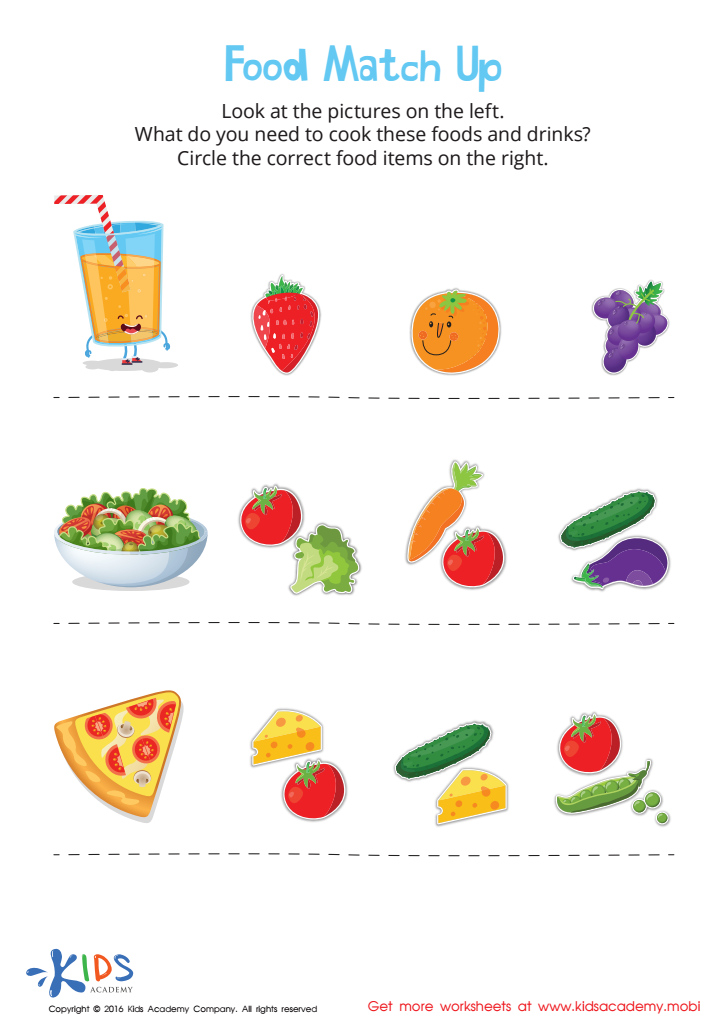
Food Match Up Worksheet
 Assign to My Students
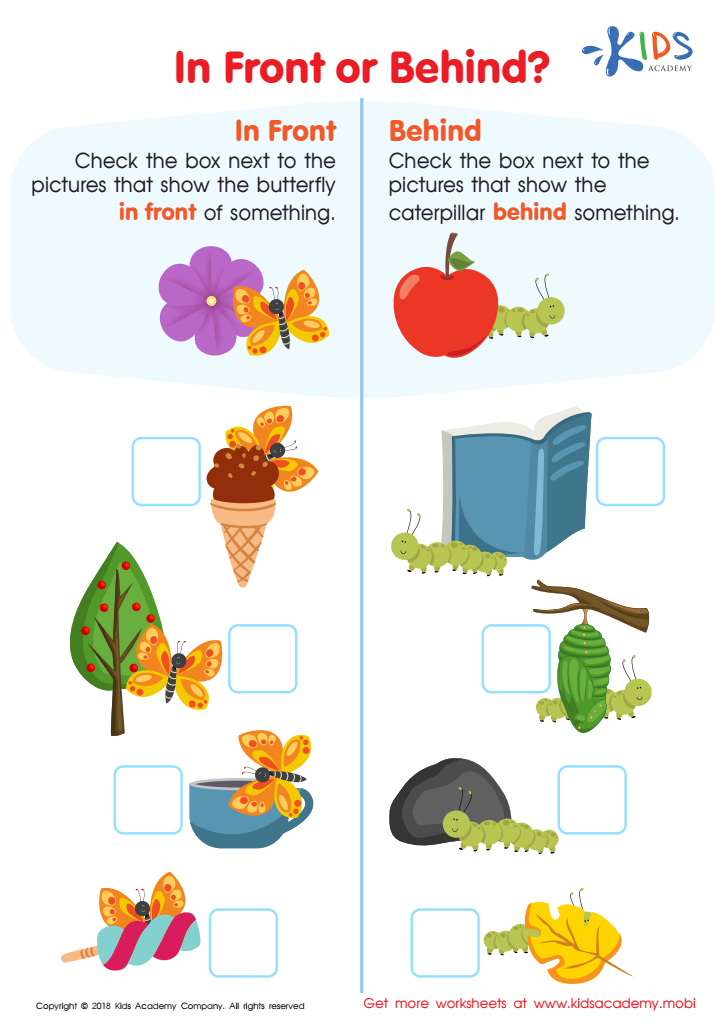
In Front or Behind Worksheet
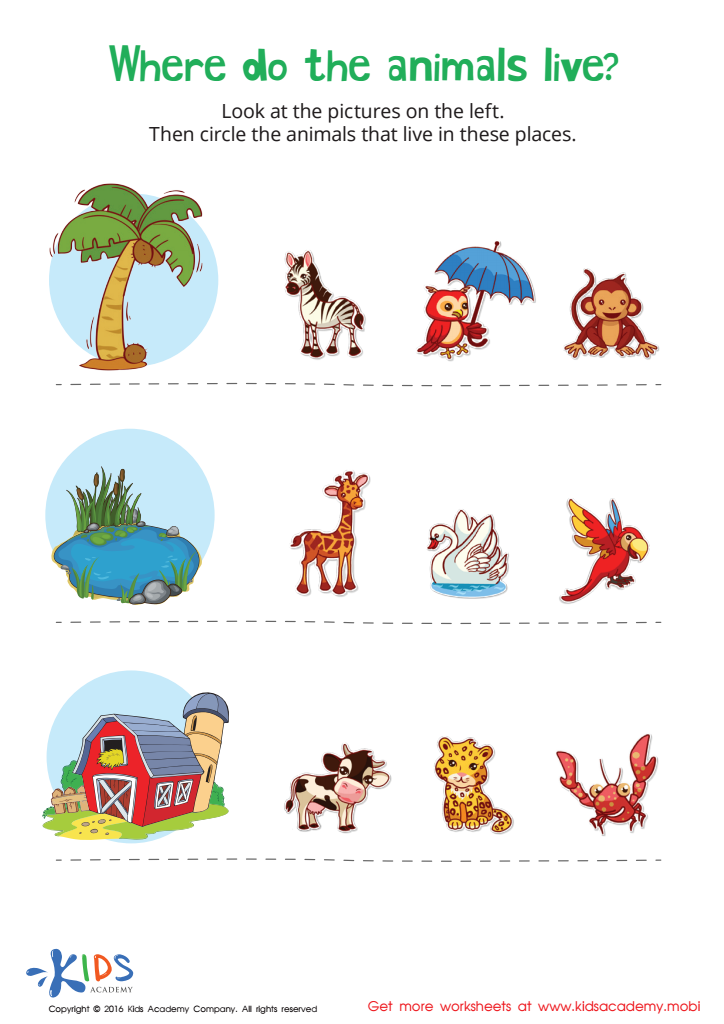
Where Animals Live Worksheet
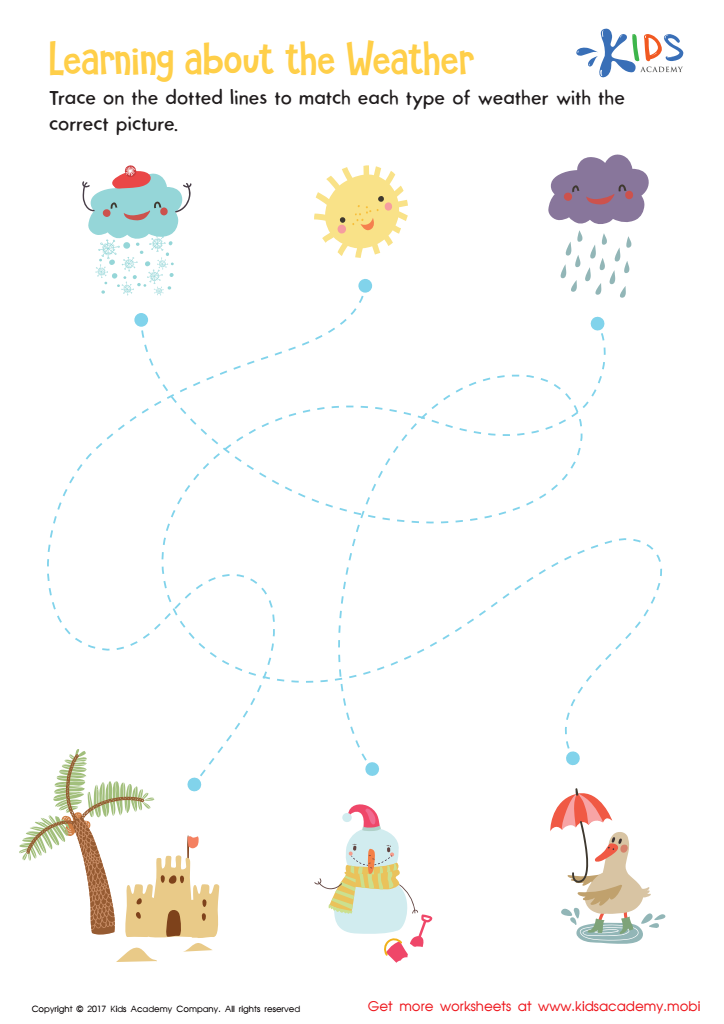
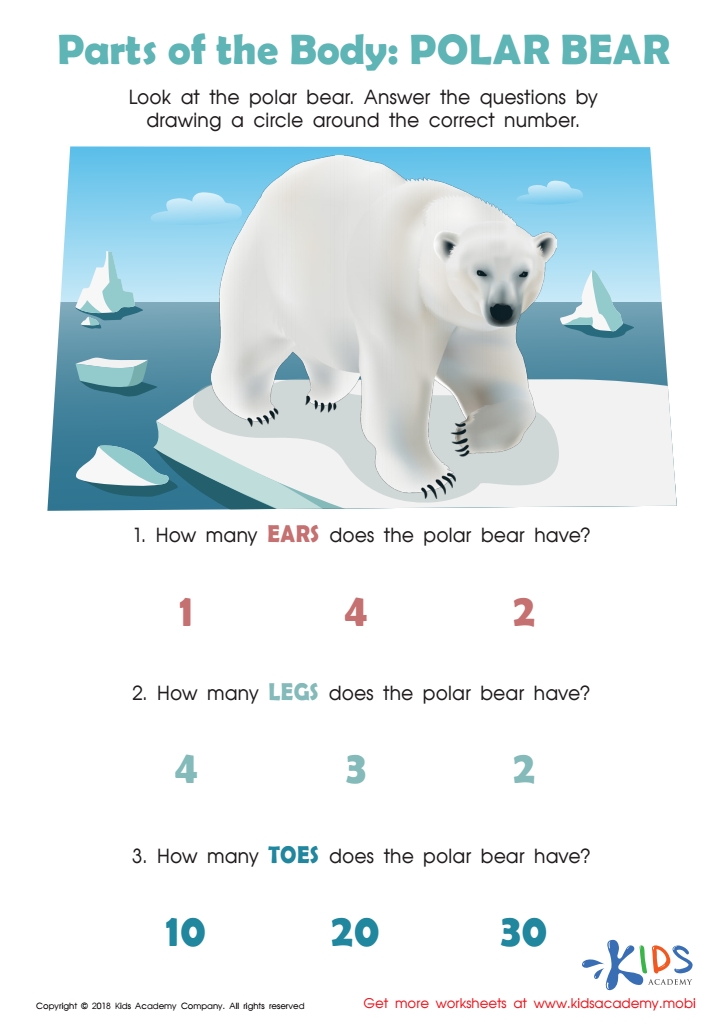
Parts of the Body: Polar Body Worksheet








Vocabulary development in early childhood is crucial, especially in areas like math, as it lays the foundation for future learning. For children aged 4-6, a strong vocabulary helps them describe mathematical concepts and processes more precisely. When children learn mathematical vocabulary—terms like “more,” “less,” “add,” and “equal”—they can better understand and communicate their reasoning. This not only enhances their mathematical understanding but also boosts overall language skills.
Teachers and parents should prioritize vocabulary development in math porque children who verbalize their thoughts in math are often more successful problem-solvers. Engagement with rich languages in math lessons encourages critical thinking and allows children to express themselves clearly. Moreover, children with a robust vocabulary are typically more confident, facilitating a love for learning that extends beyond math.
Creating a language-rich environment can involve interactive storytelling, using visual aids, or engaging in everyday math conversations during routine activities. Such practices also foster curiosity, encouraging kids to ask questions and explore new concepts. Ultimately, by focusing on vocabulary development in math, educators and parents can significantly enhance children's academic readiness and lifelong learning skills.








