Analytical skills Normal Building Vocabulary Worksheets for Ages 4-6
4 filtered results
-
From - To
Our "Analytical Skills Normal Building Vocabulary Worksheets for Ages 4-6" are meticulously designed to enhance young learners' linguistic abilities. These interactive worksheets introduce and reinforce new vocabulary through playful and engaging activities, making learning enjoyable for preschoolers and kindergarteners. By focusing on analytical skills, each worksheet helps children understand word meanings, make connections, and expand their vocabulary in a fun, age-appropriate way. Perfect for at-home practice or classroom use, these resources support foundational reading skills, critical thinking, and cognitive development, setting the stage for a lifelong love of learning. Explore our collection to empower your child's vocabulary journey today!
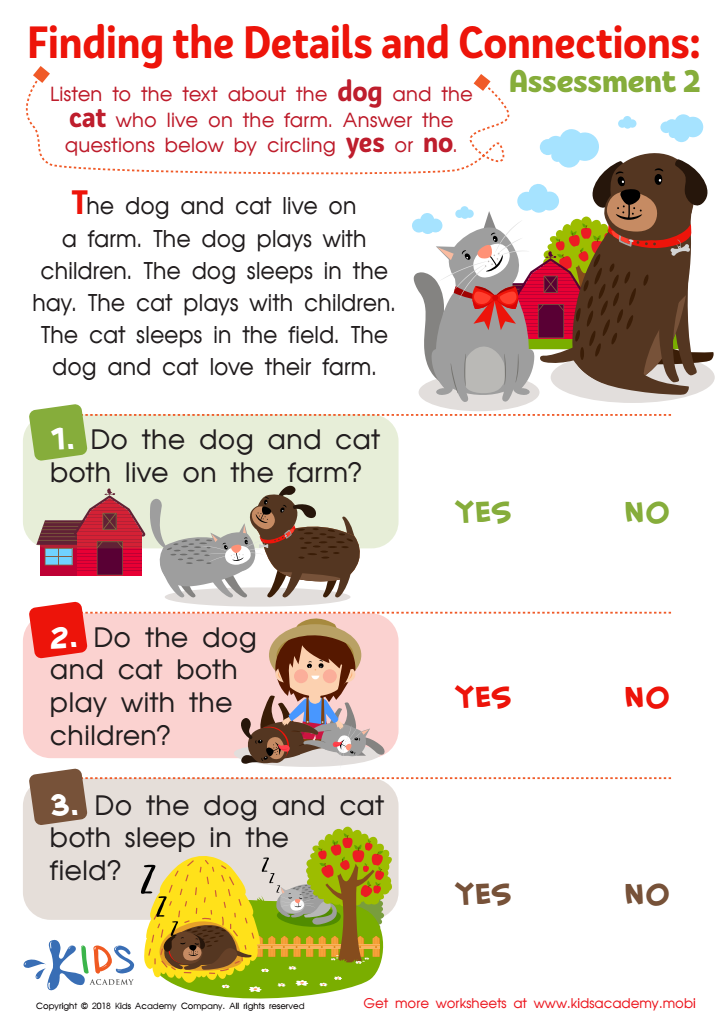
Finding the Details and Connections: Assessment 2 Worksheet
 Assign to My Students











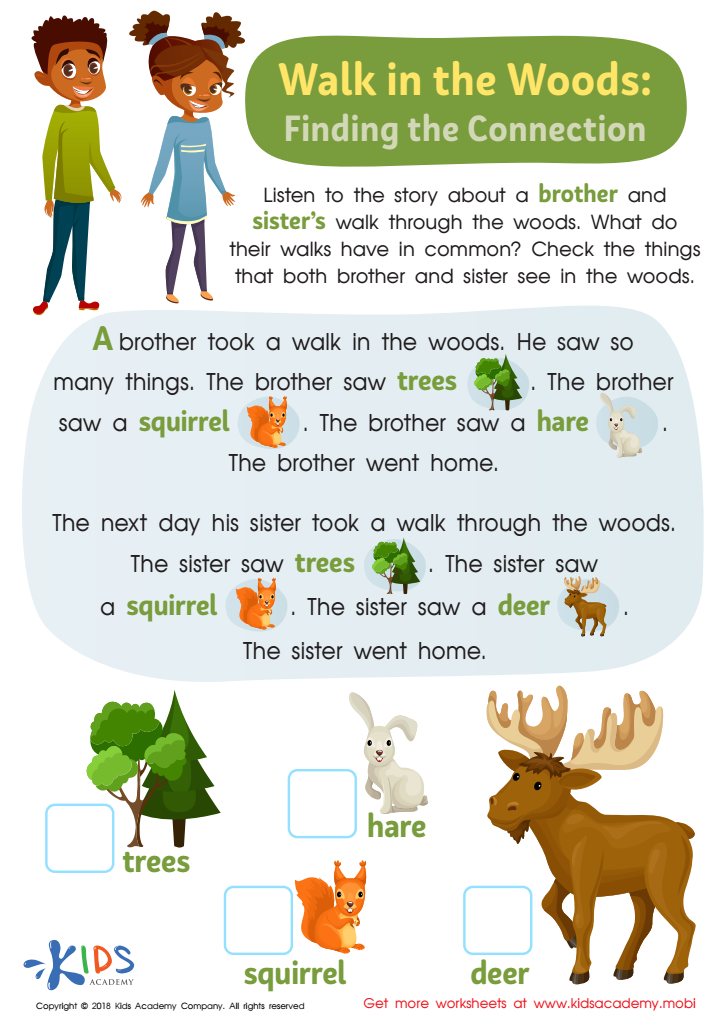
Walk In the Woods: Finding Connections Worksheet
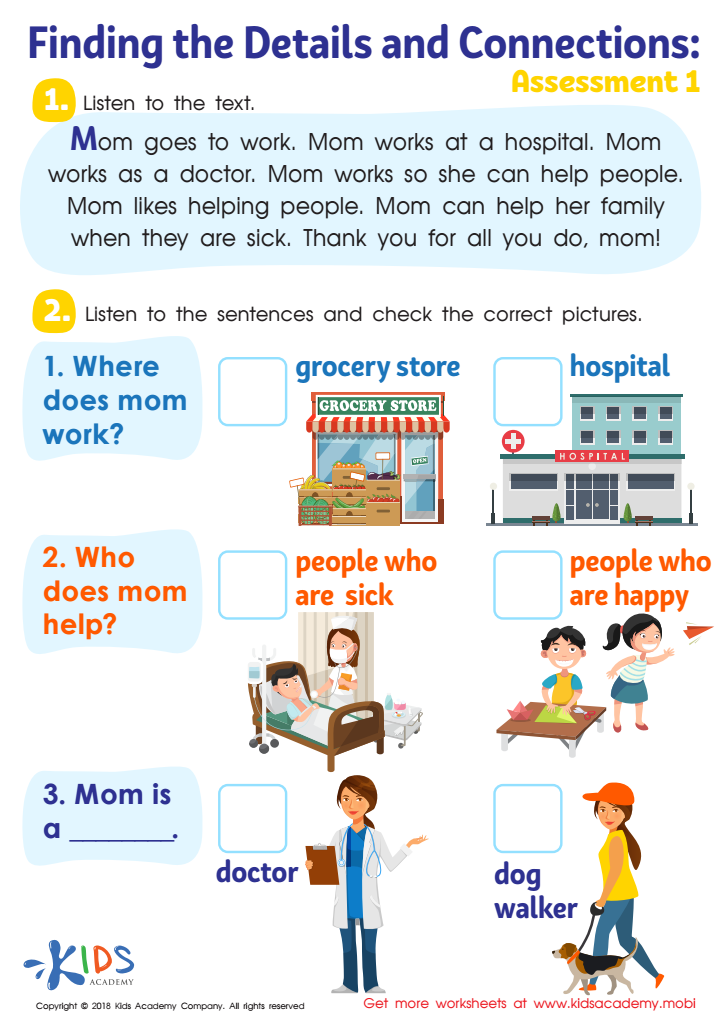
Finding the Details and Connections: Assessment 1 Worksheet
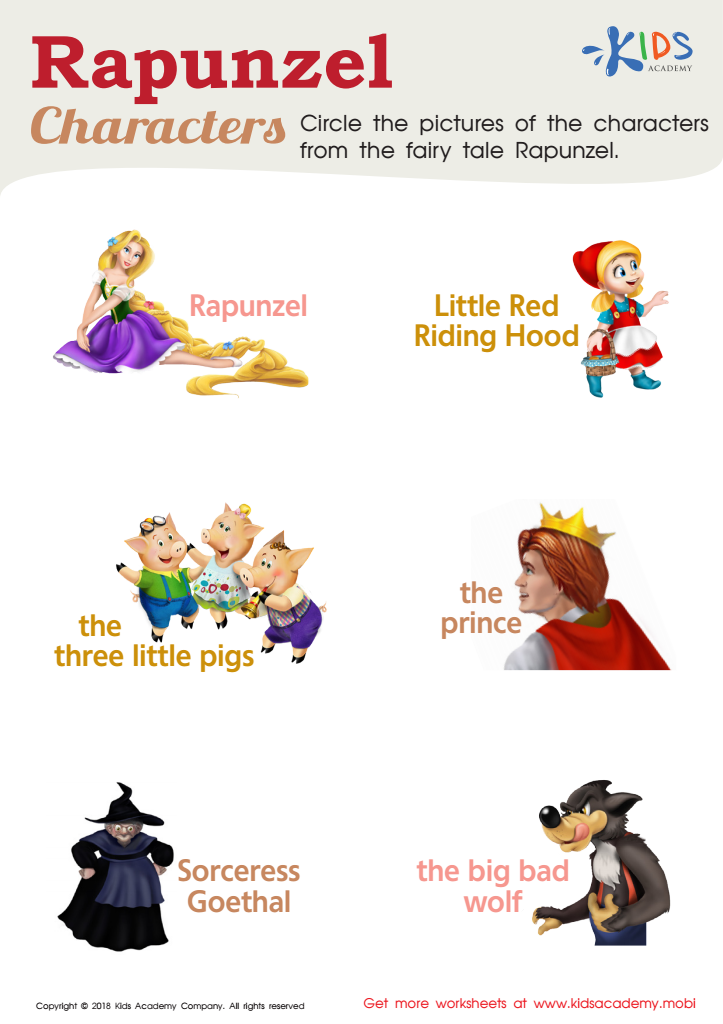
Rapunzel Characters Worksheet



.jpg)



Parents and teachers should highly value the development of analytical skills and vocabulary in children aged 4-6 due to their substantial impact on later academic success and cognitive growth. At this critical developmental stage, children's brains are particularly receptive to learning new words and concepts. Building a strong vocabulary not only aids communication but also enhances comprehension and expressive abilities, laying a solid foundation for literacy skills crucial in their future education.
Improving analytical skills at a young age encourages children to question, observe, and understand the world around them, fostering intellectual curiosity and problem-solving capabilities. These skills contribute to their ability to categorize, relate, and make sense of information, which is essential for subjects like mathematics and science.
Moreover, a robust vocabulary and strong analysis skills support socio-emotional growth. Effective communication helps children articulate their thoughts and feelings better, fostering positive interactions with peers and adults. It also enables them to critically think about social situations and navigate their emotional responses more effectively.
In essence, nurturing these skills helps in creating lifelong learners with strong foundational abilities for academic, social, and emotional success, emphasizing their significance in early childhood development.








