Sight word recognition Normal Building Vocabulary Worksheets for Ages 4-6
5 filtered results
-
From - To
Enhance your child's reading skills with our Sight Word Recognition Normal Building Vocabulary Worksheets for ages 4-6. These engaging worksheets are designed to help young learners recognize essential sight words, paving the way for fluency and comprehension. With fun activities that promote interactive learning, children will develop their vocabulary and language skills in an enjoyable manner. The worksheets include colorful illustrations and easy-to-follow exercises, catering to various learning styles. Perfect for homeschooling or classroom use, these resources are essential for fostering a love of reading in early learners. Start building a strong foundation in literacy today!
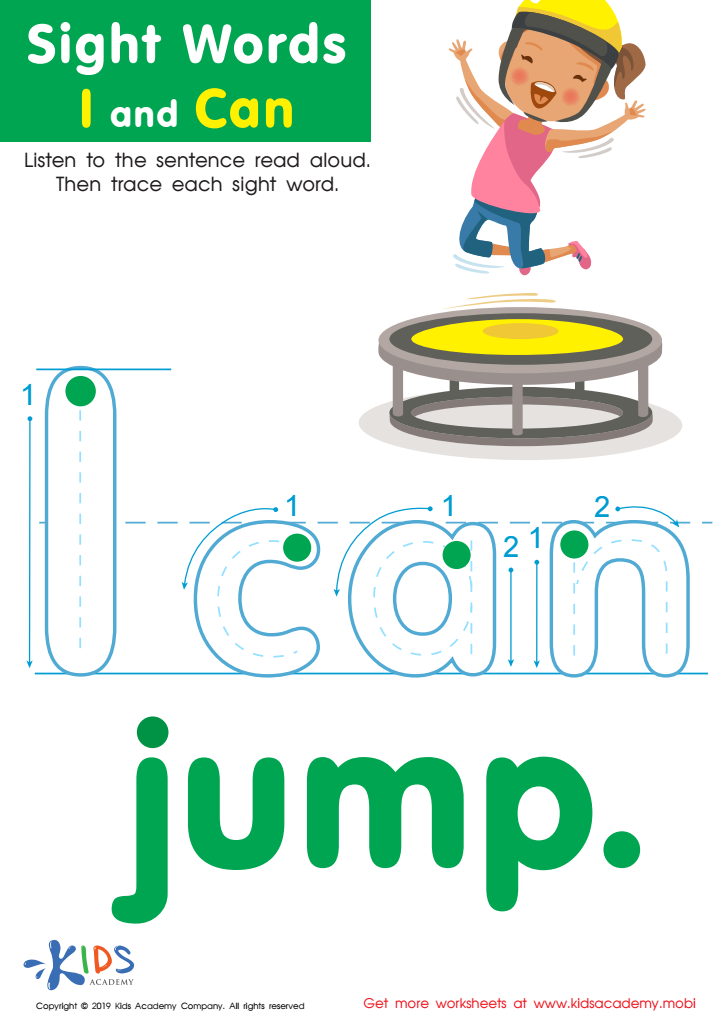
Sight Words I Can Worksheet
 Assign to My Students











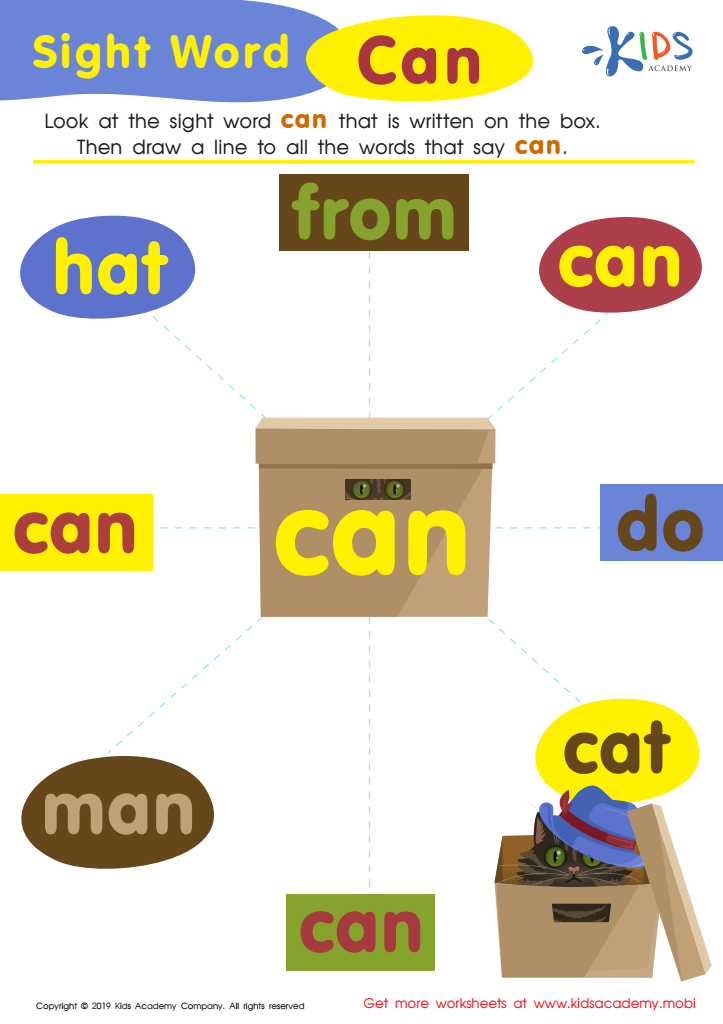
Sight Word Can Worksheet
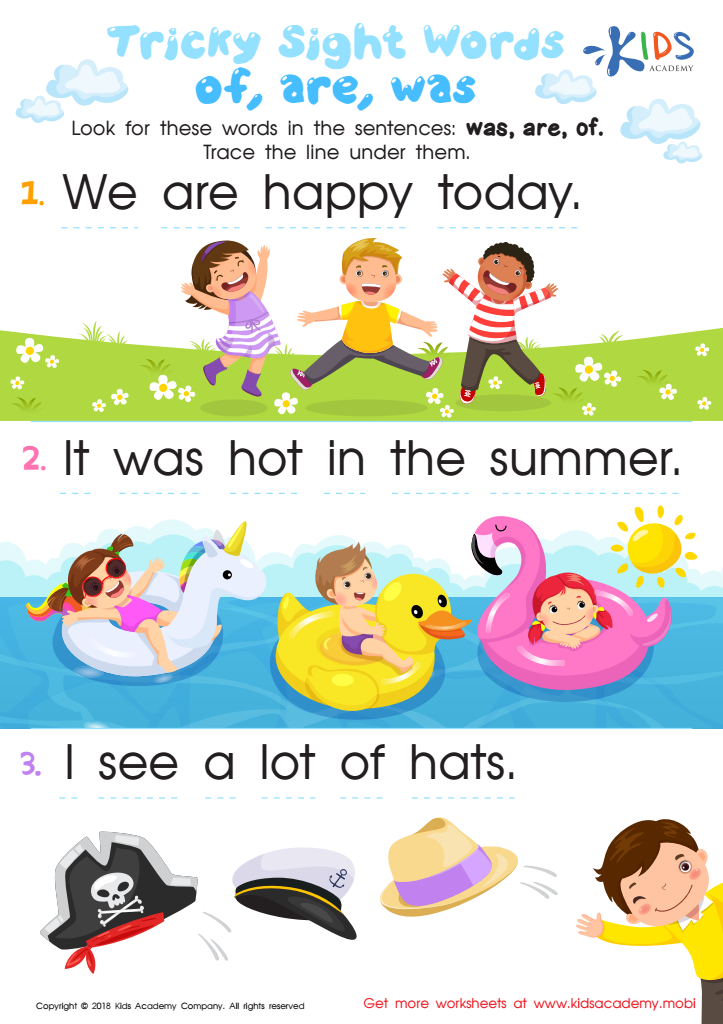
Tricky Sight Words Worksheet
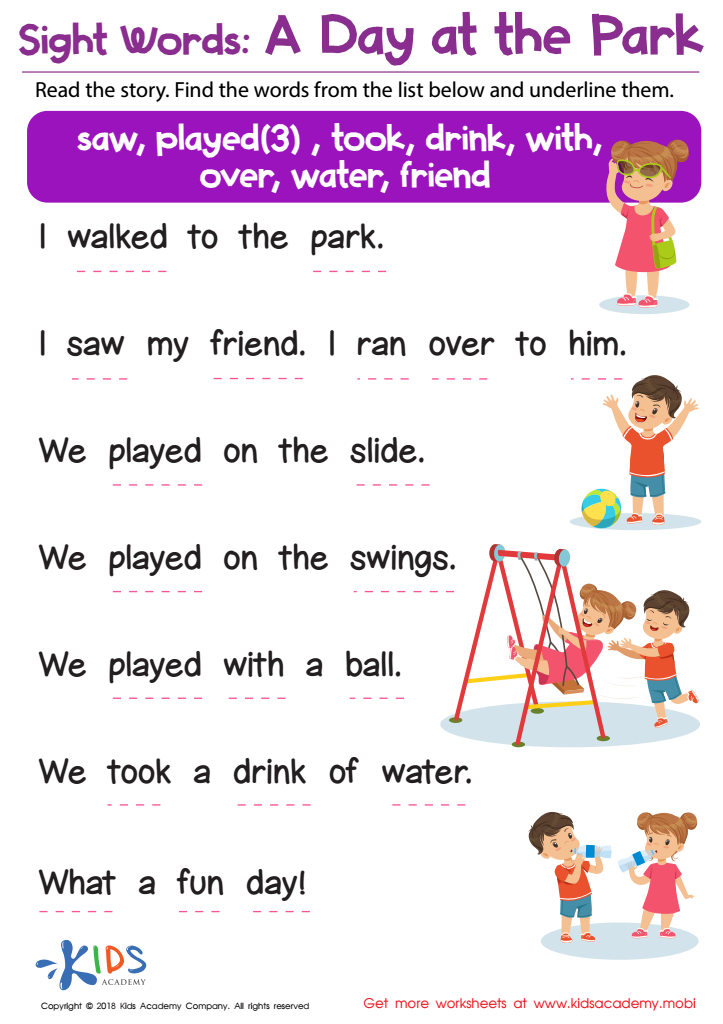
Sight Words: A Day at the Park Worksheet
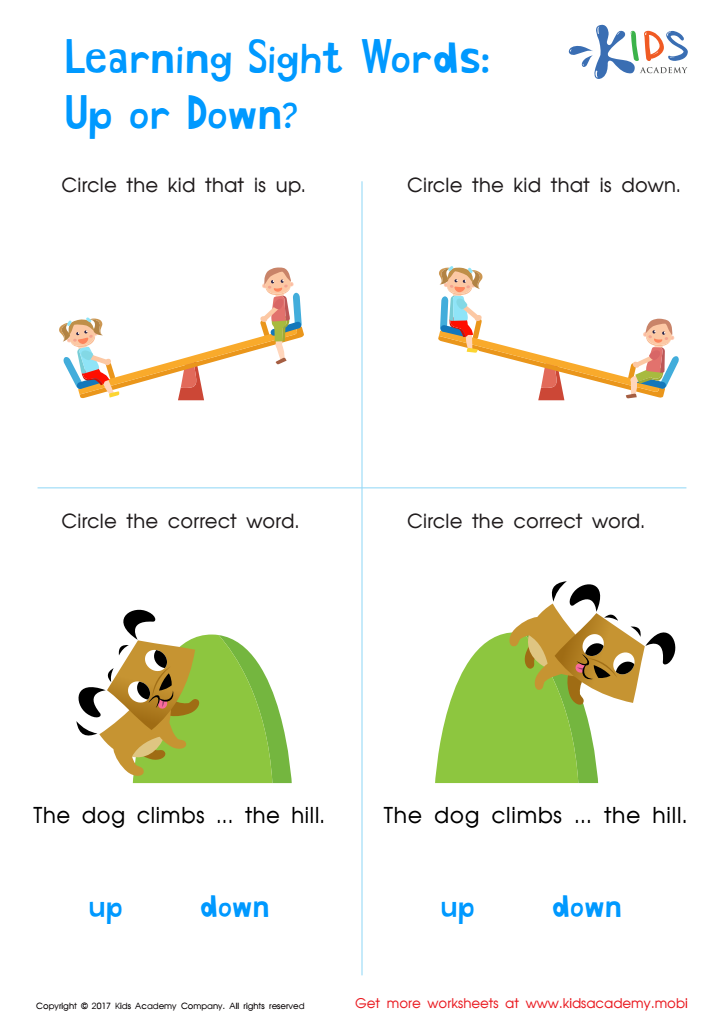
Up or Down Printable Sight Words Worksheet








Sight word recognition and vocabulary building are crucial for children aged 4-6 as these skills form the foundation for successful reading and overall literacy development. Sight words—common words that young readers often encounter—such as "the," "and," and "is," are best learned through recognition rather than phonetic decoding. Mastering these enhances a child's reading fluency, allowing them to focus on comprehension rather than deciphering each word.
Building vocabulary at this age is equally important, as it directly influences a child’s ability to express thoughts, understand instructions, and engage in conversations. A rich vocabulary fosters better reading comprehension and encourages a love for language and literature.
Moreover, when teachers and parents emphasize sight word recognition and vocabulary development, they provide a supportive and enriching environment that promotes cognitive growth. By integrating these concepts into daily interactions—through reading together, engaging in discussions, and using playful activities—children become motivated learners. Teaching these skills helps children feel confident as readers and communicators, setting them on a path for future academic success and healthy self-esteem. Therefore, targeted efforts around sight words and vocabulary are vital for fostering an empowered, literate generation.








