Vocabulary Building Normal Building Vocabulary Worksheets for Ages 4-6
4 filtered results
-
From - To
Unlock the power of words with our "Vocabulary Building Worksheets for Ages 4-6." These thoughtfully designed worksheets make learning new words fun and engaging for young minds. Ideal for preschoolers and early elementary students, each worksheet incorporates vibrant illustrations and interactive activities that inspire and challenge. Children will develop their reading comprehension, spelling, and language skills through matching games, word searches, and more. Perfect for home or classroom use, our worksheets provide a solid foundation in vocabulary, setting the stage for future academic success. Start expanding your child's word bank today with our expertly crafted resources!
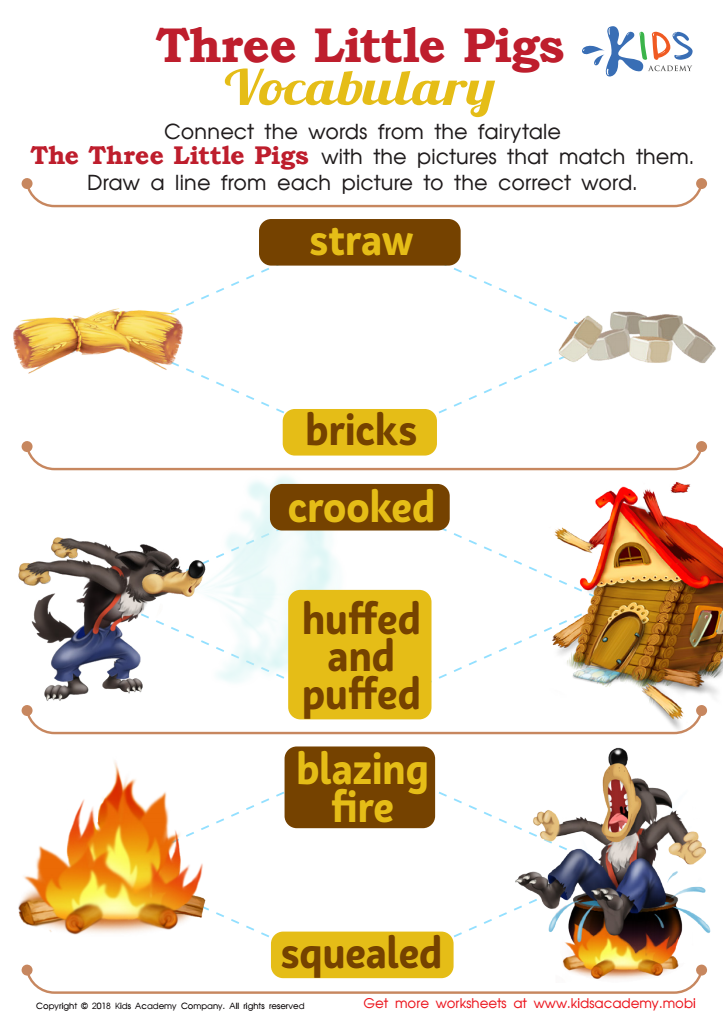
Three Little Pigs Vocabulary Worksheet
 Assign to My Students











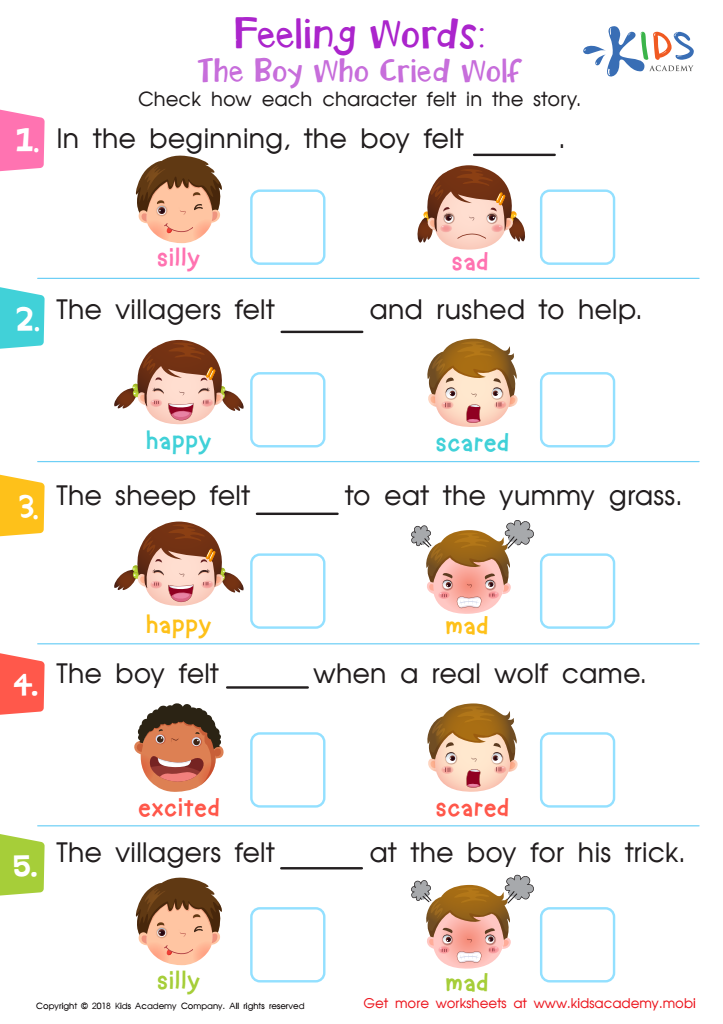
Feeling Words: The Boy Who Cried Wolf Worksheet
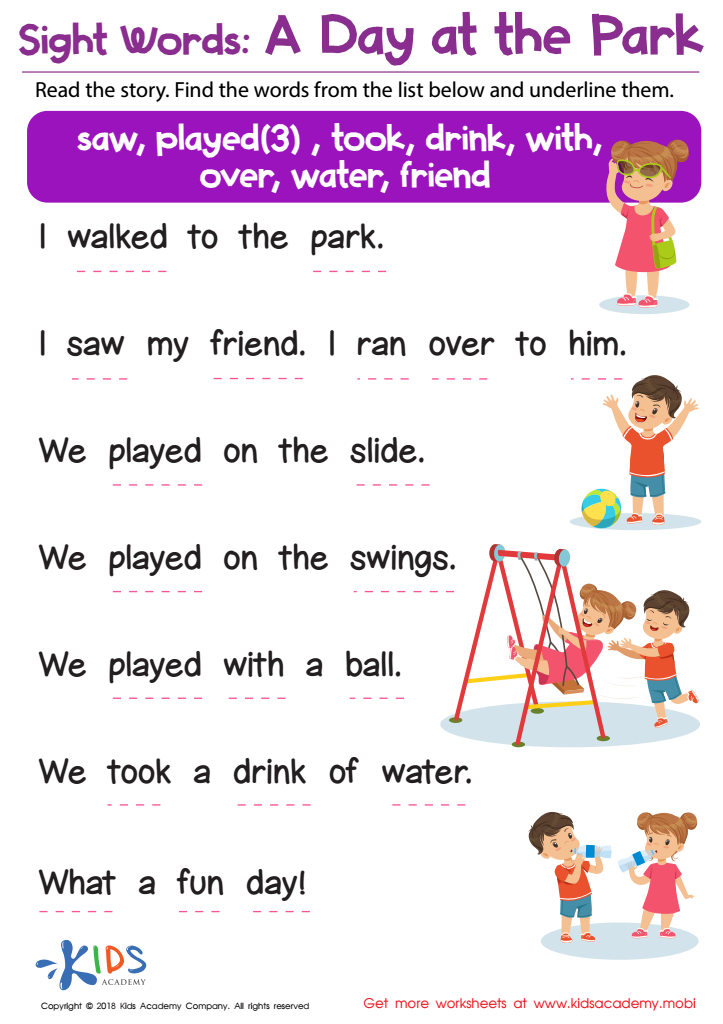
Sight Words: A Day at the Park Worksheet
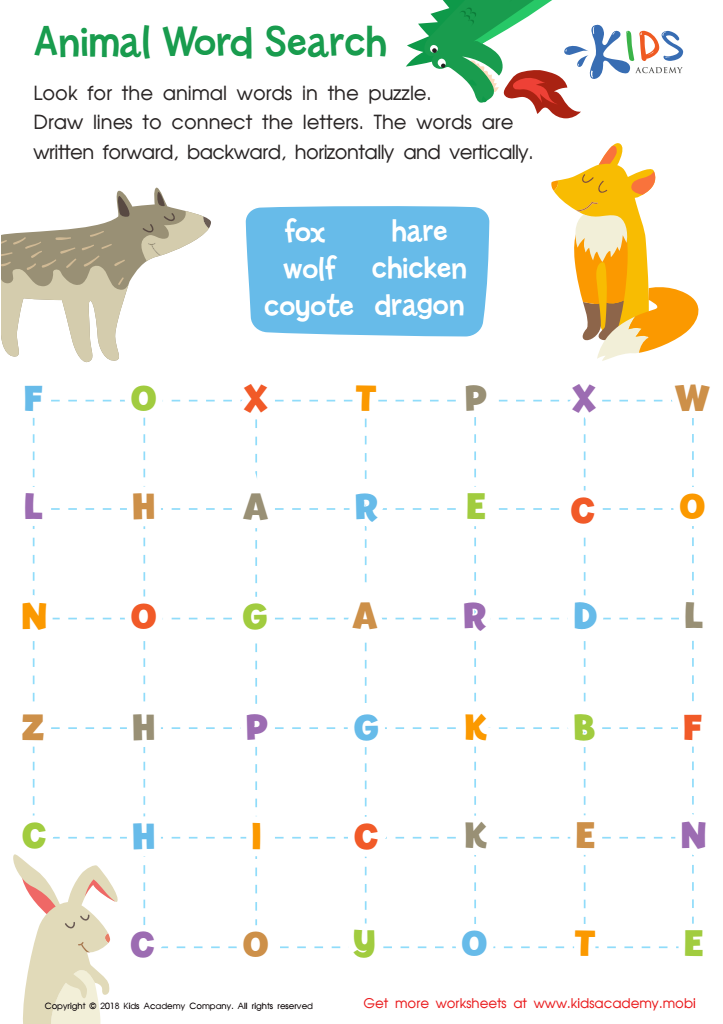
Animal Word Search Worksheet






.jpg)

Vocabulary building is crucial for children ages 4-6 because it's foundational for their overall language development and future success in various areas. During these formative years, children's brains are highly plastic and can absorb new information more readily than at any other time. A strong vocabulary increases their ability to express themselves clearly and accurately, which is essential for effective communication. This not only improves social interactions and self-esteem but also sets the stage for reading comprehension, critical thinking, and academic achievement.
When children understand and can use a wide range of words, they are better prepared to grasp complex concepts when they enter formal schooling. Vocabulary growth is closely tied to cognitive development and literacy. Children with a rich vocabulary are more likely to understand stories, follow instructions, and engage in higher-order thinking.
Parents and teachers play a significant role in facilitating vocabulary acquisition by engaging with children through conversation, reading aloud, and introducing new words in context. These interactions should be dynamic and playful to keep the child interested. By prioritizing vocabulary building during these critical years, parents and teachers set children on a path toward lifelong learning and success.








