Vocabulary development Normal Reading Comprehension Worksheets for Ages 4-6
5 filtered results
-
From - To
Enhance your child's vocabulary with our engaging Reading Comprehension Worksheets designed for ages 4-6! These worksheets focus on developing essential vocabulary skills while promoting comprehension through fun and interactive activities. Kids will enjoy colorful illustrations and relatable scenarios that encourage them to explore new words in context, helping to build a strong foundation for future reading success. Suitable for early learners, our resources are tailored to foster growth in language skills while keeping learning enjoyable. Boost your child's confidence and prepare them for academic success with these carefully crafted vocabulary worksheets, perfect for at-home learning or classroom use!
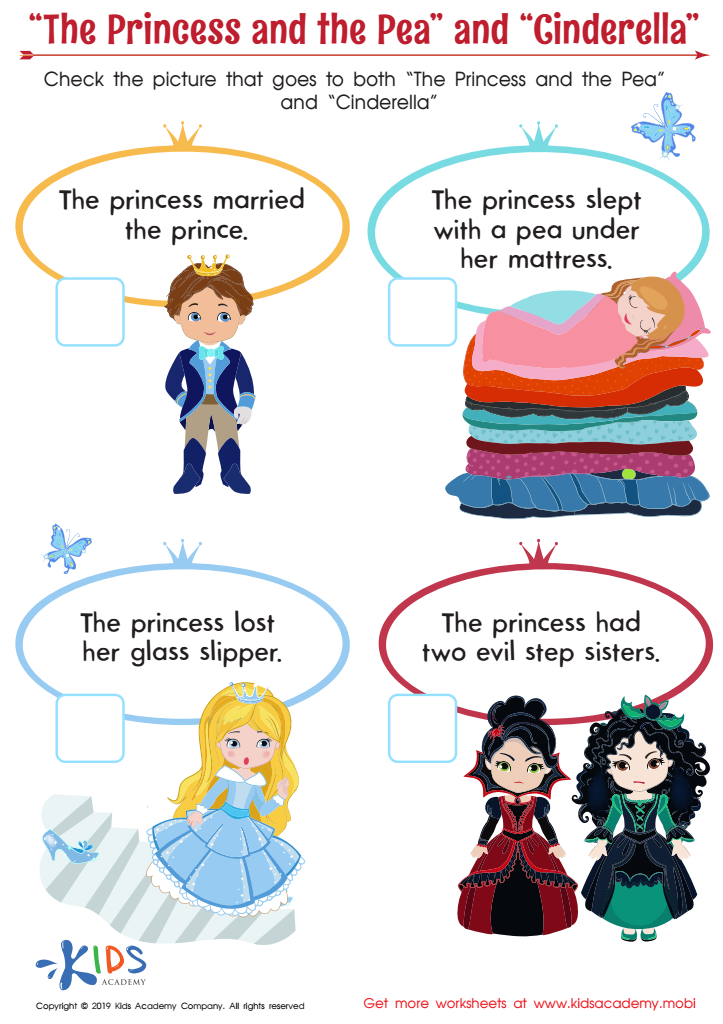
“The Princess and the Pea” and “Cinderella” Worksheet
 Assign to My Students
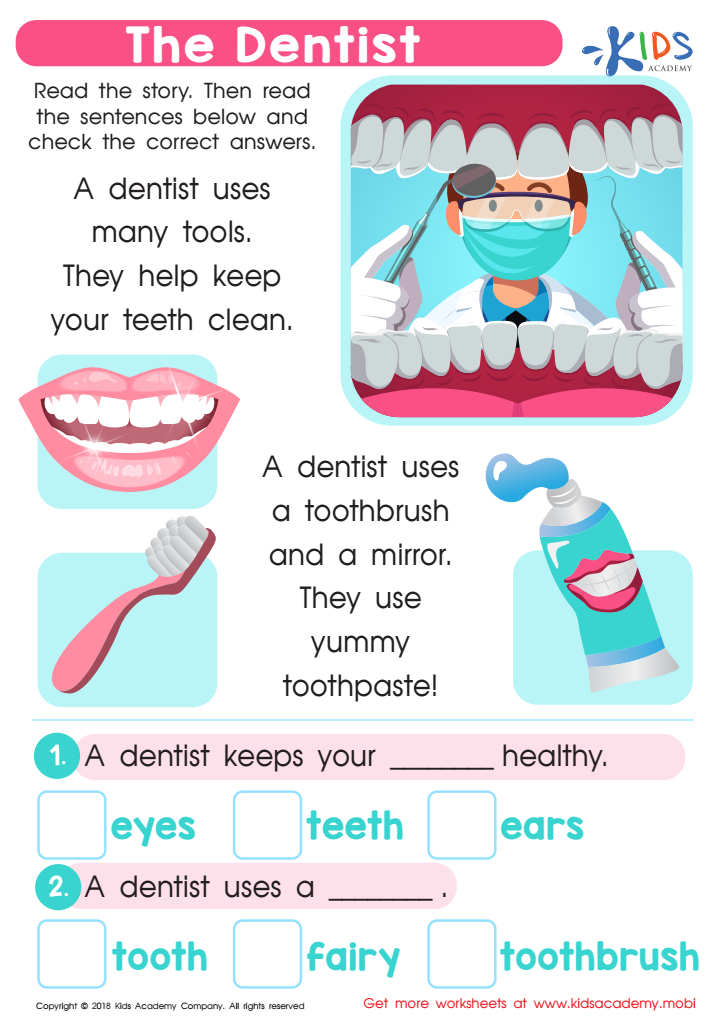
The Dentist Worksheet
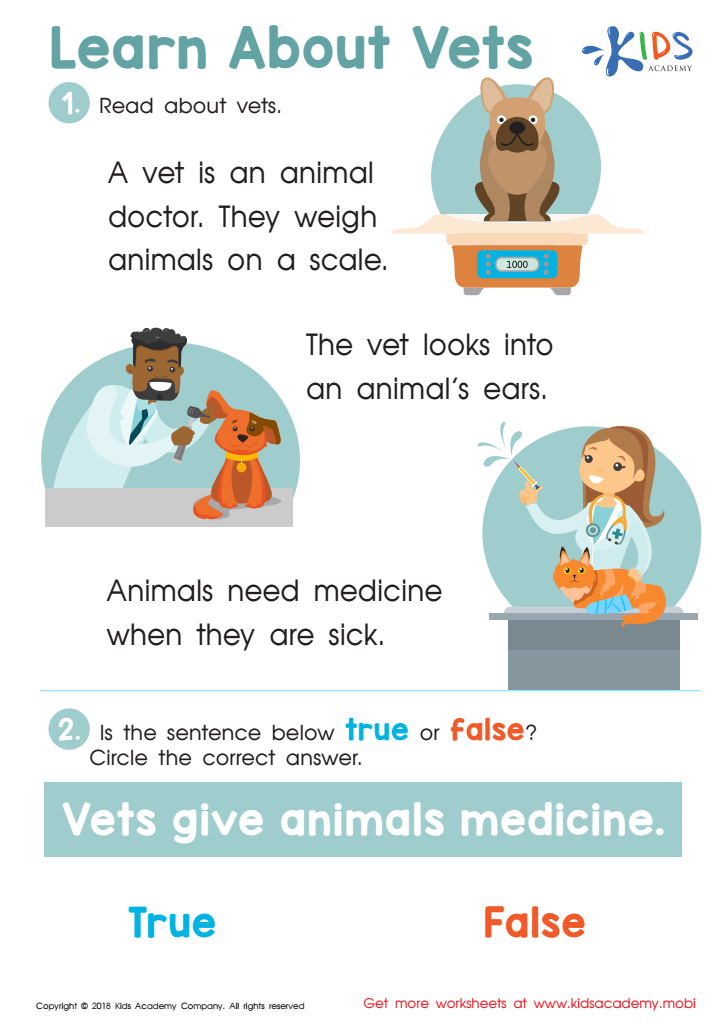
Learn About Vets Worksheet
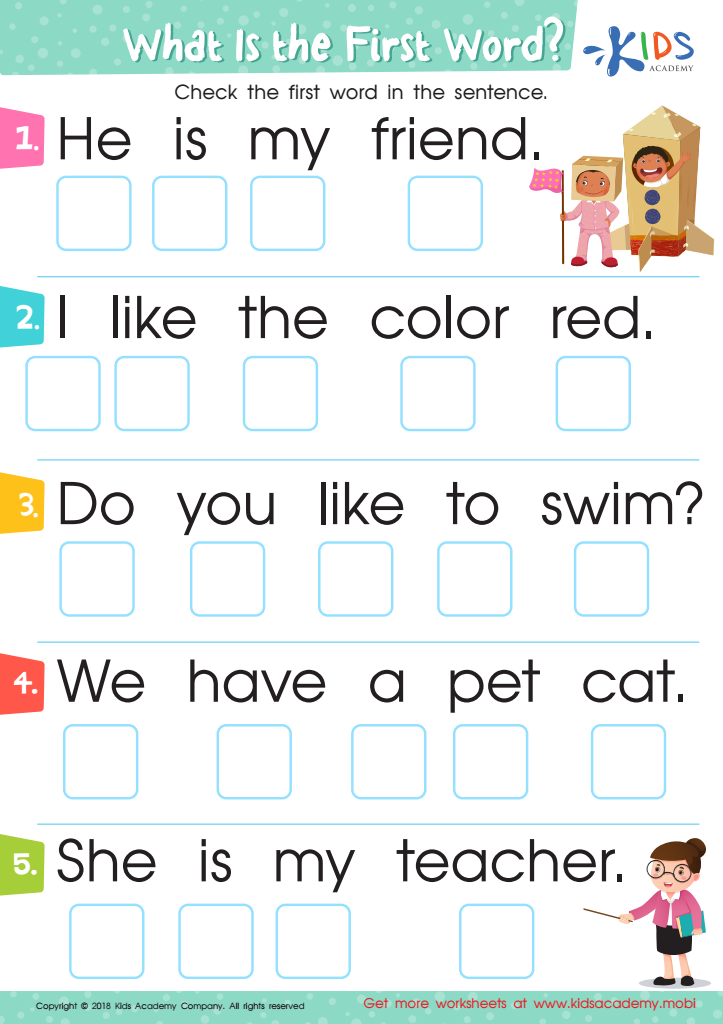
What is the First Word? Worksheet
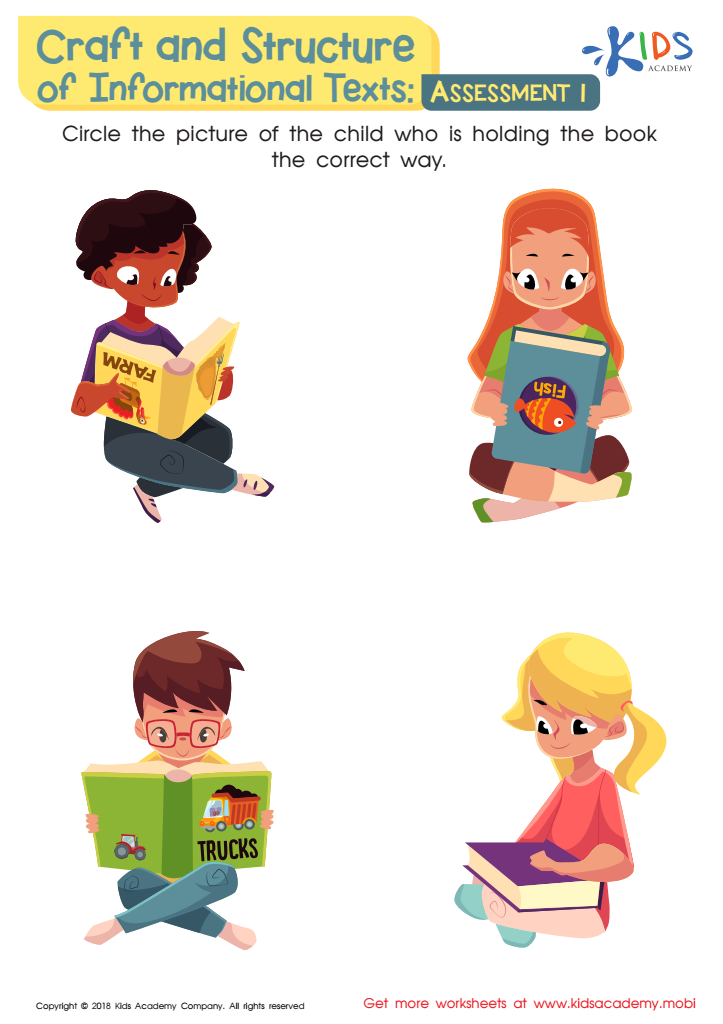
Craft and Structure of Informational Texts: Assessment 1 Worksheet








Vocabulary development is crucial for children aged 4-6 as it lays the foundation for successful reading comprehension and overall literacy skills. At this stage, children are discovering language and how it works, making it essential for both parents and teachers to actively engage in fostering vocabulary growth.
A rich vocabulary enhances a child's ability to understand stories and concepts. As children encounter new words through reading and conversation, they build mental connections that improve their comprehension of texts. This understanding not only helps with academic success but also nurtures critical thinking skills.
Moreover, strong vocabulary skills contribute to children’s self-esteem and confidence in communication. When children can express themselves clearly, they are more likely to participate in discussions and engage with their peers, fostering social skills and emotional well-being.
Additionally, the impact of vocabulary development extends beyond academics; it shapes a child’s future learning environment. Those with a larger vocabulary at an early age are more inclined to enjoy reading and explore various subjects, leading to a lifelong love of learning.
In summary, prioritizing vocabulary development is essential for parents and teachers, as it significantly affects literacy, social interactions, and educational success in young children.








