Vocabulary enhancement Normal Reading Non-Fiction Worksheets for Ages 4-6
7 filtered results
-
From - To
Boost your child's vocabulary with our Vocabulary Enhancement Normal Reading Non-Fiction Worksheets for Ages 4-6. These expertly designed resources help young learners explore exciting topics through engaging non-fiction texts. Ideal for early readers, our worksheets focus on broadening vocabulary, enhancing reading comprehension, and building essential language skills. Each worksheet offers fun and educational activities that make learning new words an enjoyable adventure. Perfect for both classroom and home use, these tools ensure a strong foundation for reading success. Discover a world of knowledge and help foster a love for reading with our meticulously crafted worksheets.
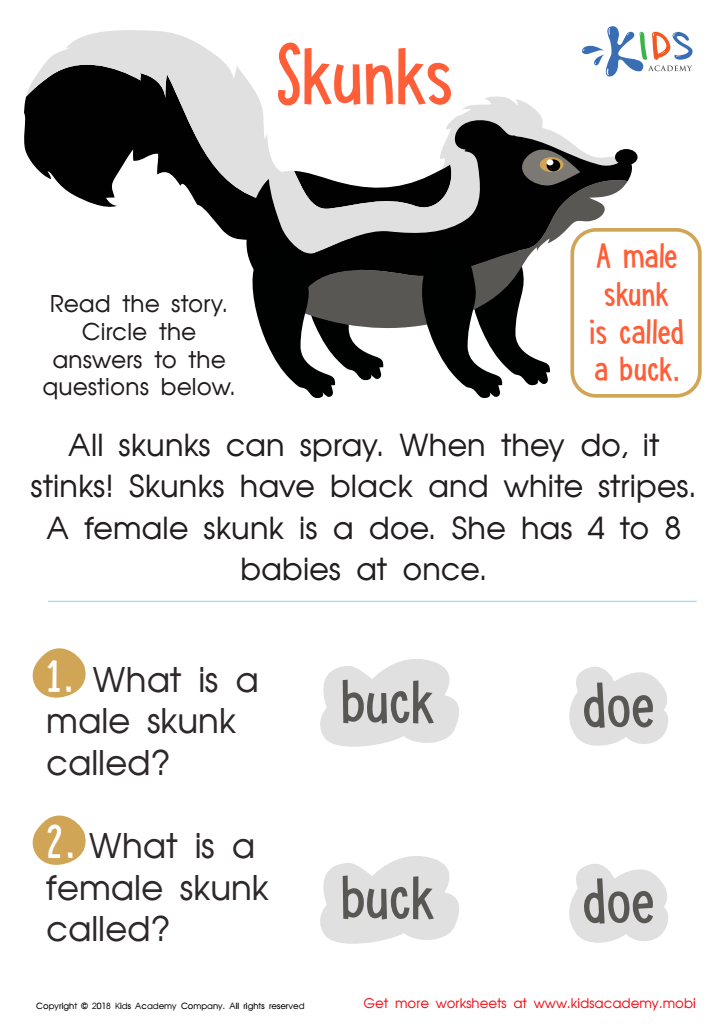
Skunks Worksheet
 Assign to My Students
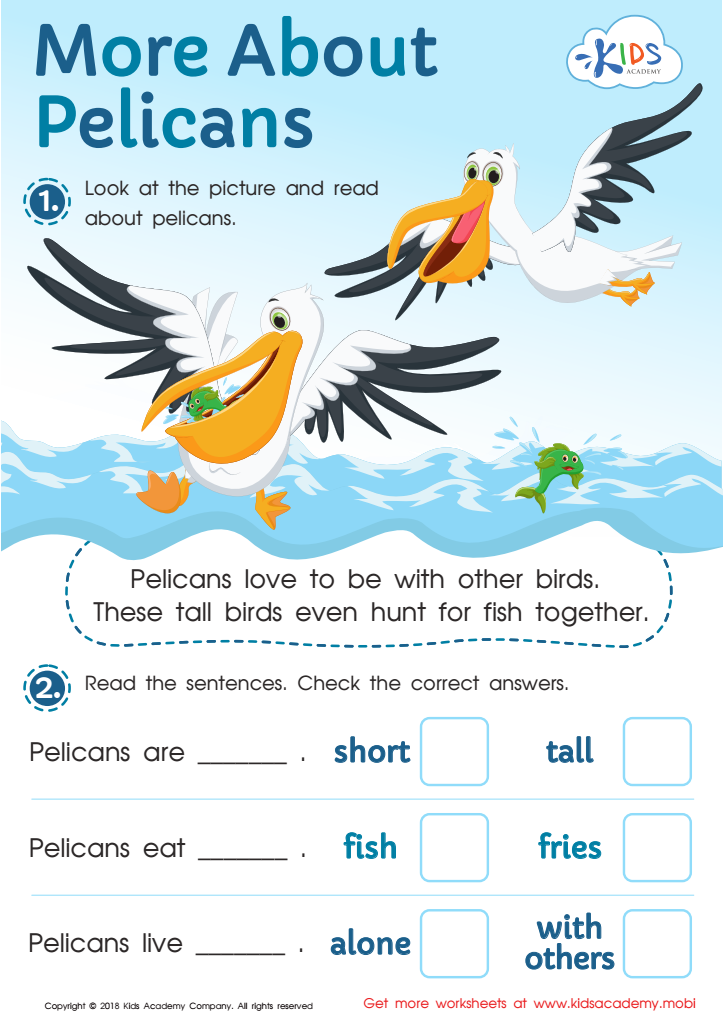
More About Pelicans Worksheet
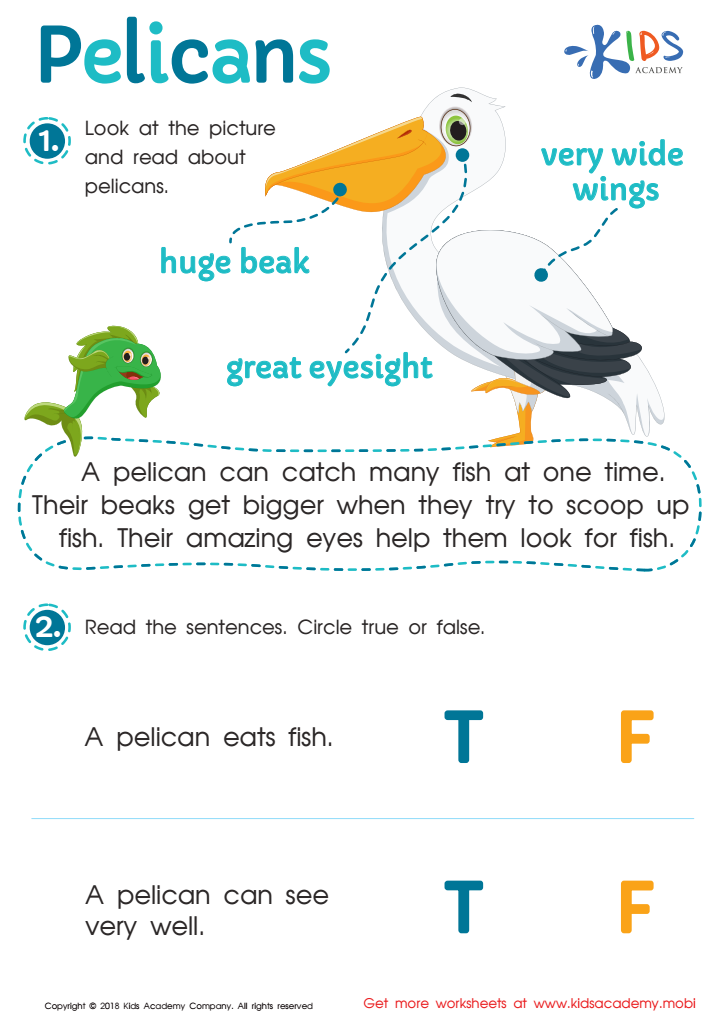
Pelicans Worksheet
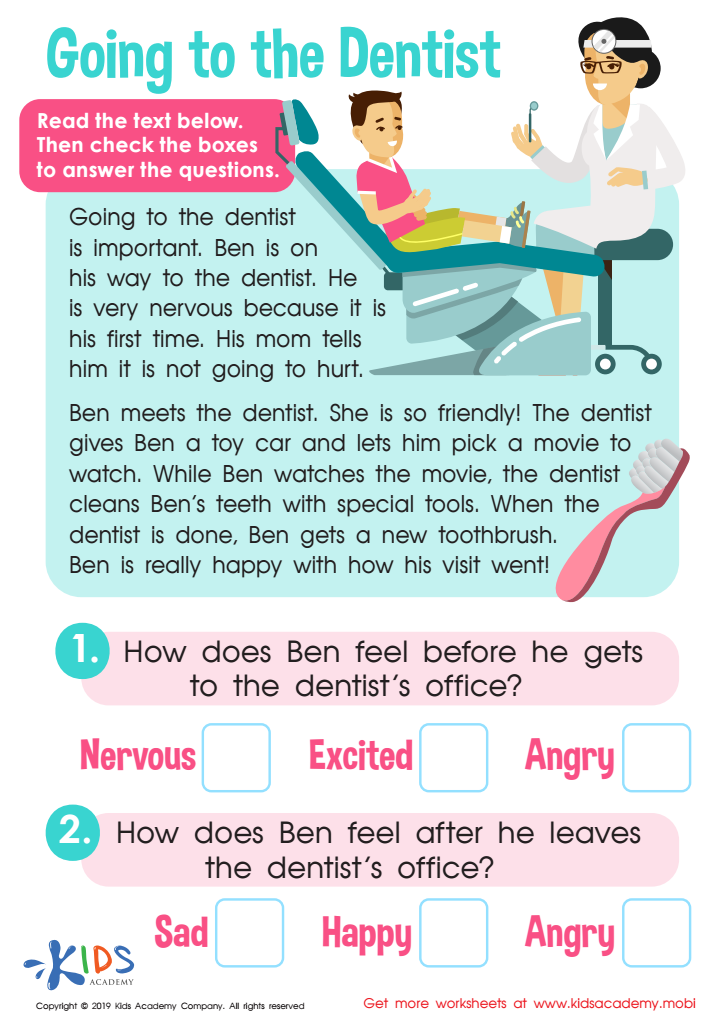
Going to the Dentist Worksheet
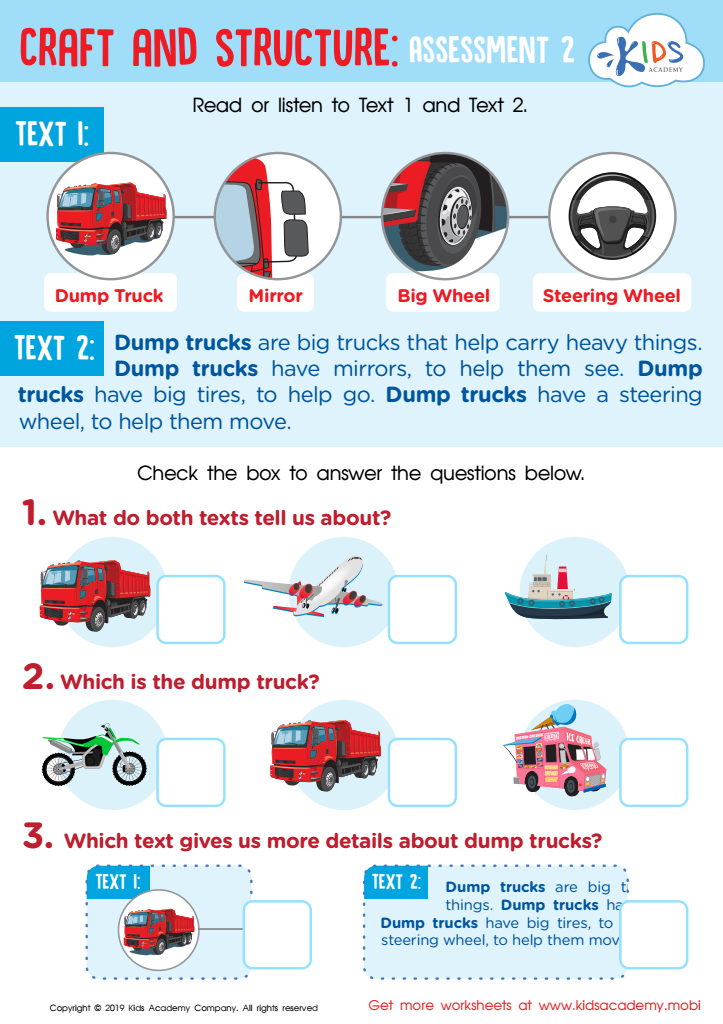
Craft and Structure: Assessment 2 Worksheet
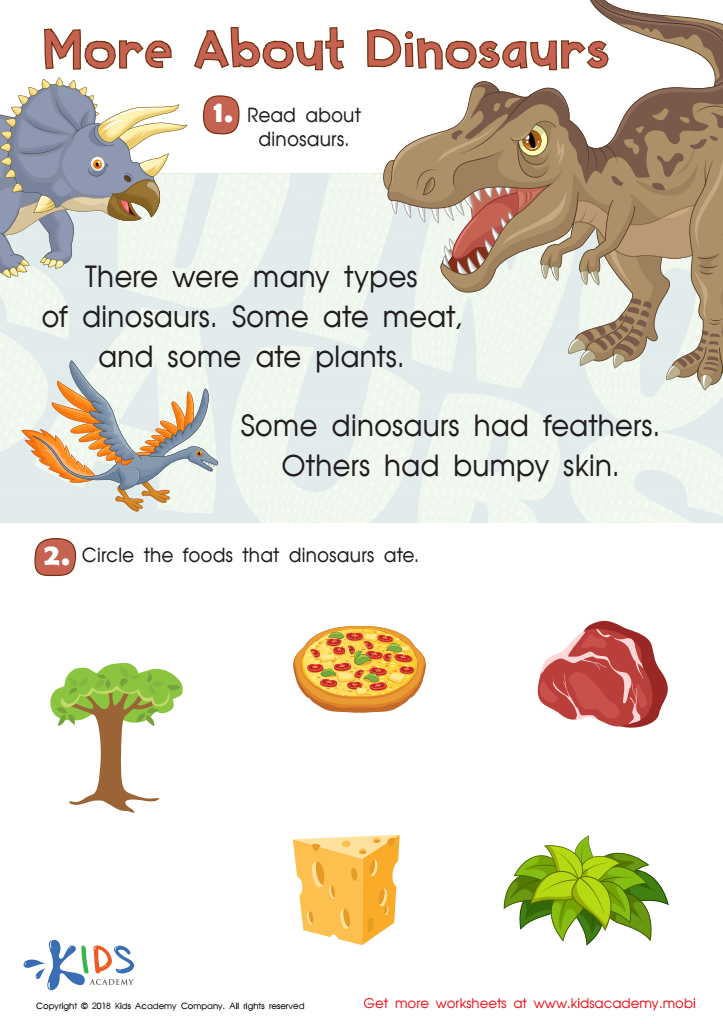
More About Dinosaurs Worksheet
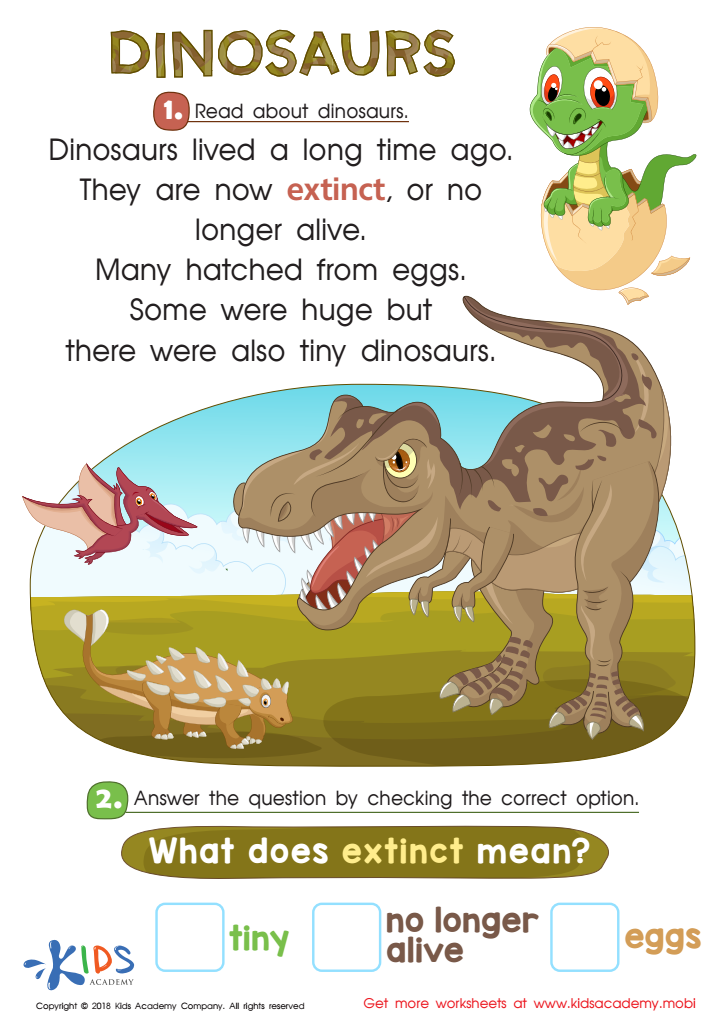
Dinosaurs Worksheet








Vocabulary enhancement through normal reading of non-fiction for children ages 4-6 is incredibly important for several reasons. First, during early childhood, the brain is particularly adept at absorbing and retaining new information. This is a critical period for language development, and providing a rich vocabulary foundation can significantly impact a child’s cognitive and academic growth.
Non-fiction reading introduces children to new concepts, factual information, and diverse terminologies that they might not encounter in everyday conversation or through fiction alone. This type of reading expands their comprehension and knowledge base, fostering curiosity and a love for learning. Enhanced vocabulary skills can also improve reading comprehension, critical thinking, and communication abilities, all of which are essential for future academic success.
Moreover, children who are proficient in language skills often exhibit greater confidence in expressing themselves, both orally and in writing. This can positively influence their social interactions and cooperative learning experiences in both the classroom and at home. By prioritizing vocabulary enhancement through non-fiction, parents and teachers can support children in becoming well-rounded, articulate individuals, equipped with the tools necessary for lifelong learning and success. Such early intervention can set the stage for a sturdy educational foundation and an enthusiasm for knowledge that extends beyond childhood.