Enhancing observation skills Normal Science Worksheets for Ages 4-6
7 filtered results
-
From - To
Enhance your young learners' observation skills with our "Normal Science Worksheets" designed specifically for ages 4-6! These engaging and interactive worksheets encourage children to explore their environment through hands-on activities that stimulate curiosity and critical thinking. With vibrant illustrations and simple instructions, kids can observe, compare, and analyze their findings in a fun and approachable way. Perfect for both classroom use and home learning, our worksheets promote early scientific inquiry and nurture a love for learning. Help your children develop essential observation skills that will lay the foundation for future scientific exploration and understanding. Discover the adventure of science today!
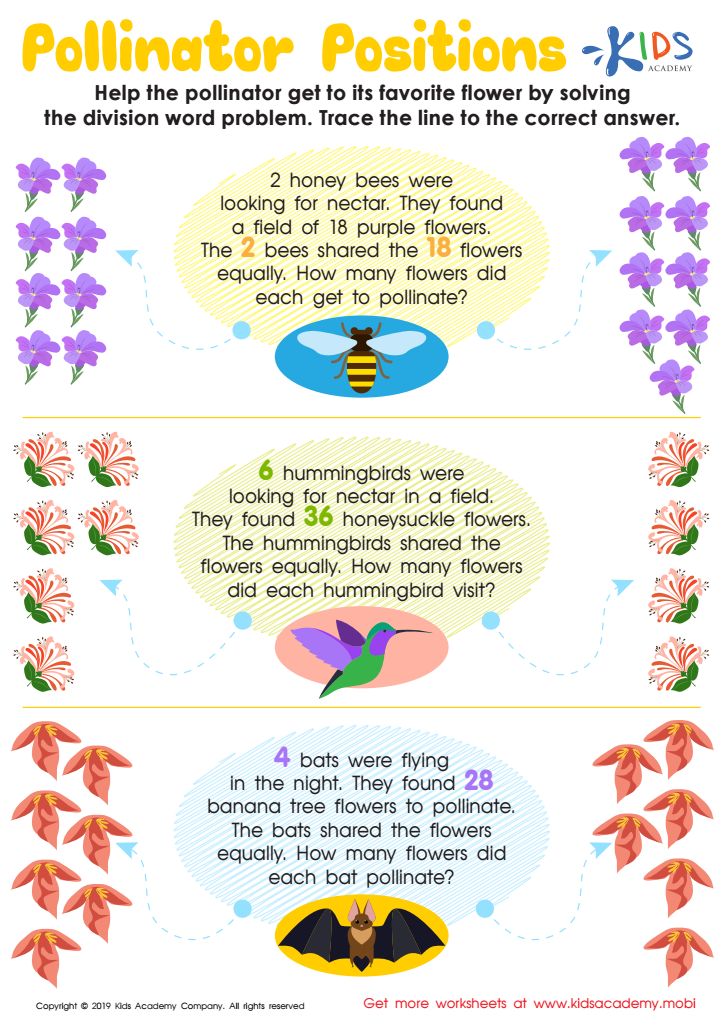
Pollinator Positions Worksheet
 Assign to My Students
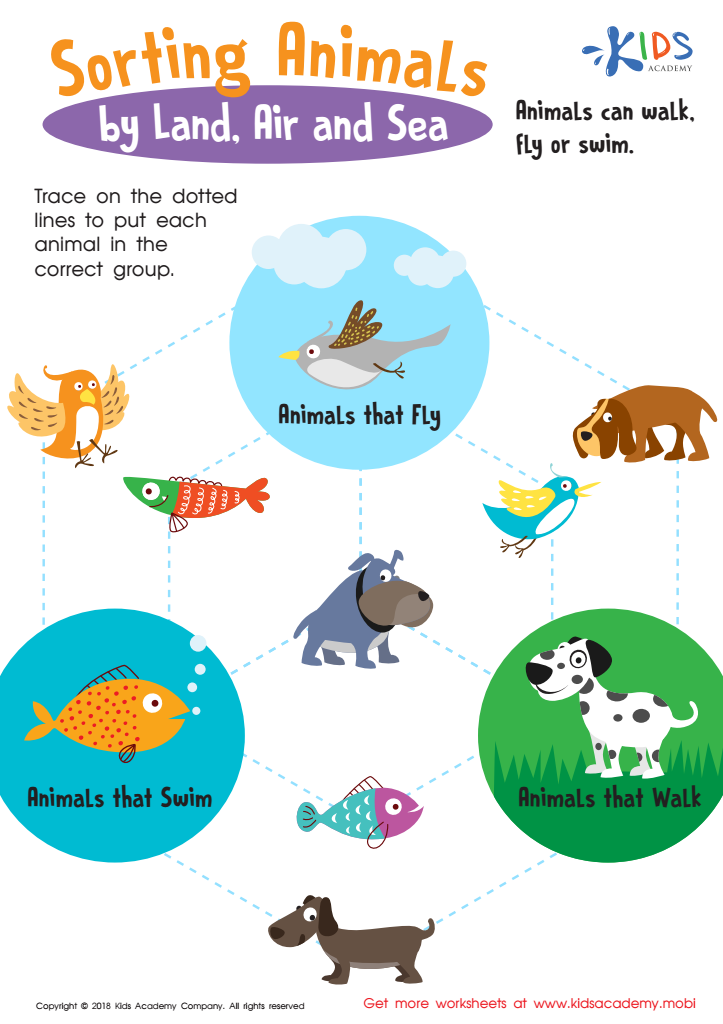
Sorting Animals by Land, Air and Sea Worksheet
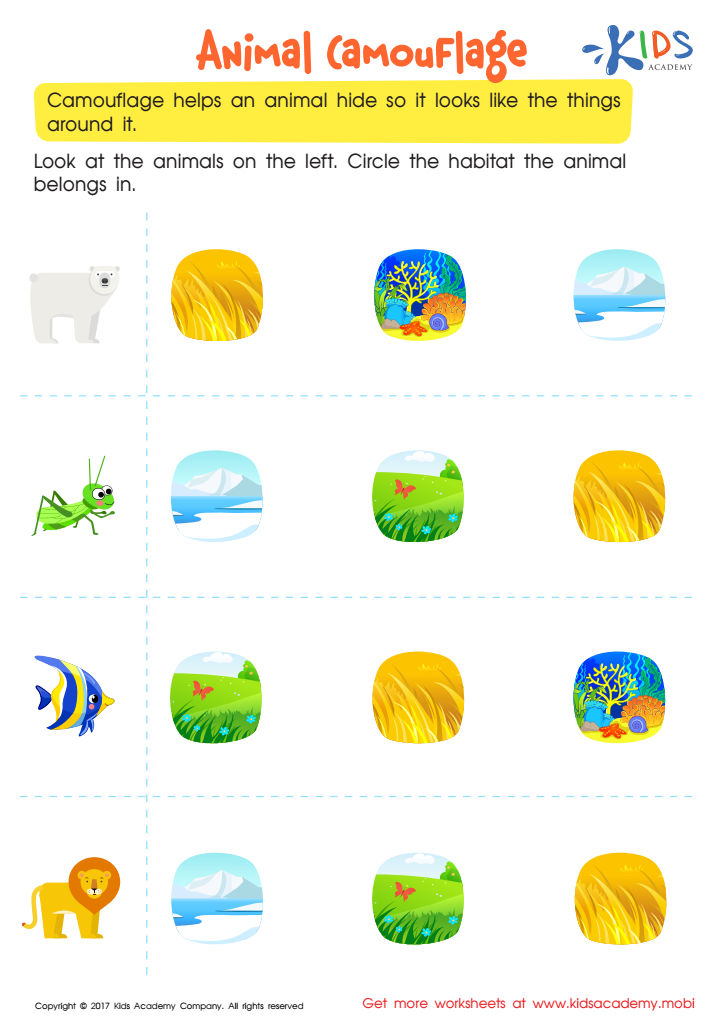
Animal Camouflage Worksheet
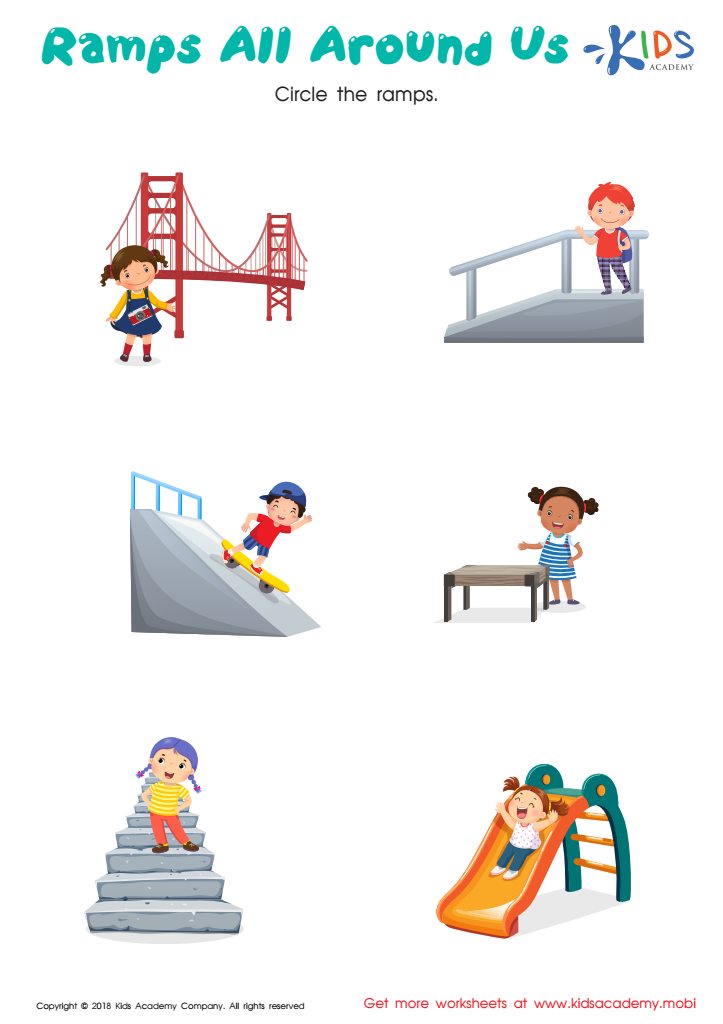
Ramps All Around us Worksheet
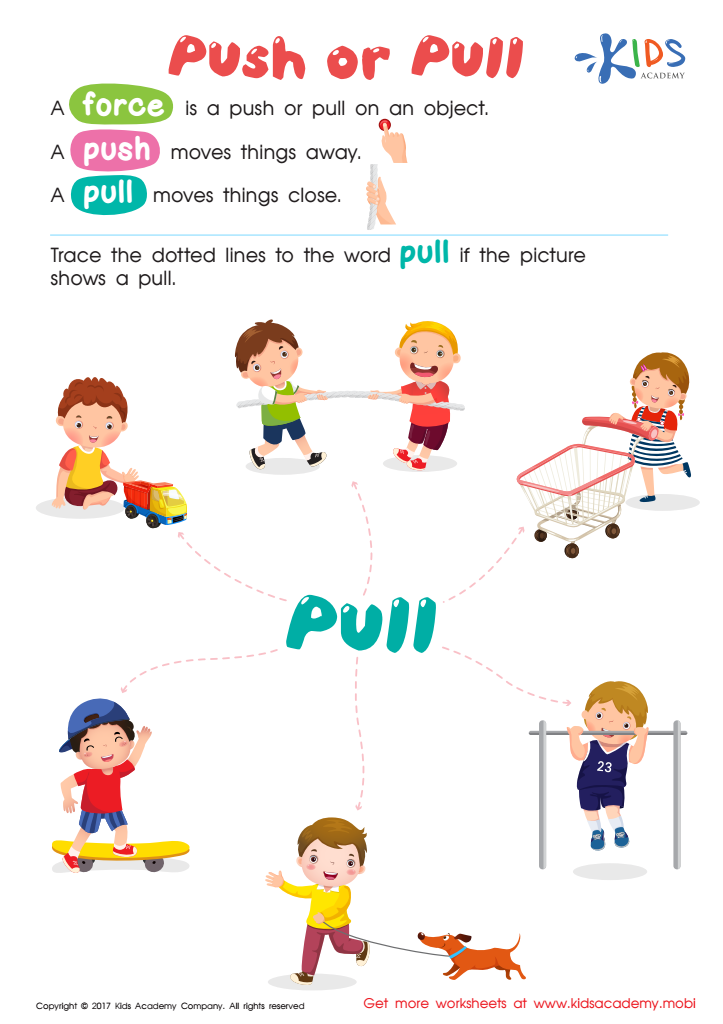
Pull or Push Worksheet
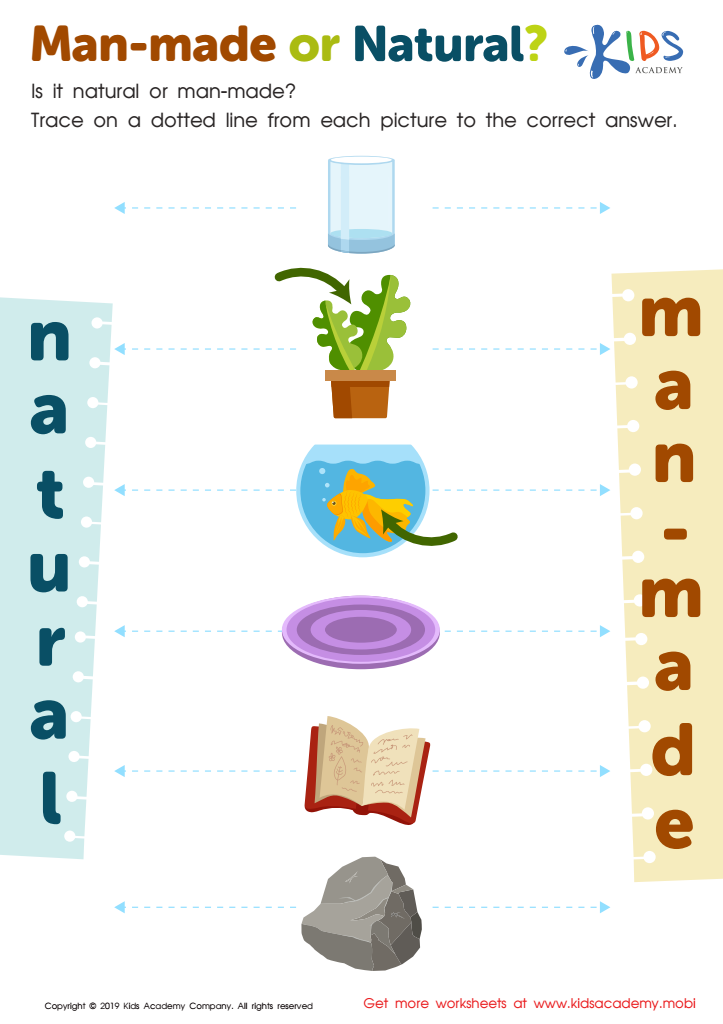
Man-Made or Natural? Worksheet
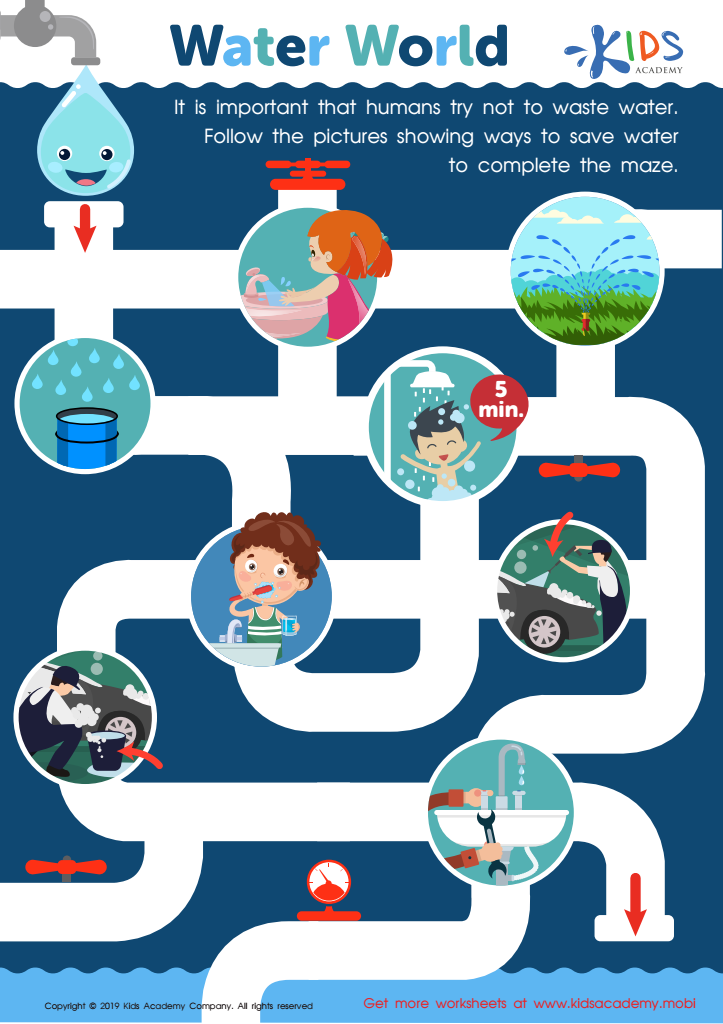
Water World Worksheet







Enhancing observation skills in young children aged 4-6 is crucial for their overall development and learning process. During these formative years, children are naturally curious and full of questions about the world around them. Developing strong observation skills fosters this curiosity, allowing them to become keen observers of their environment, which is the foundation of scientific inquiry. When parents and teachers encourage these skills, children learn to notice details, gather information, and begin to form hypotheses based on their observations.
This practice does more than just enhance scientific thinking; it also supports literacy, math, and social skills. For example, observing and describing the characteristics of a plant can boost vocabulary and promote storytelling, while counting objects develops basic math skills. Moreover, learning to observe carefully encourages children to engage with peers in discussions, fostering social interaction and collaboration.
By prioritizing observational skills, parents and teachers equip children with the critical thinking abilities needed for problem-solving and decision-making in life. As they grow, these foundational skills will enhance their capacity for learning, instilling a love for investigation and a deeper understanding of their world, laying the groundwork for success in future educational endeavors.







