Number Recognition Normal Science Worksheets for Ages 4-6
5 filtered results
-
From - To
Discover our engaging "Number Recognition Normal Science Worksheets for Ages 4-6," designed to spark your child's interest in numbers and science! These printable worksheets provide young learners with fun activities that help them identify and count numbers while exploring basic scientific concepts. Each worksheet combines colorful illustrations with interactive tasks, making learning enjoyable and effective. Perfect for teachers and parents alike, these resources are aligned with early education standards, ensuring a solid foundation in both math and science. Help your child build confidence in number recognition through exciting and educational worksheets that promote a love for learning in young minds!

African Wildlife: Giraffe Worksheet
 Assign to My Students
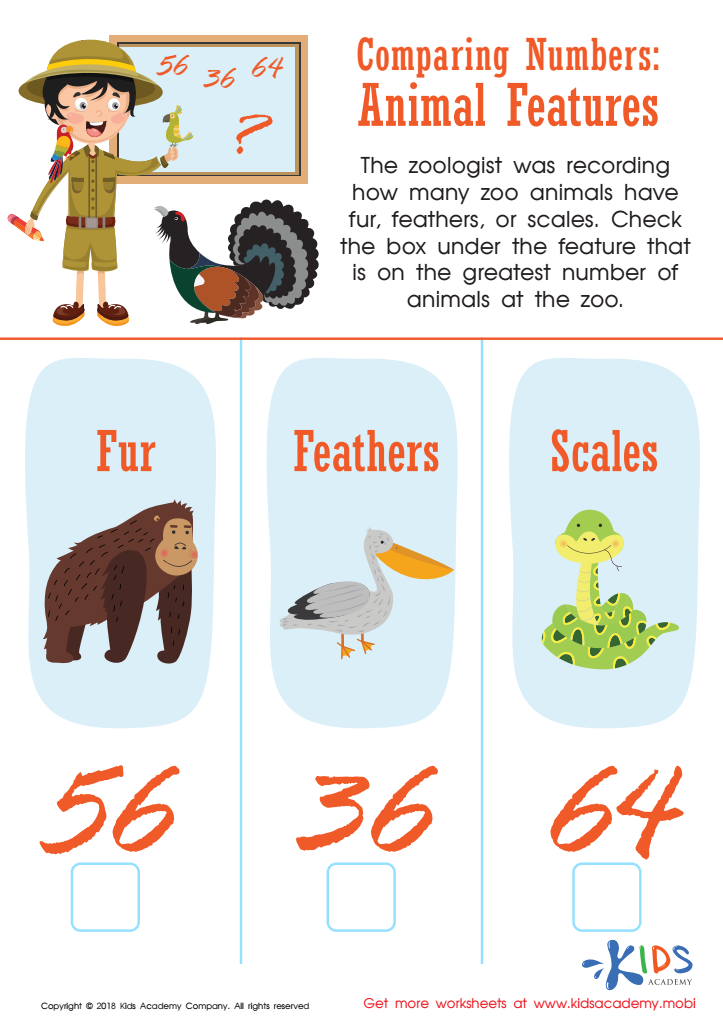
Animal Features Worksheet
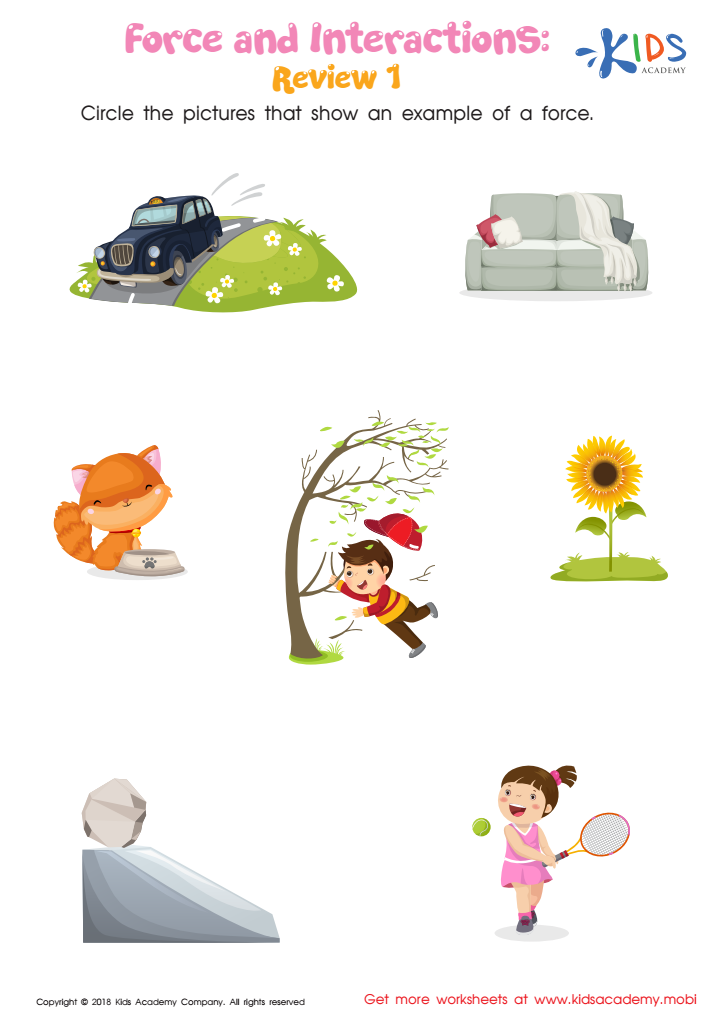
Force and Interactions: Review 1 Worksheet

Ten in the Bed Worksheet
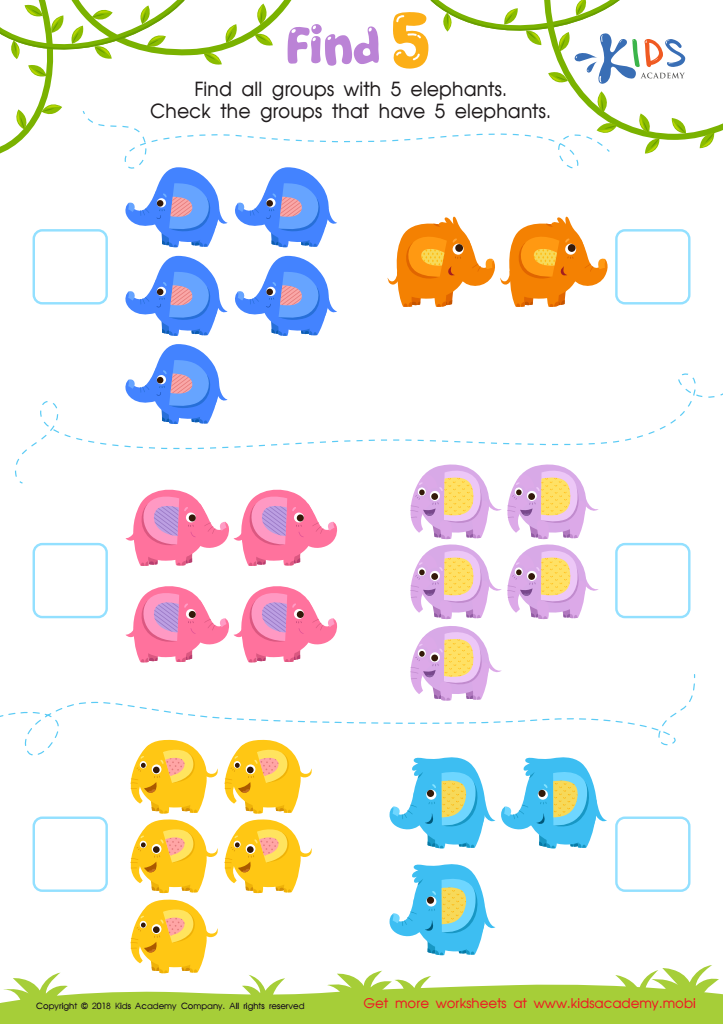
Find 5 Worksheet








Number recognition is a fundamental skill in early childhood education, particularly for children aged 4-6, and it lays the foundation for mathematical understanding. Parents and teachers should care about this development for several reasons.
Firstly, number recognition helps children recognize and understand the world around them. Numbers are everywhere in daily life – from clocks to age to quantity in a grocery store – and being able to identify them allows children to make sense of their environment.
Secondly, early number recognition is linked to later math success. Research shows that children who can recognize and name numbers at a young age are more likely to excel in mathematics as they grow older. This skill boosts confidence and paves the way for complex mathematical concepts, like addition and subtraction.
Additionally, engaging children in fun activities, such as counting games, number-related stories, and interactive math games, fosters a love for learning. These experiences are essential for developing a positive attitude toward education and building critical thinking skills.
In summary, fostering number recognition in early learners not only supports immediate learning but also sets the stage for future academic achievement, making it a priority for both parents and teachers.







