Fine Motor Skills Normal Social Studies Worksheets for Ages 4-6
3 filtered results
-
From - To
Discover our engaging Fine Motor Skills Normal Social Studies Worksheets designed specifically for children ages 4-6. These expertly crafted worksheets combine fun with education, helping young learners develop essential fine motor skills while exploring fundamental social studies concepts. Your little ones will enjoy a variety of activities, such as tracing, cutting, and coloring, all aimed at enhancing their hand-eye coordination and dexterity. Each worksheet is aligned with early educational standards, ensuring a well-rounded learning experience. Perfect for at-home practice or classroom settings, our resources are ideal for fostering curiosity and creativity in young minds while building crucial foundational skills.
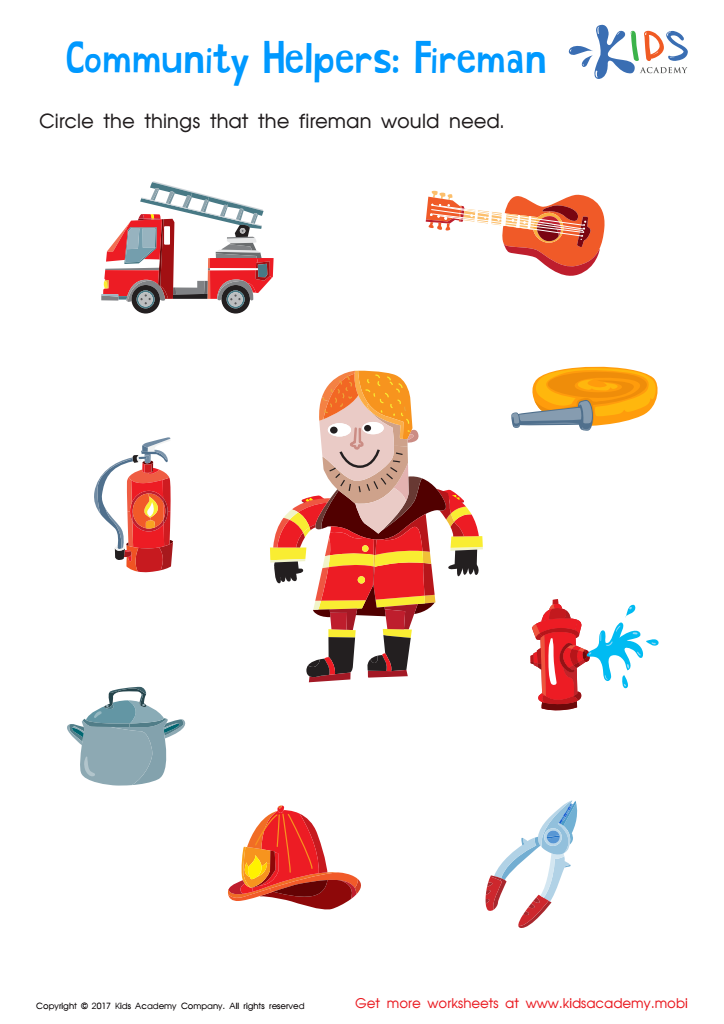
Fireman Worksheet
 Assign to My Students

Easter Holiday Printable
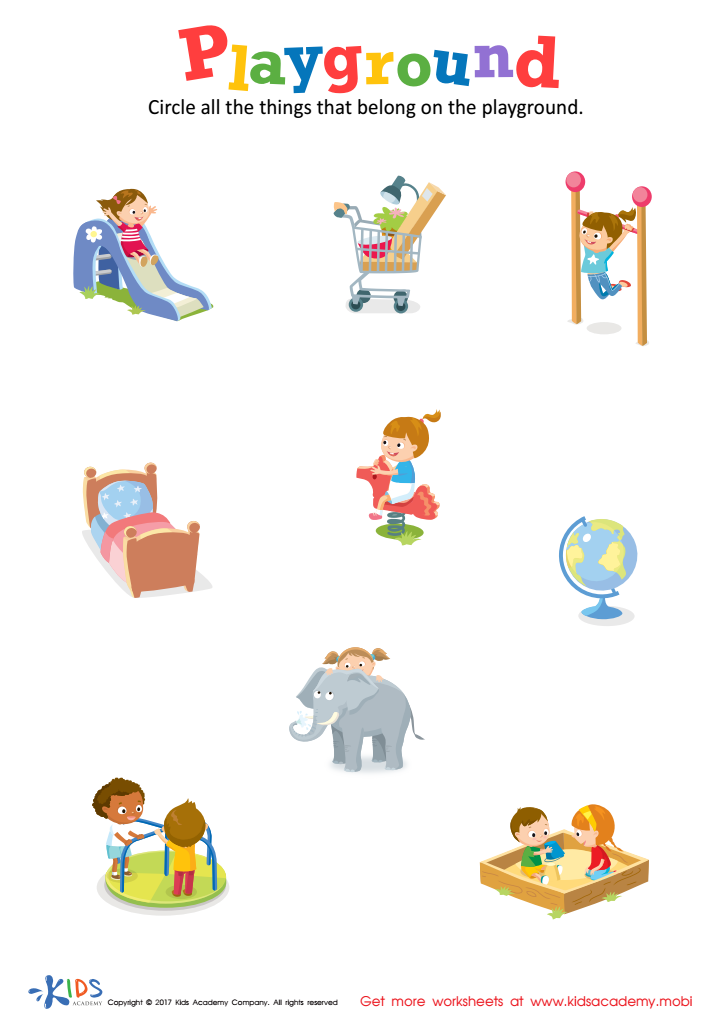
Playground Worksheet







Fine motor skills are crucial for the developmental growth of children aged 4-6, and their significance extends beyond mere physical capability. For parents and teachers, promoting these skills is essential because they lay the groundwork for children’s ability to perform everyday tasks, such as drawing, writing, and manipulating small objects.
Engaging in activities that enhance fine motor skills also fosters cognitive development. As children handle various materials—like crayons, scissors, and building blocks—they not only strengthen their hand-eye coordination but also engage critical thinking and problem-solving skills. These activities encourage exploration and creativity, essential traits for successful learning.
Furthermore, fine motor skills impact children’s confidence and independence. Mastery of tasks like buttoning shirts or tying shoes boosts self-esteem, reinforcing a sense of accomplishment. Socially, these skills are pivotal for cooperative play, enabling children to work together on projects or games.
In the context of social studies, enhancing fine motor skills can help children better express themselves through art projects, contribute to group discussions, and understand culturally significant activities that require dexterity, such as crafting. Ultimately, supporting fine motor development equips young learners not just for academic success, but for a well-rounded and confident growth into their communities.








