Alphabet Recognition Normal ABC Letters Worksheets for Ages 4-7
19 filtered results
-
From - To
Help your young learner master letter recognition with our "Alphabet Recognition Normal ABC Letters Worksheets"! Specifically designed for ages 4-7, these engaging and educational worksheets enhance your child's ability to identify, trace, and write all 26 letters of the alphabet. Our interactive exercises are perfect for early childhood education, blending fun activities with structured learning elements. Aligned with academic standards, these resources support foundational reading, writing, and cognitive skills. Boost your child's confidence and foster a love for learning with our expertly crafted alphabet worksheets prepared by Kids Academy. Visit us for vibrant, effective learning tools!
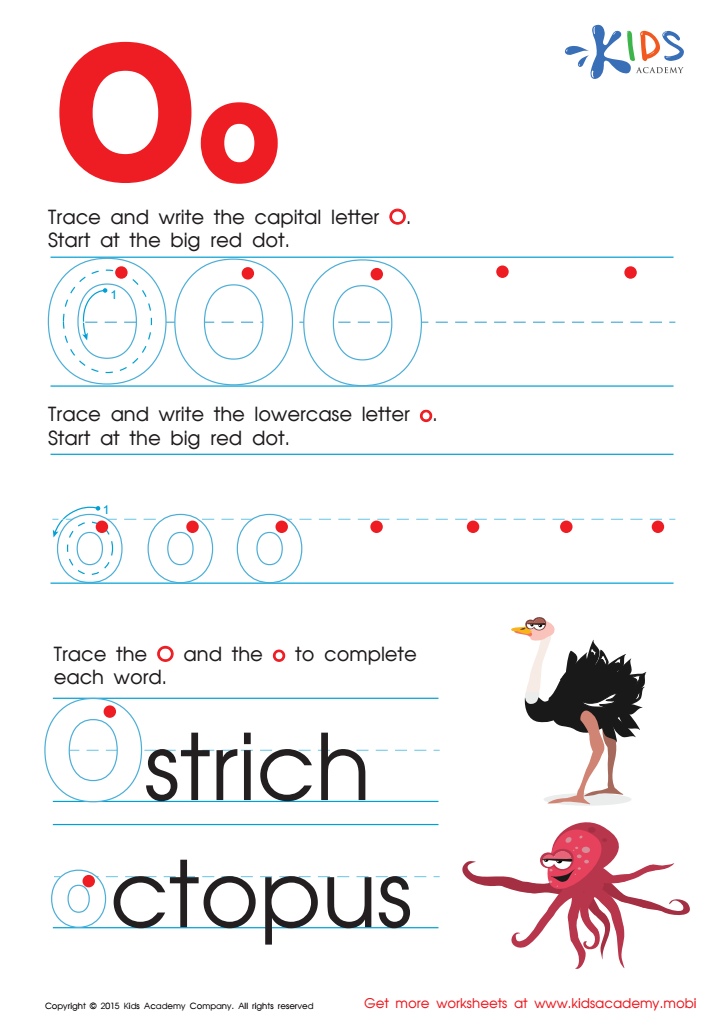
Letter O Tracing Page





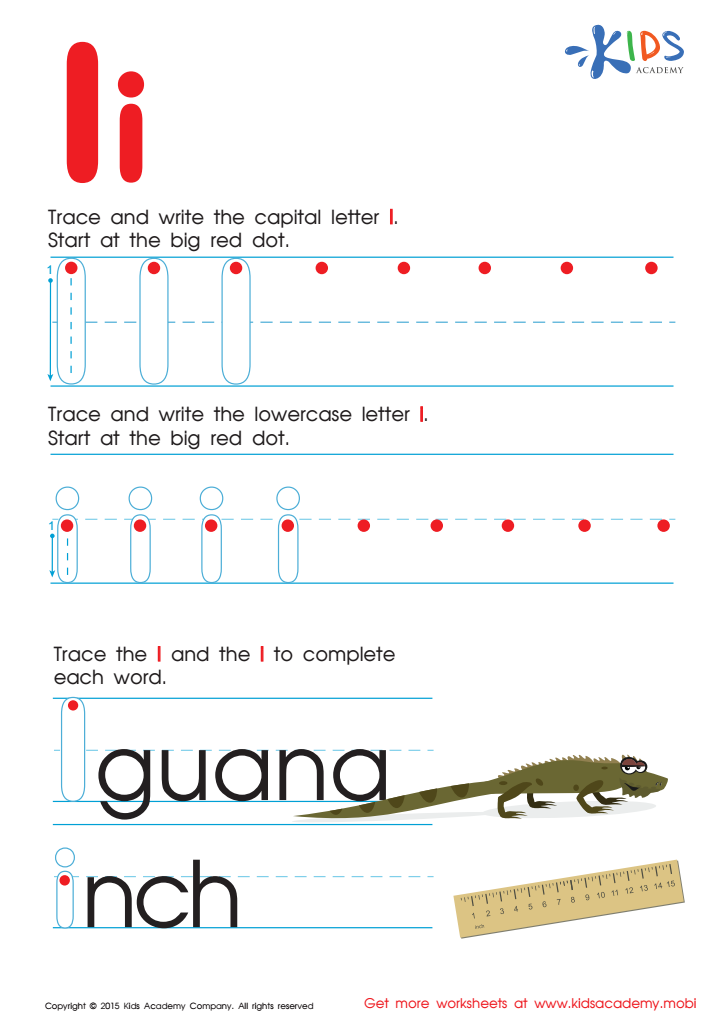
Letter I Tracing Page
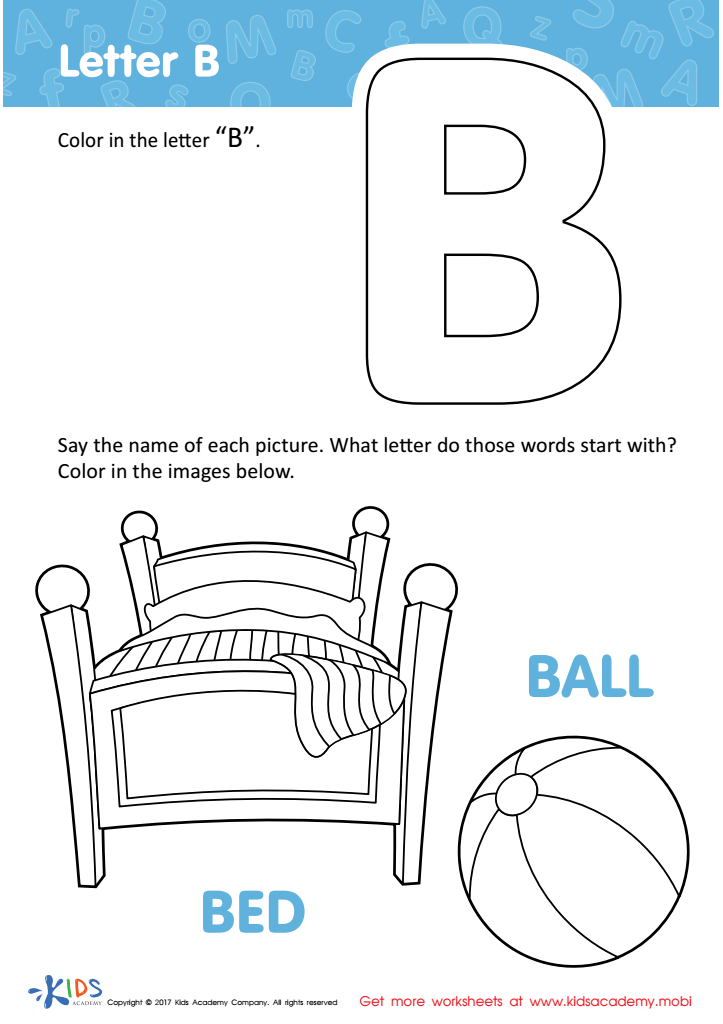
Letter B Coloring Sheet
 Assign to My Students
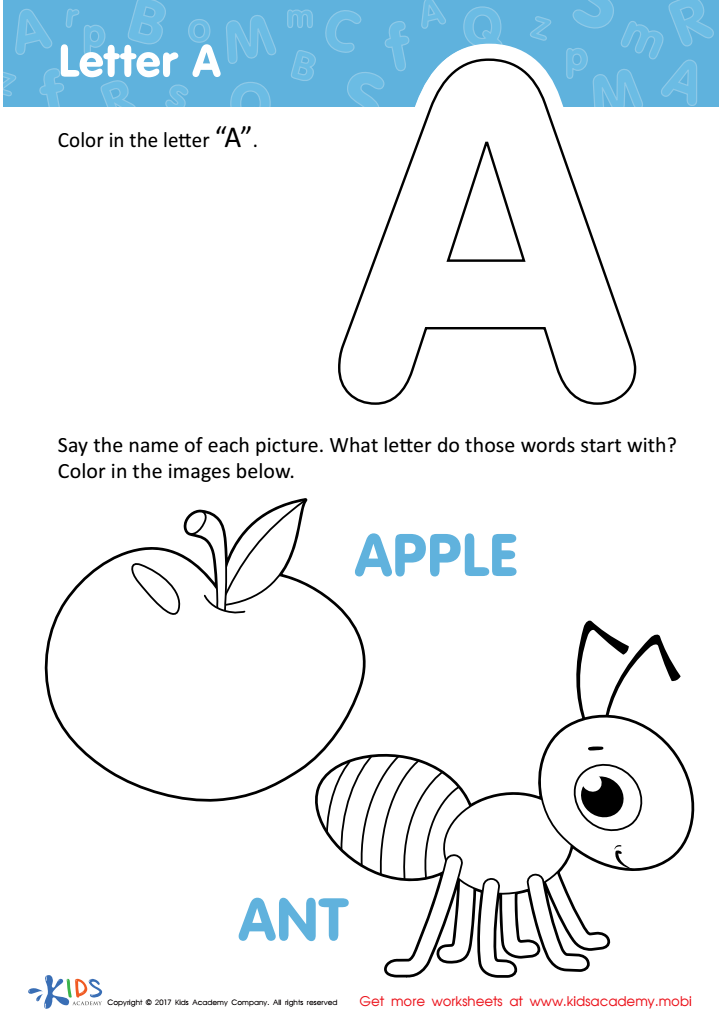
Letter A Coloring Sheet
Assign to My Students
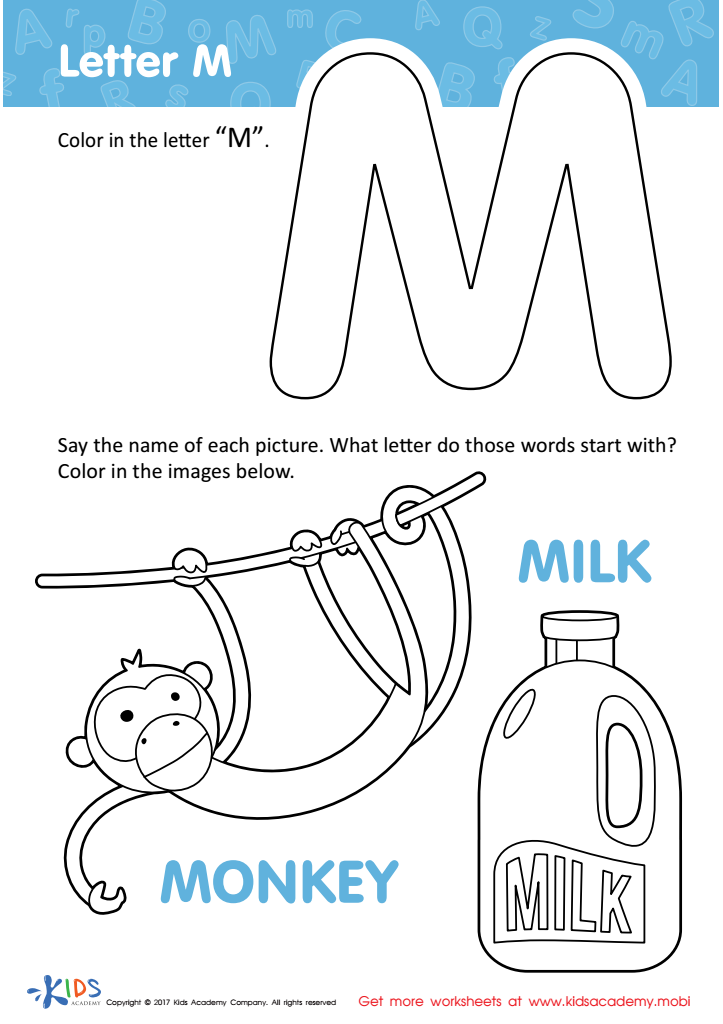
Letter M Coloring Sheet
Assign to My Students
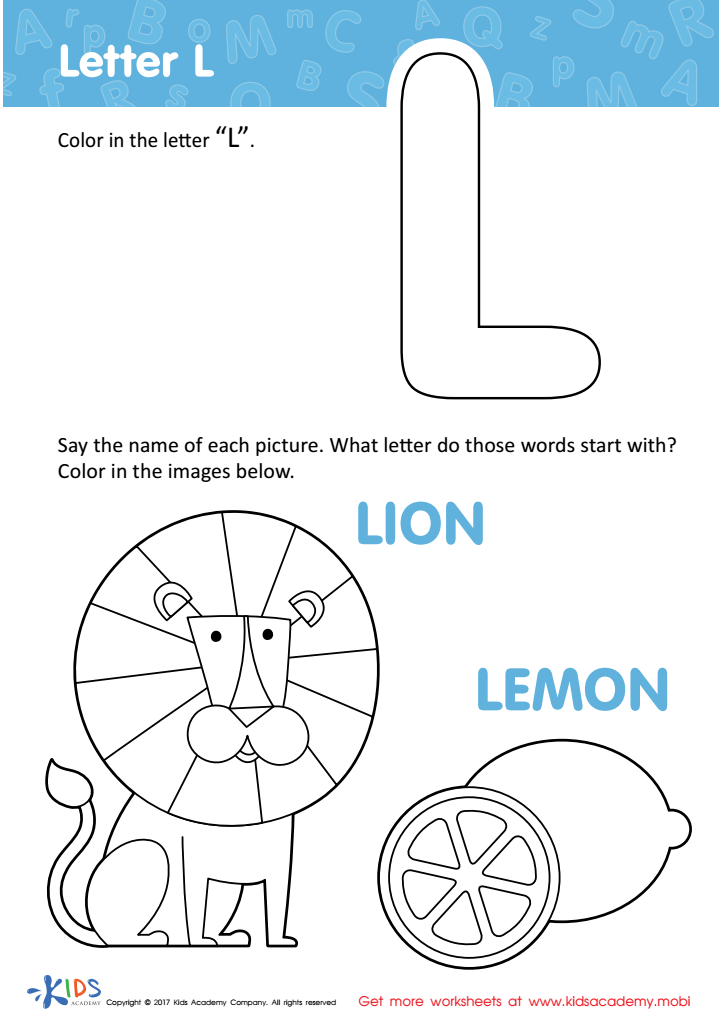
Letter L Coloring Sheet
Assign to My Students
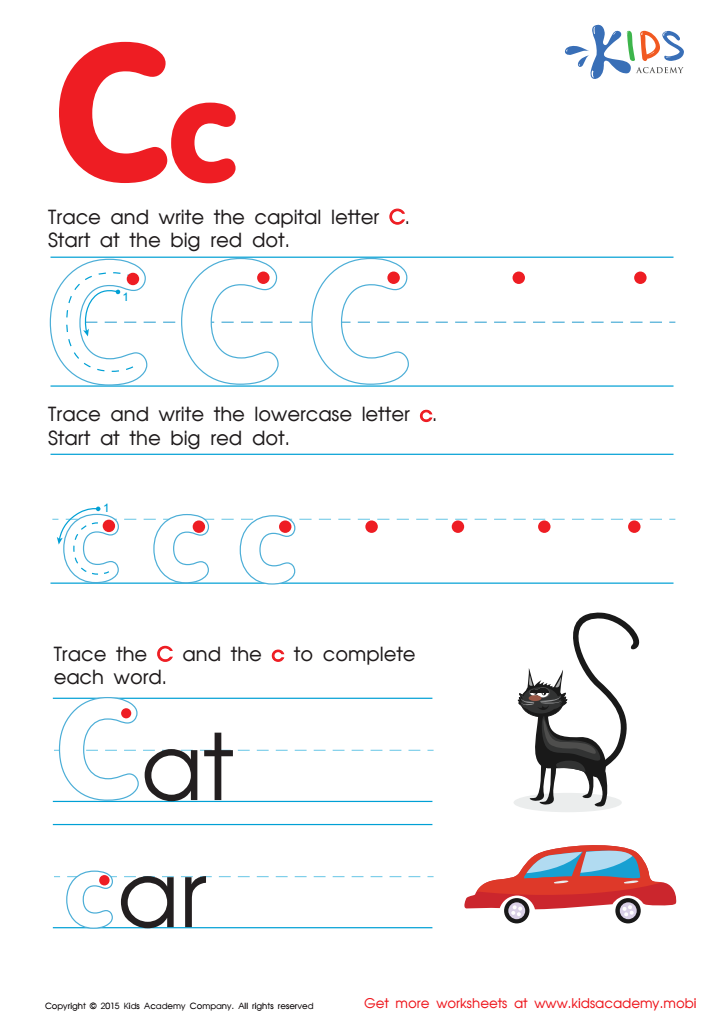
Letter C Tracing Page
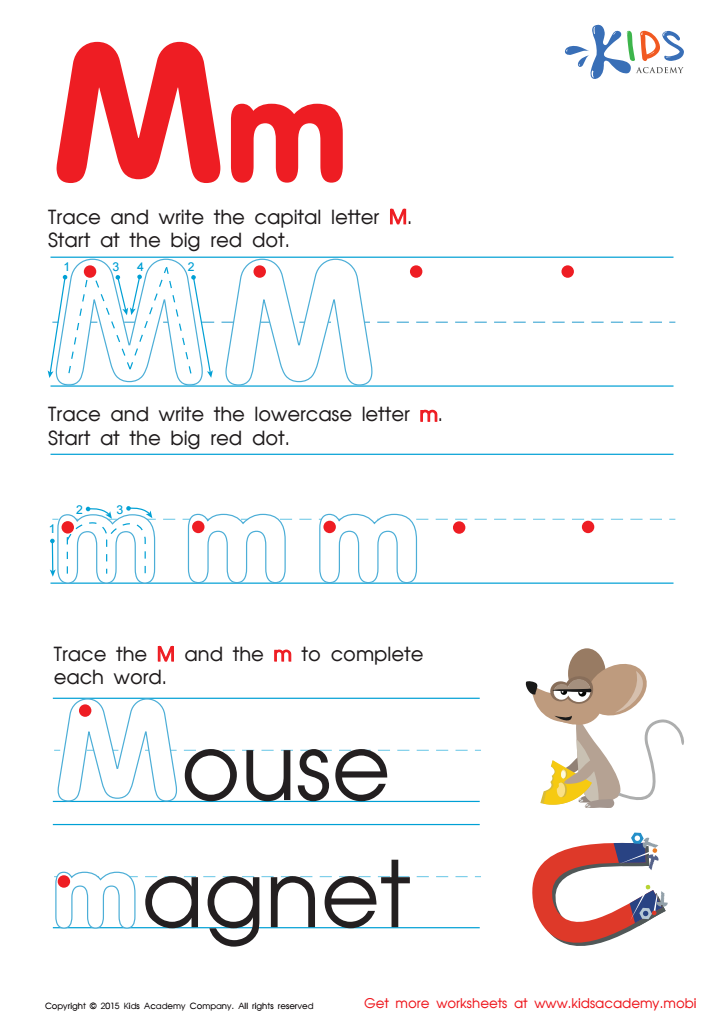
Letter M Tracing Page
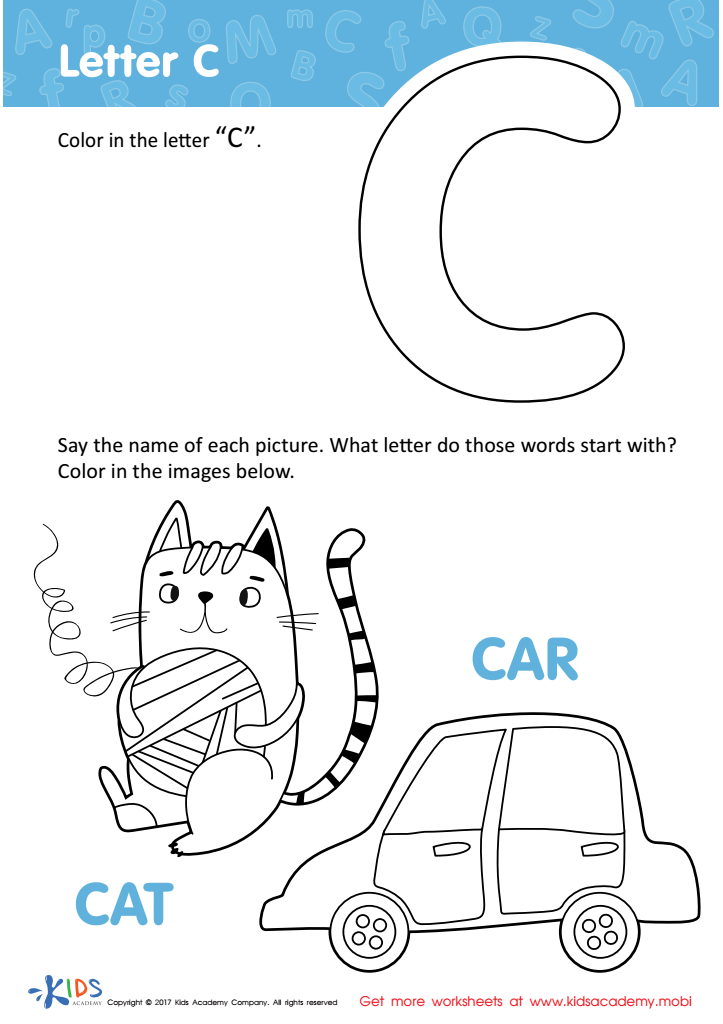
Letter C Coloring Sheet
Assign to My Students
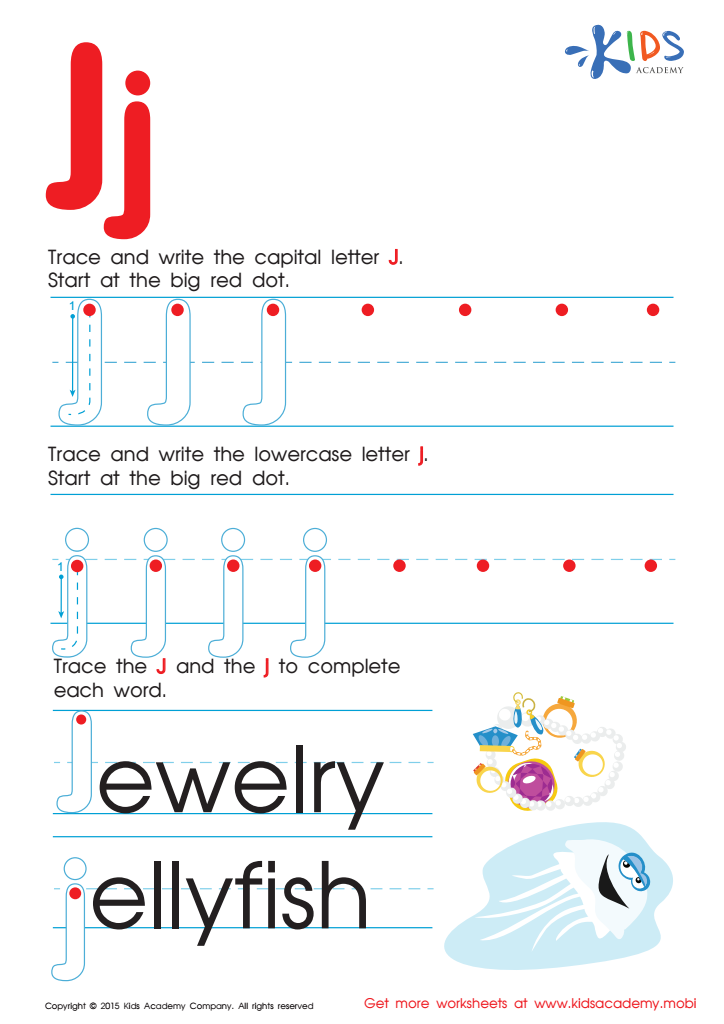
Letter J Tracing Page
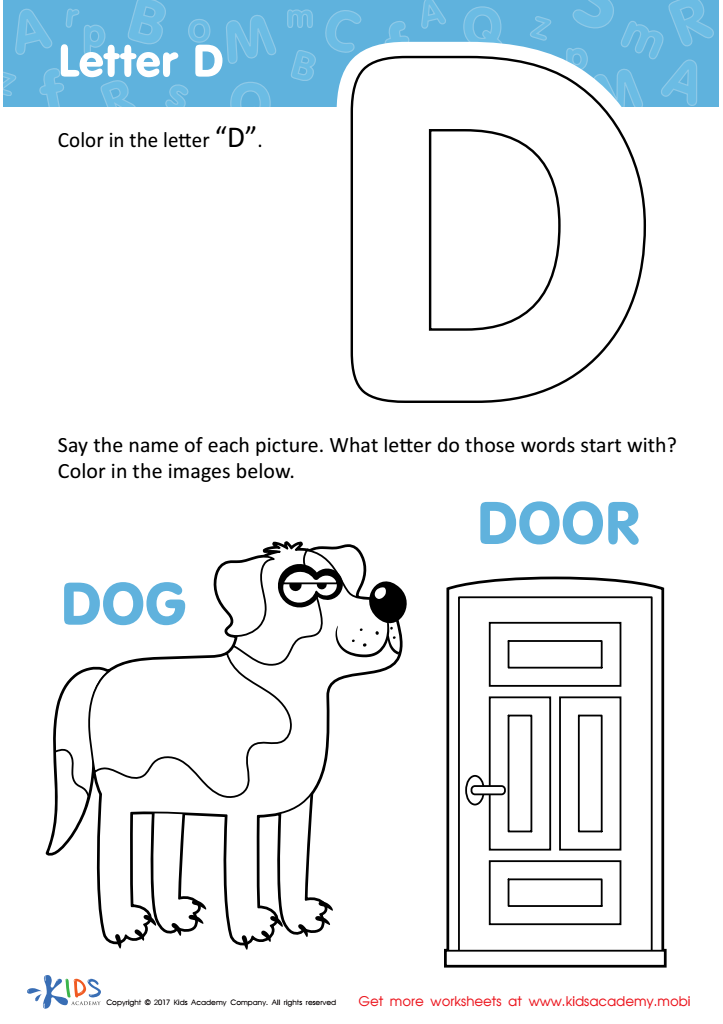
Letter D Coloring Sheet
Assign to My Students
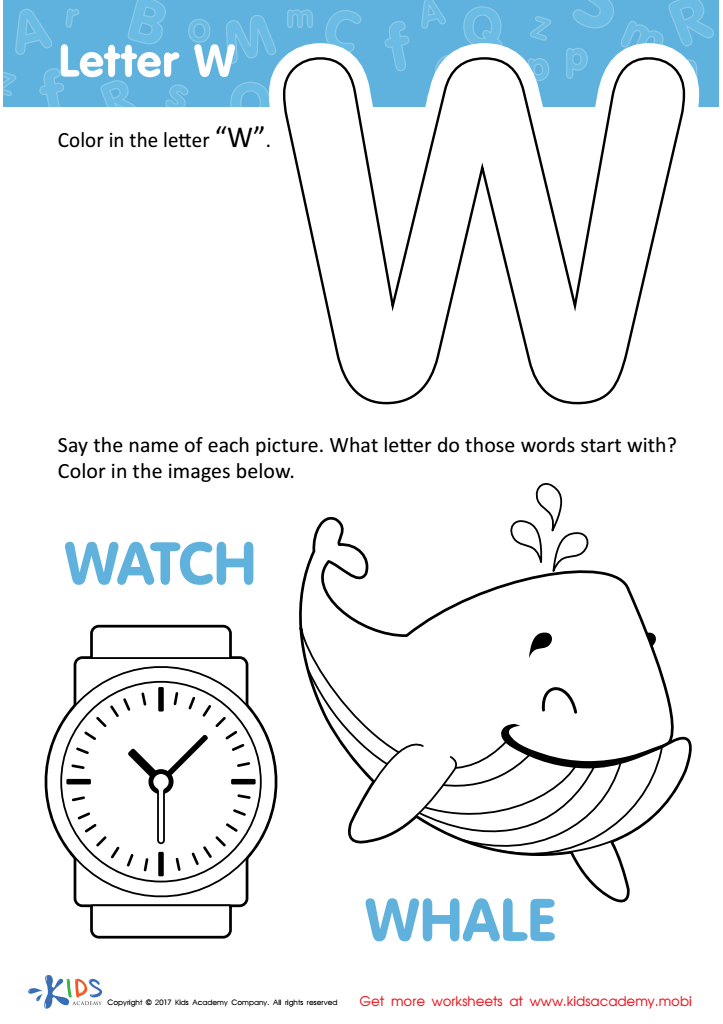
Letter W Coloring Sheet
Assign to My Students
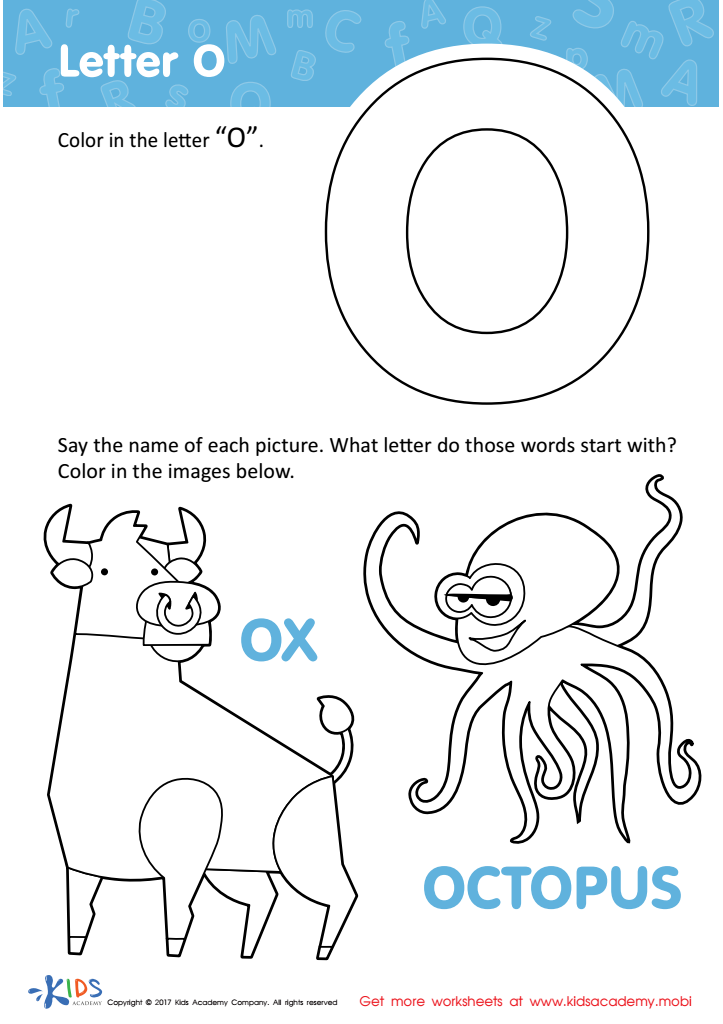
Letter O Coloring Sheet
Assign to My Students
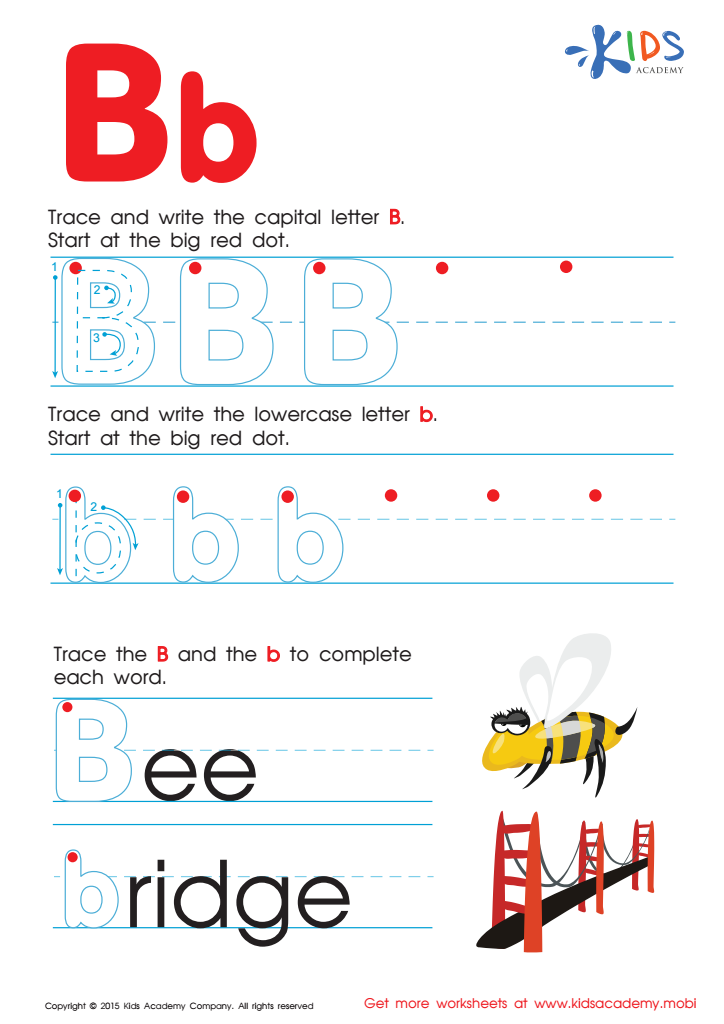
Letter B Tracing Page
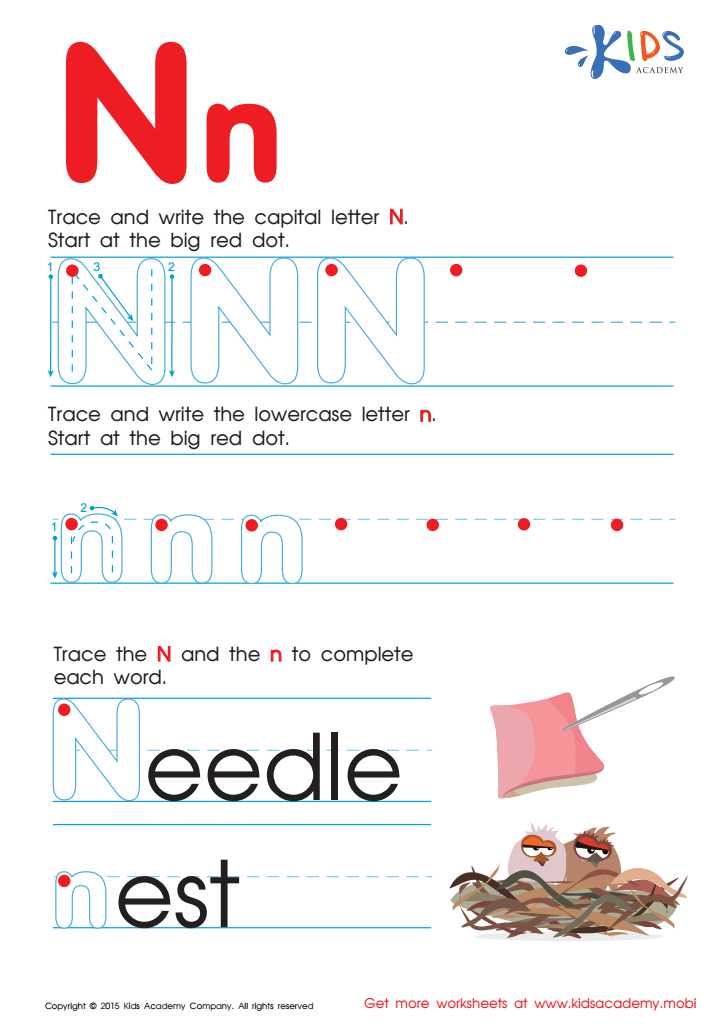
Letter N Tracing Page
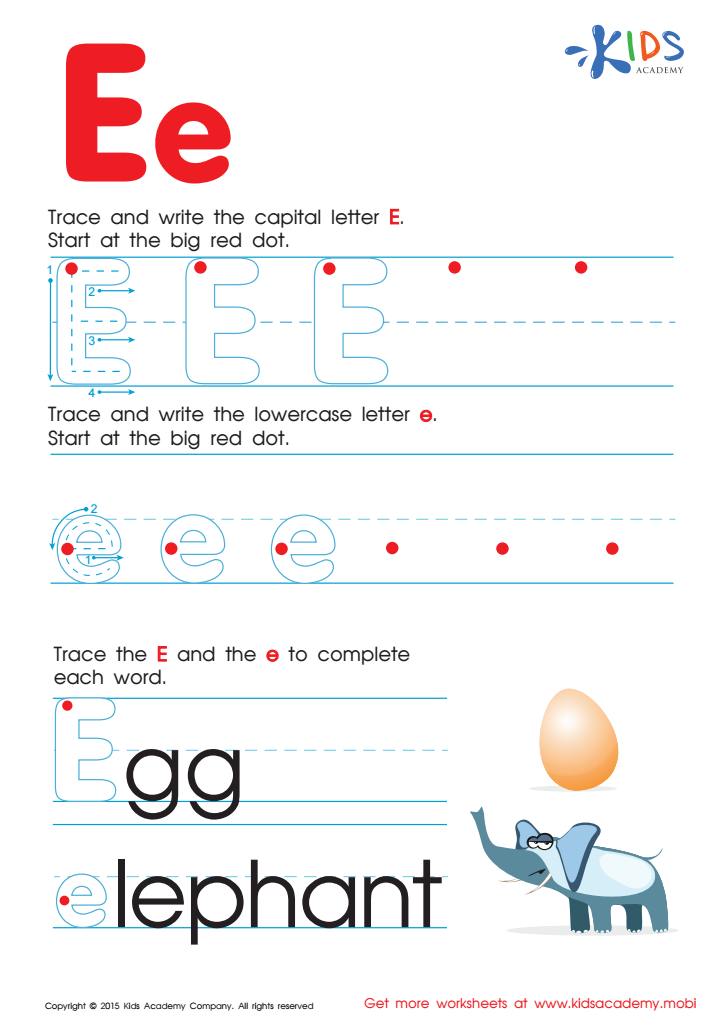
Letter E Tracing Page
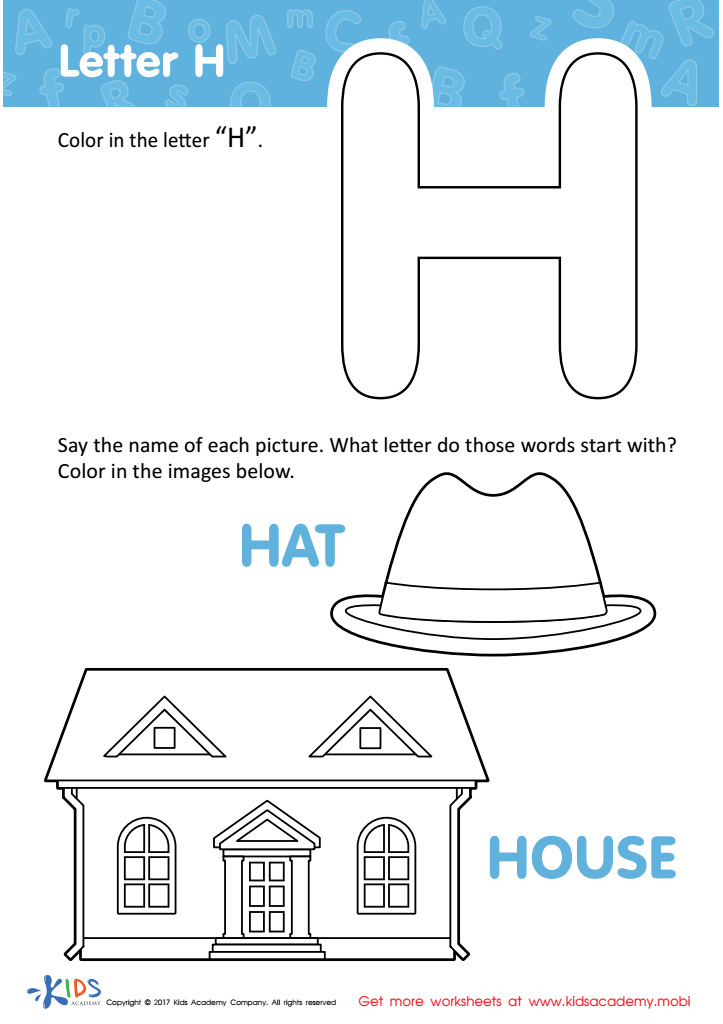
Letter H Coloring Sheet
Assign to My Students
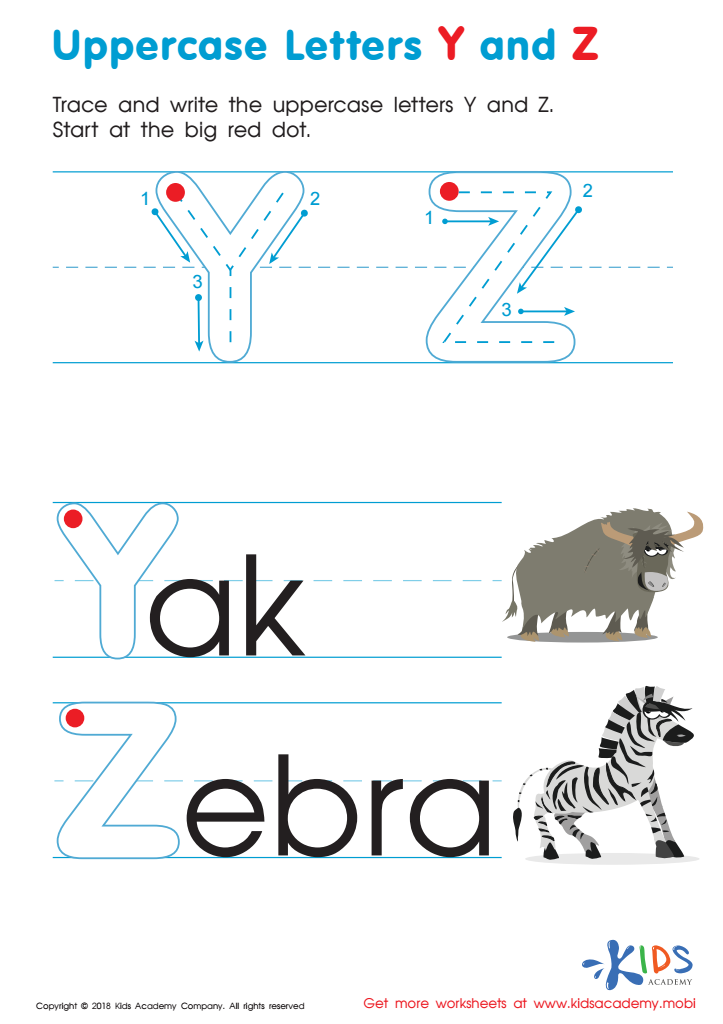
Uppercase Letters Y Z Worksheet
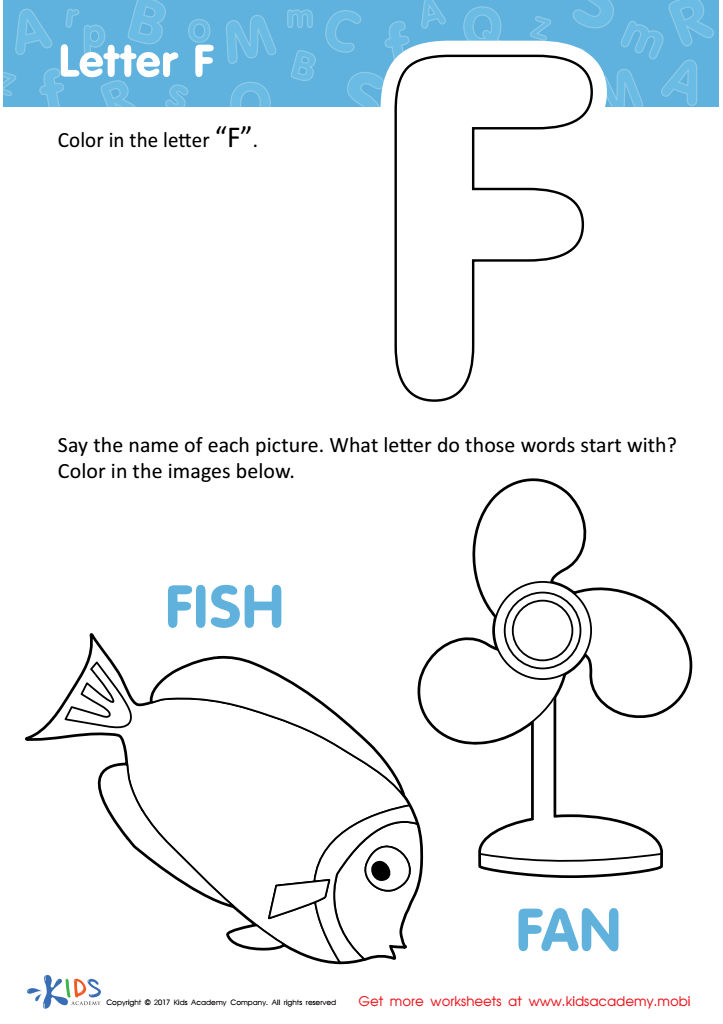
Letter F Coloring Sheet
Assign to My Students








Alphabet recognition is a fundamental skill for young children aged 4-7, acting as one of the primary building blocks for early literacy and overall educational development. Firstly, understanding and identifying individual letters form the basis of learning to read. As children recognize each letter, they associate them with specific sounds, which is crucial for phonemic awareness. This step is essential for developing skills like decoding words, blending sounds, and eventually reading fluently.
Secondly, proper alphabet recognition supports writing skills. Children learn to replicate the shapes of letters accurately, helping them improve their handwriting and the ability to form words. Further, recognizing letter names and sounds aids in spelling, a competency linked to reading and writing proficiency.
Moreover, fostering these skills at an early age encourages cognitive development. As children distinguish between different letters and their associated sounds, they enhance their memory, concentration, and problem-solving abilities. This boosts their confidence and sets a positive precedent for future learning experiences.
Teachers and parents can promote a lifelong love of learning by incorporating fun and engaging techniques to teach alphabet recognition. Activities such as singing the alphabet song, using flashcards, or playing letter-based games can make this fundamental learning stage enjoyable and effective, ensuring comprehensive educational growth for young learners.







