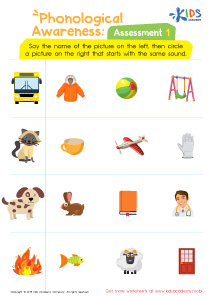
Phonics practice Normal Beginning Sounds Worksheets for Ages 4-7
5 filtered results
-
From - To
Discover our engaging "Phonics Practice Normal Beginning Sounds Worksheets" designed for children aged 4-7! These worksheets make learning fun and interactive, helping young learners identify and practice the initial sounds of letters in various words. By recognizing beginning sounds, kids enhance their reading and phonemic awareness skills. Our user-friendly worksheets are perfect for classroom use or at-home learning, offering a variety of exercises that cater to different learning styles. Each worksheet is colorful and visually appealing, fostering a love for language and literacy. Equip your child with essential phonics skills today and set them on the path to reading success!
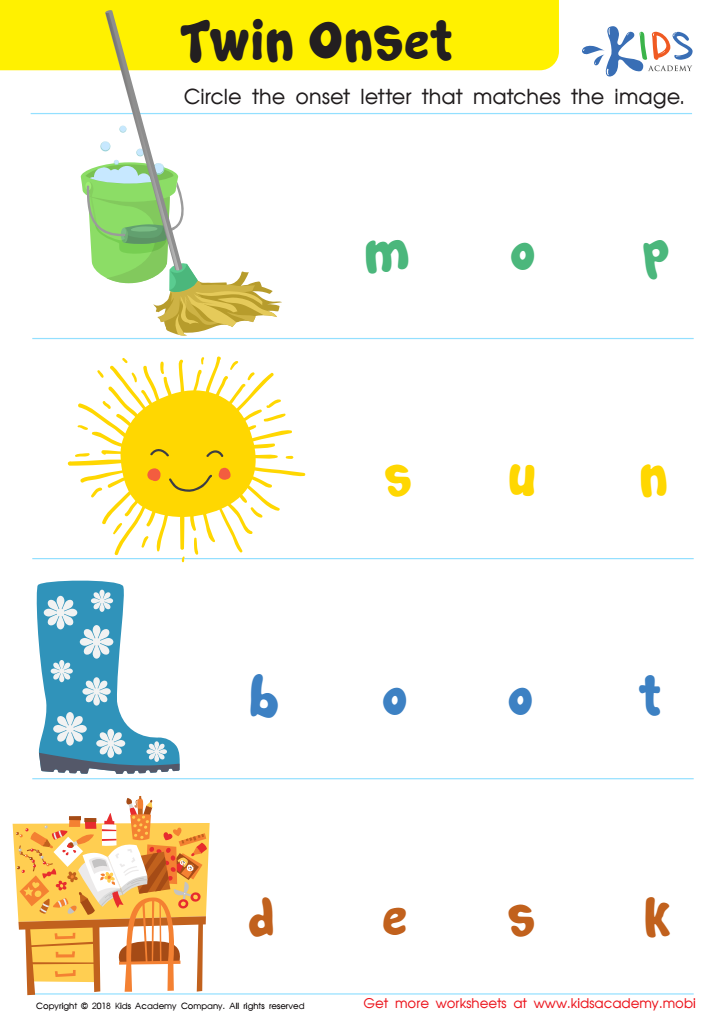
Twin Onset Worksheet
 Assign to My Students
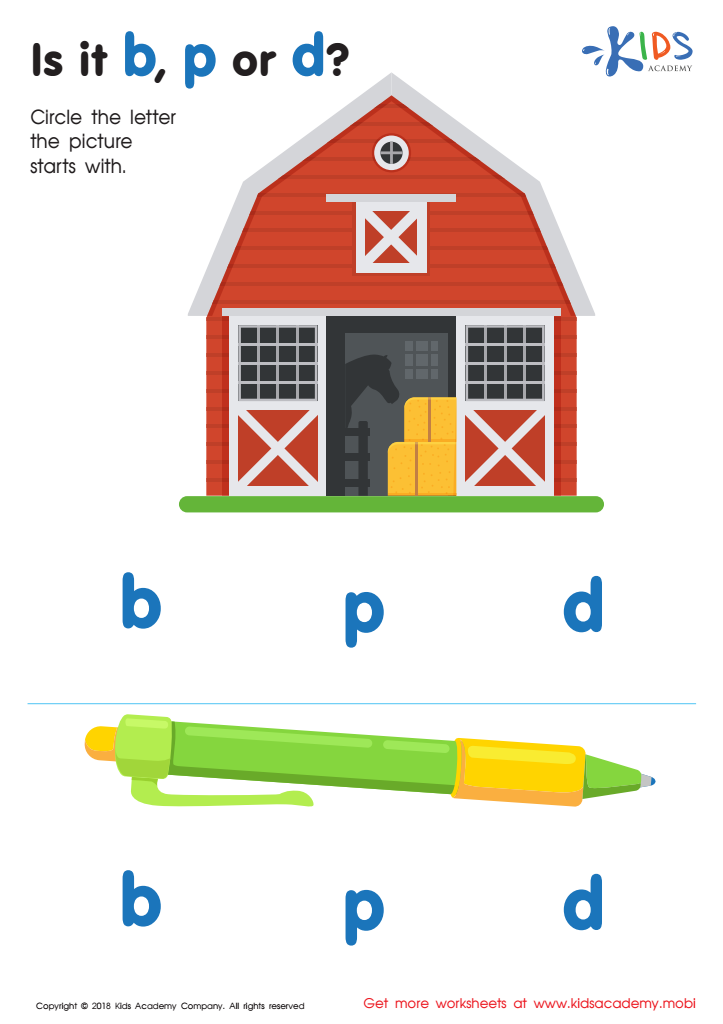
Is it b, p or d? Worksheet
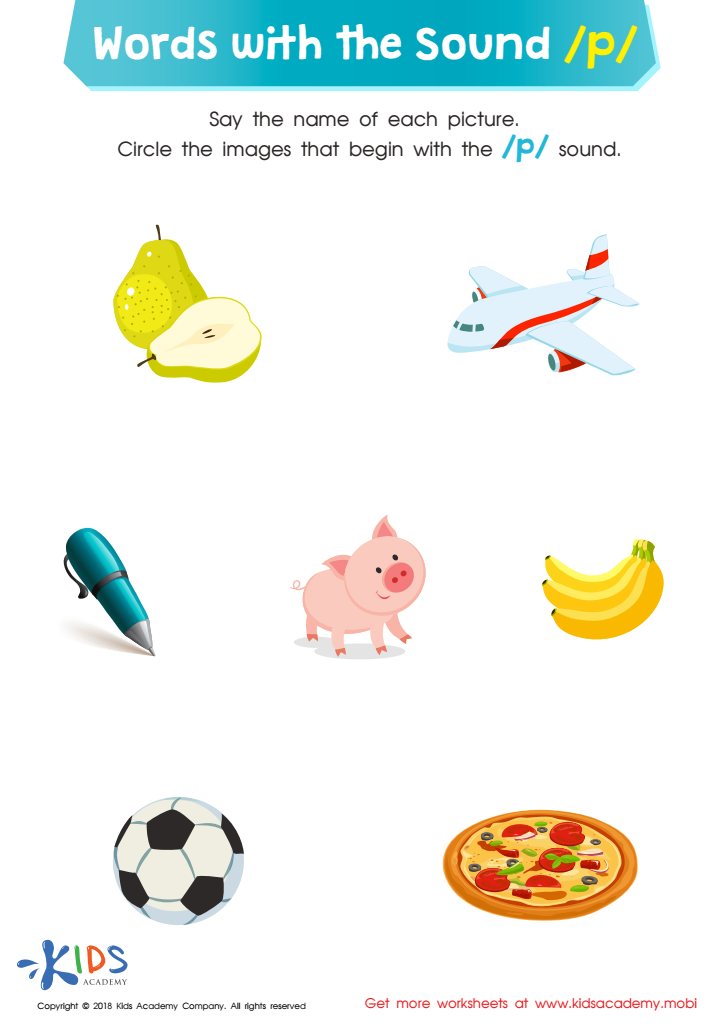
Words with sound p Reading Worksheet
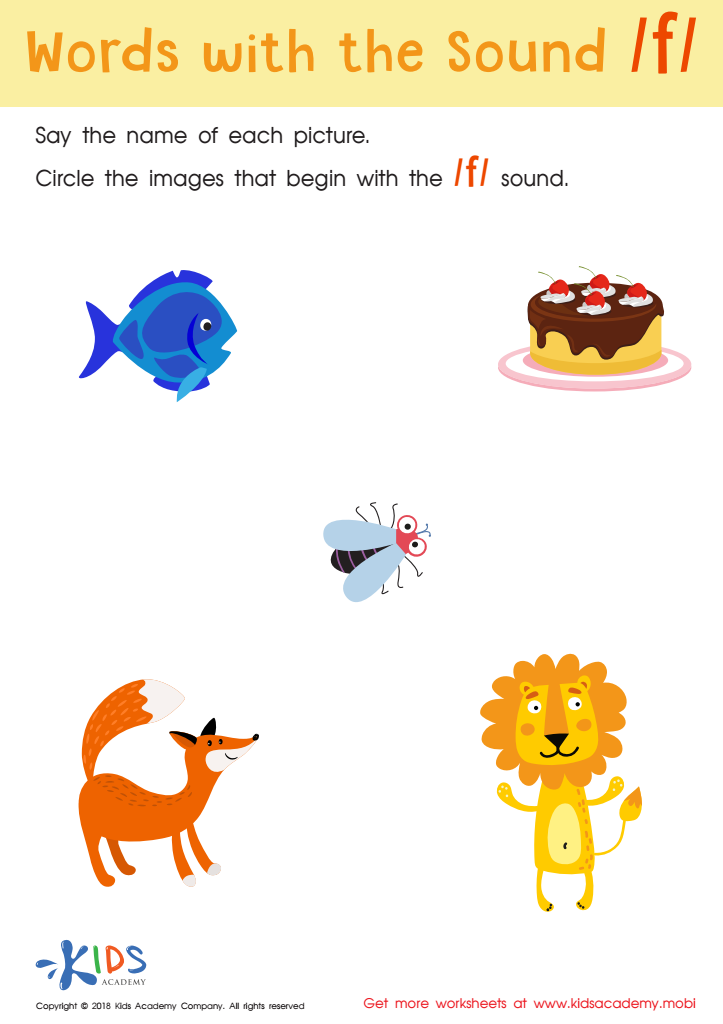
Words with sound f Reading Worksheet
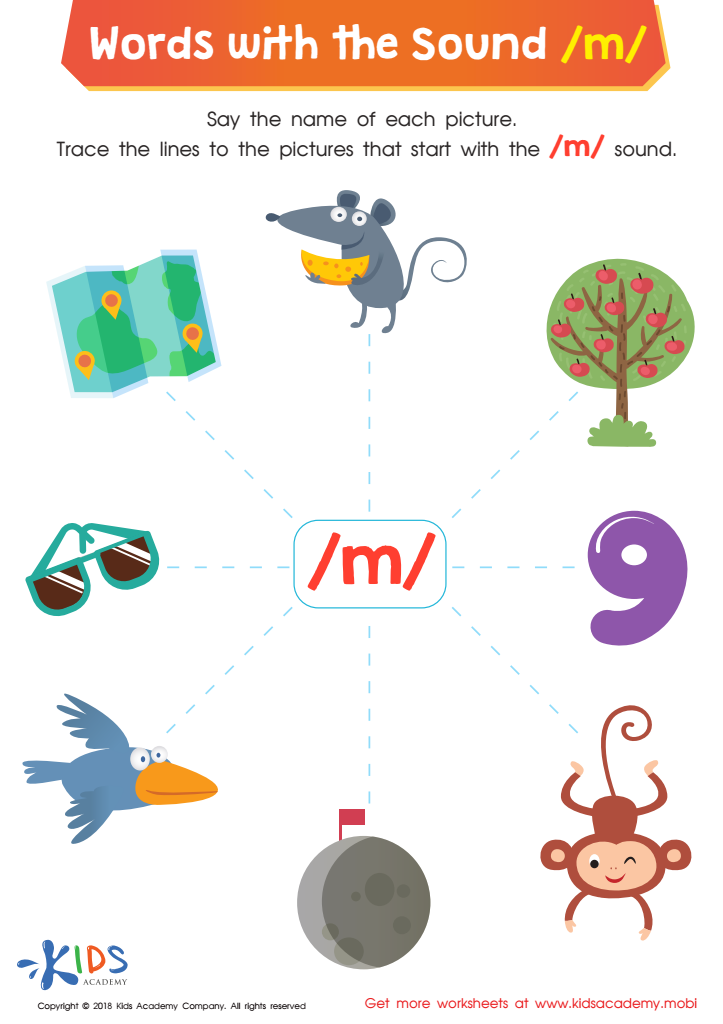
Words with Sound M Reading Worksheet








Phonics practice, particularly focusing on normal beginning sounds, is crucial for children aged 4-7 as it lays the foundation for reading and language development. At this early stage, children are developing their phonemic awareness, the ability to hear, identify, and manipulate individual sounds in words. By mastering beginning sounds, children learn to decode words, which is essential for reading fluency.
When parents and teachers emphasize beginning sounds, they help children make connections between sounds and letters, thereby supporting the development of their literacy skills. Engaging in phonics practice through fun activities—such as rhyming games, letter-sound matching, or storytelling—encourages active participation and enhances a child's love for reading.
Furthermore, proficient phonics skills boost children’s confidence as they transition to more complex reading materials. This solid grounding in phonics can positively impact their overall academic success. Parents and teachers must prioritize phonics practice, nurturing an environment where children feel empowered to explore language. Ultimately, a focus on normal beginning sounds contributes significantly to a child's cognitive and communicative growth, preparing them for lifelong learning and effective communication skills.