Handwriting practice Normal Alphabet Worksheets for Ages 4-7 - Page 2
37 filtered results
-
From - To
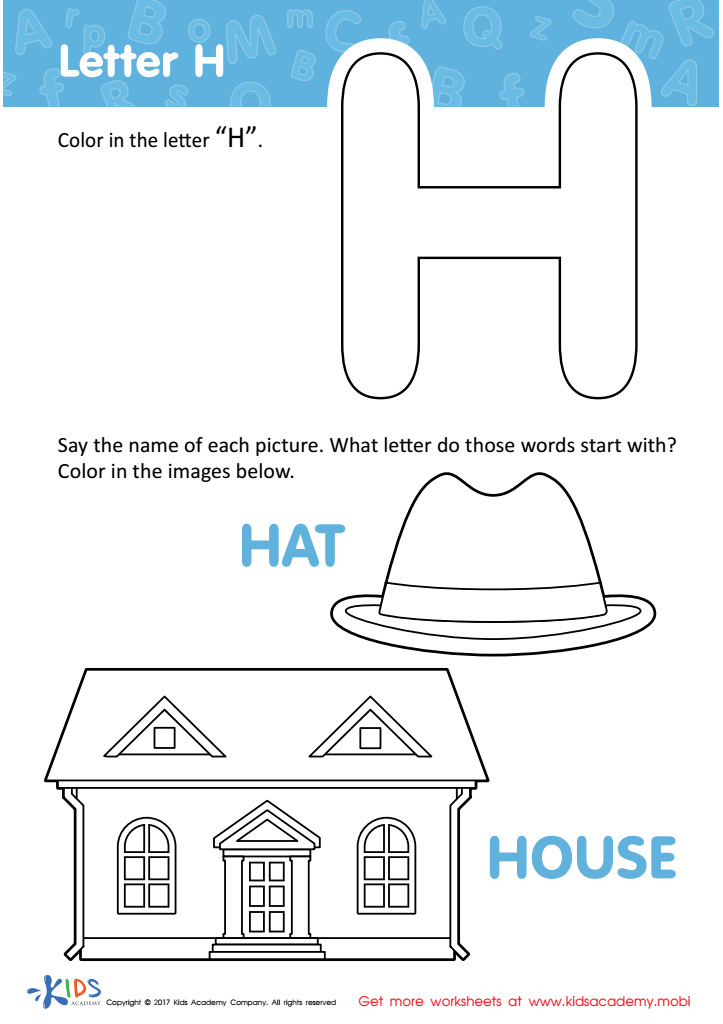
Letter H Coloring Sheet
 Assign to My Students
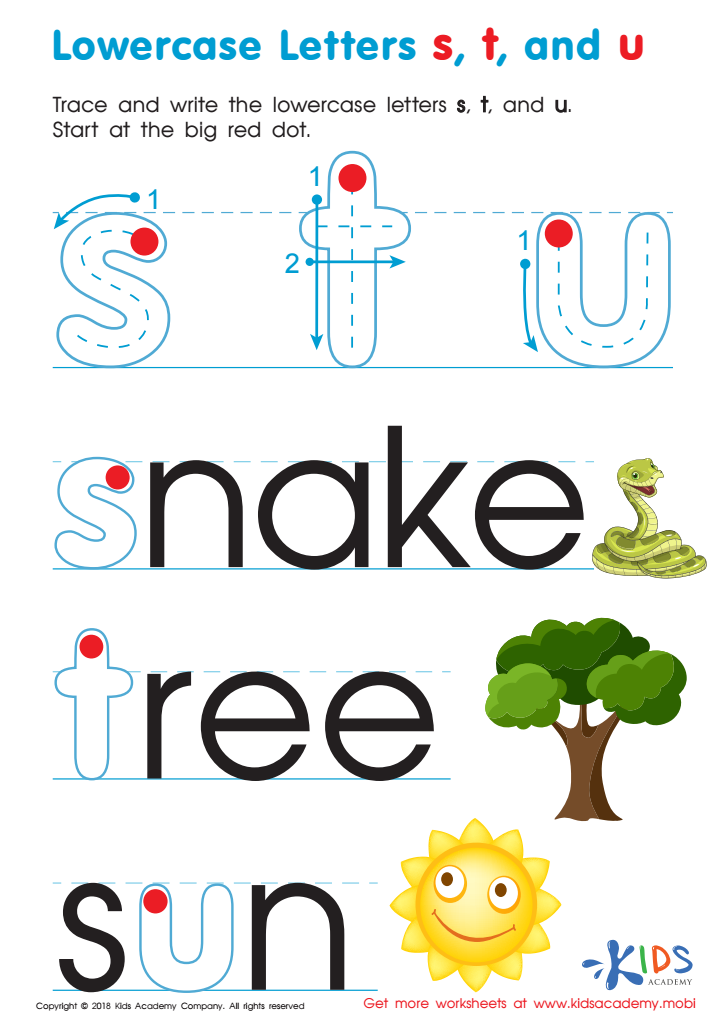
Lowercase Letters s t u Worksheet
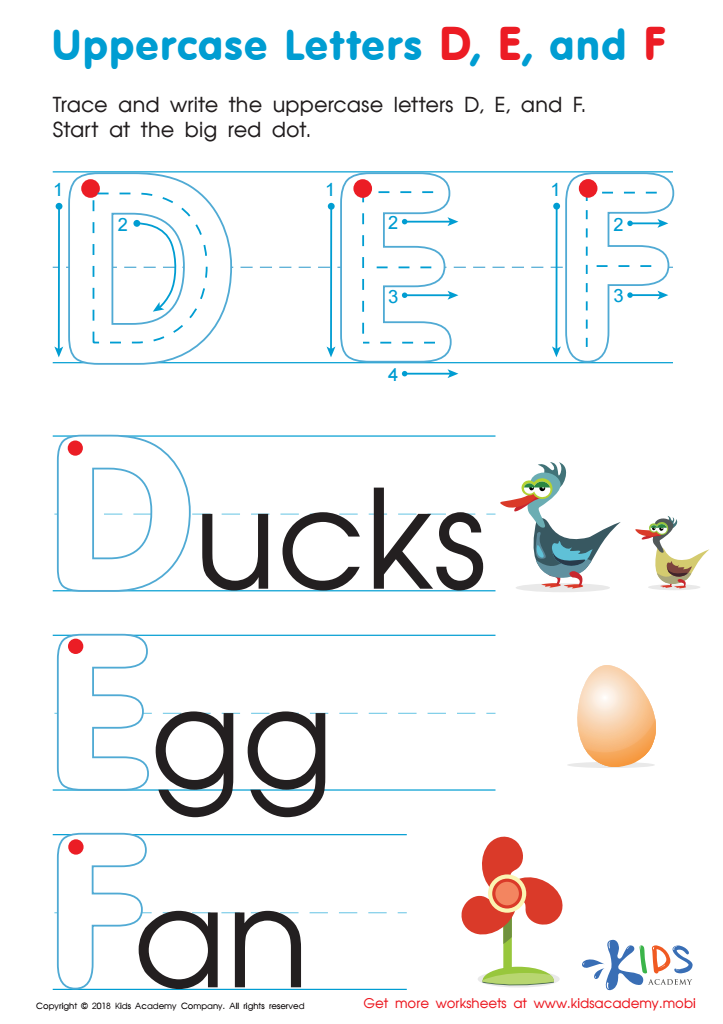
Uppercase Letters D, E, and F Worksheet
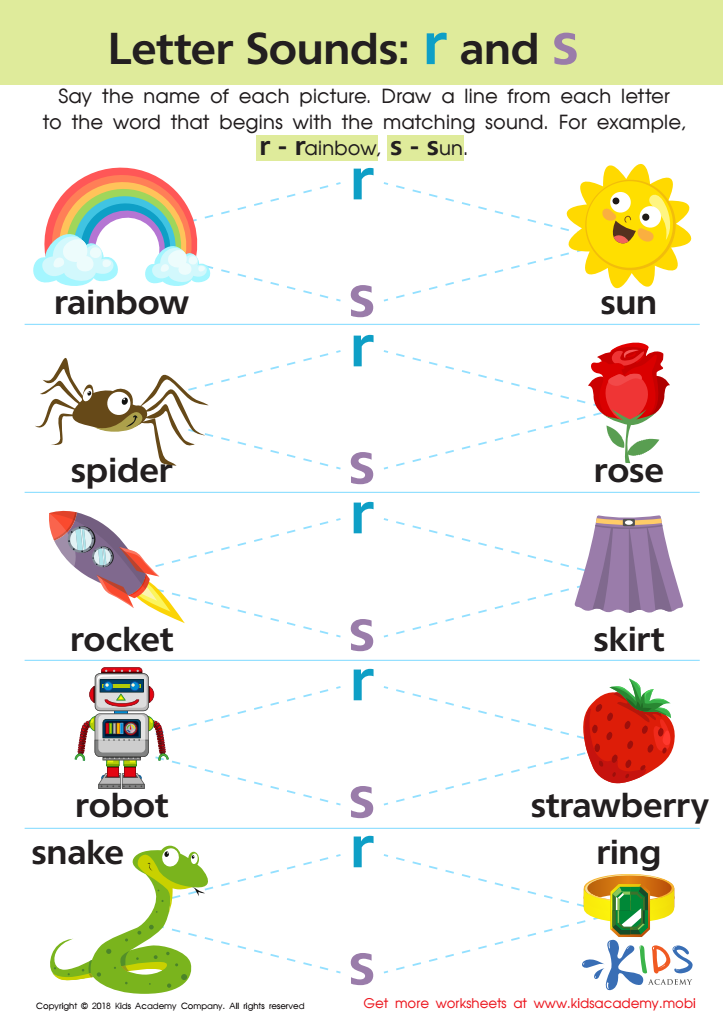
Letter R and S Sounds Worksheet
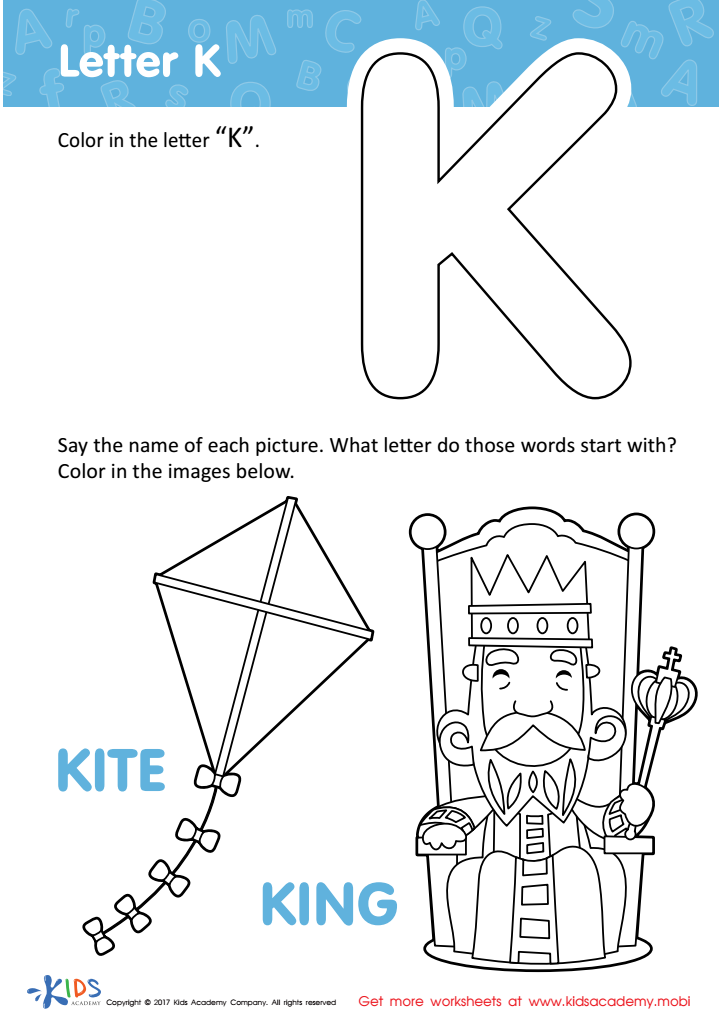
Letter K Coloring Sheet
Assign to My Students
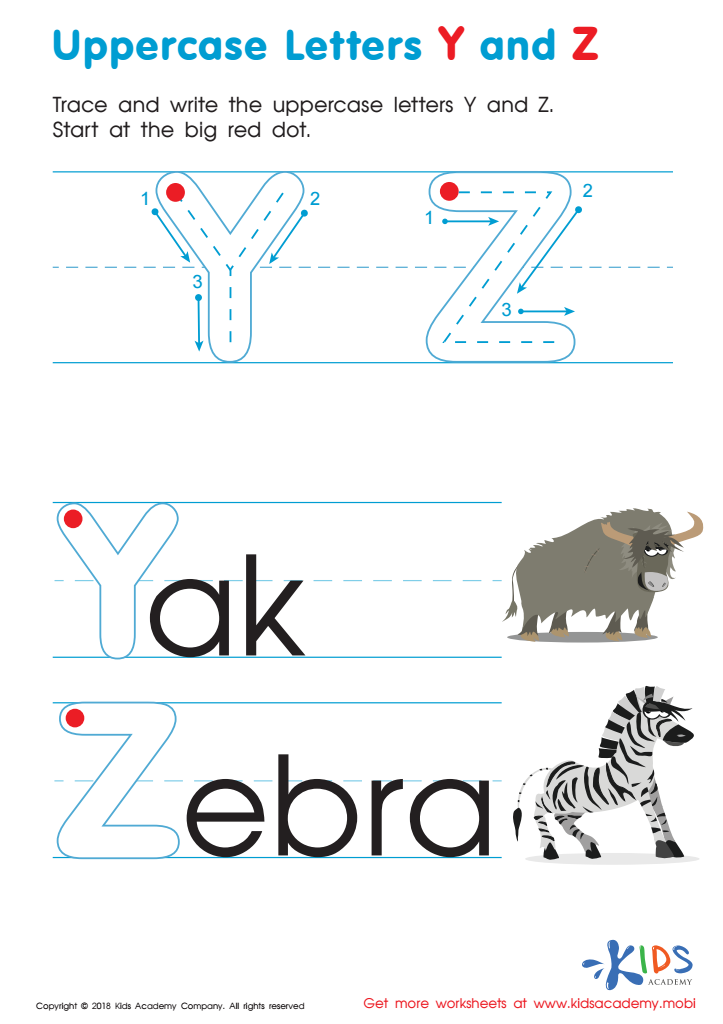
Uppercase Letters Y Z Worksheet
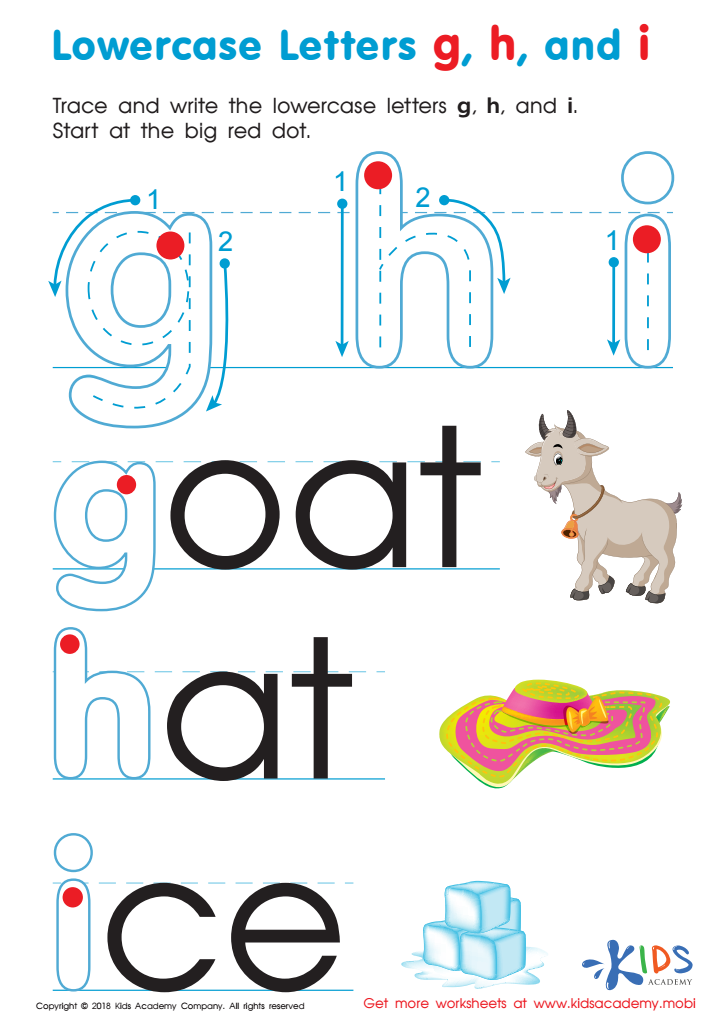
Lowercase Letters g h i Worksheet
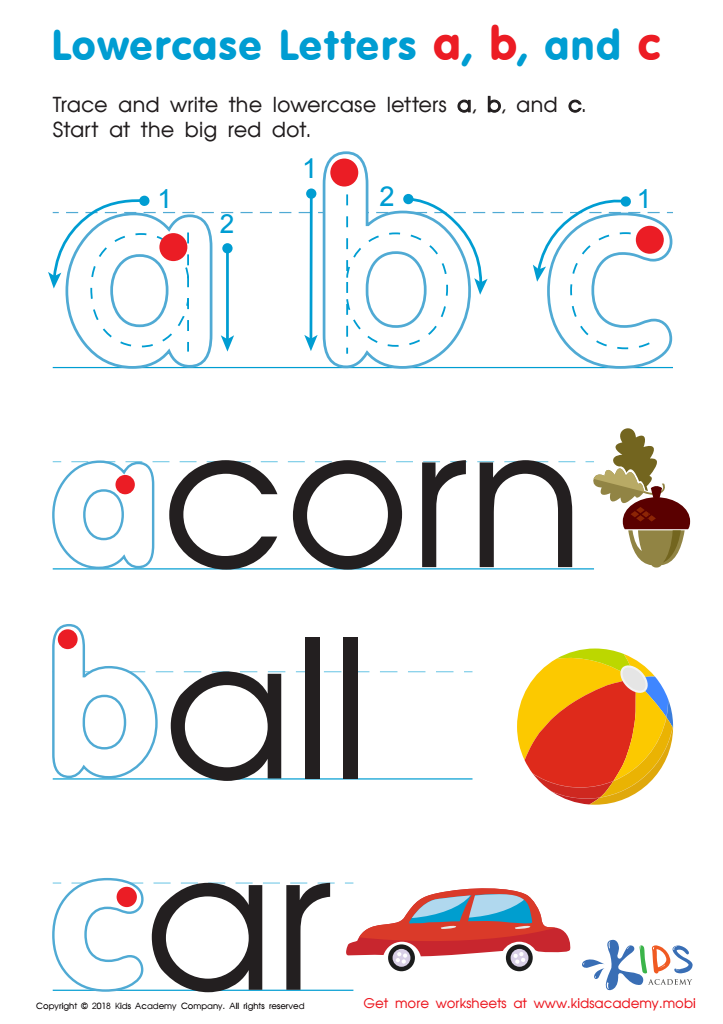
Lowercase Letters a b c Worksheet
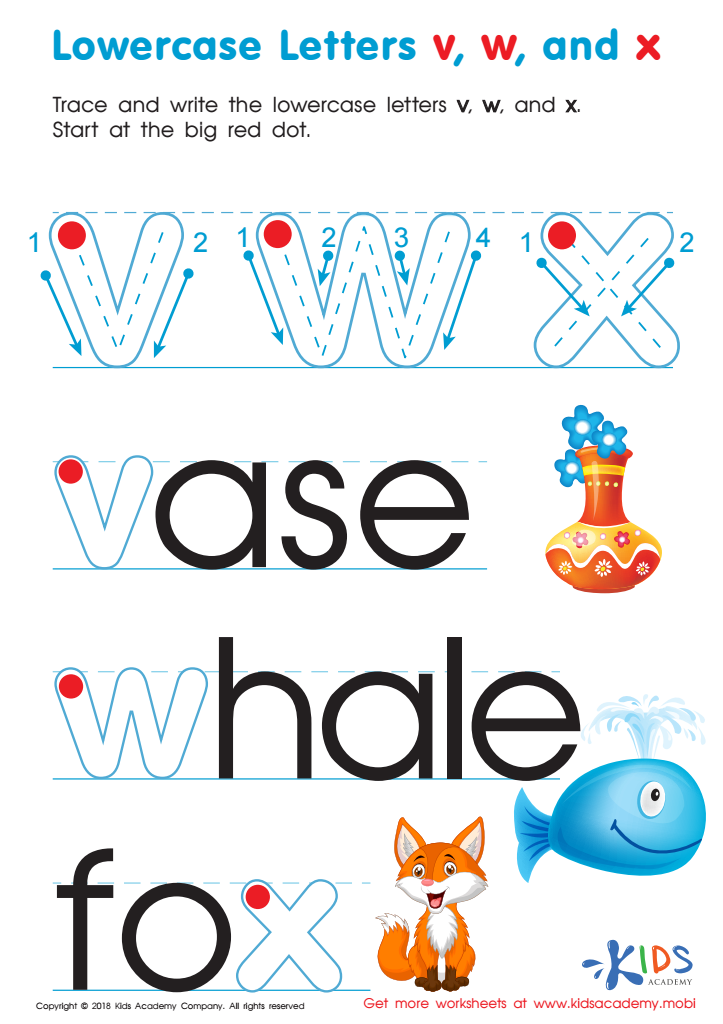
Lowercase Letters v w x Worksheet
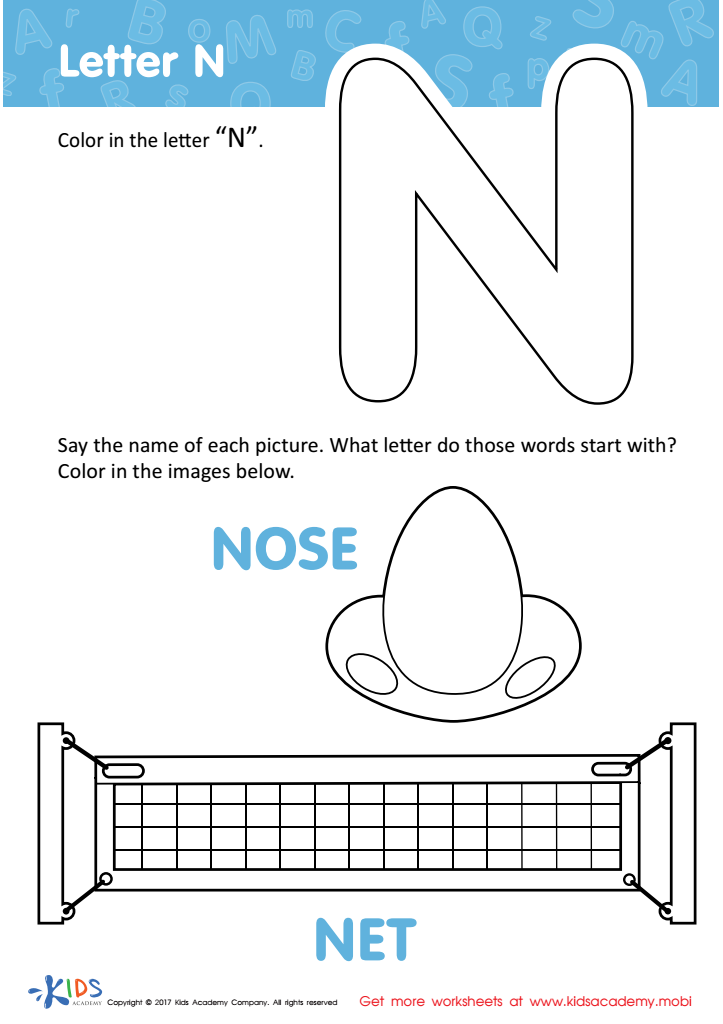
Letter N Coloring Sheet
Assign to My Students
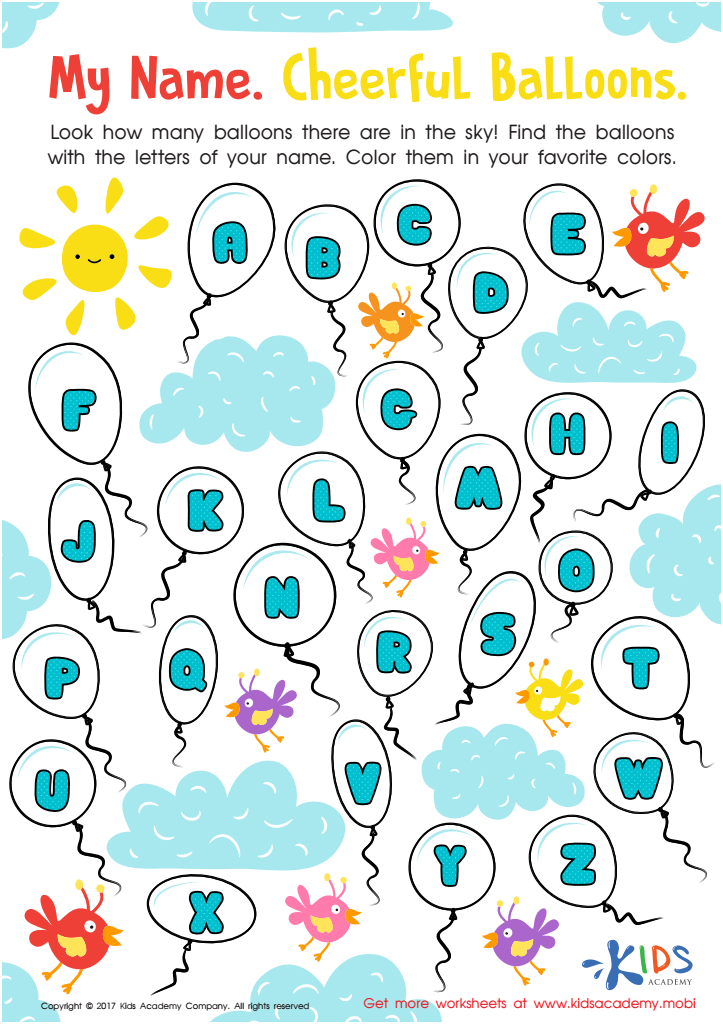
My Name: Cheerful Balloons Worksheet
Assign to My Students
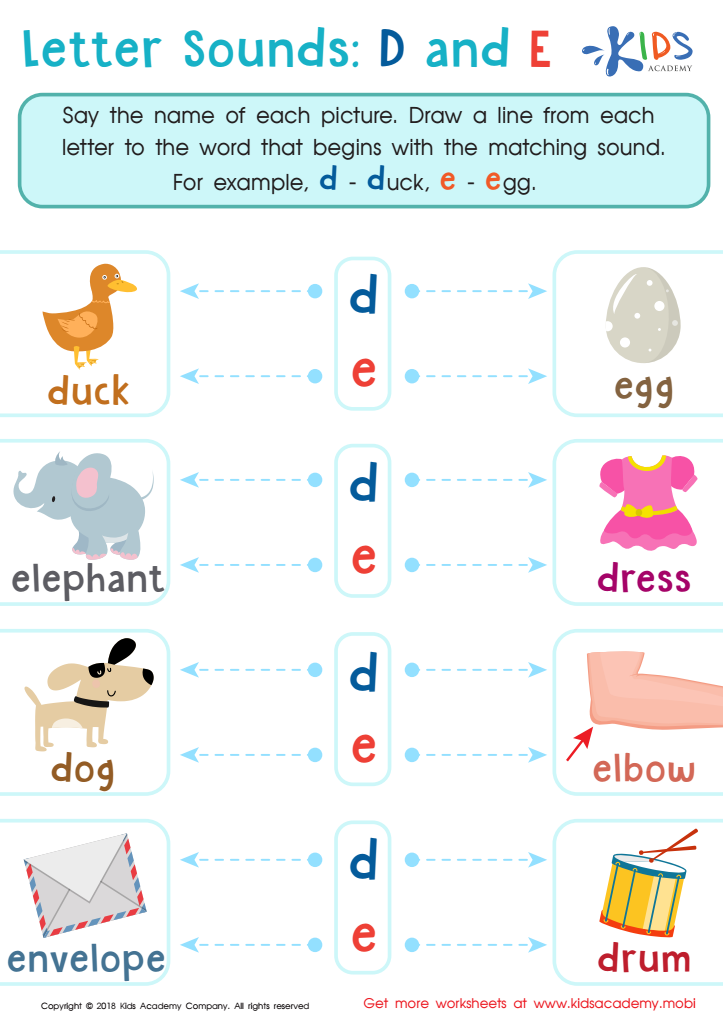
Letter D and E Sounds Worksheet
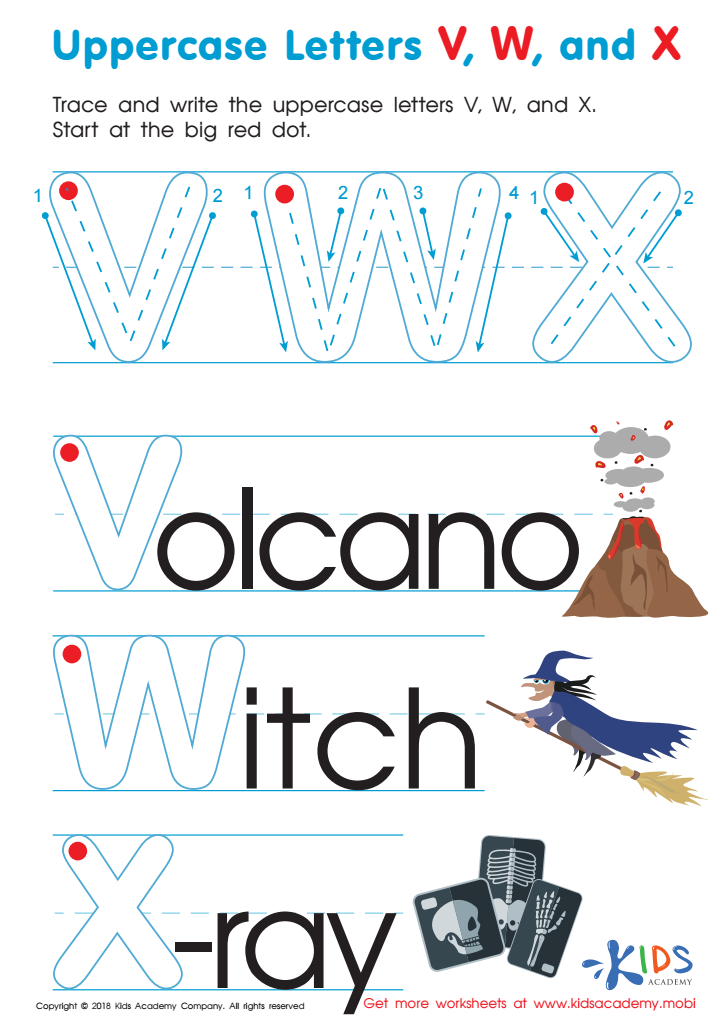
Uppercase Letters V, W, and X Worksheet








Handwriting practice for children aged 4-7 is crucial for several developmental reasons, making it essential for both parents and teachers to give it considerable attention. At this young age, children are in a critical period for initial cognitive, motor, and literacy development. Practicing the normal alphabet aids in refining fine motor skills, which involves the coordination of muscles necessary for writing, cutting, and various other activities that are foundational for academic success and day-to-day tasks.
Additionally, handwriting practice enhances children’s learning abilities. Research shows that forming letters by hand can improve letter recognition, which is a critical pre-reading skill, and deepen their understanding of language. This multisensory activity aids memory retention far more effectively than typing or voice dictation. It helps to solidify classroom learning by embedding knowledge deeper into their cognitive framework.
Handwriting practice also fosters attention to detail and patience, teaching children to focus and follow through on a task from start to finish. Beyond academics, writing by hand fosters creativity and personal expression. It’s a liberating skill that allows children to communicate their thoughts, stories, and ideas effectively. Ensuring regular handwriting practice not only bolsters academic foundations but also supports whole-child development, preparing them for future educational endeavors and personal milestones.







