Phonics Skills Normal Alphabet Worksheets for Ages 4-7 - Page 3
52 filtered results
-
From - To
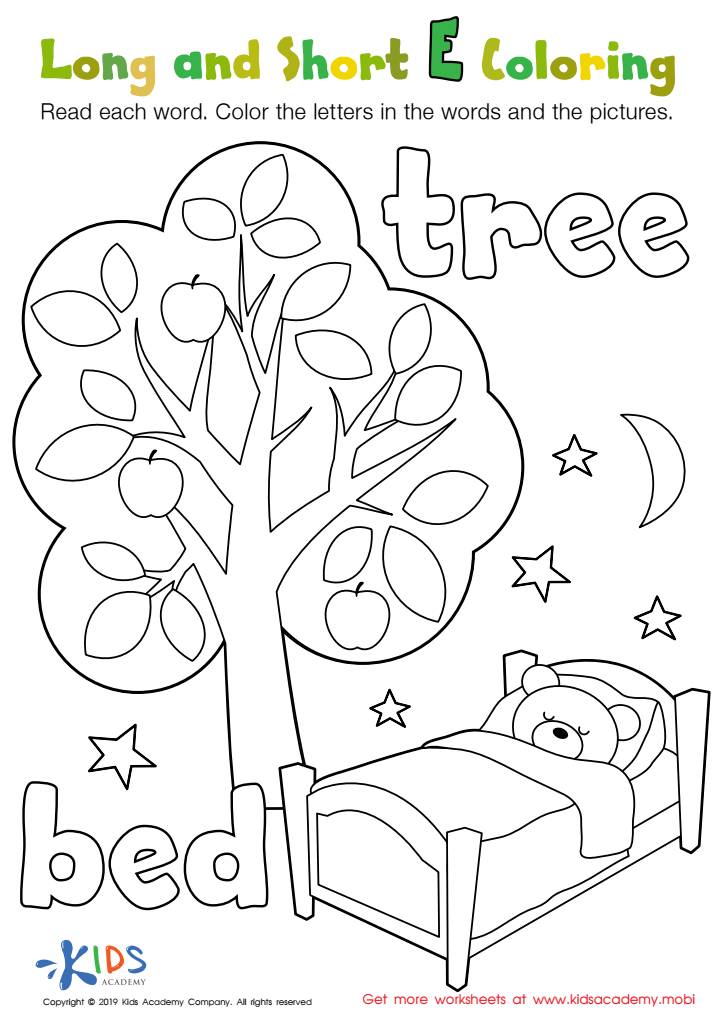
Long and Short E Worksheet
 Assign to My Students
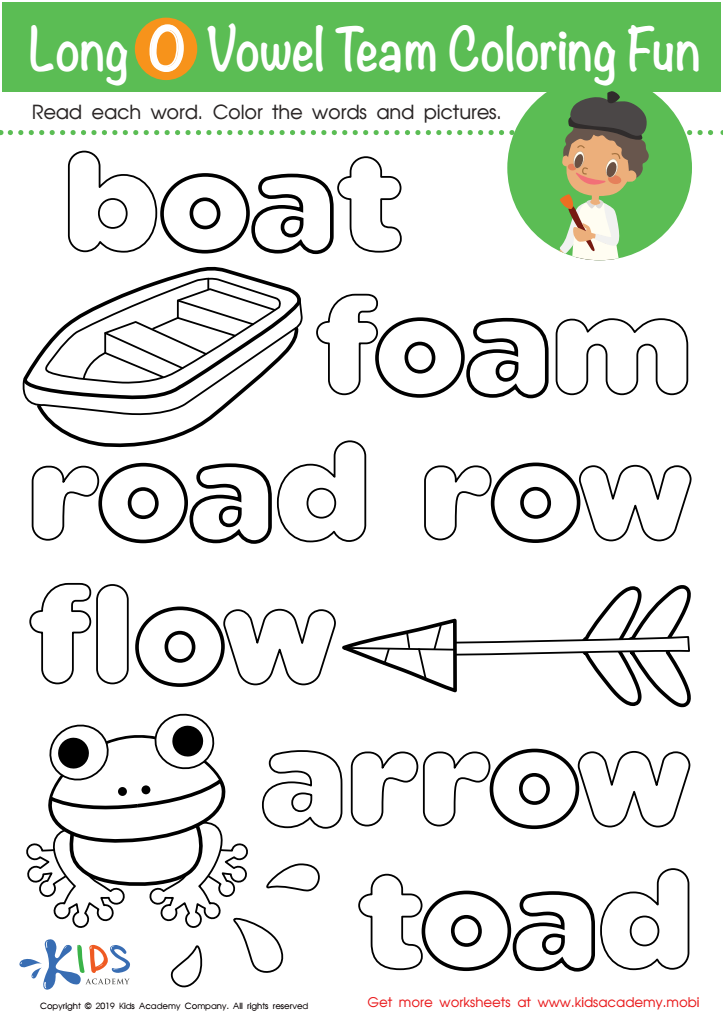
Long O Vowel Team Coloring Worksheet
Assign to My Students
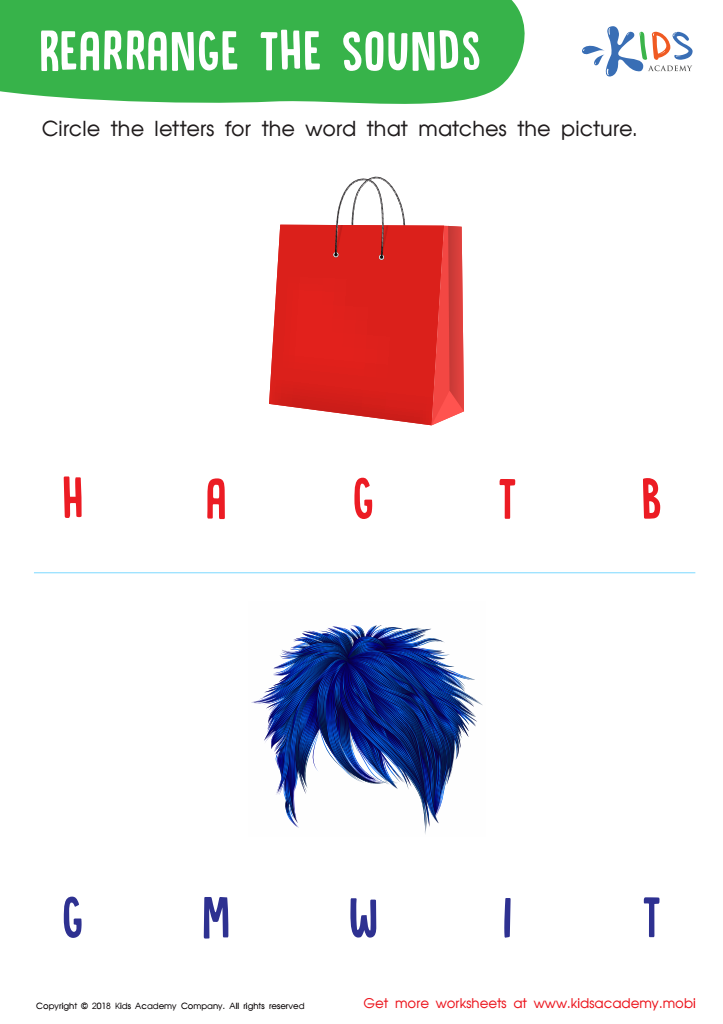
Rearrange the Sounds Worksheet
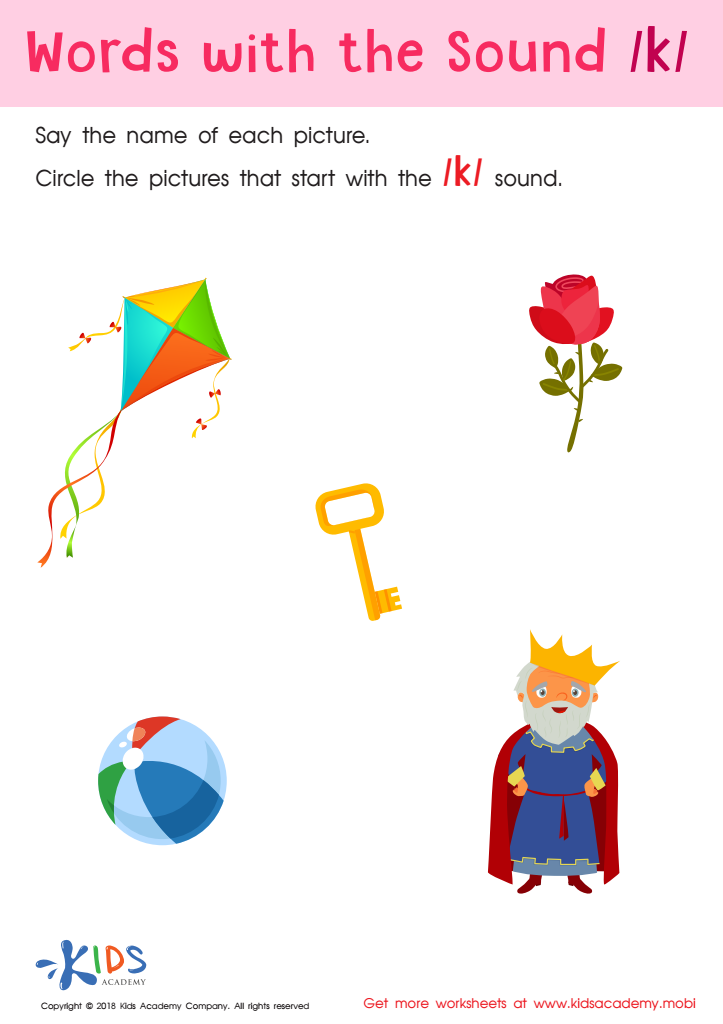
Words with sound k Reading Worksheet







Phonics skills serve as an essential cornerstone for early literacy development among children aged 4-7, a period critical for laying the foundation for proficient reading and writing. Understanding the underlying relationship between letters and sounds, or phonics, enables young learners to decode words efficiently, turning the often daunting task of reading into an approachable and enjoyable experience. This process also bolsters their vocabulary as they encounter new words and understand how they are constructed, ultimately fostering a heightened sense of confidence and curiosity toward learning.
Parents and teachers should prioritize phonics education because it enhances reading comprehension and fluency levels. When children can effortlessly recognize and process words, they can focus more on understanding the text, leading to improved academic performance across all subjects. Moreover, phonics instruction supports spelling skills since students learn consistent rules and patterns that guide accurate letter and sound usage.
Incorporating phonics within the early educational curriculum contributes to closing the achievement gap, particularly for children who may not have been exposed to rich language experiences at home. Therefore, emphasizing phonics facilitates more equitable learning opportunities, ensuring that all children, regardless of background, possess the fundamental skills necessary for lifelong educational success.







