Writing practice Normal Alphabet Worksheets for Ages 4-7
7 filtered results
-
From - To
Enhance your child's handwriting skills with our engaging Normal Alphabet Worksheets tailored for ages 4-7. These specially designed practice sheets help young learners master letter formation, improve penmanship, and build fine motor skills in a fun and interactive way. Each worksheet includes diverse activities such as tracing, filling in blanks, and creative letter drawing that keep kids motivated while reinforcing their understanding of both uppercase and lowercase letters. Ideal for classrooms or home education, our writing practice worksheets foster confidence in writing, laying a strong foundation for future literacy. Start your child’s journey towards writing proficiency today!
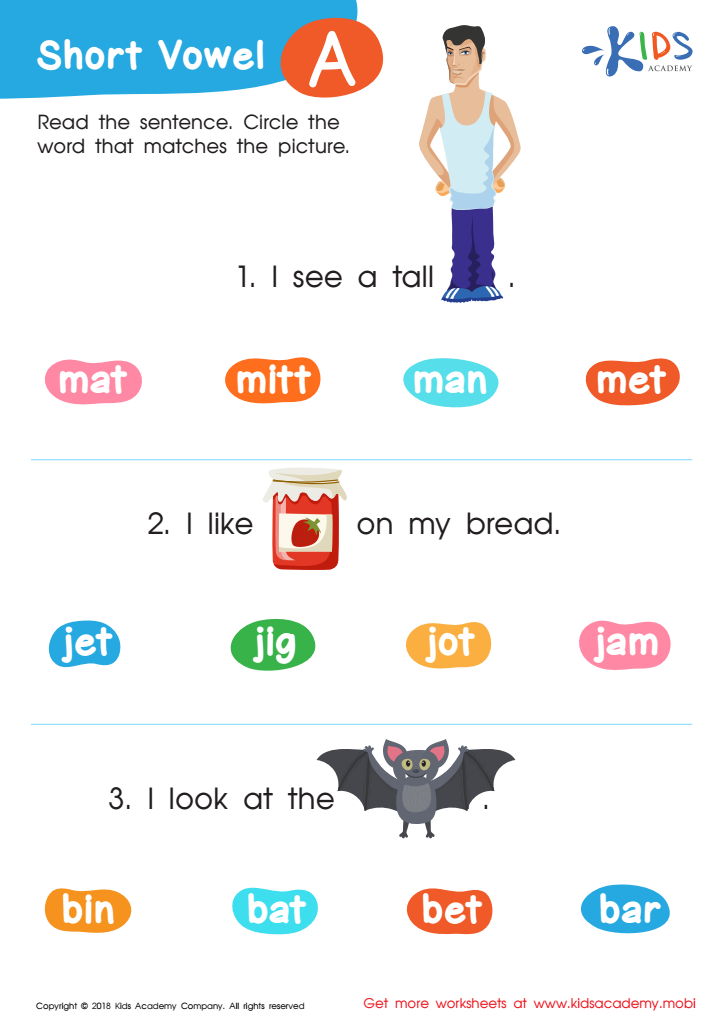
Short Vowel /a/ Worksheet
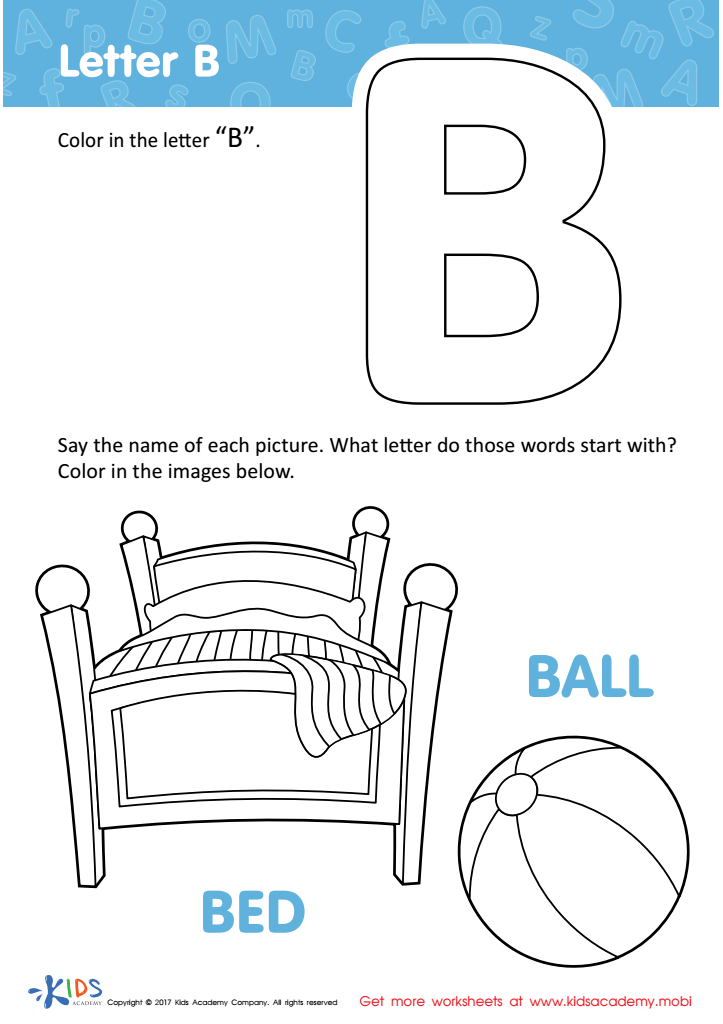
Letter B Coloring Sheet
 Assign to My Students
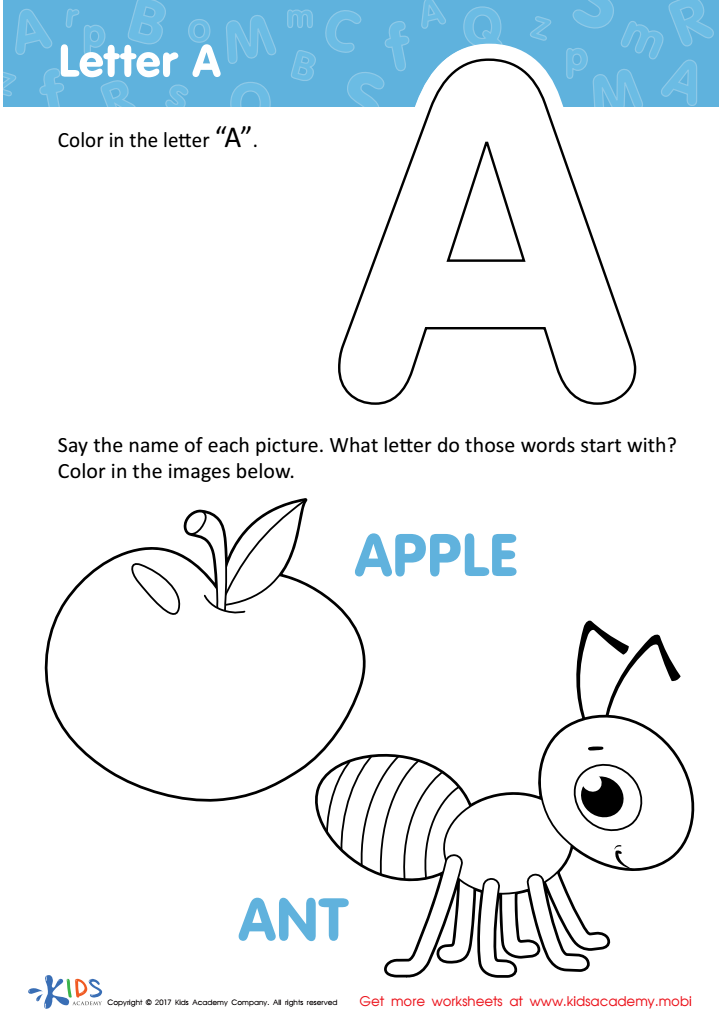
Letter A Coloring Sheet
Assign to My Students
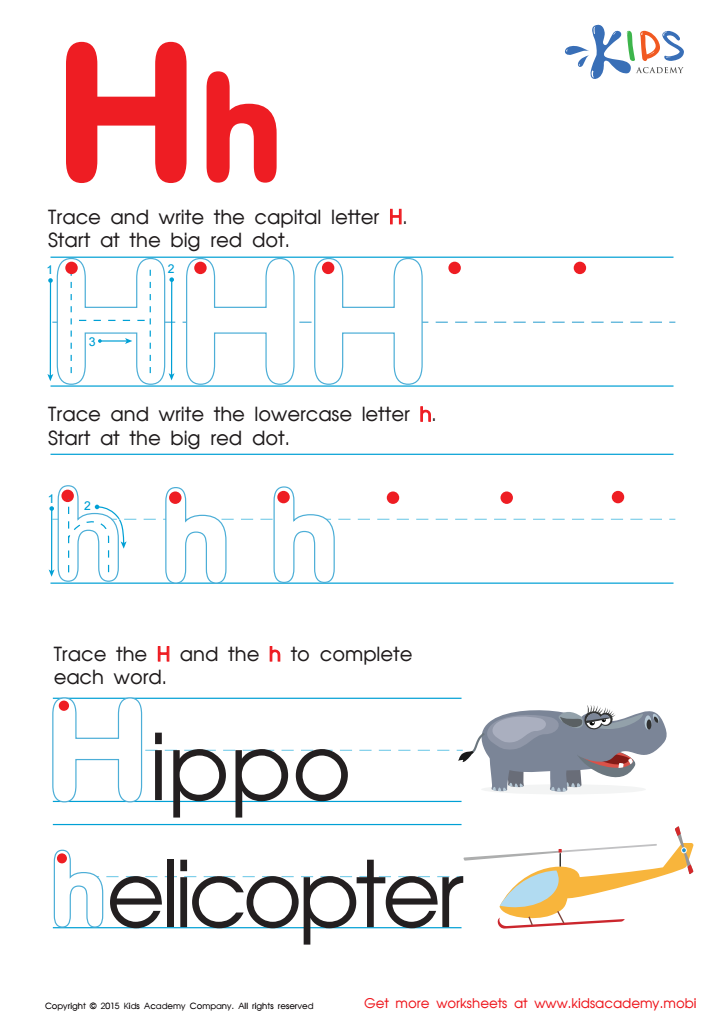
Letter H Tracing Page
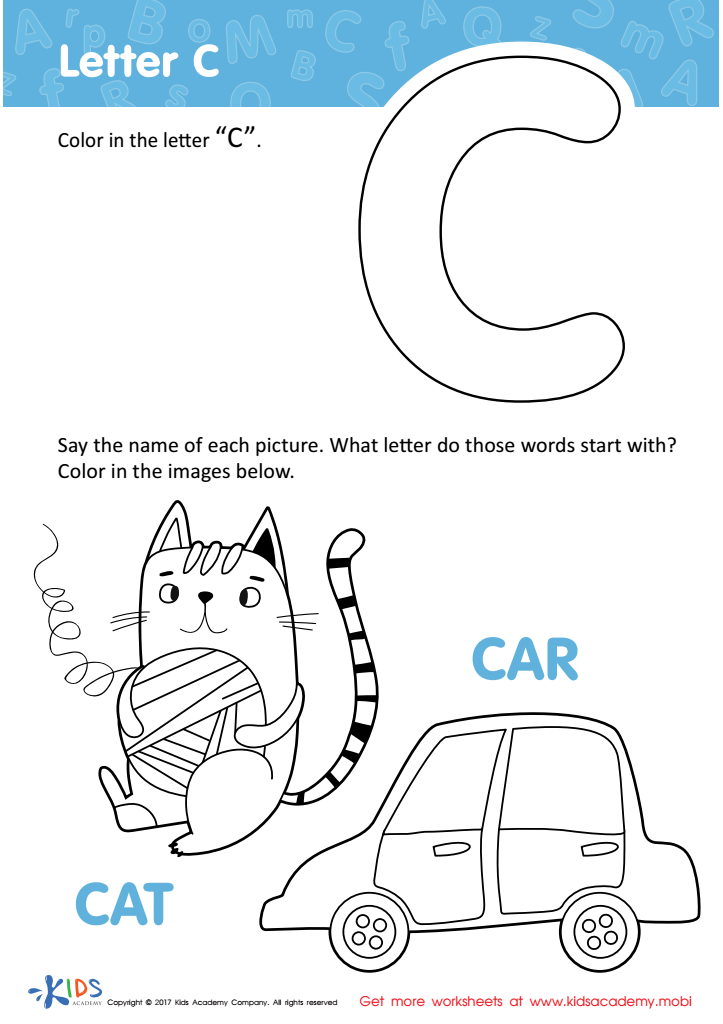
Letter C Coloring Sheet
Assign to My Students
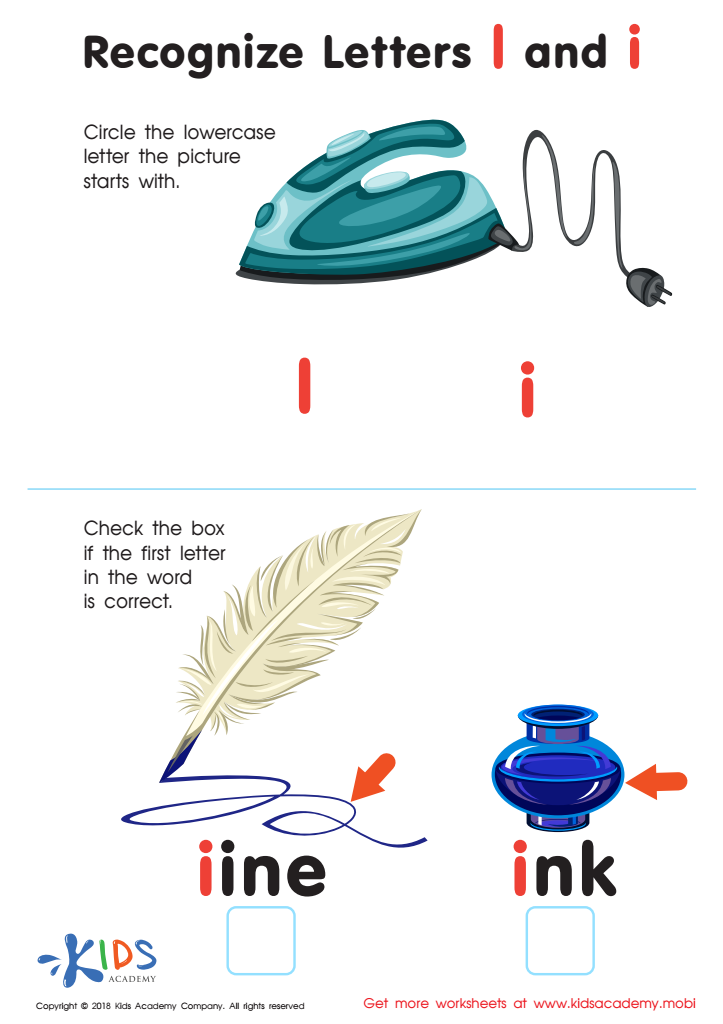
Recognize Letters l and i Worksheet
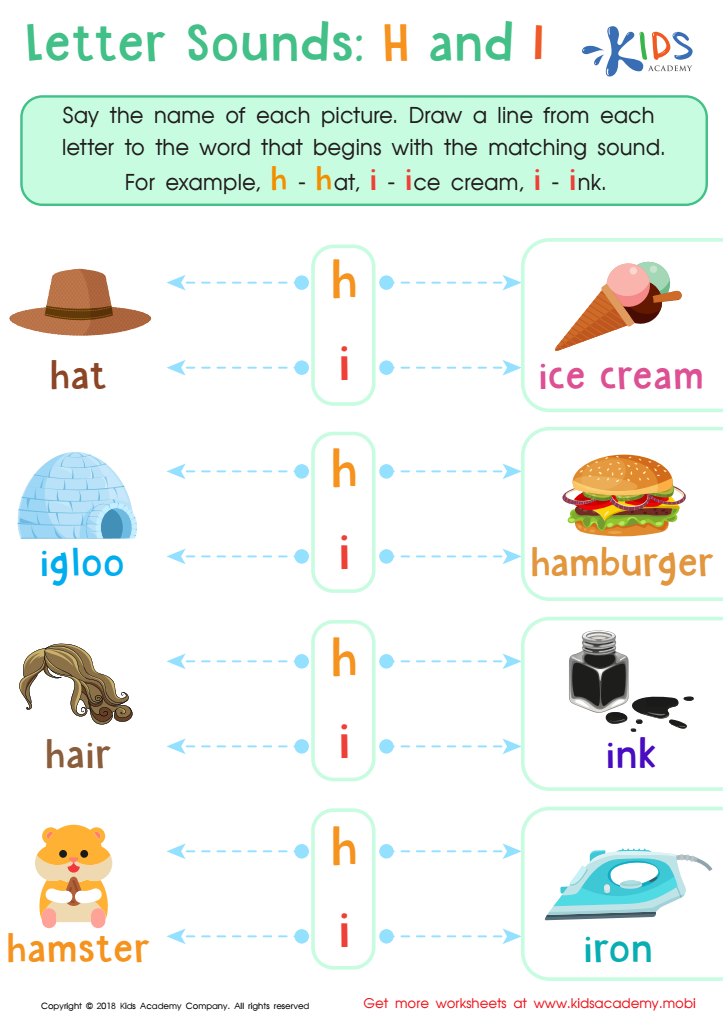
Letter H and I Sounds Worksheet








Writing practice using the normal alphabet is essential for children aged 4-7 as it lays the foundation for successful literacy skills. During these formative years, children are developing fine motor skills, hand-eye coordination, and cognitive abilities. Engaging with writing helps strengthen these crucial skills, making it easier for them to read and comprehend text in the future.
Additionally, writing promotes self-expression and creativity. Children learn to translate their thoughts and emotions into written form, which boosts their confidence and communication skills. Regular writing practice encourages them to explore their ideas and makes learning enjoyable.
From an academic perspective, understanding the standard alphabet is vital as it is the building block for phonics and spelling. By mastering letter formation and sound connections, children gain a solid foundation that supports their reading abilities.
Lastly, involving parents or teachers in this writing journey fosters a rich learning environment. When adults show interest in children’s writing efforts, it nurtures a love for language and literacy, encouraging young learners to develop habitual writing practice that lasts a lifetime. Supporting alphabet writing is about much more than just teaching; it’s about motivating and nurturing growth mentally and emotionally during a pivotal stage in their development.







