Fine Motor Skills Normal Letter Recognition Worksheets for Ages 4-7 - Page 2
41 filtered results
-
From - To
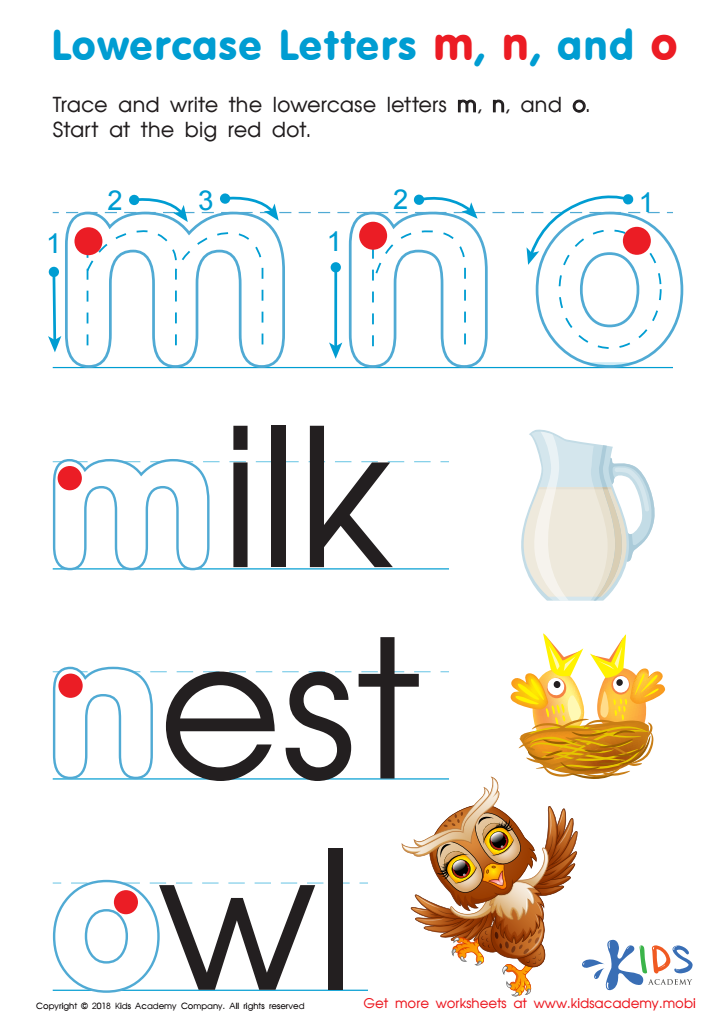
Lowercase Letters m n o Worksheet
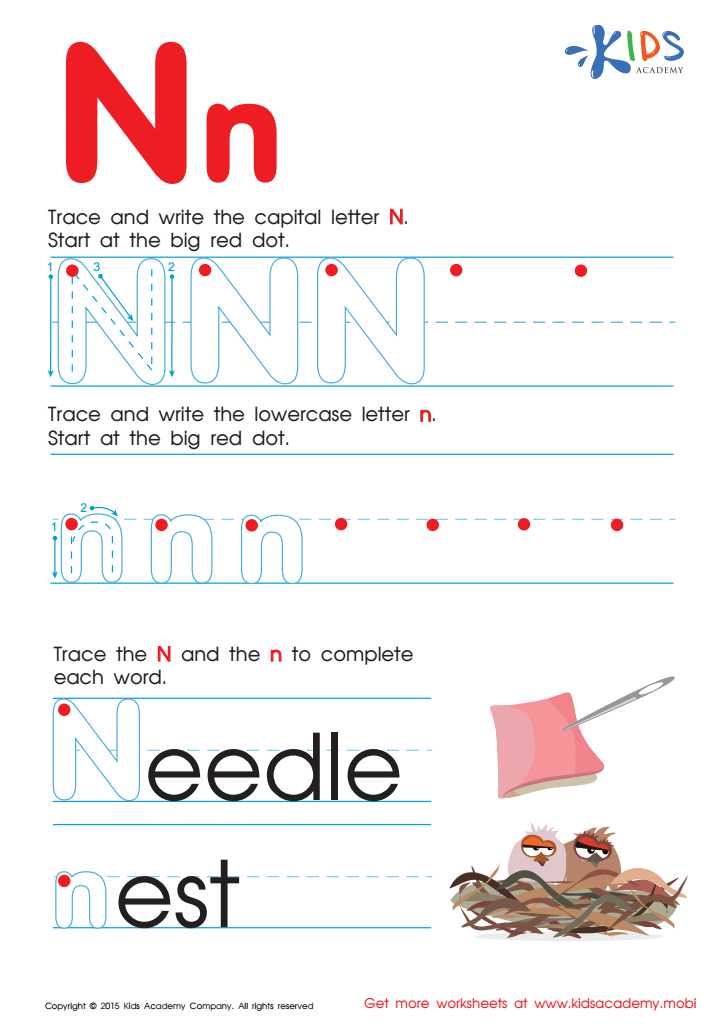
Letter N Tracing Page
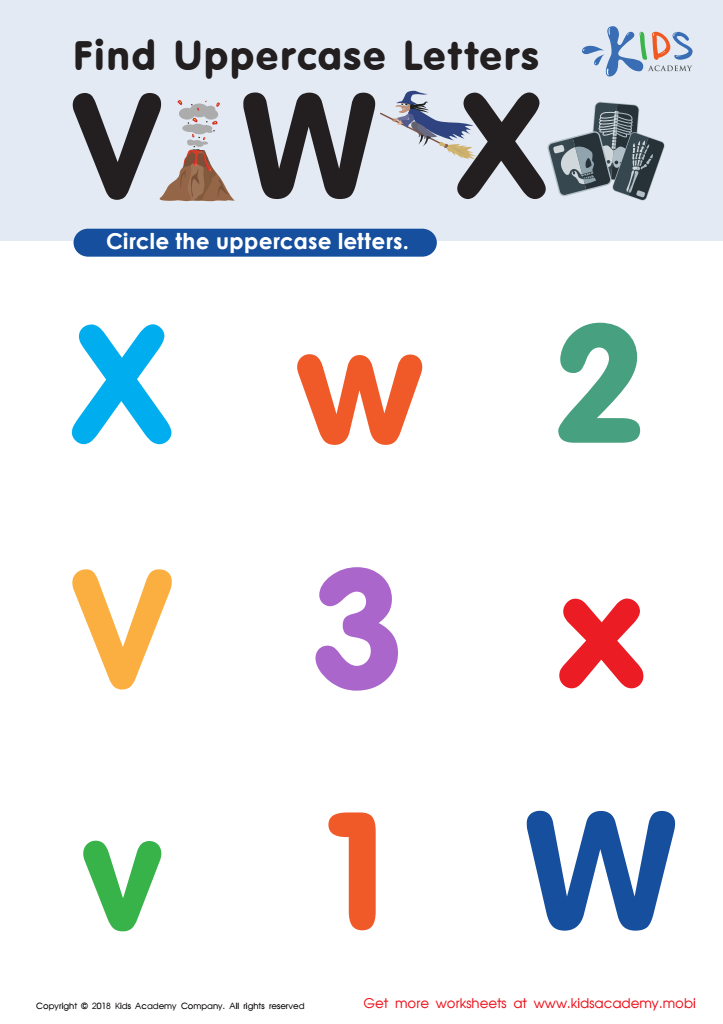
Find Uppercase Letters V, W, X Worksheet
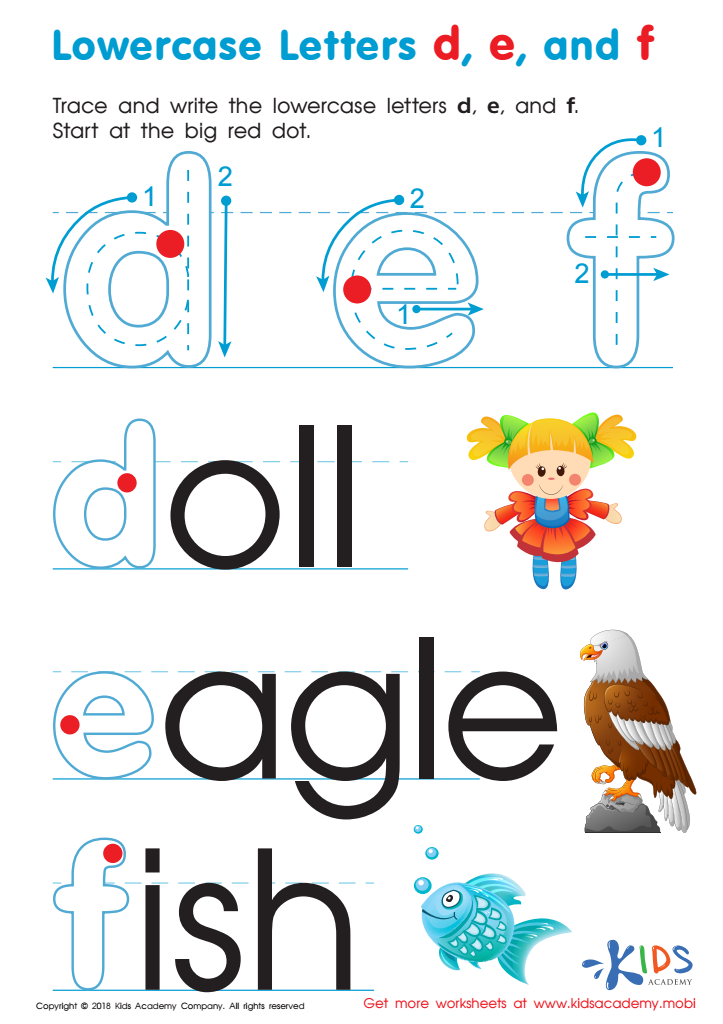
Lowercase Letters d e f Worksheet
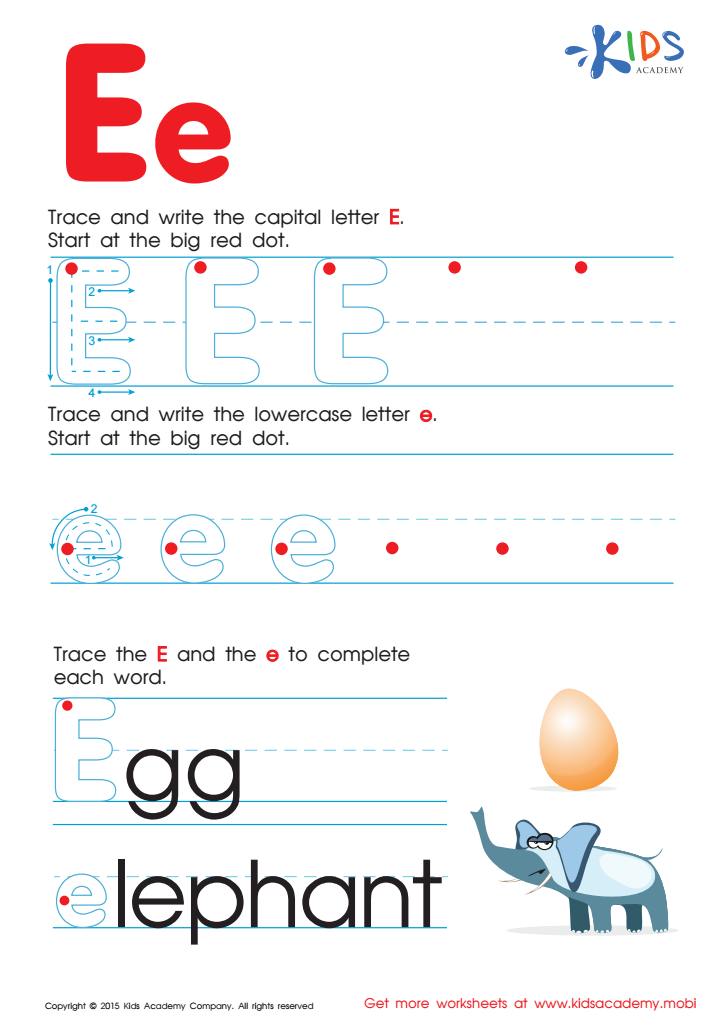
Letter E Tracing Page
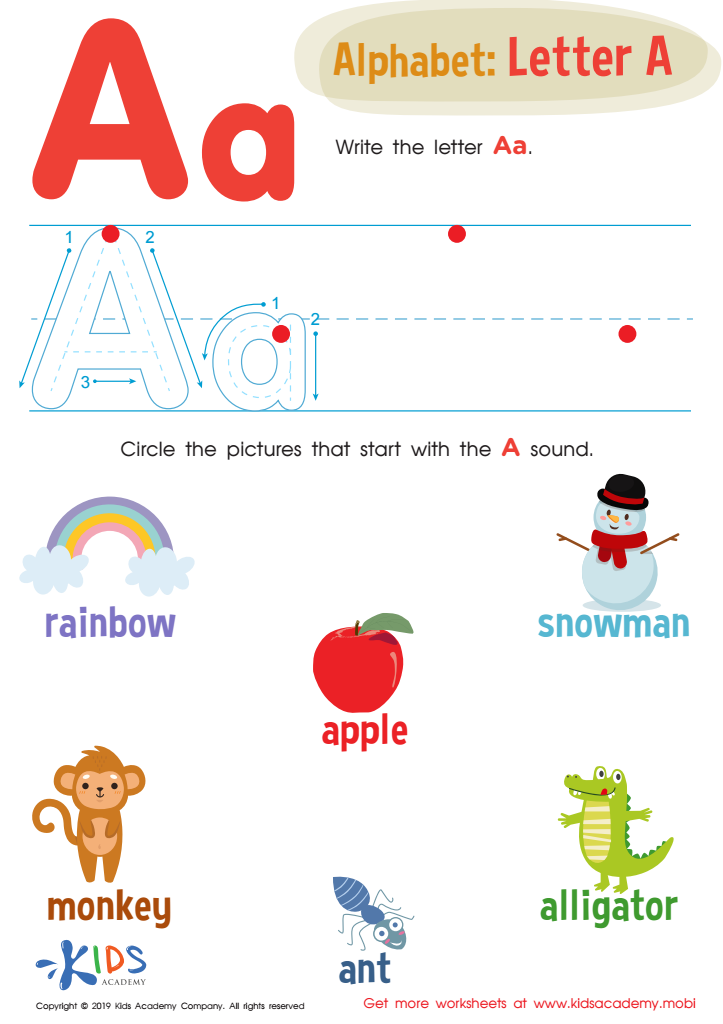
Letter A Tracing Worksheet
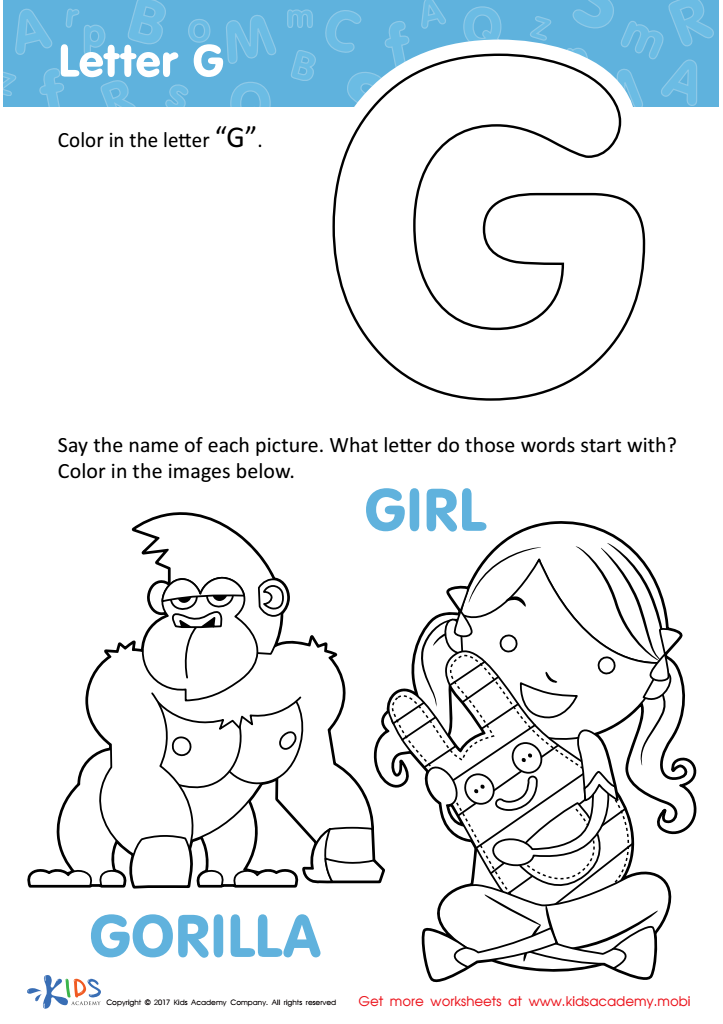
Letter G Coloring Sheet
 Assign to My Students
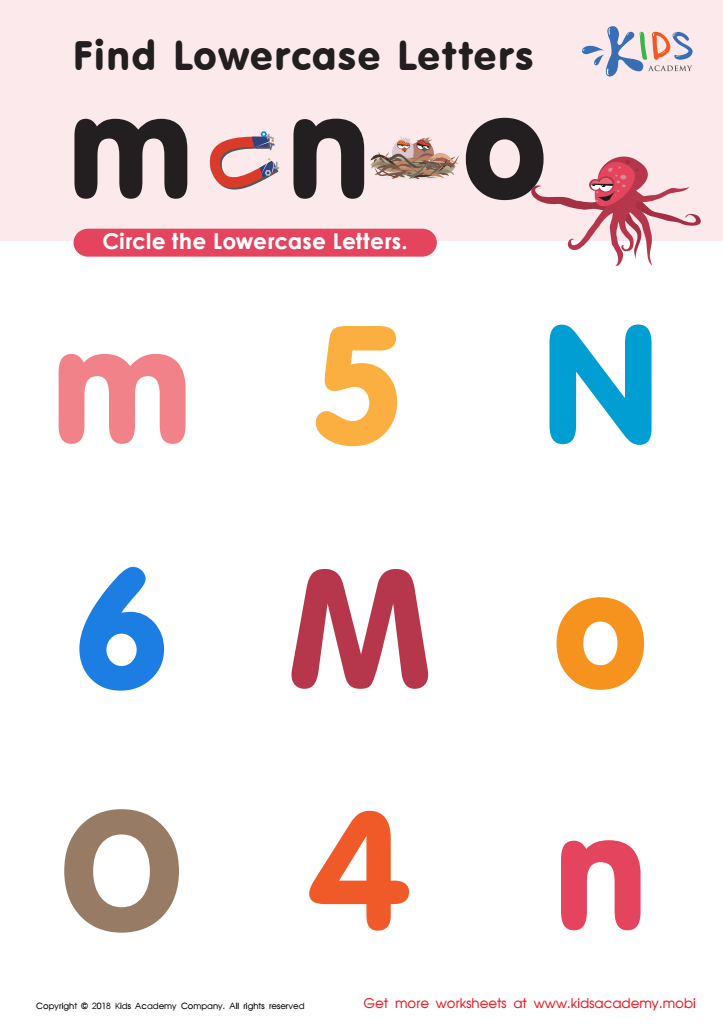
Find Lowercase Letters m n o Worksheet
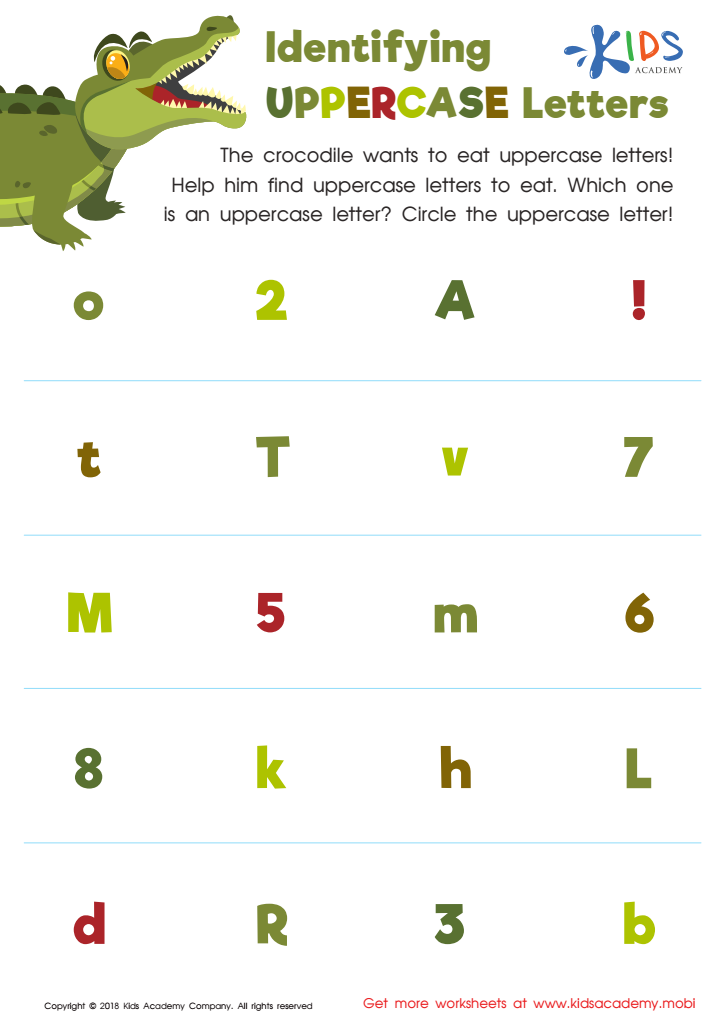
Identifying Uppercase Letters Worksheet
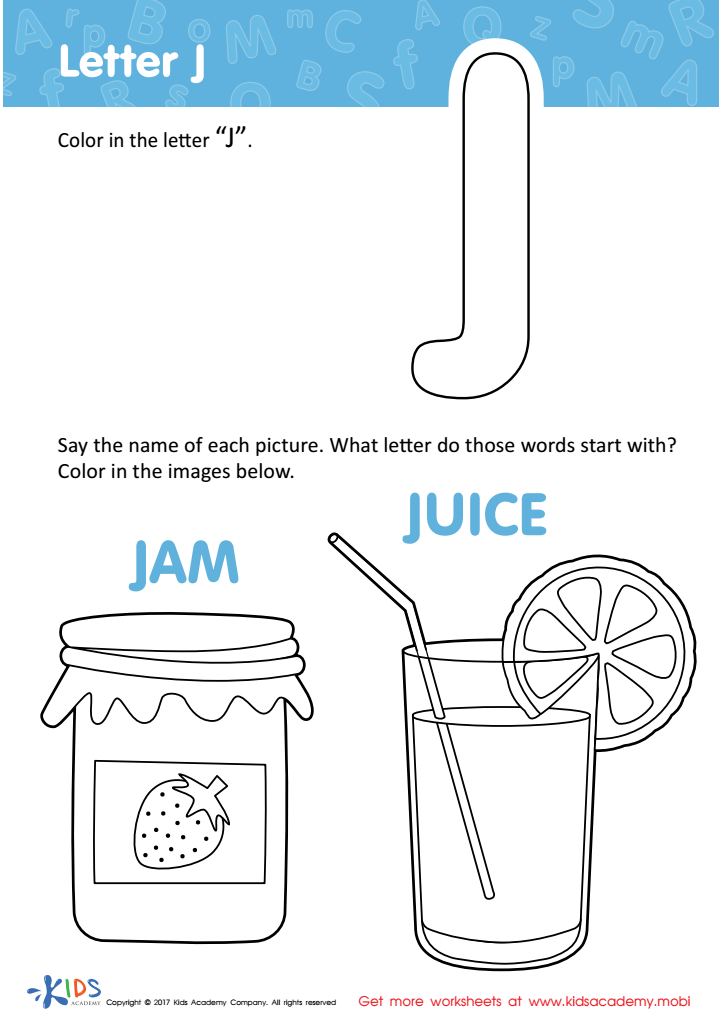
Letter J Coloring Sheet
Assign to My Students
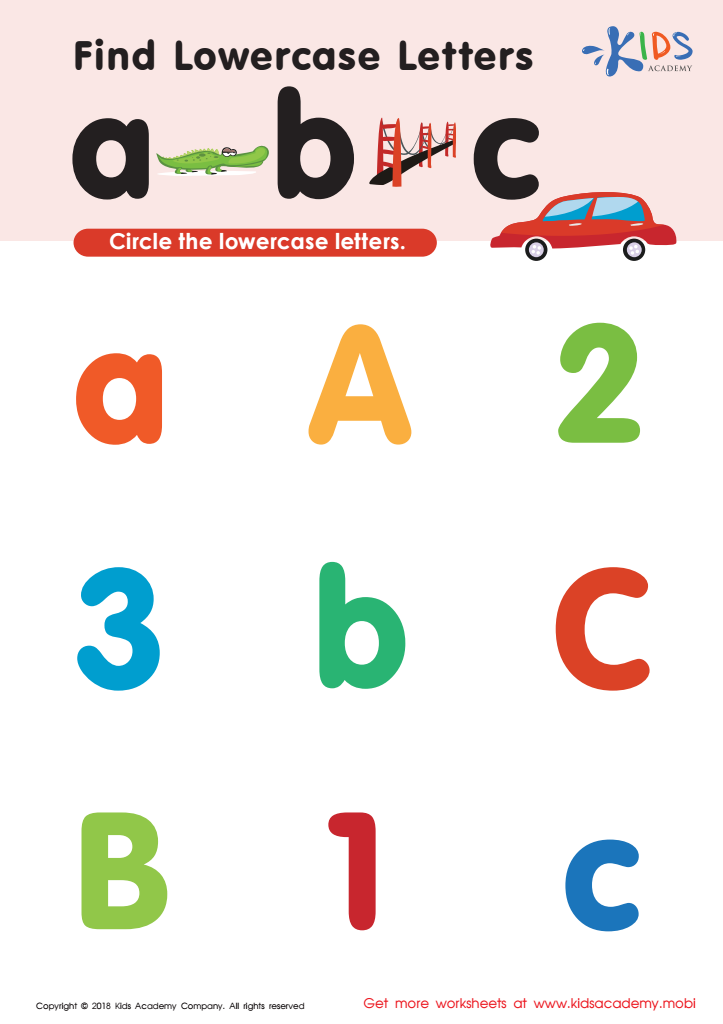
Find lowercase letters a b c Worksheet
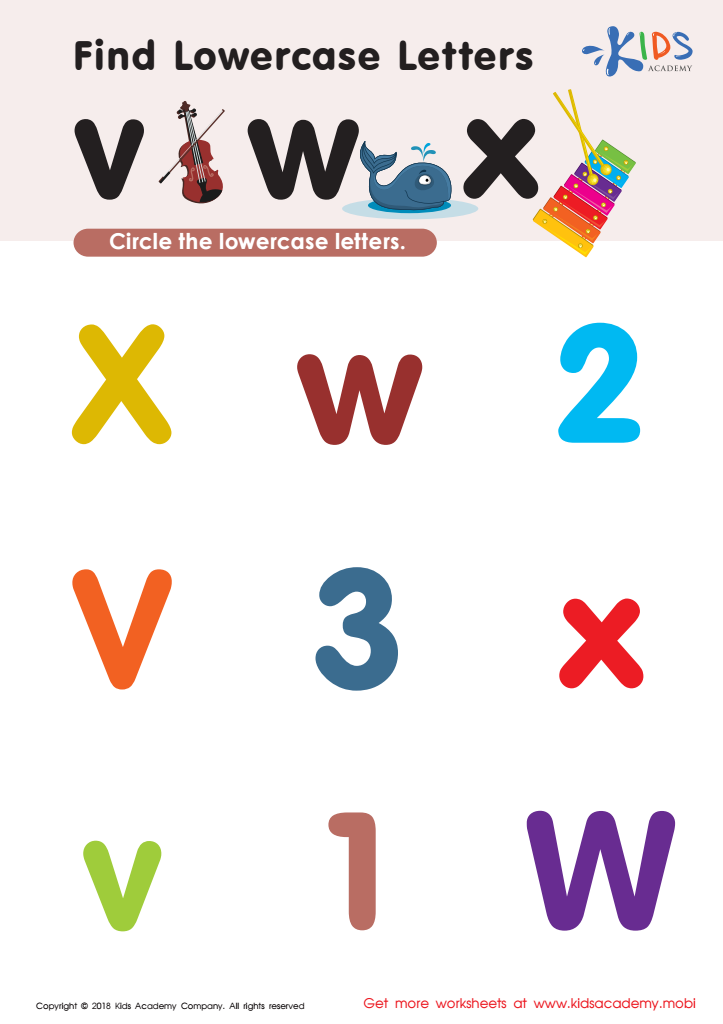
Find Lowercase Letters v w x Worksheet
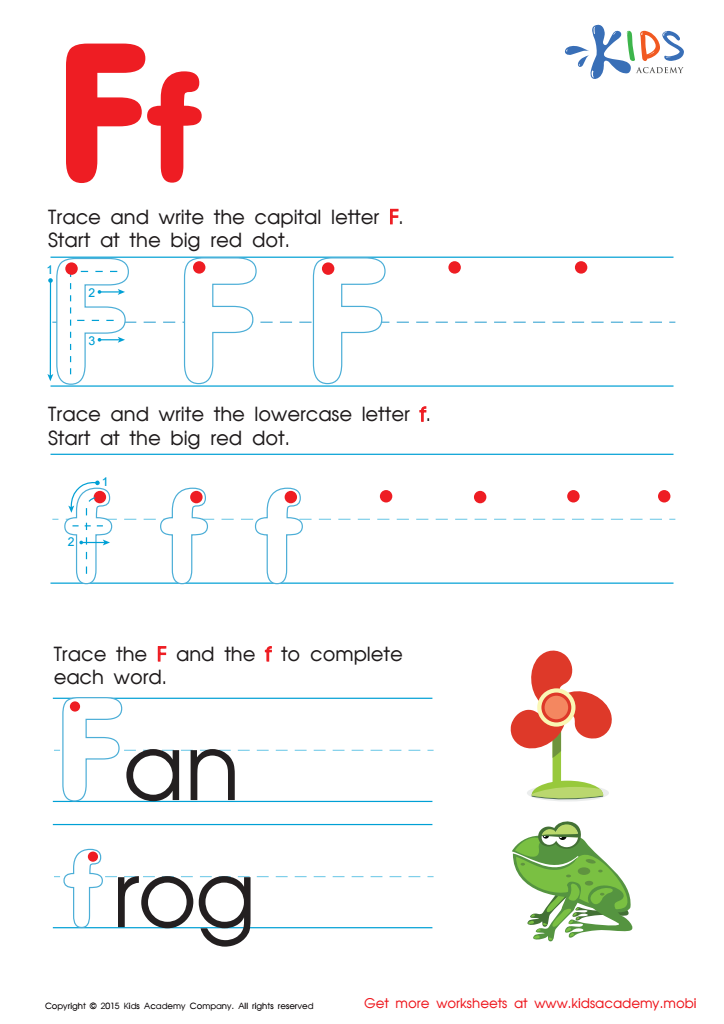
Letter F Tracing Page
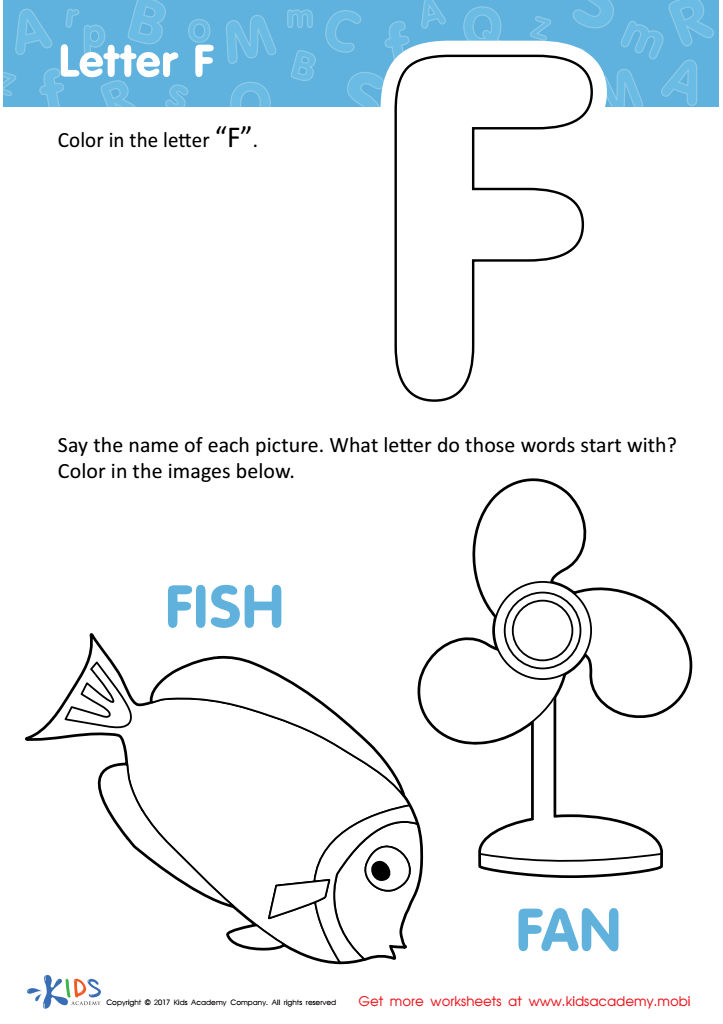
Letter F Coloring Sheet
Assign to My Students
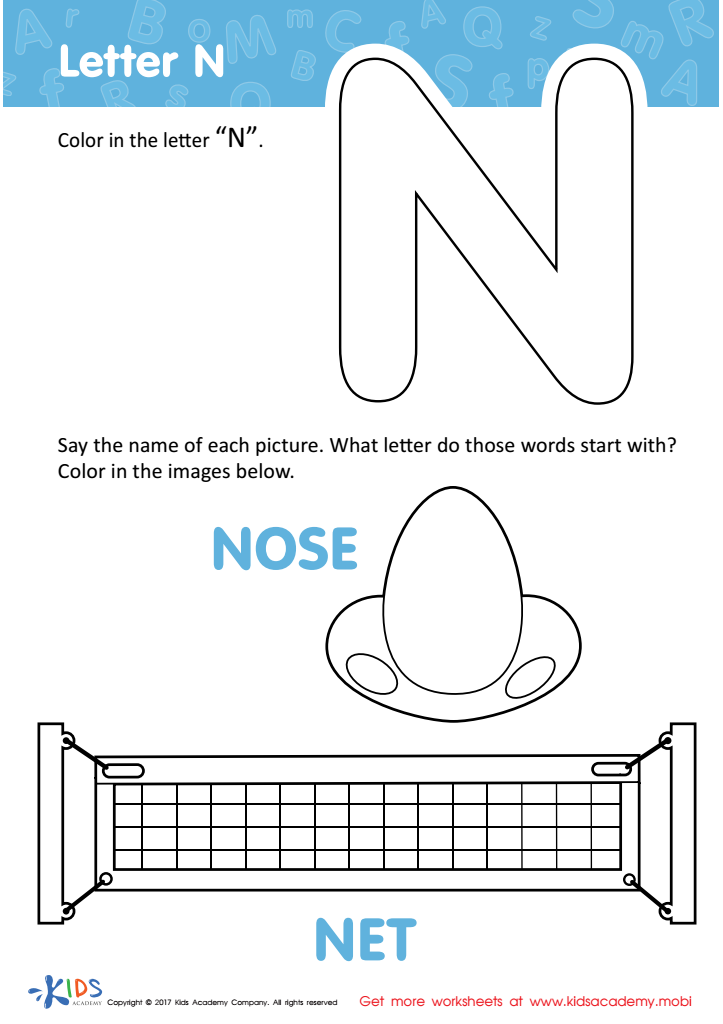
Letter N Coloring Sheet
Assign to My Students

Letter D Tracing Page

Uppercase Letters V, W, and X Worksheet








Parents and teachers play a crucial role in the early childhood development of fine motor skills and normal letter recognition for children aged 4 to 7. Fine motor skills involve the coordination of small muscles, particularly in the hands and fingers, which are essential for tasks like writing, cutting with scissors, and buttoning clothes. These skills are foundational for children’s academic and daily life activities.
When children develop strong fine motor skills, they are more adept at holding and controlling writing instruments, which directly influences their ability to form letters and consequently, their overall handwriting. Normal letter recognition, the ability to identify and understand letters, is a critical precursor to reading and writing fluency. Solid letter recognition supports phonemic awareness, which is necessary for decoding words when reading and improving vocabulary skills.
If these skills are not nurtured, children may face difficulties in school, which can lead to frustration, lower self-esteem, and potential academic delays. Early intervention helps ensure children are better equipped to handle educational challenges, leading to more positive school experiences. Therefore, fostering fine motor development and letter recognition in young children lays a strong foundation for academic success and builds confidence in their learning abilities.








