Vocabulary enhancement Normal Letter Recognition Worksheets for Ages 4-7
3 filtered results
-
From - To
Enhance your child's vocabulary and letter recognition skills with our engaging Normal Letter Recognition Worksheets, specially designed for ages 4-7. These worksheets provide a fun and effective way for young learners to identify letters while expanding their vocabulary. Each activity encourages children to connect letters with corresponding words, fostering both literacy and language development. Our resources are perfect for parents and teachers seeking to create a supportive learning environment. From playful illustrations to captivating exercises, these worksheets make learning enjoyable and effective. Give your child a strong foundation in language arts with our thoughtfully crafted activities that inspire curiosity and confidence!
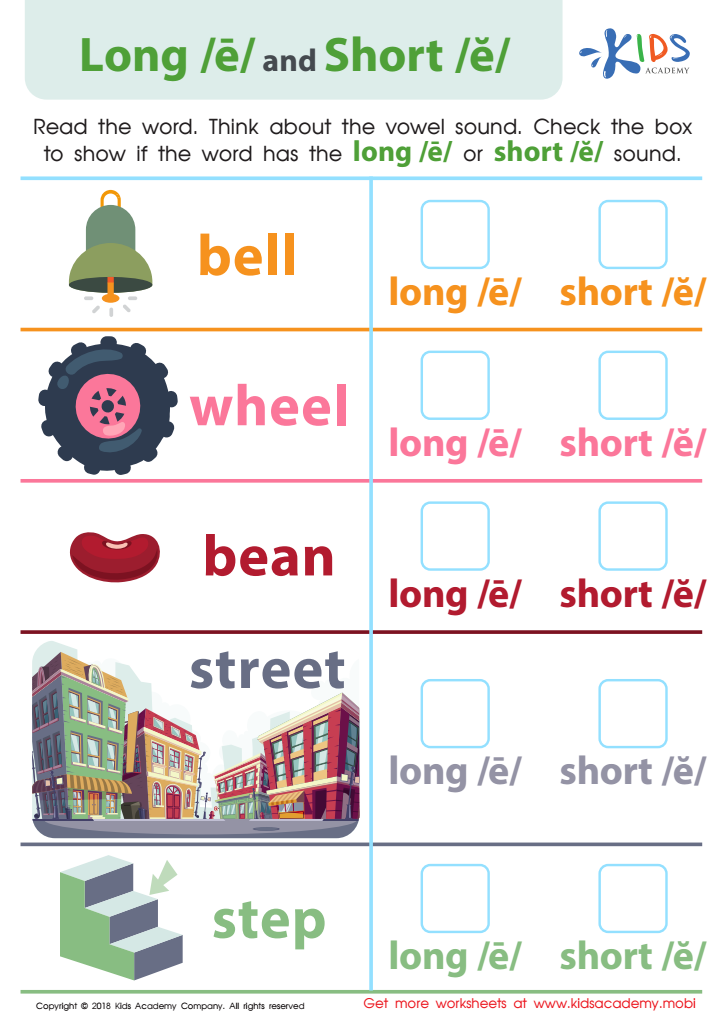
Reading: Long E and Short E Worksheet
 Assign to My Students
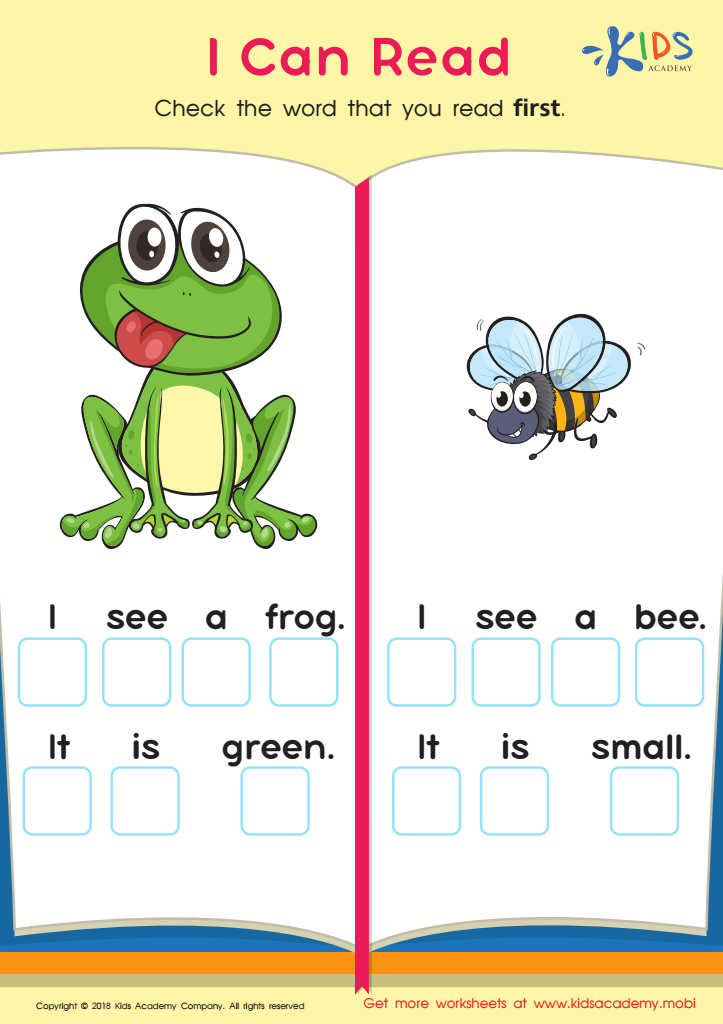
I Can Read Worksheet
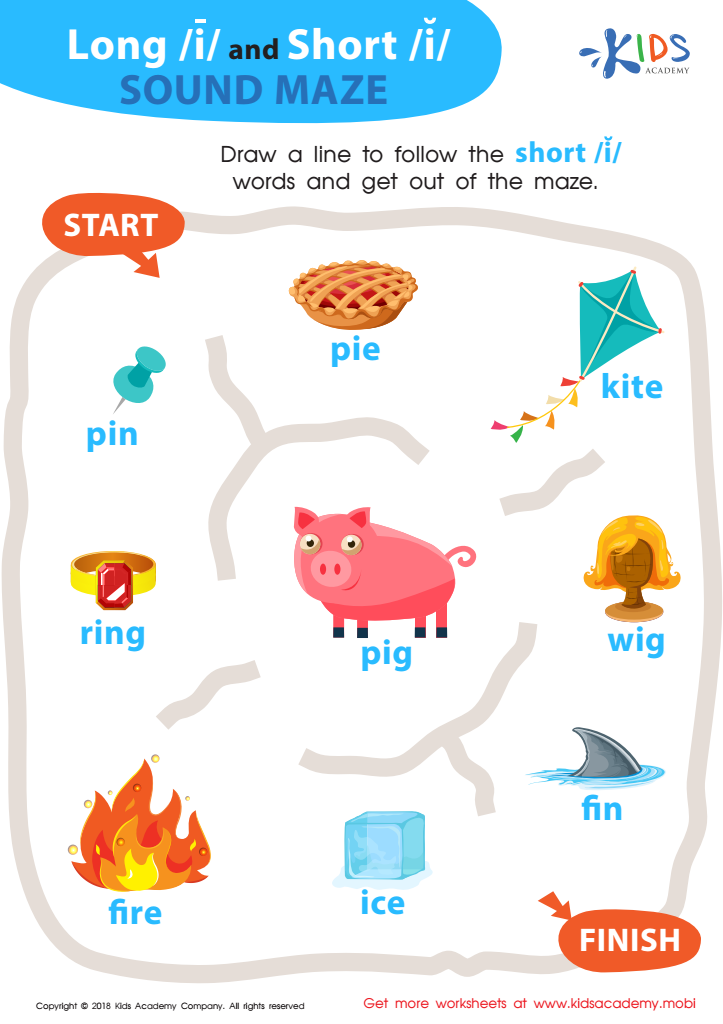
Reading: Long I and Short I Sound Maze Worksheet








Parents and teachers should prioritize vocabulary enhancement and normal letter recognition for children aged 4-7 because these foundational skills are integral to early literacy development. At this age, children are eager to explore language, and expanding their vocabulary not only enhances their communication skills but also boosts their cognitive abilities. A rich vocabulary enables children to express themselves more clearly and understand the world around them better.
Normal letter recognition reinforces their ability to identify and differentiate letters, forming the building blocks of reading and writing. When children recognize letters, they gain confidence in decoding words, which is essential for reading comprehension. Children who struggle with letter recognition may find reading daunting, potentially leading to frustration and a negative attitude toward learning.
Moreover, effective vocabulary and letter recognition strategies engage parents and teachers in creating a stimulating learning environment. Activities like reading together, playing word games, or using flashcards can make learning enjoyable. This holistic approach not only supports children's academic growth but also nurtures their love for learning. Ultimately, strong vocabulary and letter recognition skills pave the way for future academic success, helping children become proficient readers and effective communicators.








