Vocabulary expansion Normal Long And Short Vowel Worksheets for Ages 4-7
5 filtered results
-
From - To
Enhance your child's vocabulary with our engaging Normal Long and Short Vowel Worksheets designed specifically for ages 4-7! These interactive worksheets focus on expanding vocabulary while teaching the essential differences between long and short vowel sounds. Through fun activities and colorful illustrations, kids will build essential reading skills, learn new words, and reinforce their understanding of phonics. Our meticulously crafted materials cater to young learners, promoting literacy, language comprehension, and phonemic awareness. Ideal for homeschooling, classroom use, or extra practice at home, these worksheets make learning effortless and enjoyable. Start your child's journey toward vocabulary mastery today!
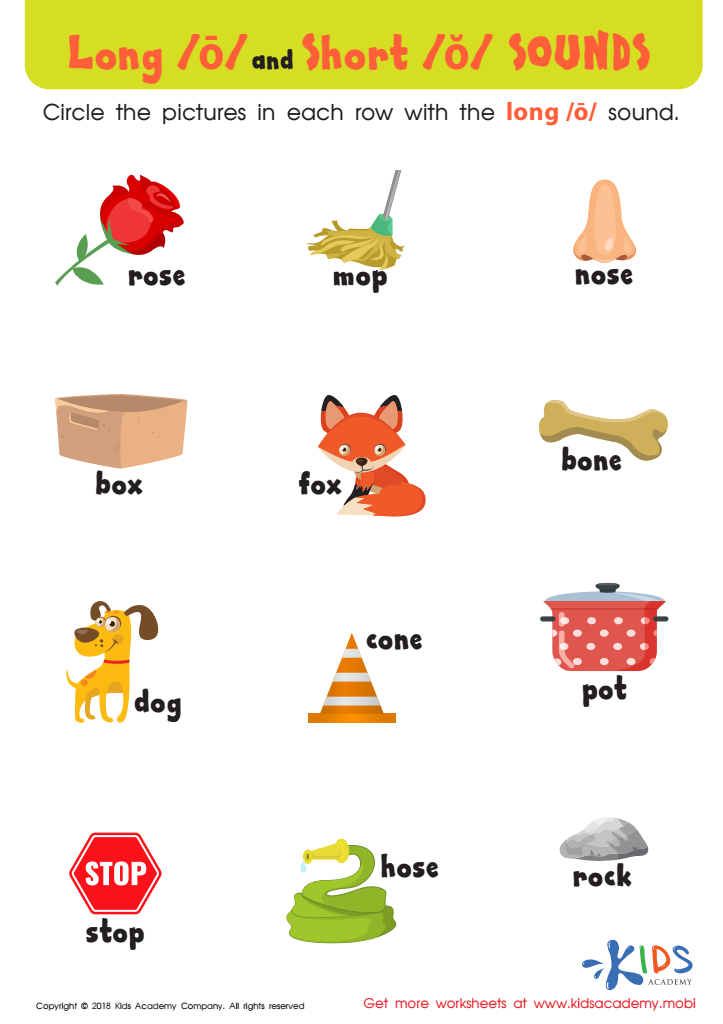
Reading: Long O and Short O Sounds Worksheet
 Assign to My Students
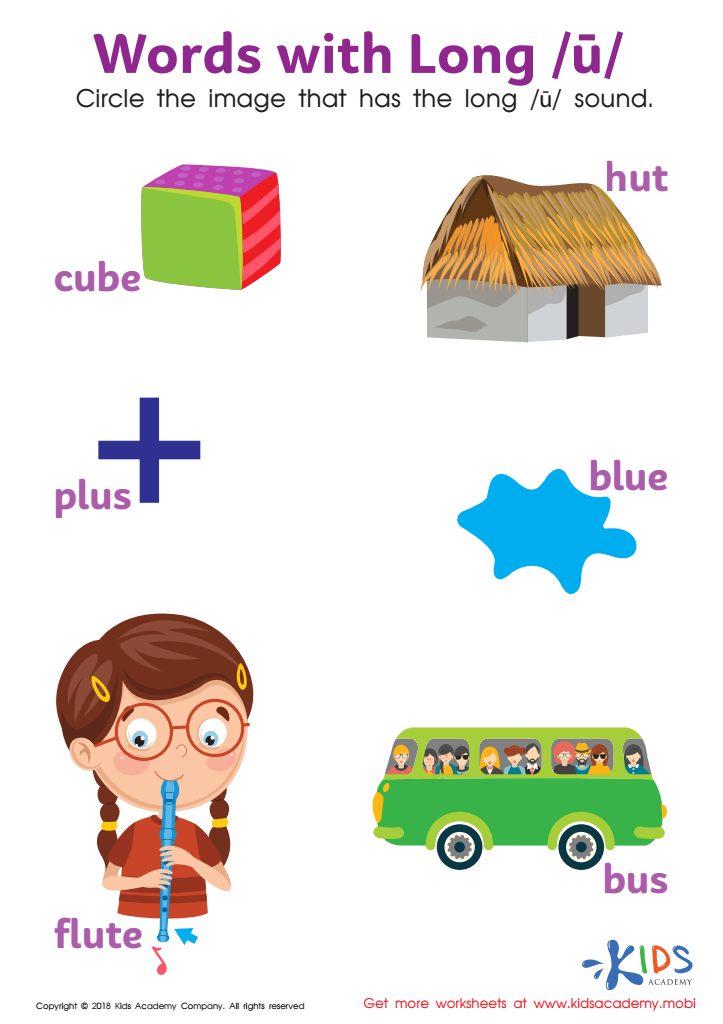
Words with Long U Reading Worksheet
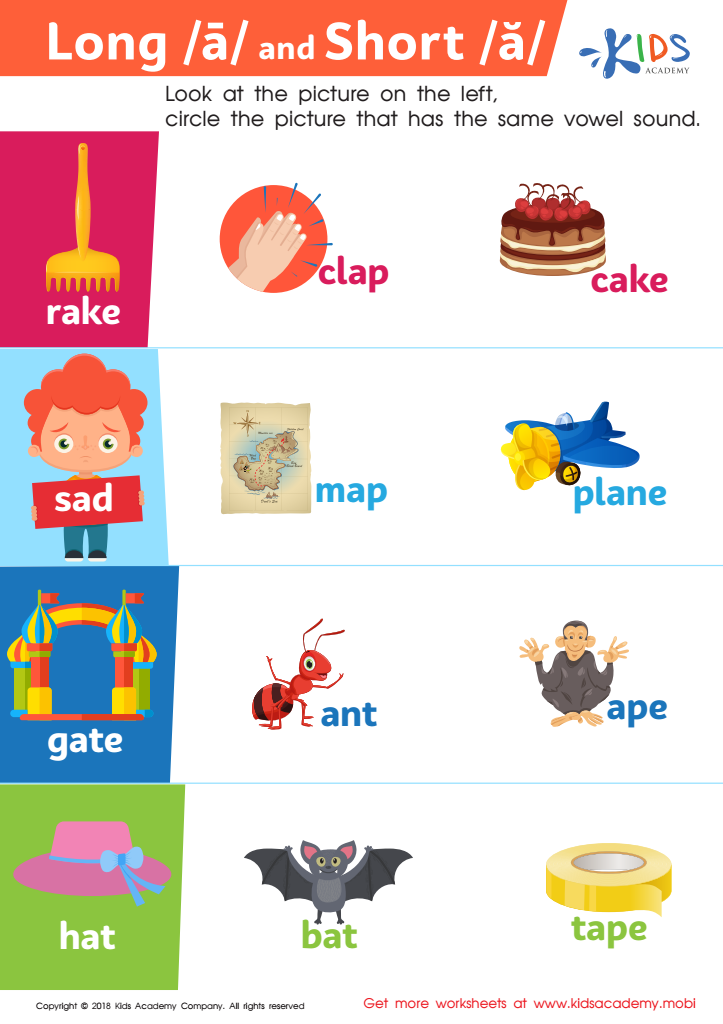
Reading: Long a and Short a Worksheet
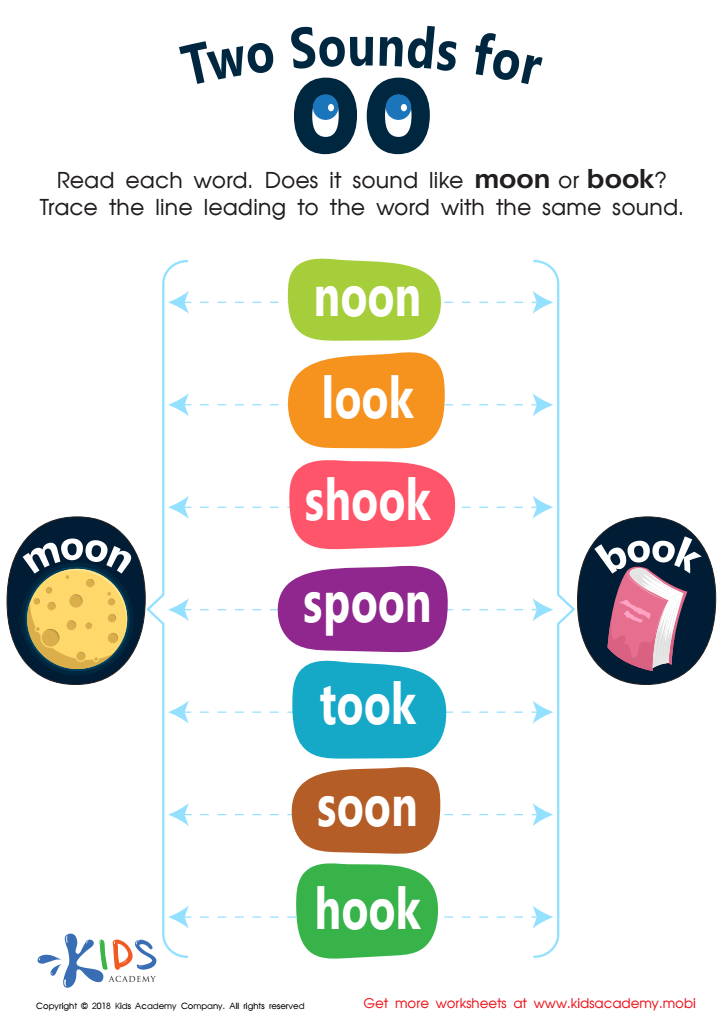
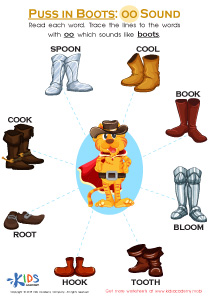
Two Sounds for OO Worksheet
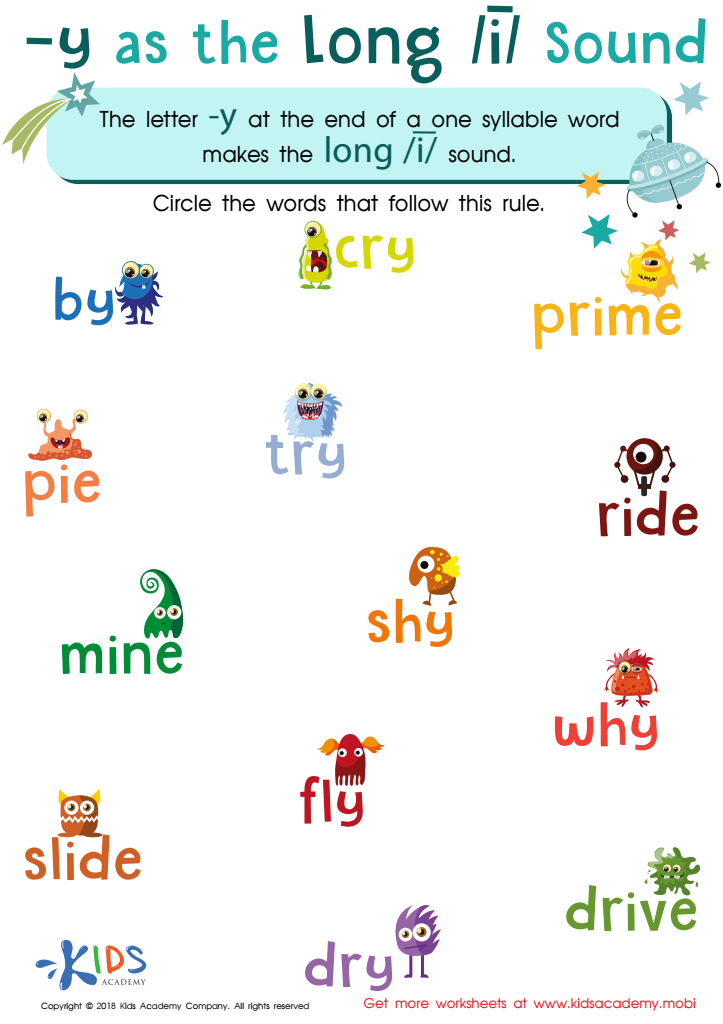
Reading: Y as Long I Worksheet




Vocabulary expansion, particularly focusing on normal long and short vowels, is crucial for children aged 4-7 as it lays the foundation for reading, writing, and overall communication skills. At this pivotal stage, children are rapidly developing their linguistic abilities, and understanding vowel sounds significantly impacts their ability to decode words.
When children grasp the difference between long and short vowels, they can better pronounce and spell words, aiding their literacy development. This expanded vocabulary enhances their reading comprehension, allowing them to engage with more complex texts and express their thoughts clearly.
Moreover, a strong vocabulary supports social skills and self-expression. Children who can articulate their feelings and ideas effectively are more likely to engage positively with peers and adults. As they learn to navigate conversations, their confidence will grow, fostering a love for learning and communication.
For parents and teachers, prioritizing this aspect of language development means empowering children's educational journeys. Engaging activities like games, songs, and storytelling can facilitate vowel recognition and usage, making the learning process enjoyable. Ultimately, nurturing vocabulary expansion enriches children's lives, equipping them with essential skills for future academic success and personal interaction.