Fine Motor Skills Normal Phonics Worksheets for Ages 4-7
5 filtered results
-
From - To
Discover engaging Fine Motor Skills Normal Phonics Worksheets designed for children ages 4-7. These carefully crafted resources help young learners develop essential fine motor skills while mastering phonics concepts. Each worksheet features interactive activities that promote handwriting practice, letter recognition, and sound identification in a fun and visually stimulating format. Perfect for parents and educators, these worksheets encourage children to enhance their dexterity and coordination while building a solid foundation for reading. Start your child's educational journey today with these delightful phonics worksheets that make learning an enjoyable experience! Download now and watch your child's skills flourish!
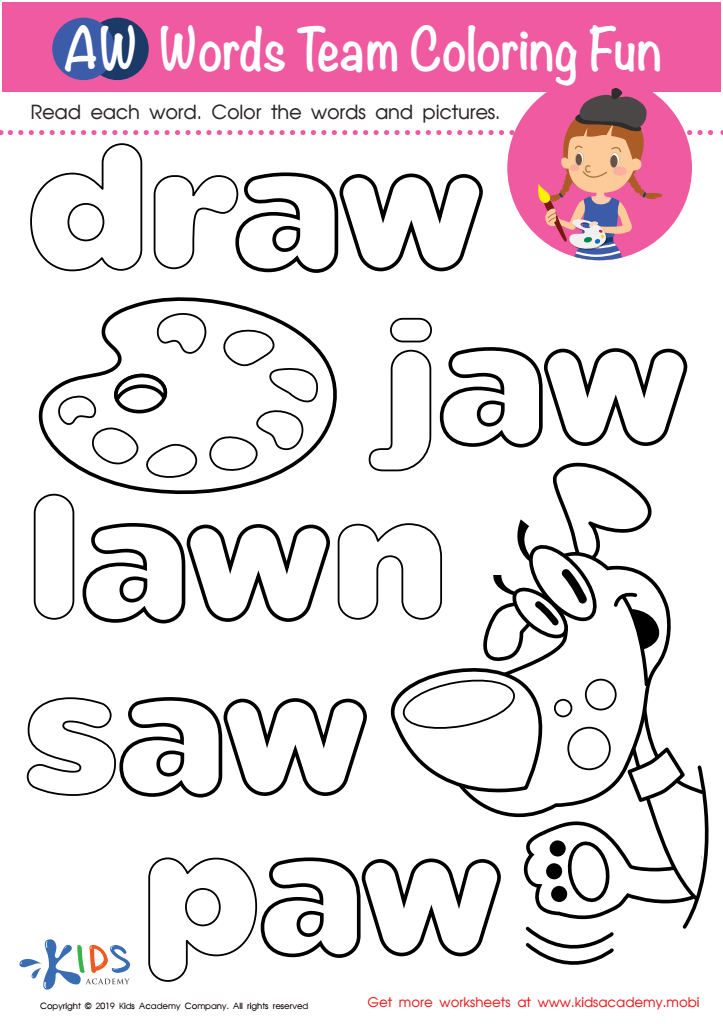
AW Words Team Coloring Fun Worksheet
 Assign to My Students
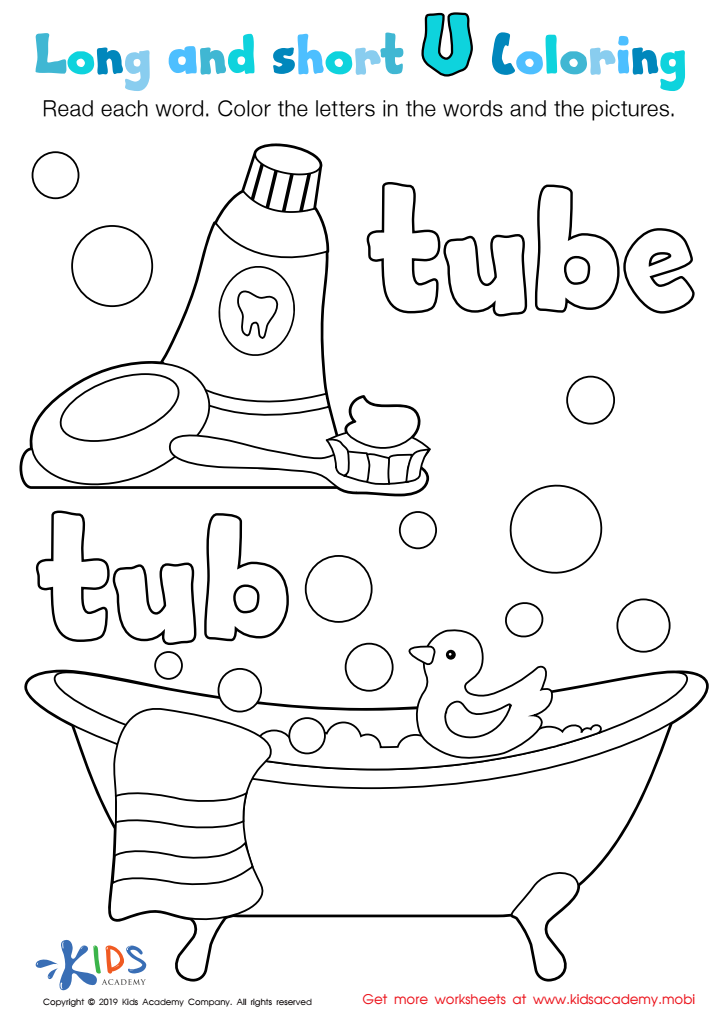
Long and Short U Worksheet
Assign to My Students
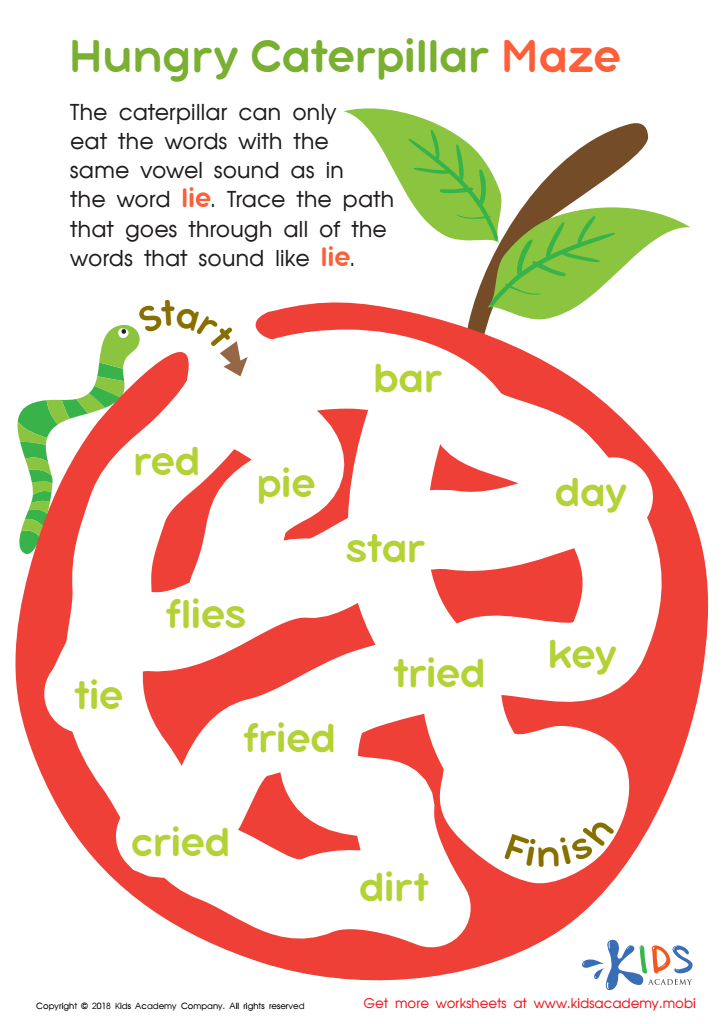
Hungry Caterpillar Maze Worksheet
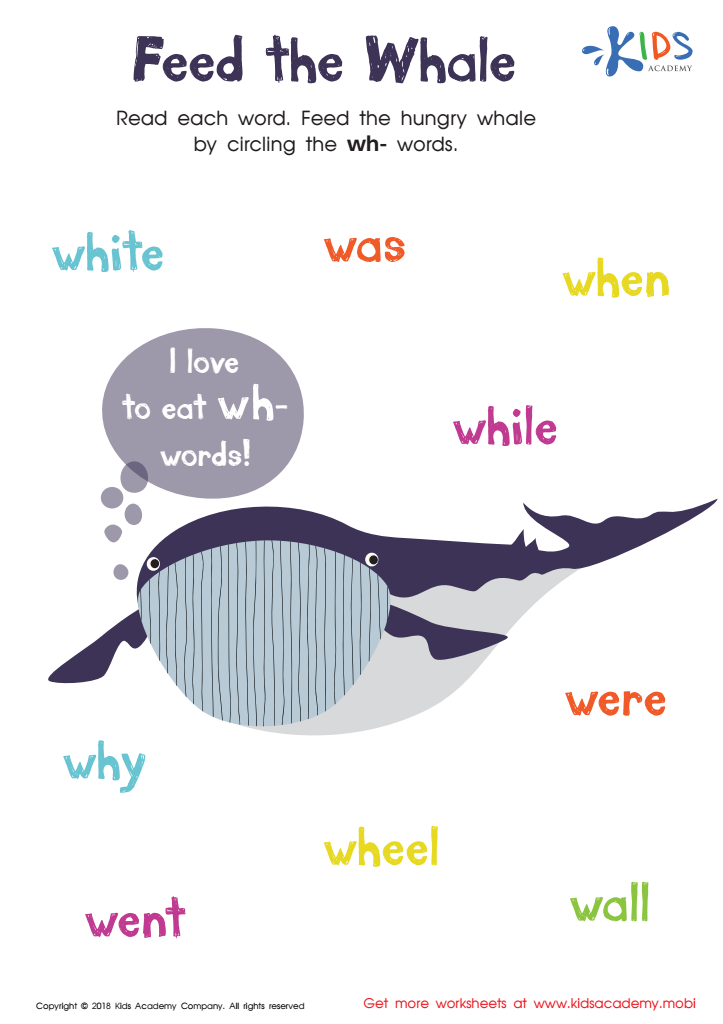
Feed the Whale Worksheet
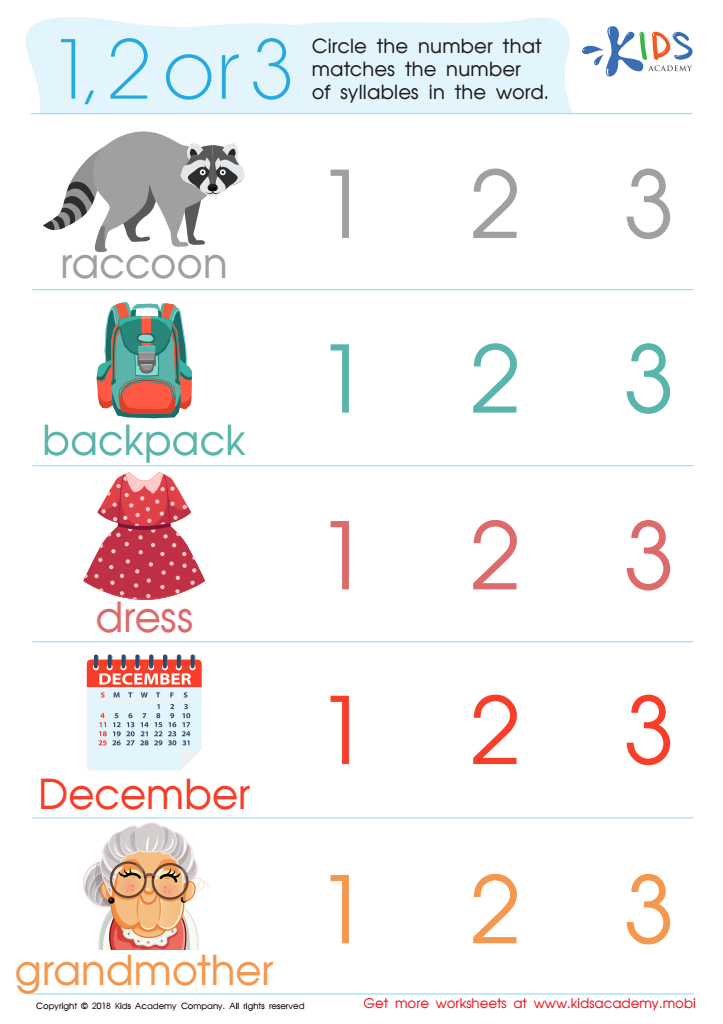
1, 2 or 3? Worksheet








Fine motor skills and phonics are crucial developmental components for children aged 4-7, significantly influencing their academic and everyday functioning. Fine motor skills involve the ability to coordinate small muscle movements, enabling tasks like writing, buttoning shirts, and playing with small objects. These skills foster not only physical dexterity but also cognitive development, as children learn to manipulate materials and engage in creative activities. When children master fine motor tasks, they build the confidence needed for more complex skills.
On the other hand, normal phonics instruction helps children understand the relationship between sounds and letters, which is fundamental to reading and writing. A solid grasp of phonics allows young learners to decode new words, improving their reading fluency and comprehension.
Teachers and parents should prioritize these areas because they lay the foundation for future academic success. Strong fine motor skills and phonics proficiency not only enhance learning in early childhood but also support emotional confidence and social interactions. By investing time and resources into developing these skills, adults help children become capable, confident individuals, ready to tackle more advanced academic challenges in later years. Thus, fostering these skills is essential for children's holistic growth and lifelong learning success.







