Hand-eye Coordination Normal Phonics Worksheets for Ages 4-7
5 filtered results
-
From - To
Discover our Hand-Eye Coordination Normal Phonics Worksheets designed for children aged 4-7. These expertly crafted resources foster early reading skills, blending phonics and visual exercises to enhance hand-eye coordination. Each worksheet helps young learners recognize letters, sound them out, and combine them into words while engaging in fun activities that support motor skills development. Perfect for home or classroom use, our worksheets are tailored to align with early childhood education standards, ensuring a solid foundation in literacy. Download now to inspire your child's learning journey with engaging and effective phonics practice.
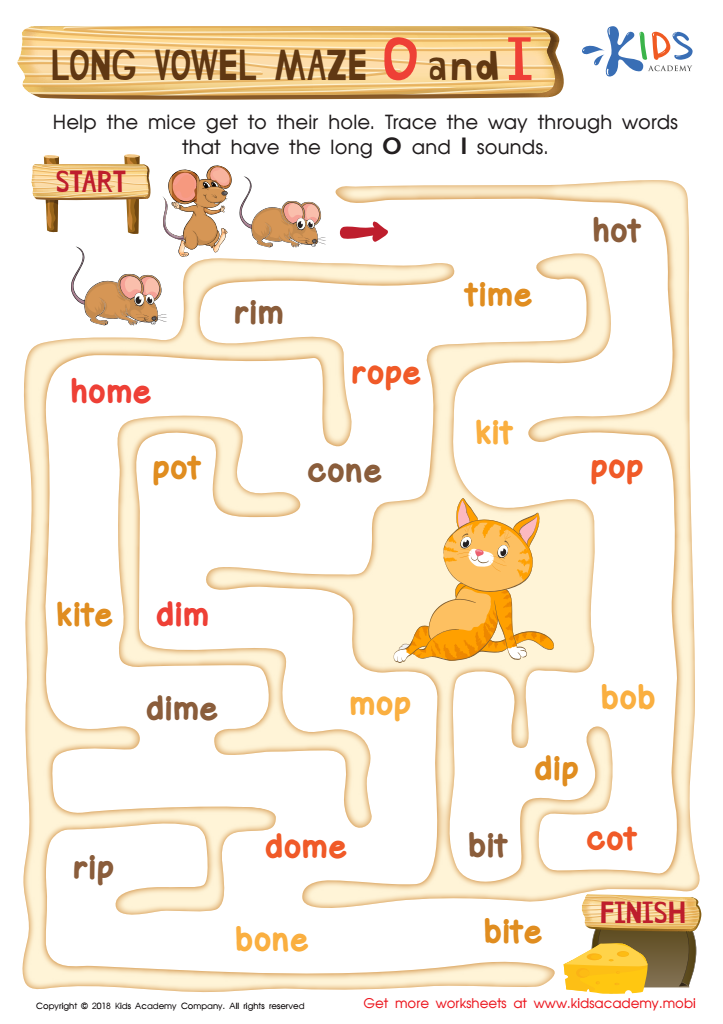
Long Vowel Maze /o/ and /i/ Worksheet
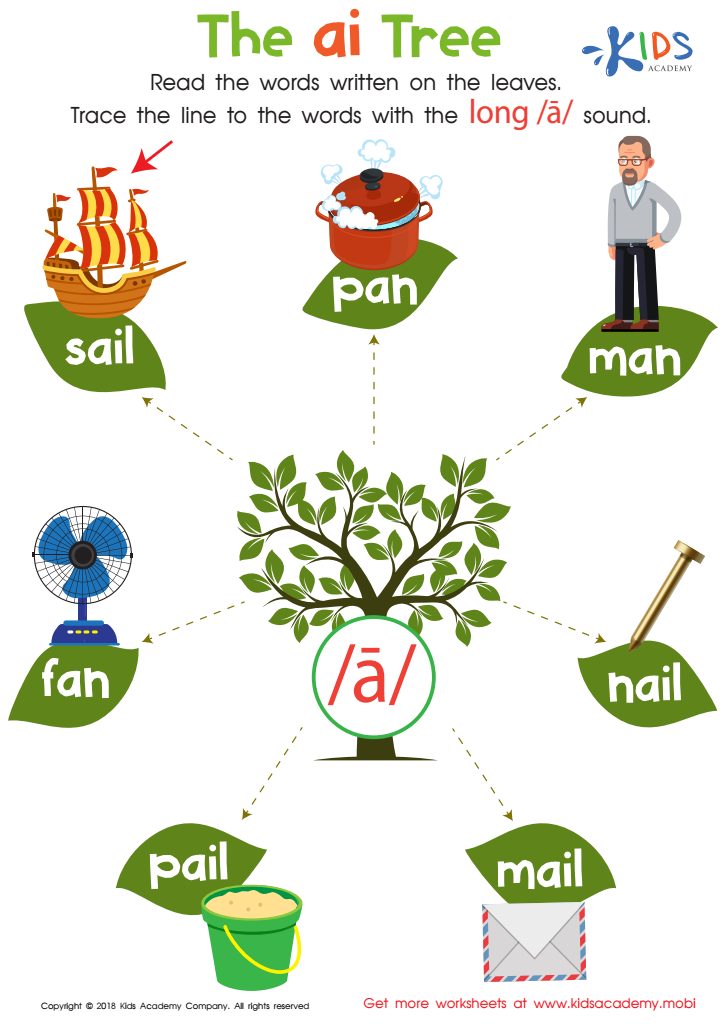
The AI Tree Worksheet

Long and Short U Worksheet
 Assign to My Students
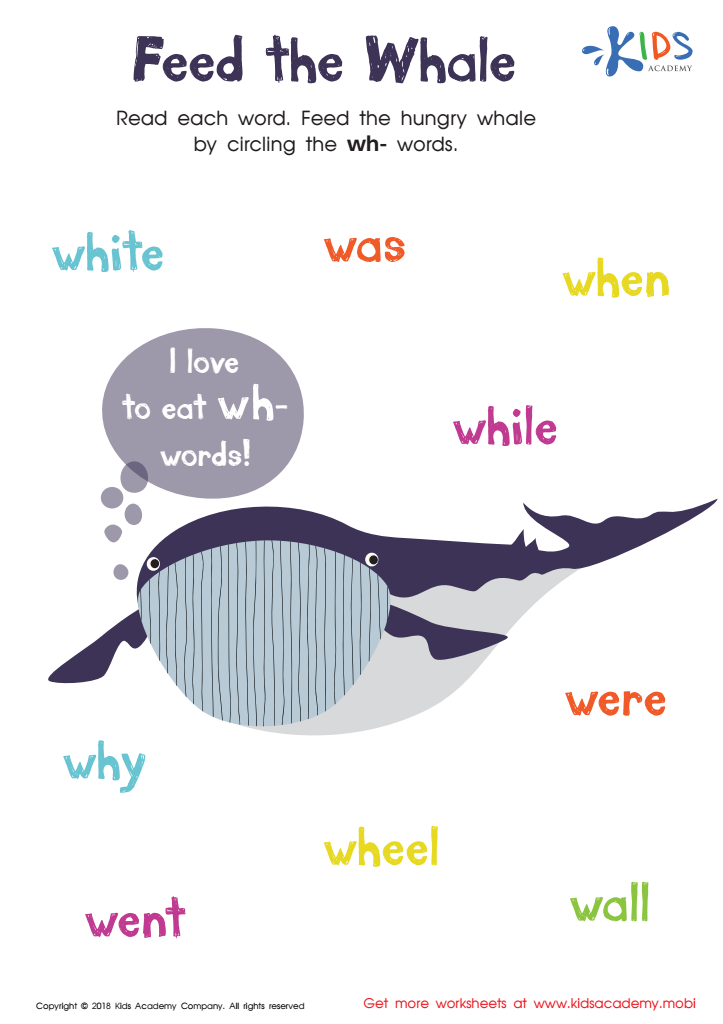
Feed the Whale Worksheet
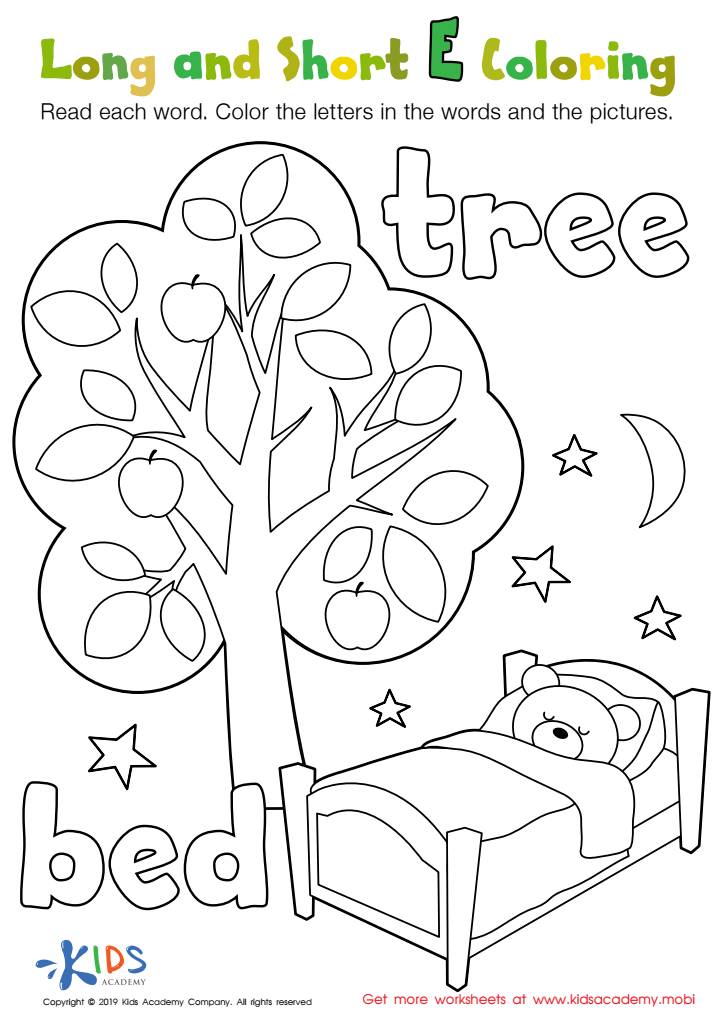
Long and Short E Worksheet
Assign to My Students








Hand-eye coordination and normal phonics are crucial developmental milestones for children aged 4-7. Hand-eye coordination—the ability to synchronize visual input with hand movements—is essential for tasks such as writing, cutting with scissors, and even playing sports. When a child develops strong hand-eye coordination, they are more prepared for academic tasks in school, which often involve fine motor skills.
Normal phonics is the understanding of sound-letter relationships, the foundation of reading. Phonics skills include the ability to recognize letters, understand that letters represent sounds, and blend these sounds to form words. Mastery of phonics enables children to decode new words, thus strengthening their reading fluency and comprehension.
For parents and teachers, ensuring that children develop these skills helps in multiple ways. First, children with proficient hand-eye coordination and phonics are more successful at engaging in multisensory learning experiences, such as reading interactive books or performing hands-on science experiments. Second, early literacy skills are directly linked to future academic achievement and lifelong learning abilities.
Developing these early skills sets a positive trajectory for educational success. By providing activities and support for hand-eye coordination and phonics development, parents and teachers are investing in their children's foundation for learning, creativity, and social skills. Both aspects—the physical and the cognitive—turn the challenges of early education into opportunities for growth and discovery.







