Phonics development Normal Phonics Worksheets for Ages 4-7
3 filtered results
-
From - To
Unlock the door to reading success with our Phonics Development Normal Phonics Worksheets for Ages 4-7! Perfectly tailored to early learners, these engaging worksheets provide a comprehensive foundation in phonics. From mastering letter sounds and recognition to blending and segmenting words, each activity is designed to build essential phonetic skills crucial for reading fluency. Our fun and interactive exercises support varied learning styles, helping children excel in their literacy journey. Ideal for classrooms and home practice, these worksheets ensure a thorough understanding of phonics principles, setting young readers on a path to confident, independent reading. Explore our collection today!
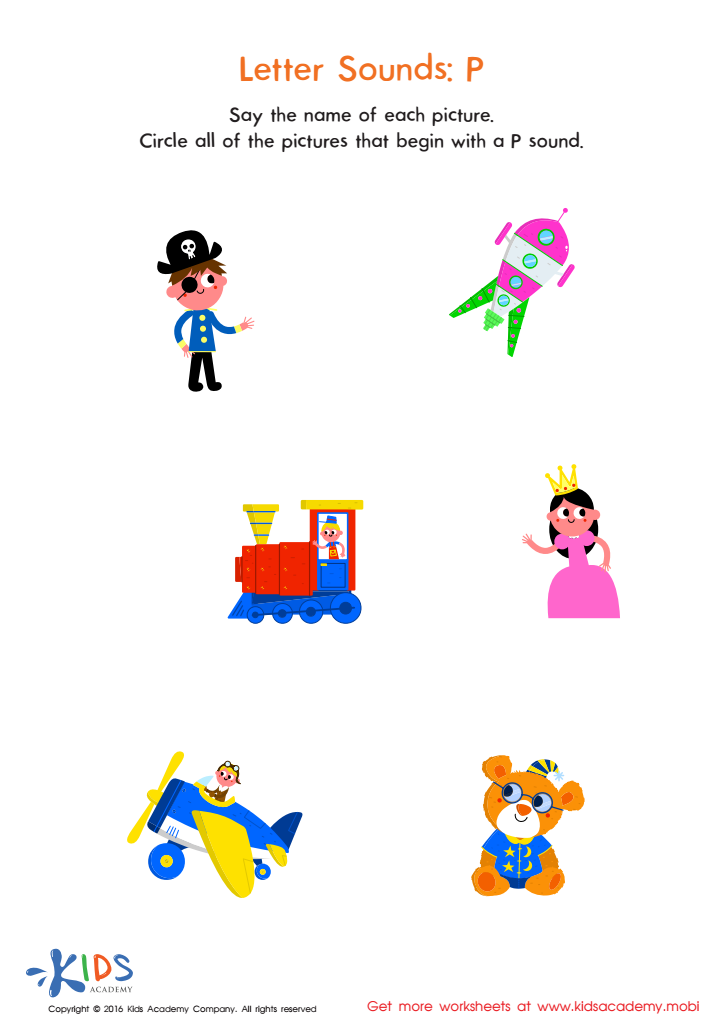
Letter P Sound Worksheet
 Assign to My Students
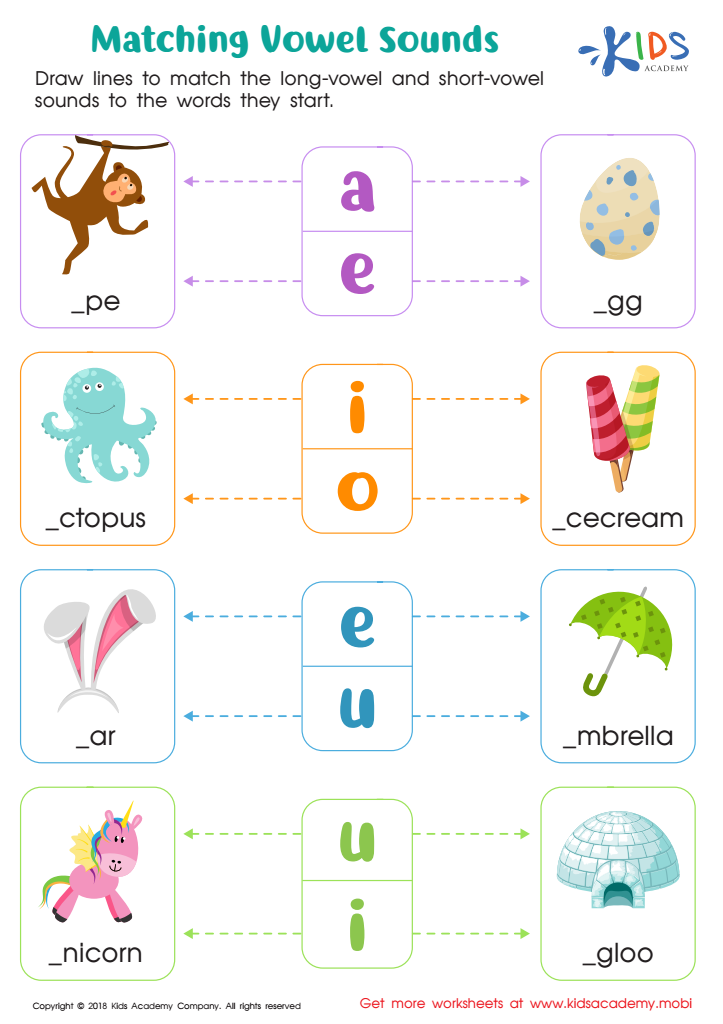
Matching Vowel Sounds Worksheet
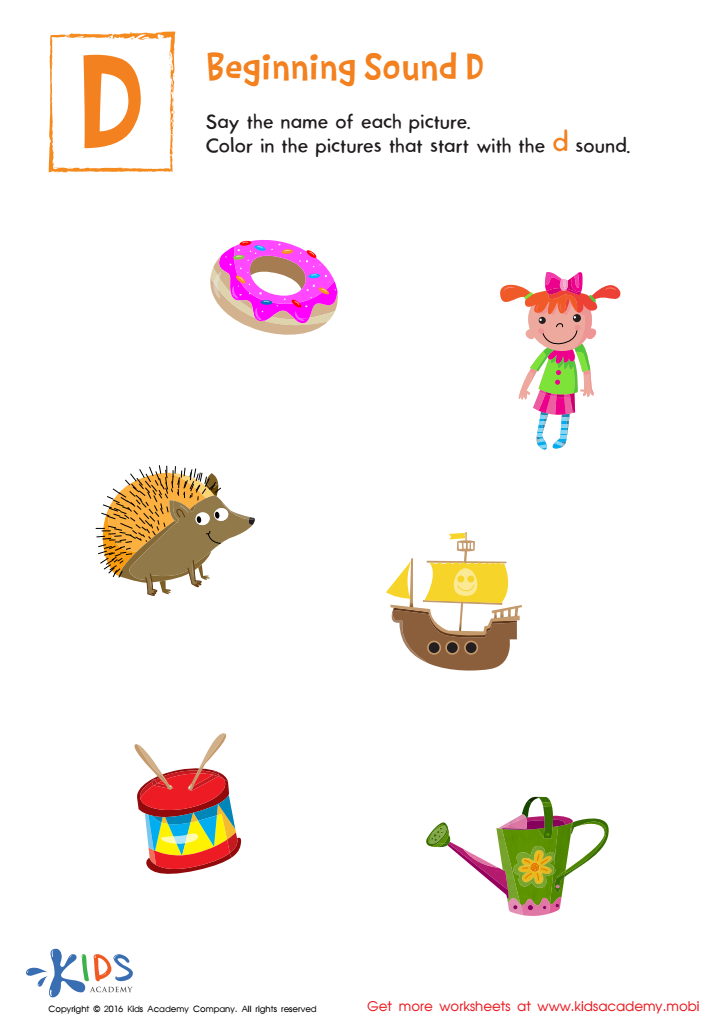
Beginning Sound D Worksheet








Phonics development is critical for young children ages 4-7 because it lays the foundation for successful reading and writing. Phonics teaches children the relationship between letters and sounds, enabling them to decode new words, pronounce them correctly, and comprehend their meaning. This fundamental skill helps ensure that children understand how sounds map to written language, which is crucial for reading fluency and spelling accuracy.
For parents and teachers, fostering strong phonics skills means supporting children’s broader academic growth. Children who master phonics early typically display greater confidence and enthusiasm for learning. These children are less likely to struggle with literacy later in their academic journey, easing potential frustrations and academic challenges.
Additionally, research indicates that early phonics instruction is linked to higher reading achievement. Proper phonics training provides a scaffold that promotes independence in reading, allowing children to tackle more complex texts over time. It also supports vocabulary growth and enhances comprehension skills.
In essence, caring about phonics development equips children with the tools they need for educational success, reading enjoyment, and lifelong literacy. For parents and educators, investing time and resources in phonics instruction at an early age is a vital step towards empowering young learners to achieve their full potential.







