Phonics recognition Normal Phonics Worksheets for Ages 4-7
11 filtered results
-
From - To
Boost your child's phonics skills with our engaging and educational Phonics Recognition Worksheets, perfect for ages 4-7. Designed to make learning fun, these worksheets cover essential phonics concepts—identifying letter sounds, blending, segmenting, and more. Each activity is crafted to help early readers recognize and decode words, building a strong literacy foundation. Attractive illustrations and interactive exercises capture children's interest and reinforce learning. Perfect for both classroom and home use, our phonics worksheets provide a valuable resource for parents and teachers aiming to develop confident and capable young readers. Start their phonics adventure today!
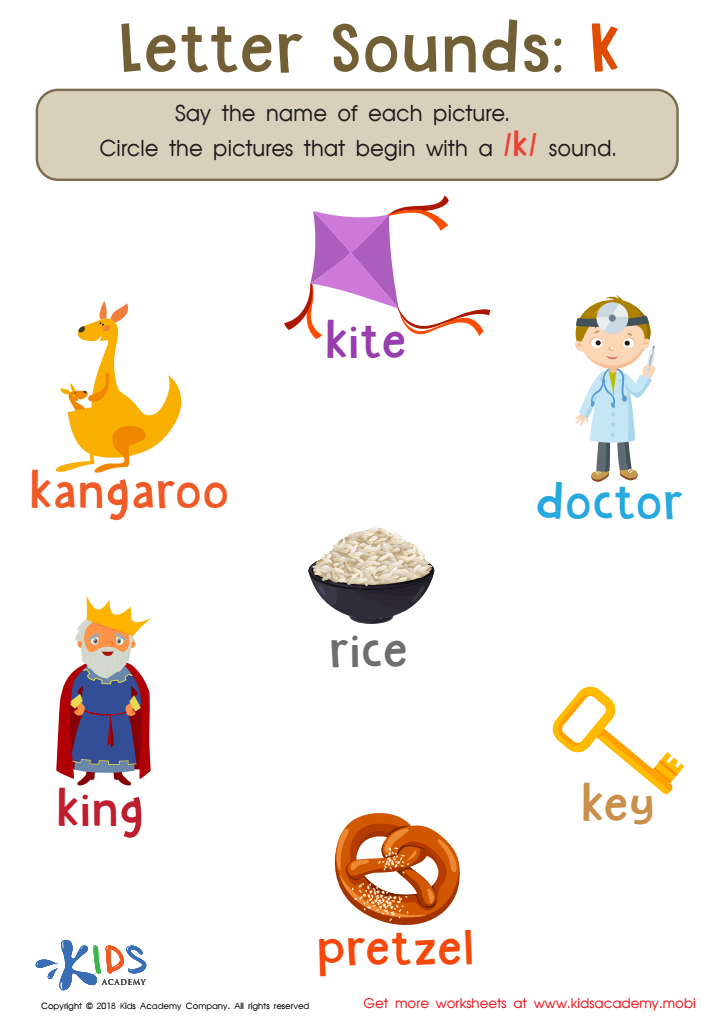
Letter K Sounds Worksheet
 Assign to My Students
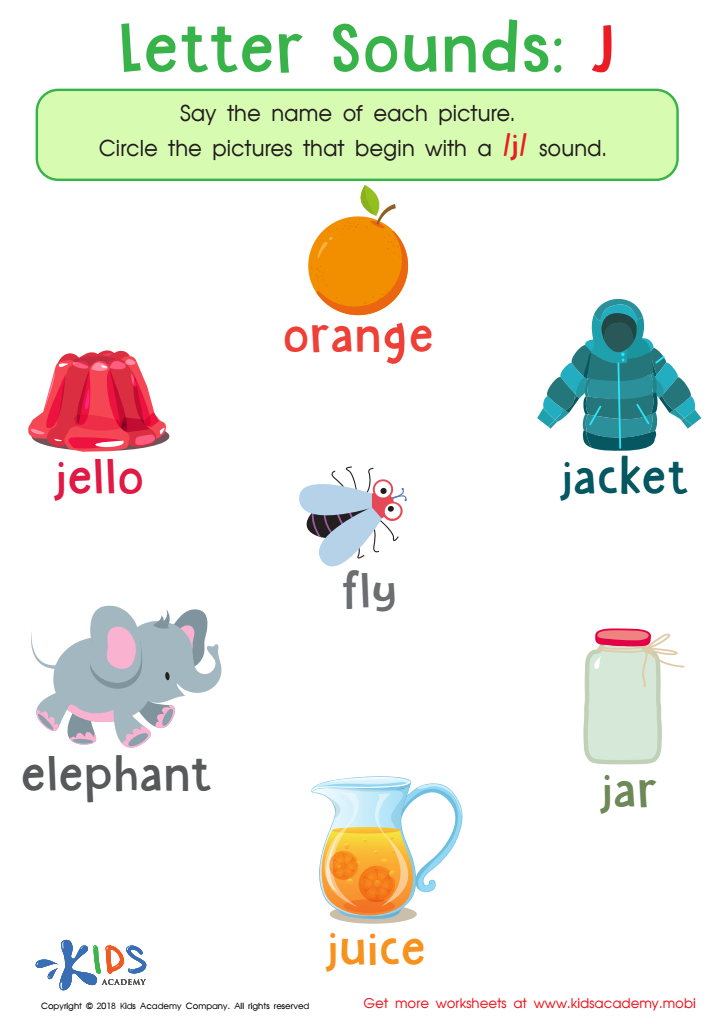
Letter Sounds: J Printable Worksheet
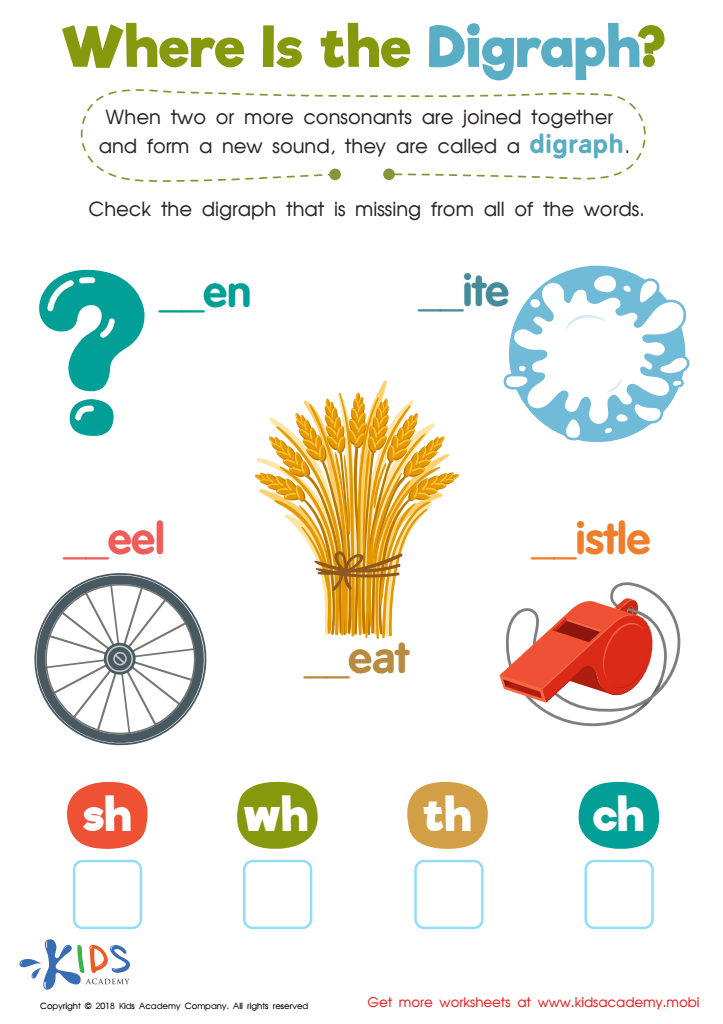
Where Is the Digraph? Worksheet
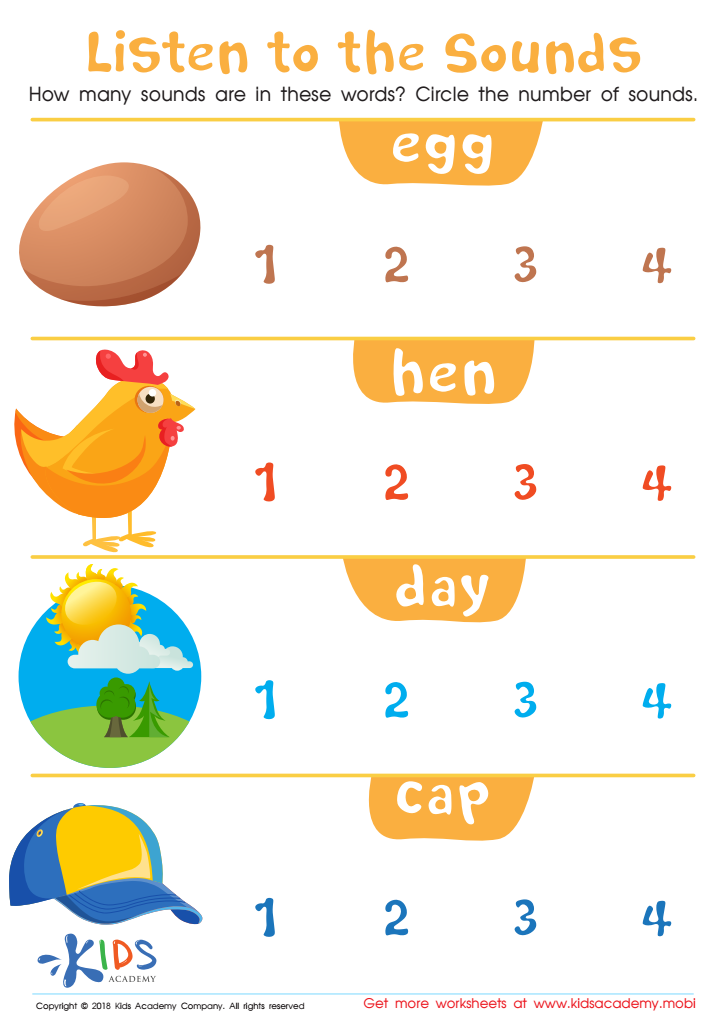
Listen to the Sounds Worksheet
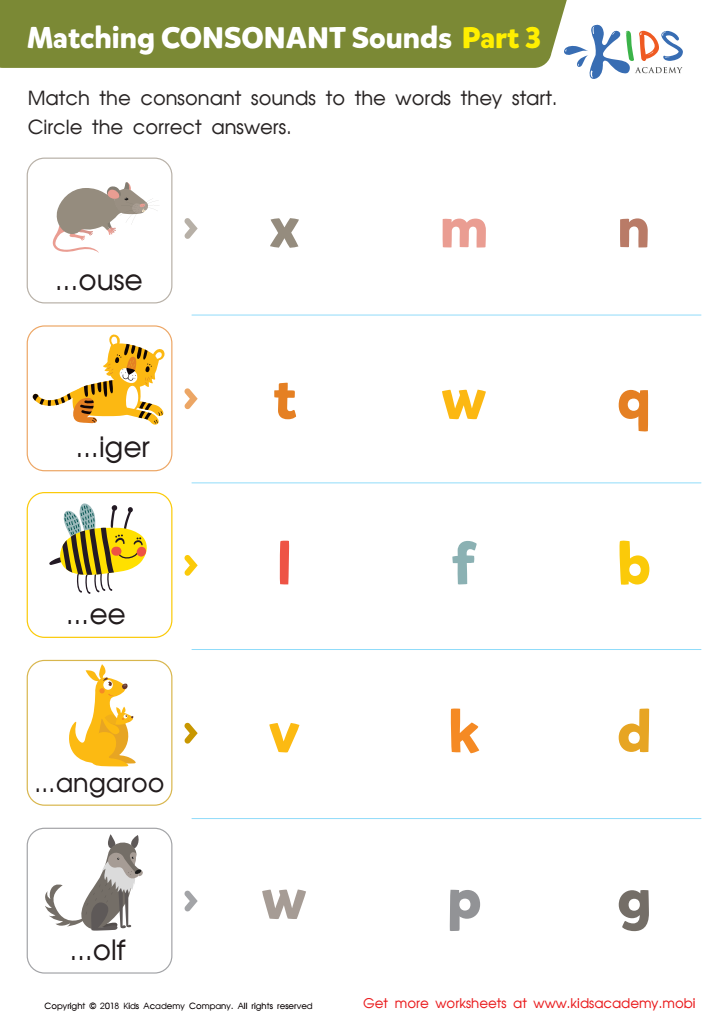
Matching Consonant Sounds: Part 3 Worksheet
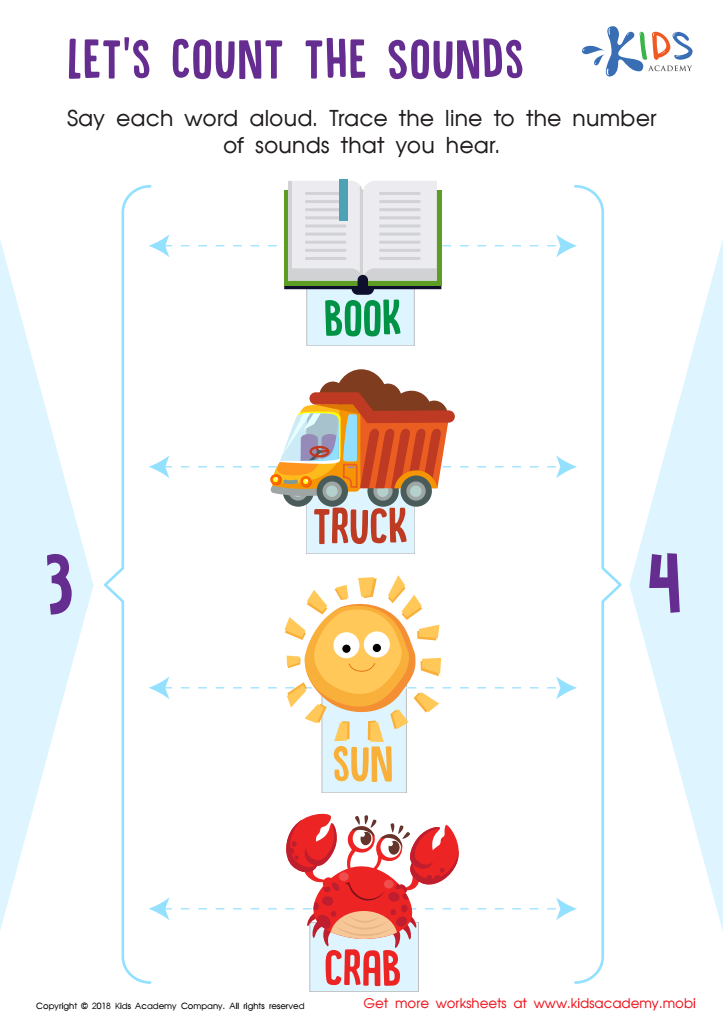
Let's Count the Sounds Worksheet
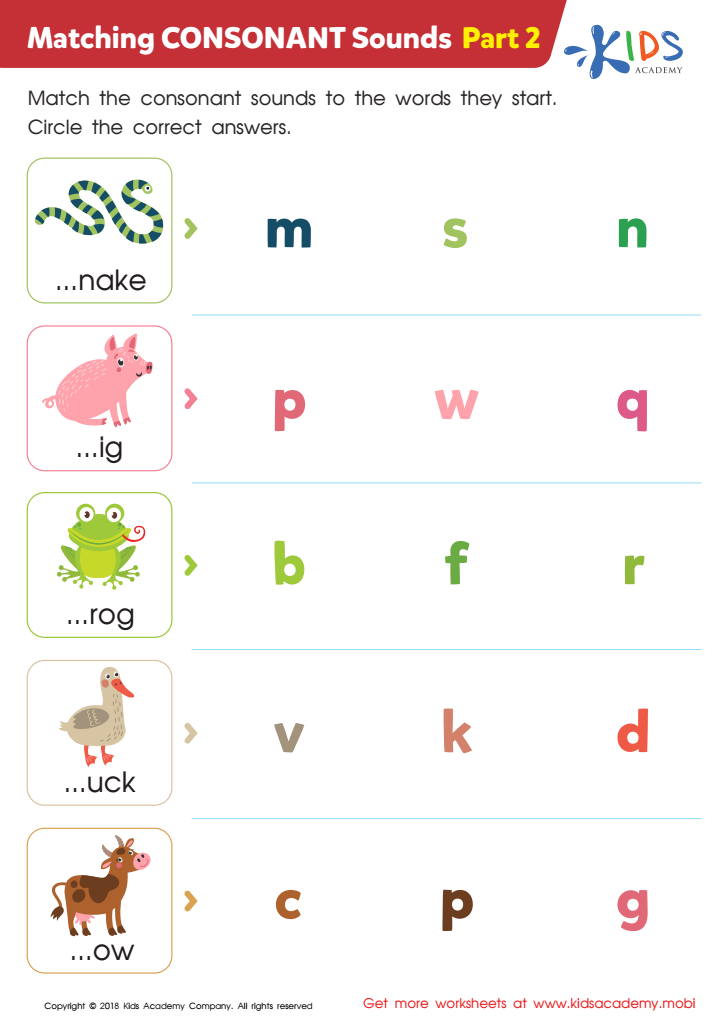
Matching Consonant Sounds: Part 2 Worksheet
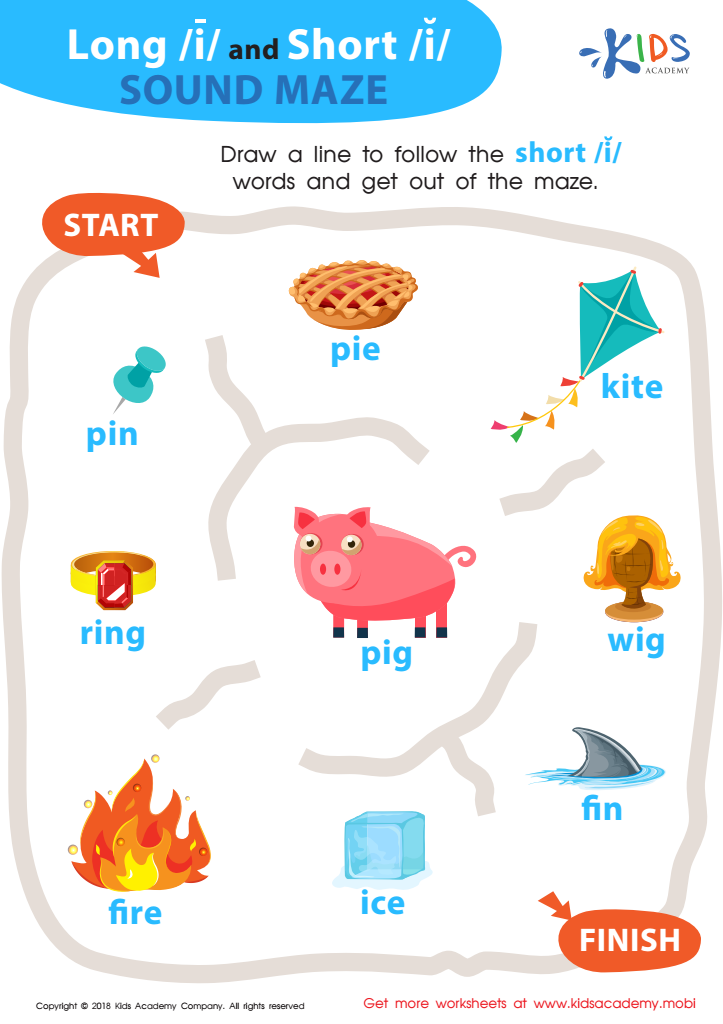
Reading: Long I and Short I Sound Maze Worksheet
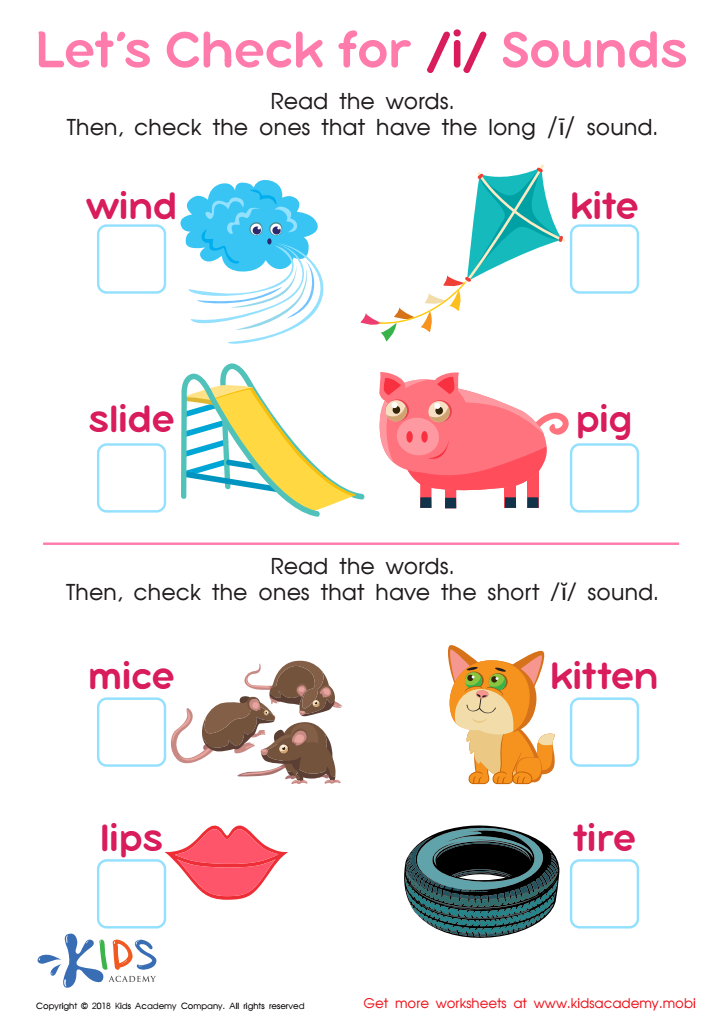
Let's Check for «i» Sounds Worksheet
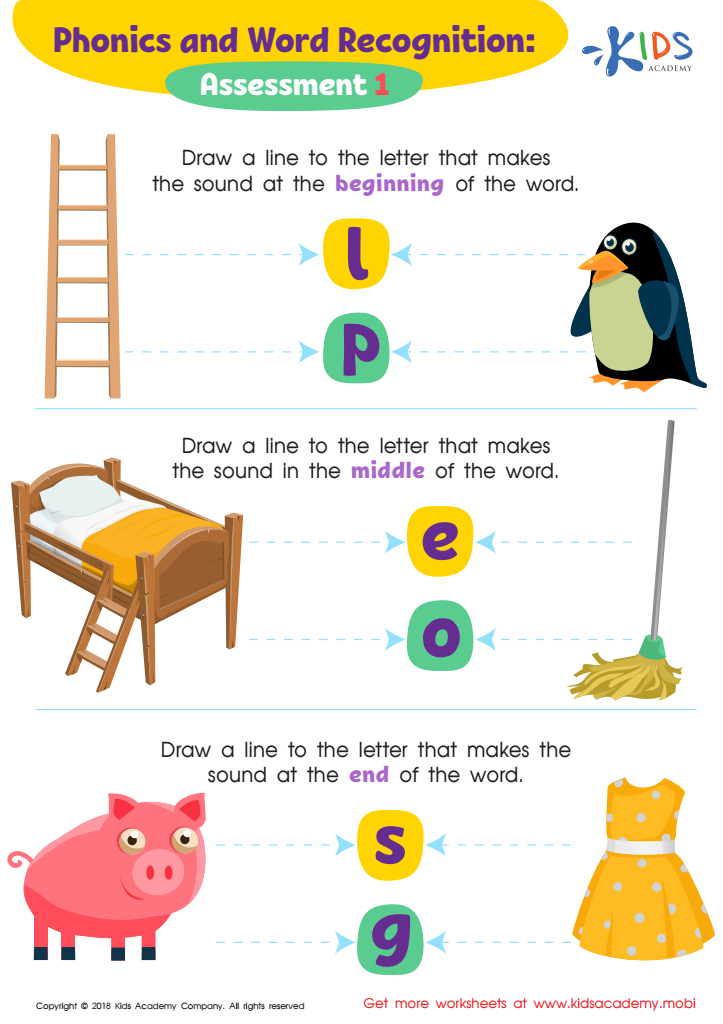
Phonics and Word Recognition: Assessment 1 ELA Worksheet
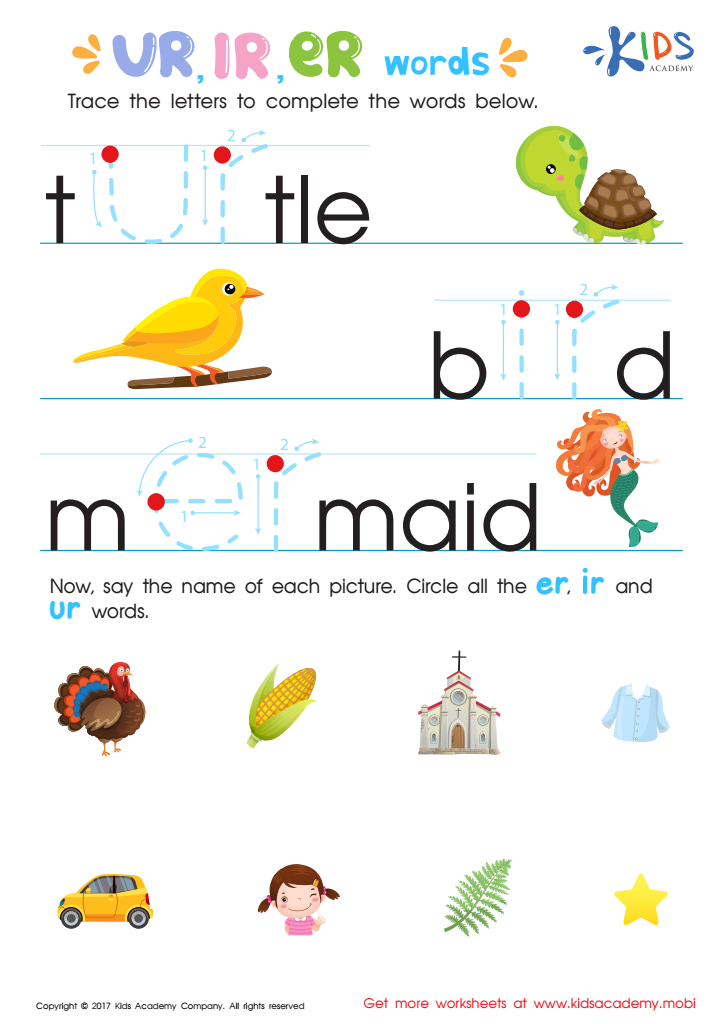
IR UR ER Words Worksheet








Phonics recognition, especially for children aged 4-7, is a cornerstone for developing foundational reading skills. At this early age, young learners are particularly receptive to language acquisition and the sounds that form words. Phonics instruction helps children decode words by understanding the relationships between letters and sounds. This is pivotal because it enables them to read unfamiliar words with confidence, enhancing their reading fluency and accuracy.
For parents and teachers, investing in phonics education reaps numerous long-term academic benefits. Children who struggle with phonics often face hurdles in other subjects because reading is integral to all areas of learning. Phonics provides the tools to bridge these gaps early on, reducing future academic challenges.
Moreover, early success in reading through phonics boosts a child’s self-esteem and fosters a love for reading. This enjoyment can translate into a lifelong habit of reading for pleasure and information, which further propels academic and personal growth. In addition, sound phonics skills support better spelling and writing abilities, contributing to overall literacy.
Ignoring the importance of phonics at this critical age can result in students falling behind their peers, leading to frustration and disinterest in school. Hence, both parents and teachers have a vital role in ensuring robust phonics instruction, setting children on the path to successful academic and lifelong learning.







