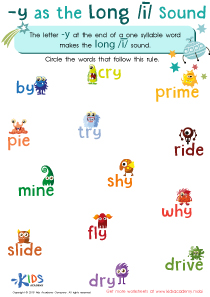
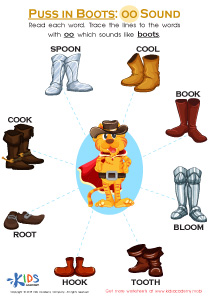
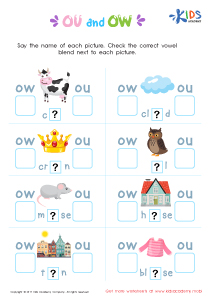
Vocabulary enhancement Normal Short Vowels Worksheets for Ages 4-7
3 filtered results
-
From - To
Enhance your child's vocabulary with our engaging Normal Short Vowels Worksheets, designed specifically for ages 4-7! These fun and interactive activities focus on short vowel sounds, helping young learners recognize and practice essential vocabulary. Each worksheet encourages kids to connect words to images, reinforcing their understanding of phonetics while enhancing their reading skills. Ideal for homeschooling or classroom use, these resources offer an exciting way to cultivate a love for language in early learners. Foster their language development and watch them blossom into confident readers with our thoughtfully crafted vocabulary enhancement worksheets! Explore our collection today and inspire learning!
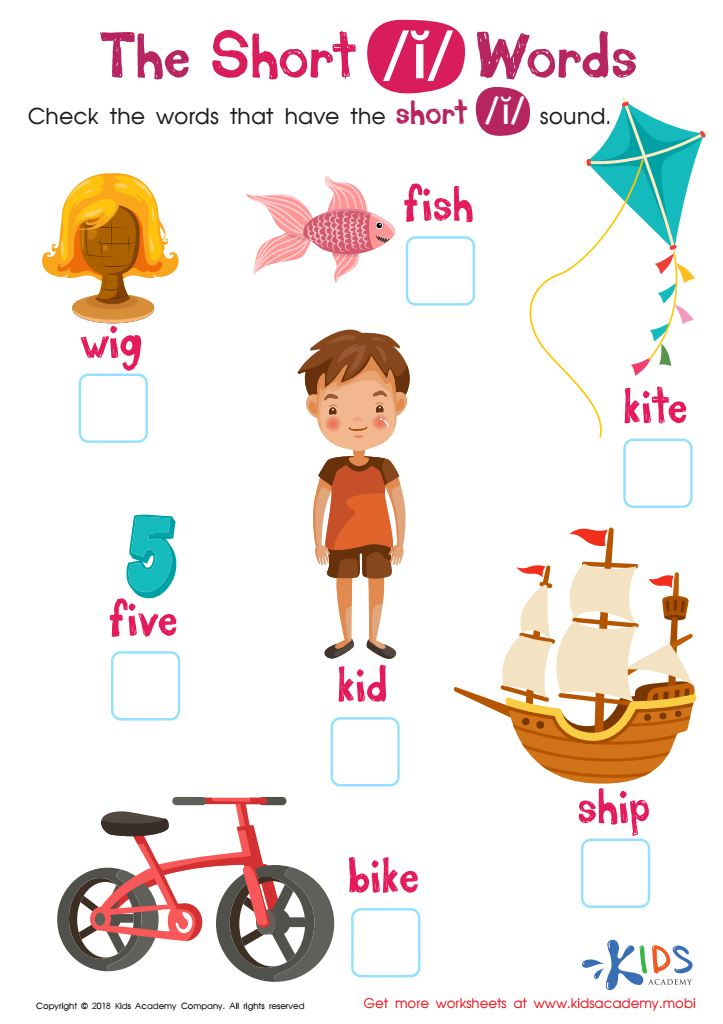
The Short I Words Reading Worksheet
 Assign to My Students
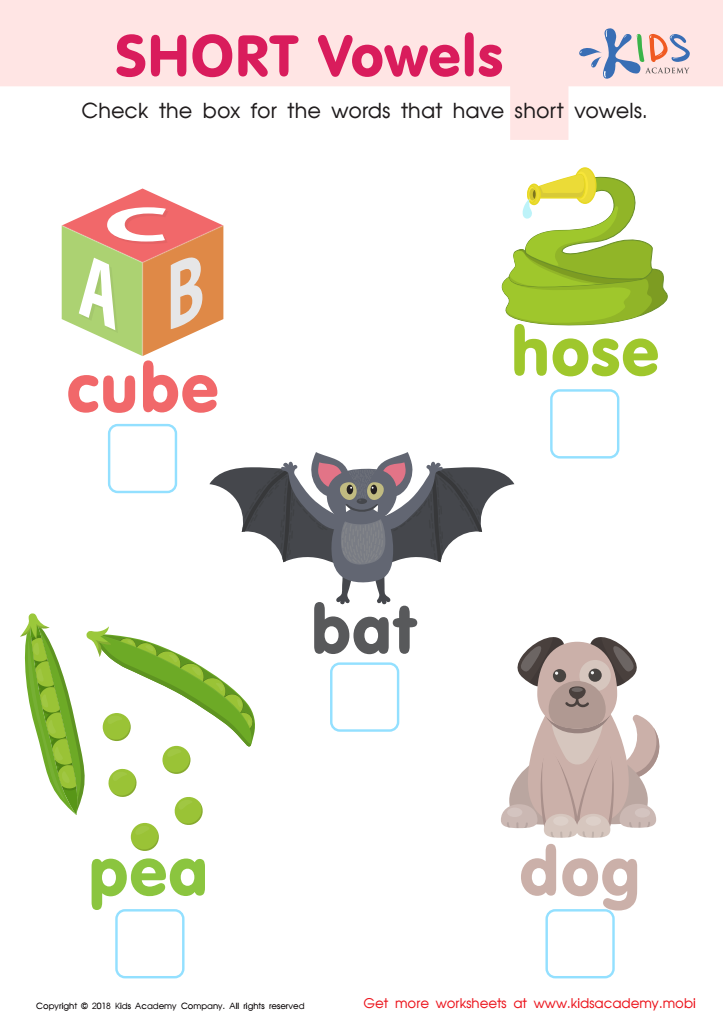
short vowels Worksheet
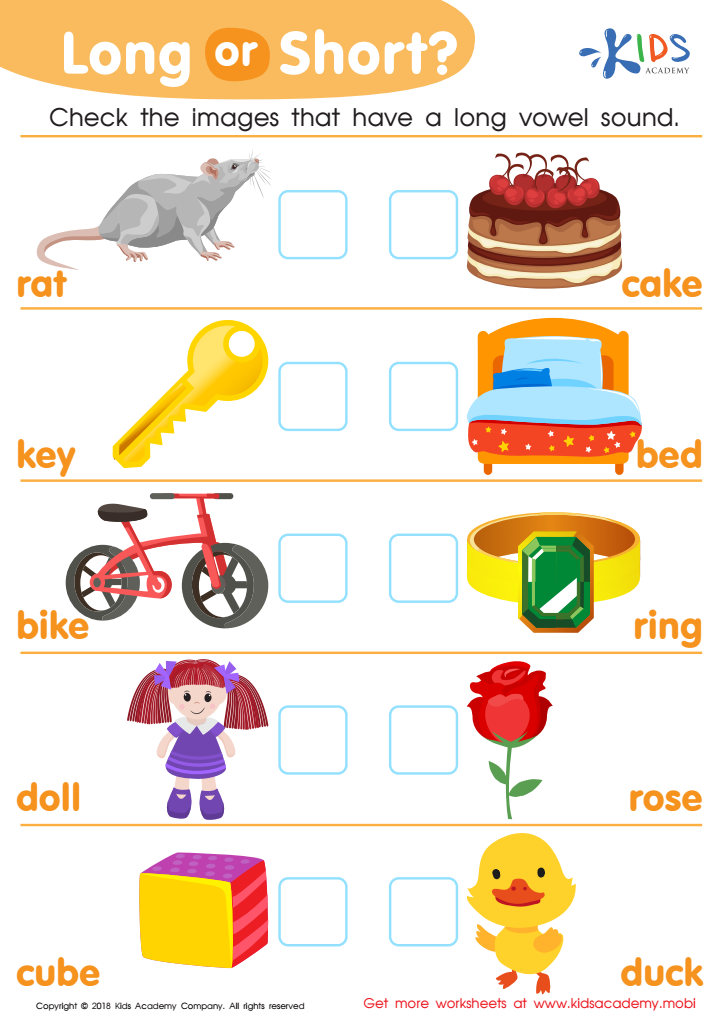
Long or Short Reading Worksheet



Vocabulary enhancement focusing on normal short vowels for ages 4-7 is crucial for several reasons. First, this age group is in a critical stage of language development where foundational phonetic skills are established. Short vowels (like "a," "e," "i," "o," and "u") are essential components of many words, and mastering them helps young learners decode language more effectively.
Developing a strong vocabulary through understanding short vowels not only supports reading fluency but also encourages early literacy. When children can reliably recognize and use short vowels, they gain confidence in their reading abilities, which fosters a love for books and learning. Furthermore, vocabulary enrichment at this stage aids in effective communication skills, allowing children to express themselves clearly and understand others better.
Parents and teachers play a pivotal role in providing consistent exposure to vocabulary activities. Engaging children in games, songs, and stories that emphasize short vowel sounds makes learning enjoyable and interactive. Ultimately, enhanced vocabulary leads to better academic performance and lays the groundwork for lifelong learning, ensuring children are well-equipped for future academic challenges and social interactions. Thus, focusing on vocabulary enhancement at this young age is essential for overall cognitive and emotional development.