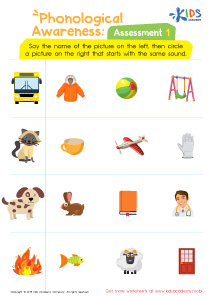
Phonics Skills Normal Two Letter Phonics Worksheets for Ages 4-7
6 filtered results
-
From - To
Explore our "Phonics Skills Normal Two Letter Phonics Worksheets," meticulously designed for children aged 4-7. These engaging worksheets are tailored to enhance your child's phonemic awareness, blending, and decoding skills essential for early reading success. Each worksheet focuses on common two-letter combinations, helping young learners recognize sounds, words, and patterns through fun, interactive activities. Our resources support a structured step-by-step approach, making phonics enjoyable and effective. Ideal for preschoolers and early graders, these worksheets lay a solid literacy foundation, preparing your child for future reading achievements. Access now to ensure a confident start in your child’s educational journey.
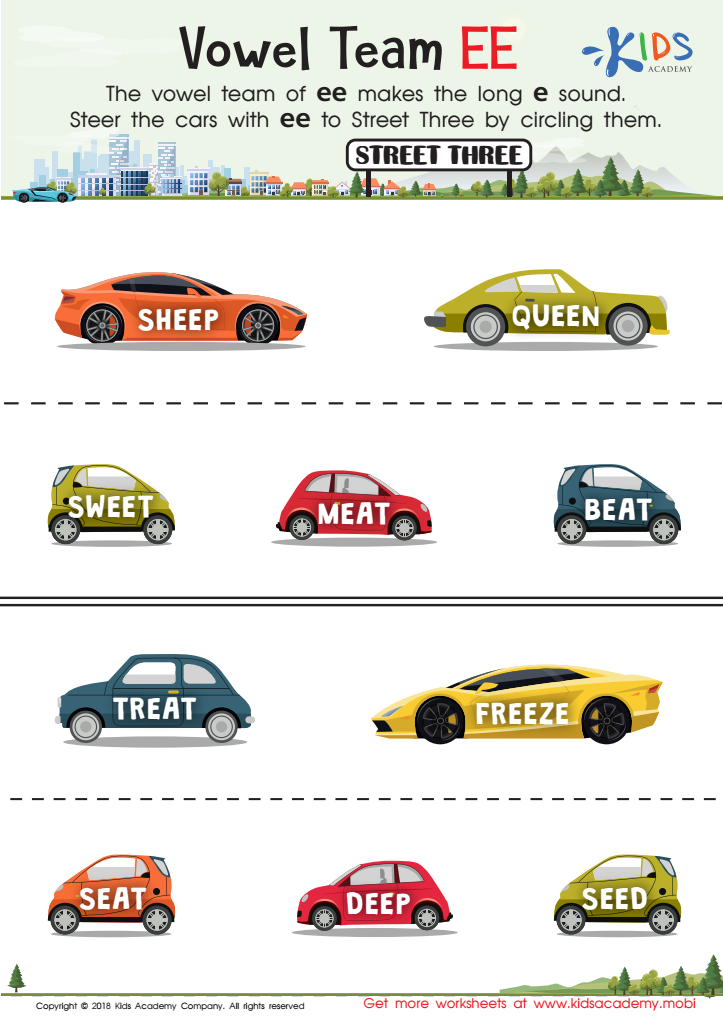
Vowel team ee Worksheet
 Assign to My Students
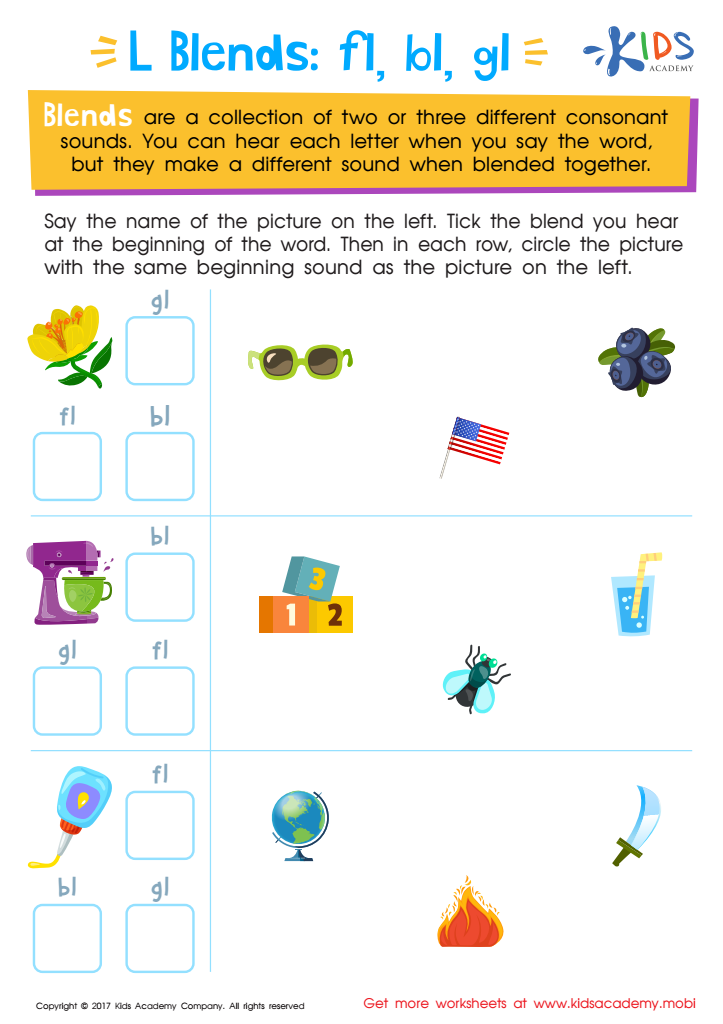
Blending Consonants: "Fl", "Bl" and "Gl" Printable
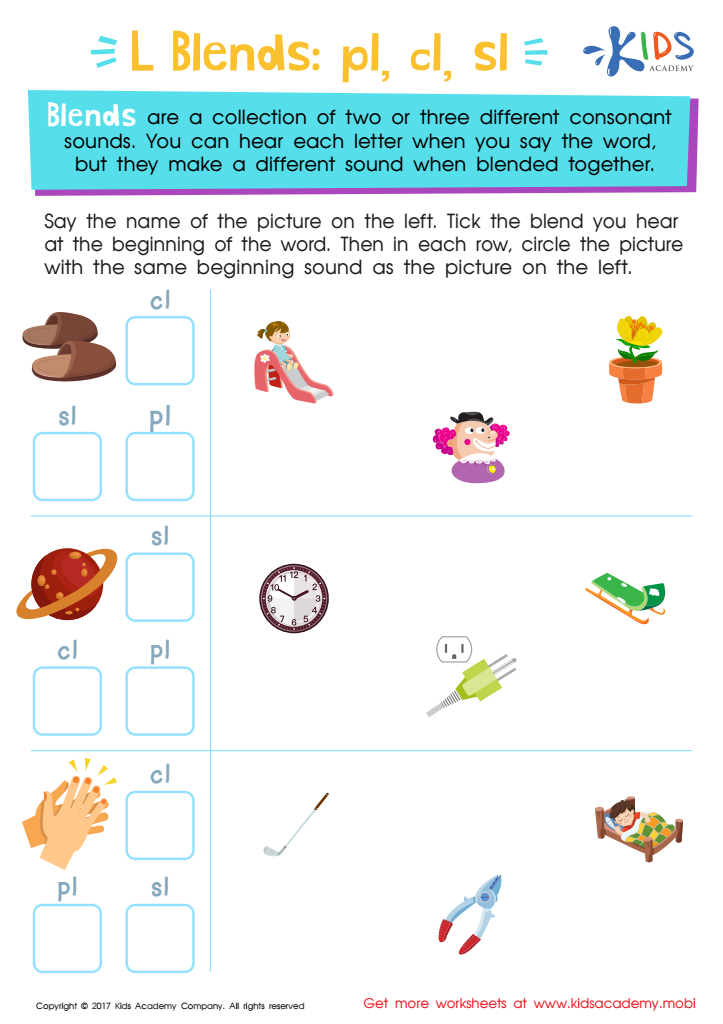
L Blends: "Pl", "Cl" and "Sl" Printable
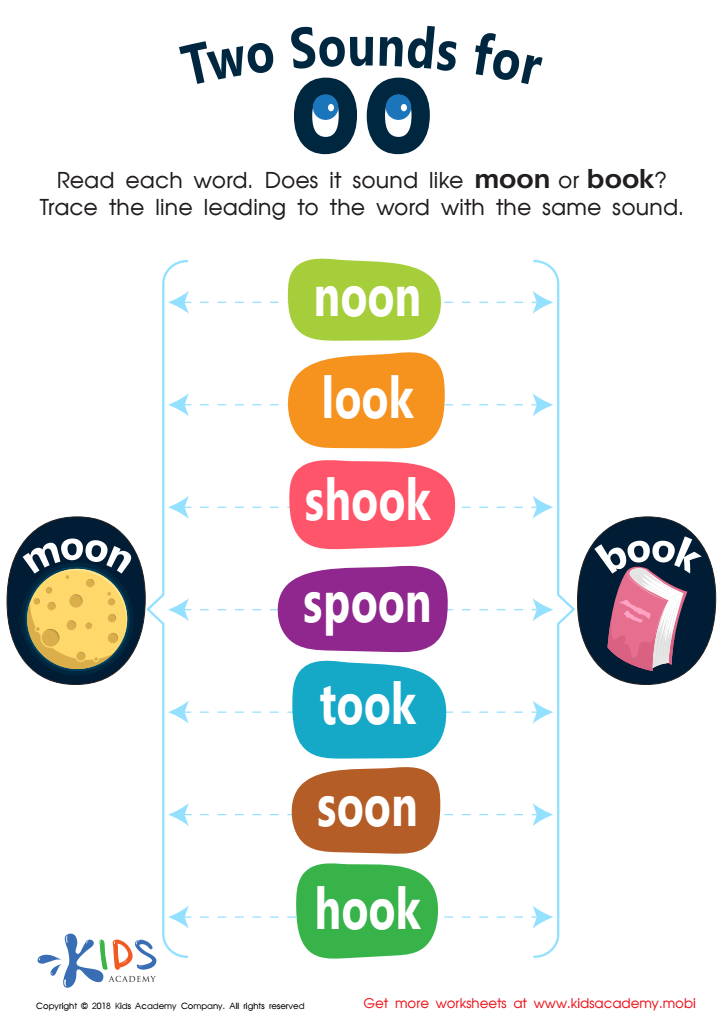
Two Sounds for OO Worksheet
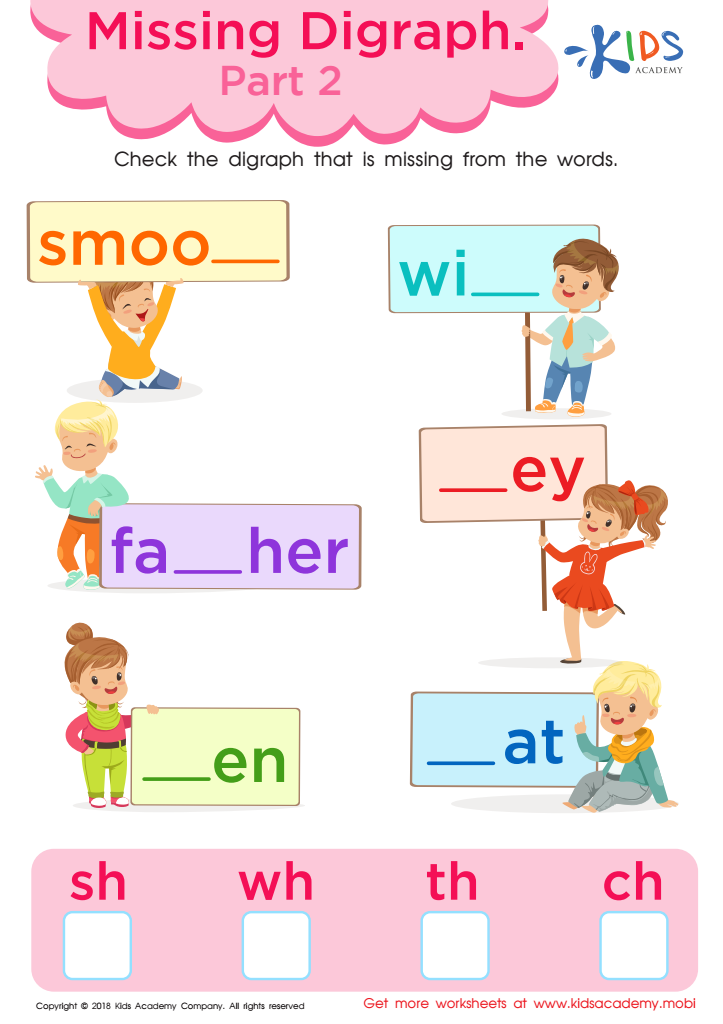
Missing Digraph: Part 2 Worksheet
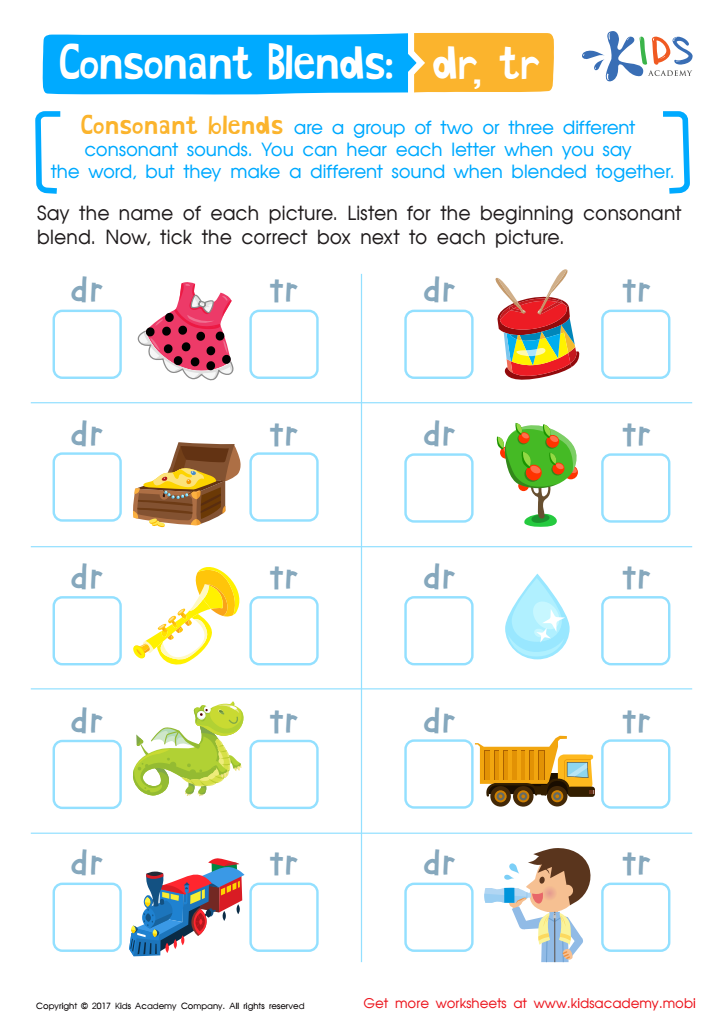
Consonant Blends: "Dr" and "Tr" Printable



Phonics skills, especially the understanding of normal two-letter phonics combinations, are foundational for young children aged 4-7 as they embark on their reading journey. At this critical age, children’s brains are rapidly developing and are especially receptive to learning language. Phonics teaches the relationship between letters and sounds, enabling children to decode words efficiently. Mastery of basic two-letter phonics combinations like “sh”, “ch”, “th”, and “wh” helps children build a robust vocabulary and improve their reading fluency.
For parents and teachers, focusing on phonics skills provides children with the tools they need to independently decipher new and unfamiliar words, leading to greater self-confidence and enjoyment in reading. This early literacy skill also translates to better performance in all academic areas, as reading is essential for understanding math problems, scientific concepts, and historical texts.
Moreover, early phonics education supports the development of essential language skills, such as spelling and pronunciation, fostering both written and spoken communication abilities. In essence, caring about phonics skills, particularly normal two-letter combinations, equips children with a strong literacy foundation, setting them up for long-term academic success and a lifelong love of reading.