Visual discrimination skills Normal Upper & Lowercase Letters Worksheets for Ages 4-7
4 filtered results
-
From - To
Discover our engaging Visual Discrimination Skills Worksheets designed for children ages 4-7! Tailored to enhance recognition of uppercase and lowercase letters, these worksheets provide fun and interactive activities. Kids will sharpen their attention to detail and develop critical visual processing skills as they differentiate between similar letters. Each worksheet is thoughtfully designed to keep young learners motivated while building confidence in their reading and writing abilities. Perfect for homeschooling, reinforcement in the classroom, or distant learning, our resources are easy to print and accessible for all. Invest in your child's literacy journey with our vibrant visual discrimination worksheets today!
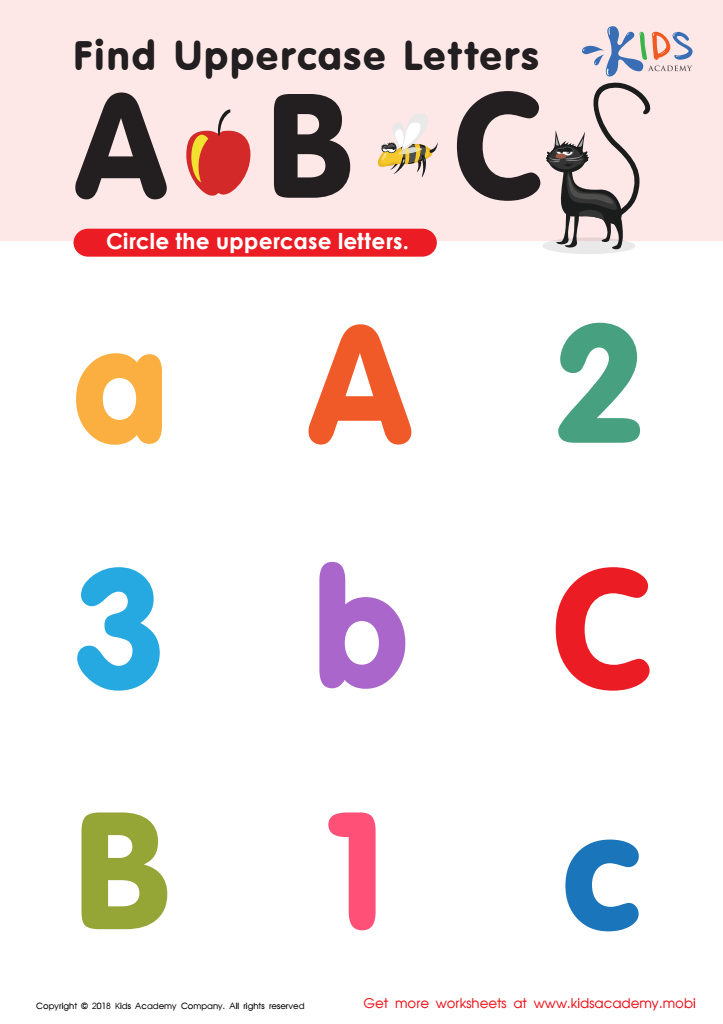
Find Uppercase Letters A, B, and C Worksheet
 Assign to My Students


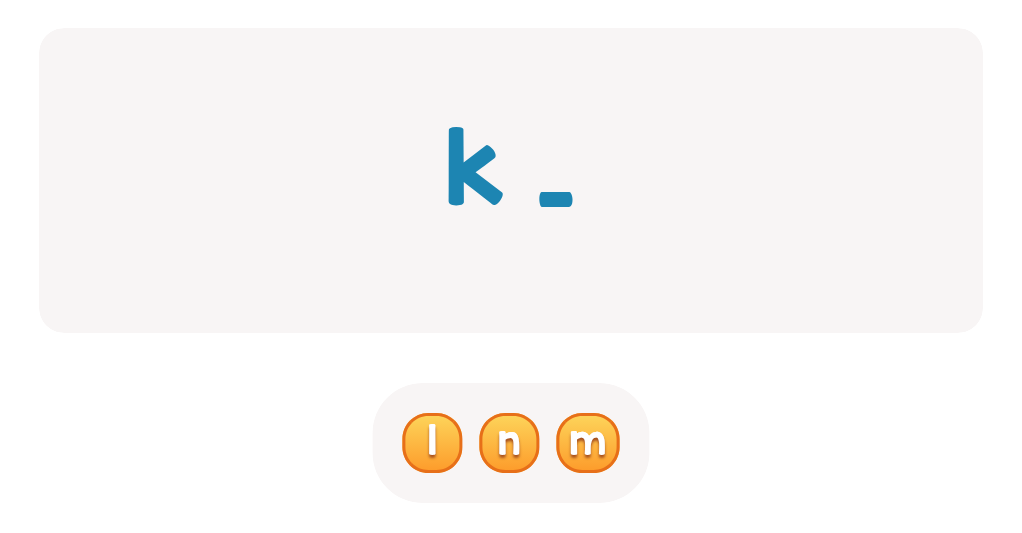
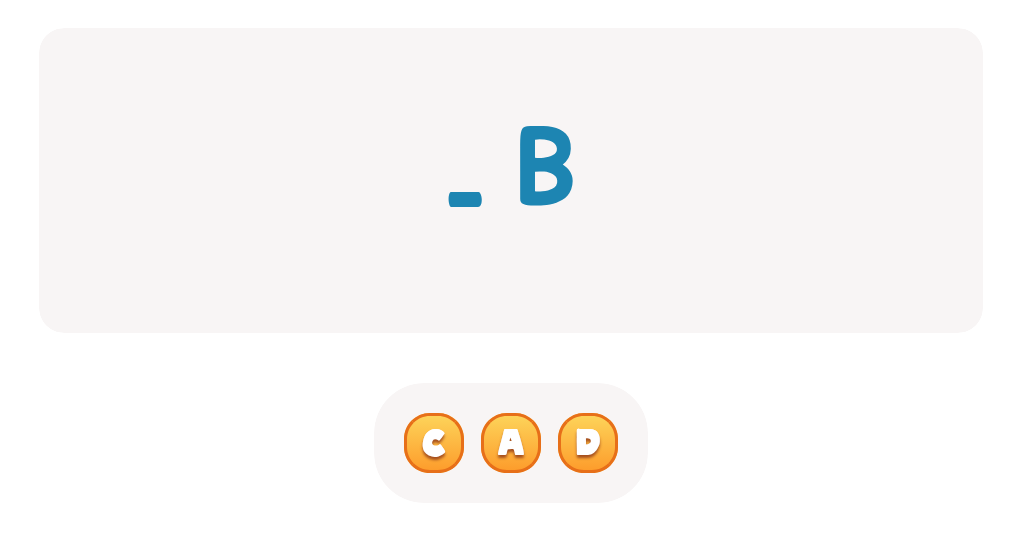
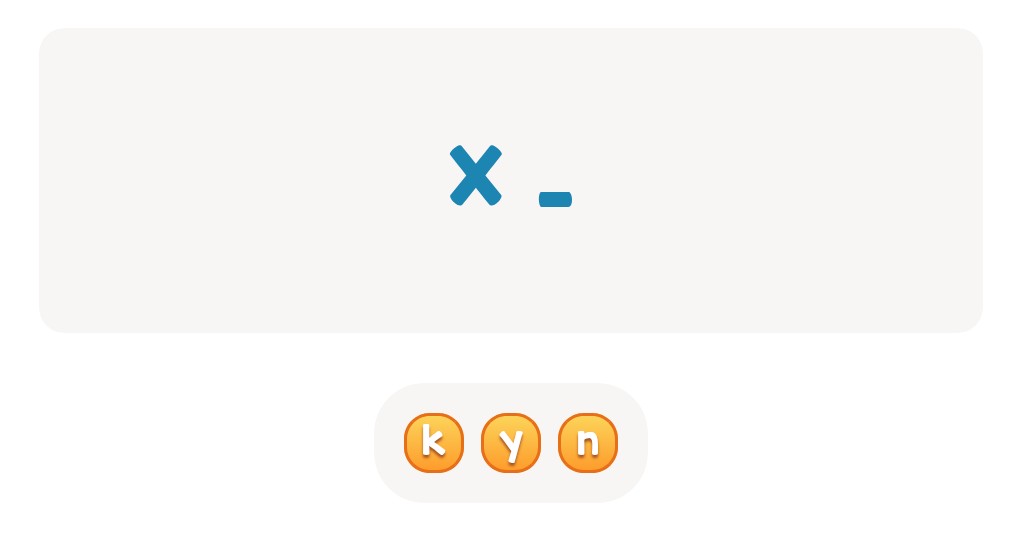


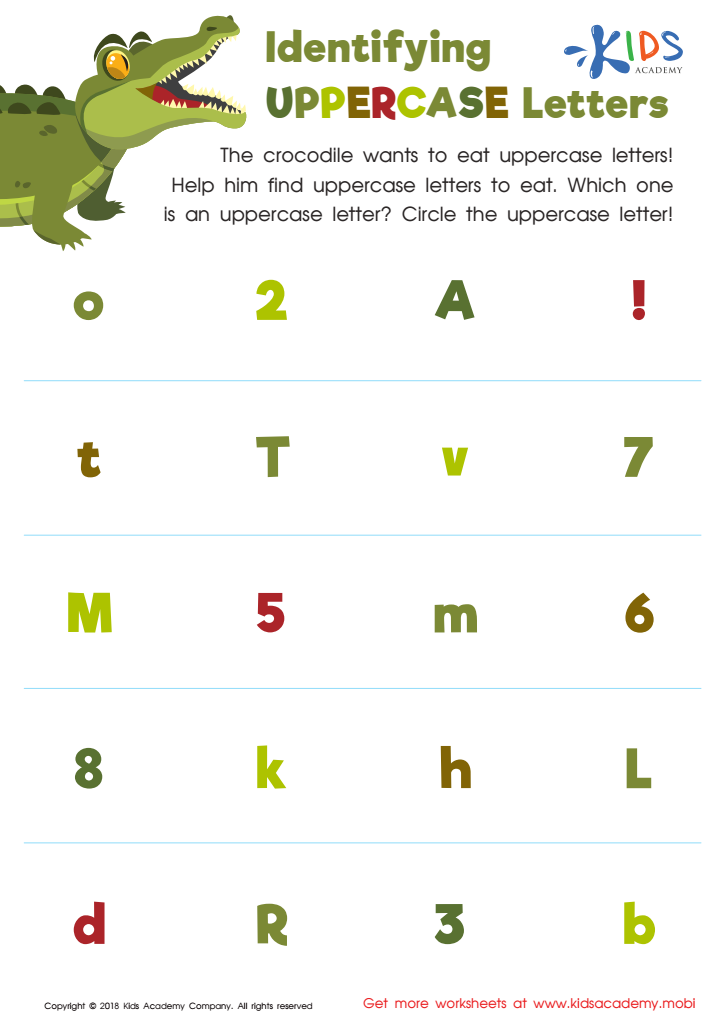
Identifying Uppercase Letters Worksheet
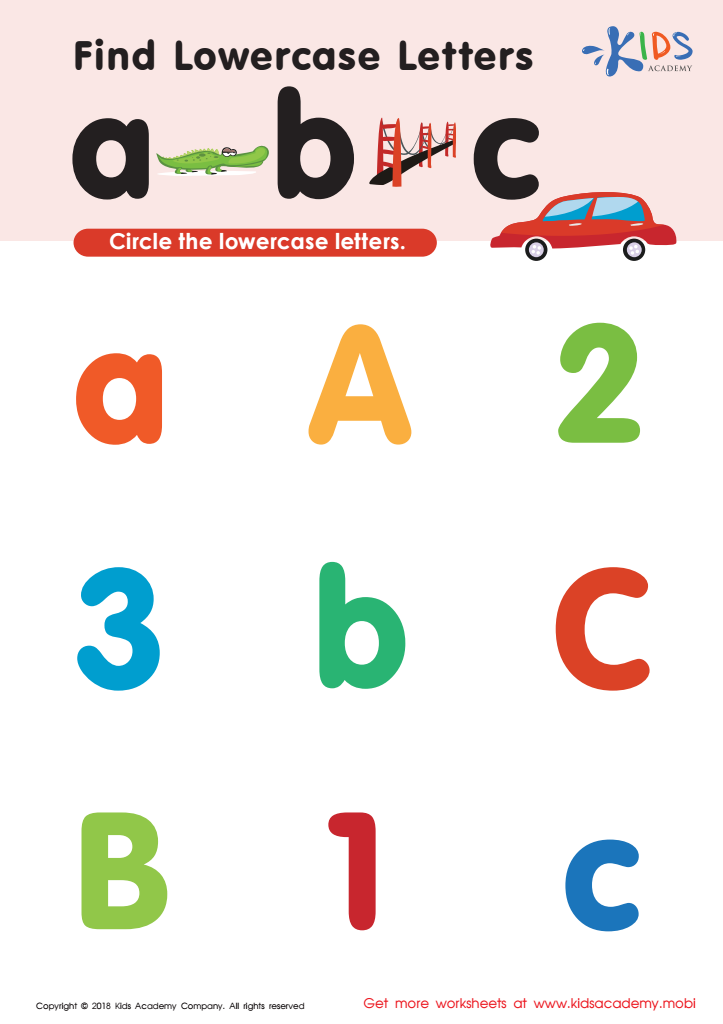
Find lowercase letters a b c Worksheet
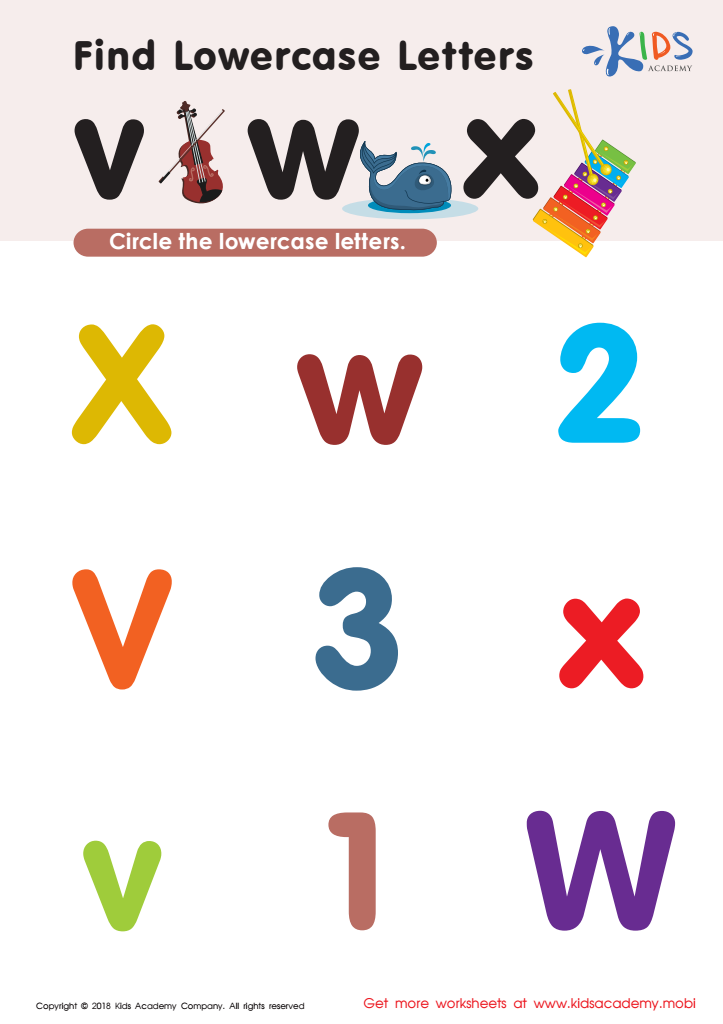
Find Lowercase Letters v w x Worksheet






Visual discrimination skills are crucial for children ages 4 to 7 as they form the foundation for reading and writing. These skills allow children to notice and differentiate between various shapes, colors, patterns, and, importantly, letters—both uppercase and lowercase. When children can accurately distinguish between visually similar letters, such as “b” and “d” or “p” and “q,” they are better equipped to recognize words and build their vocabulary.
For parents and teachers, fostering these skills early is vital. Not only do they contribute to successful literacy development, but they also enhance a child's self-confidence. Children who struggle with letter discrimination may become frustrated and experience difficulties in school, potentially hindering their overall academic progress. Additionally, developing these visual skills can positively impact other areas of learning, such as math, where recognizing shapes and symbols is essential.
Engaging children in fun activities that promote visual discrimination—like matching games, puzzles, and letter identification exercises—can help solidify these abilities. By prioritizing visual discrimination skills, parents and teachers empower children to become proficient readers and writers, setting them up for success in their educational journey and beyond.







