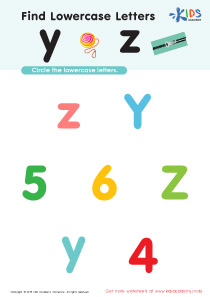
Uppercase identification Normal Uppercase Letters Worksheets for Ages 4-7
5 filtered results
-
From - To
Introduce young learners to the world of alphabets with our Uppercase Identification Worksheets, specially designed for ages 4-7. These engaging worksheets help children recognize and identify uppercase letters, laying the foundation for strong reading and writing skills. Each activity features fun, interactive exercises that capture kids’ interest while developing essential literacy skills. Perfect for classroom use or at-home practice, our worksheets ensure that children can confidently master each letter. Dive into a world of letters today and make learning an enjoyable adventure for your little ones! Explore our collection now and watch your child's knowledge blossom.
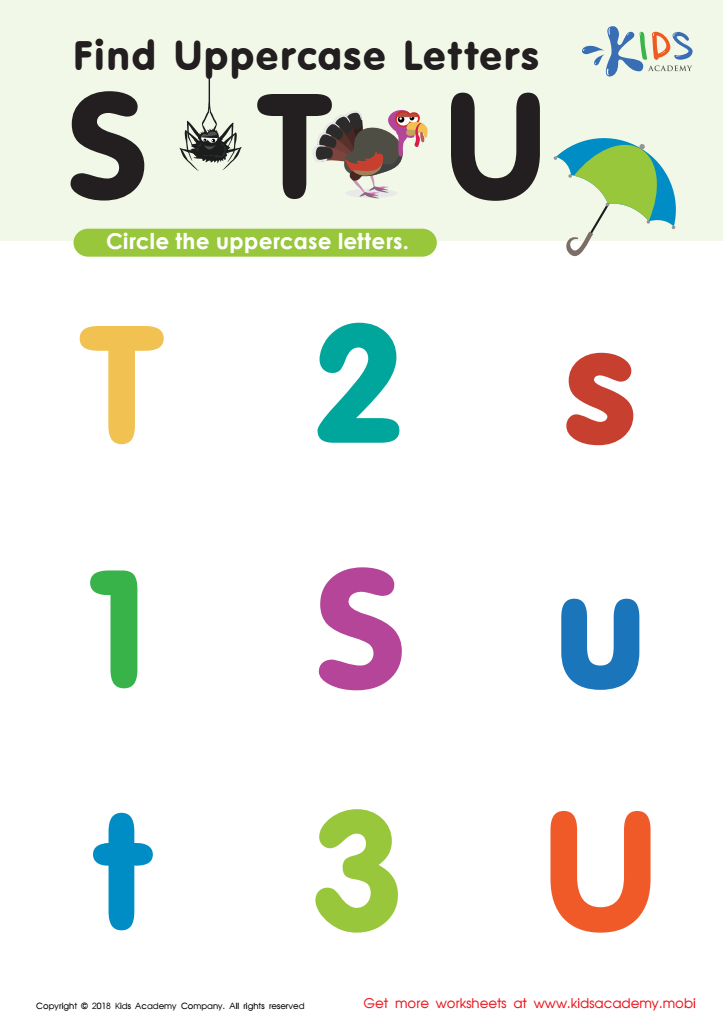
Find Uppercase Letters Worksheet
 Assign to My Students
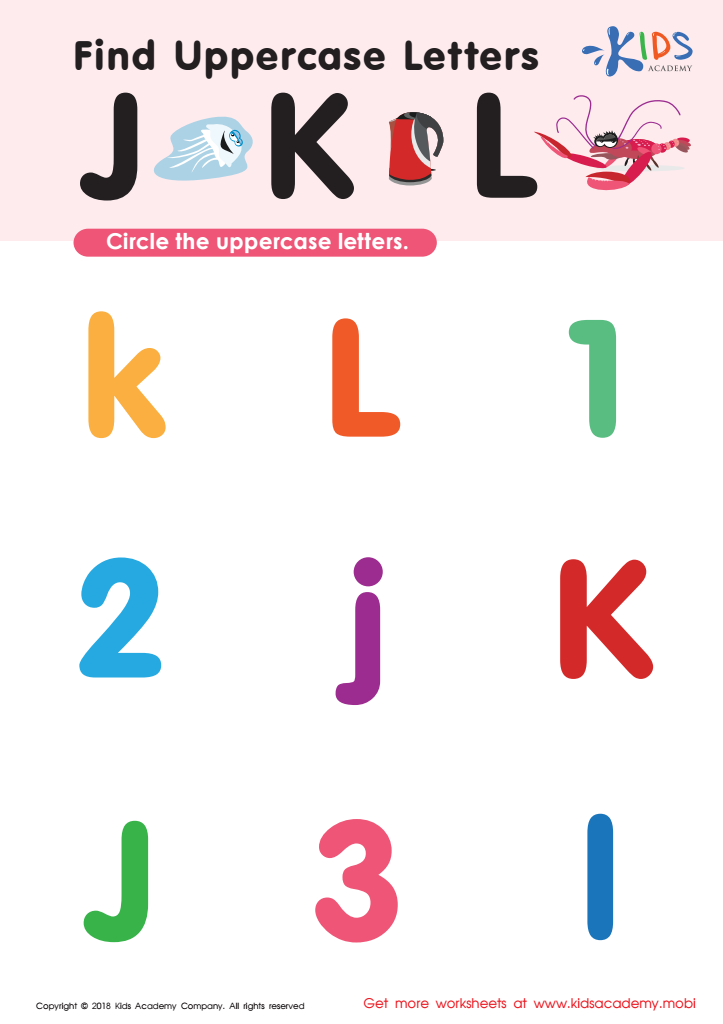
Find Uppercase Letters J, K, and L Worksheet
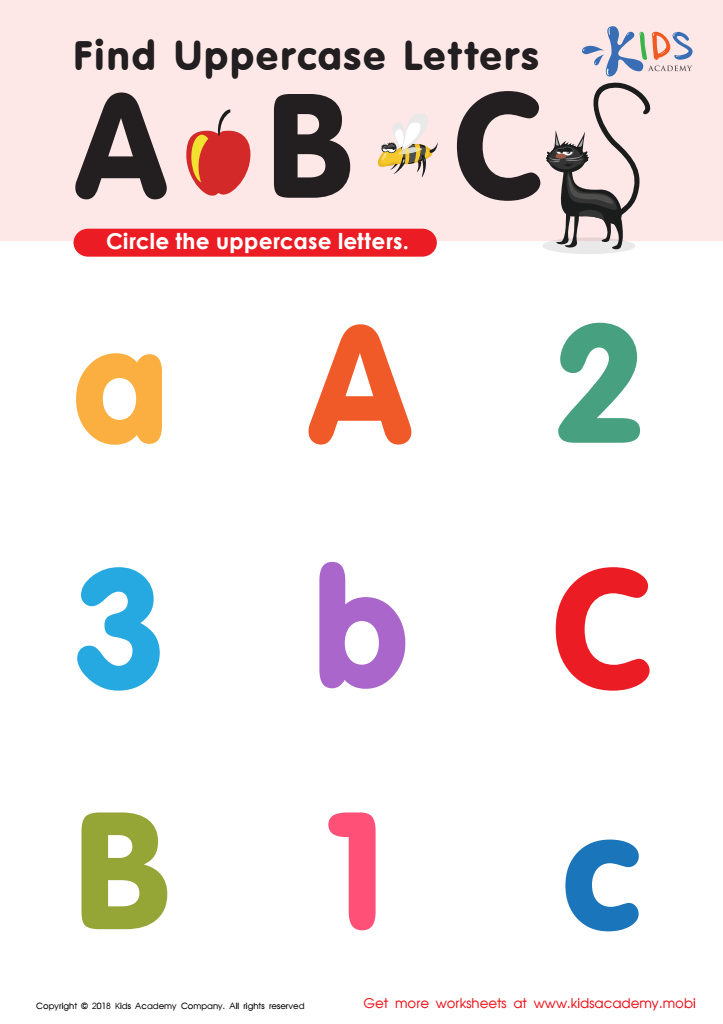
Find Uppercase Letters A, B, and C Worksheet
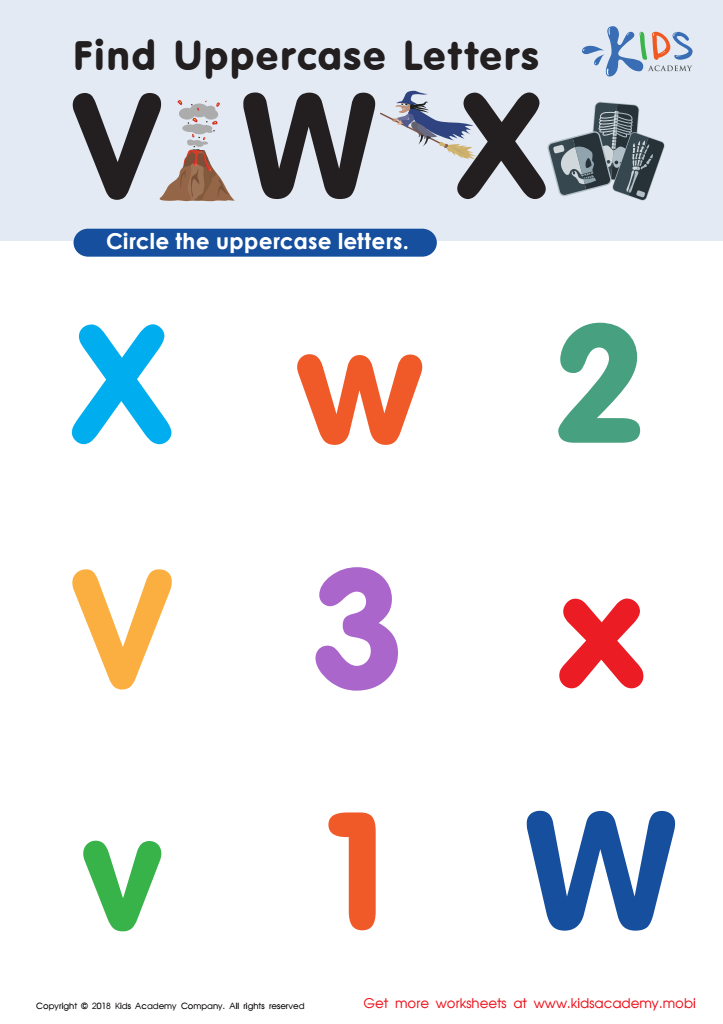
Find Uppercase Letters V, W, X Worksheet
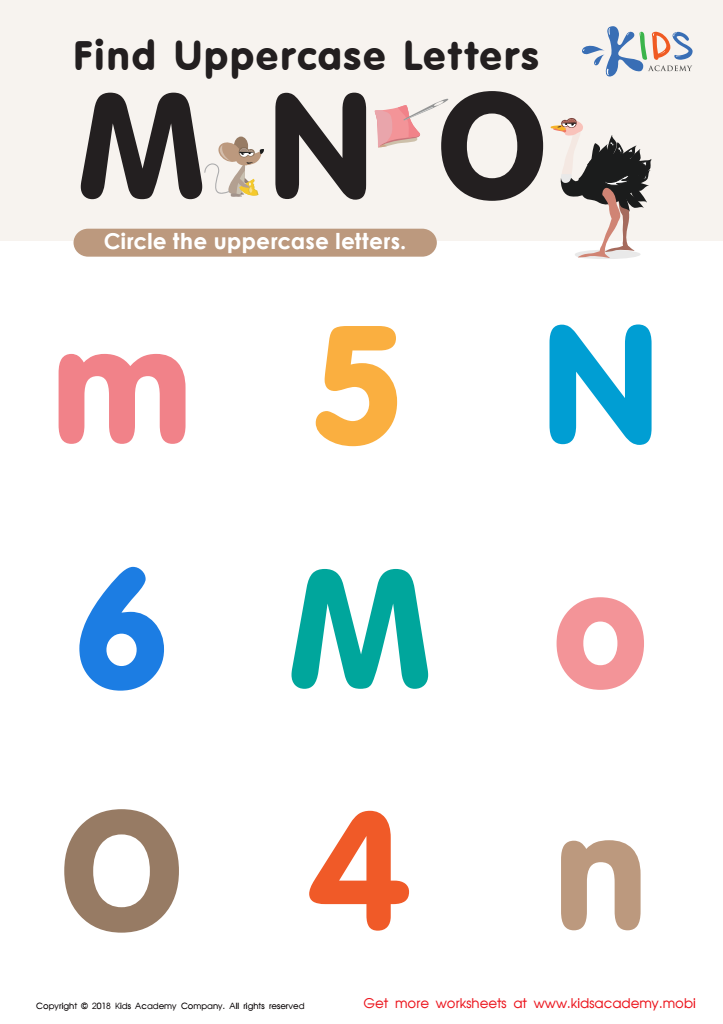
Find Uppercase Letters M, N, and O Worksheet








Parents and teachers should be highly attentive to uppercase letter identification for ages 4-7 because it lays a crucial foundation for early literacy skills. During these formative years, children are rapidly developing their cognitive, visual, and motor skills, all of which are essential for effective learning in later stages. Recognizing and understanding uppercase letters are practical steps towards achieving proficient reading and writing abilities.
Uppercase letters are particularly important as they often serve as the initial point of introduction to the alphabet for children. They are generally easier to distinguish and write due to their simple, uniform stroke patterns compared to their lowercase counterparts. Mastery of these letters helps with mnemonic recognition, reading capitalized words such as names and initials, and understanding the building blocks of written language.
Furthermore, early familiarity with uppercase letters aids in reinforcing letter-sound relationships, crucial for decoding words when children start to read. Consistent exposure and practice boost children's confidence and motivation to engage with written texts, enabling smoother transitions into the more advanced stages of reading and writing. By prioritizing uppercase letter identification, parents and teachers set a firm and supportive groundwork for developing effective communication skills that are fundamental in various aspects of academic learning and daily life.