Hand-eye Coordination Normal Coloring Pages Worksheets for Ages 4-7
6 filtered results
-
From - To
Discover our engaging Hand-eye Coordination Normal Coloring Pages Worksheets tailored for ages 4-7. These fun, interactive worksheets are designed to enhance your child's motor skills while igniting their creativity. Each page features vibrant outlines, encouraging young learners to refine their hand-eye coordination through coloring activities. As children practice coloring, they improve focus, control, and precision, vital skills for their early development. Perfect for at-home learning or classroom activities, these worksheets provide an enjoyable way for kids to learn and express themselves. Promote a love for art and essential skills with our thoughtfully crafted coloring pages! Start coloring and watching talents flourish!
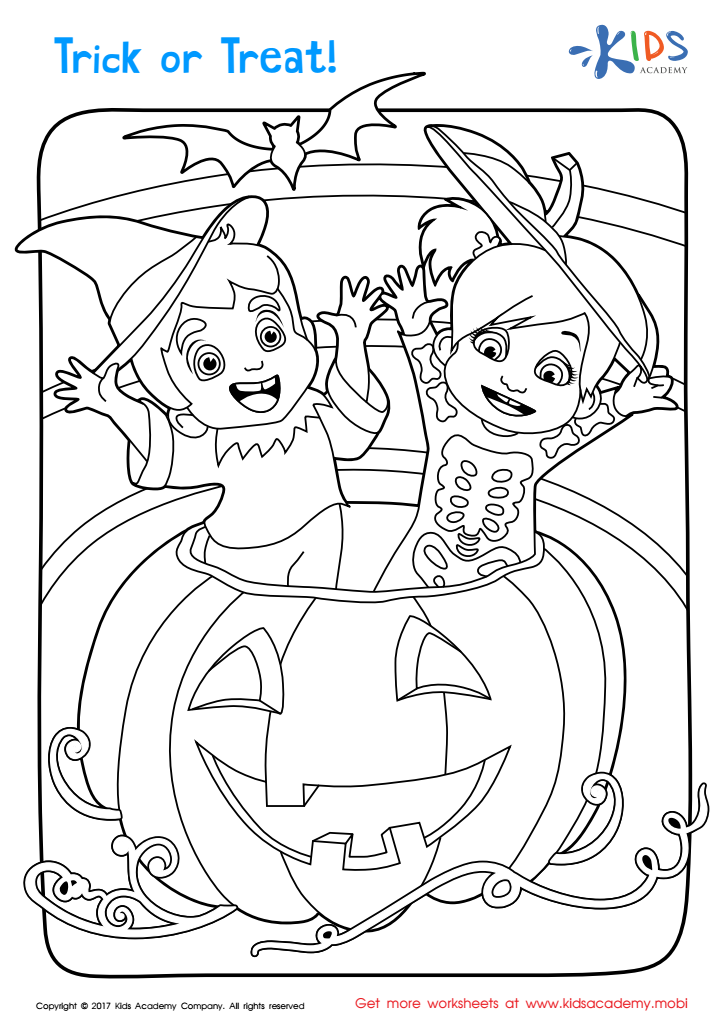
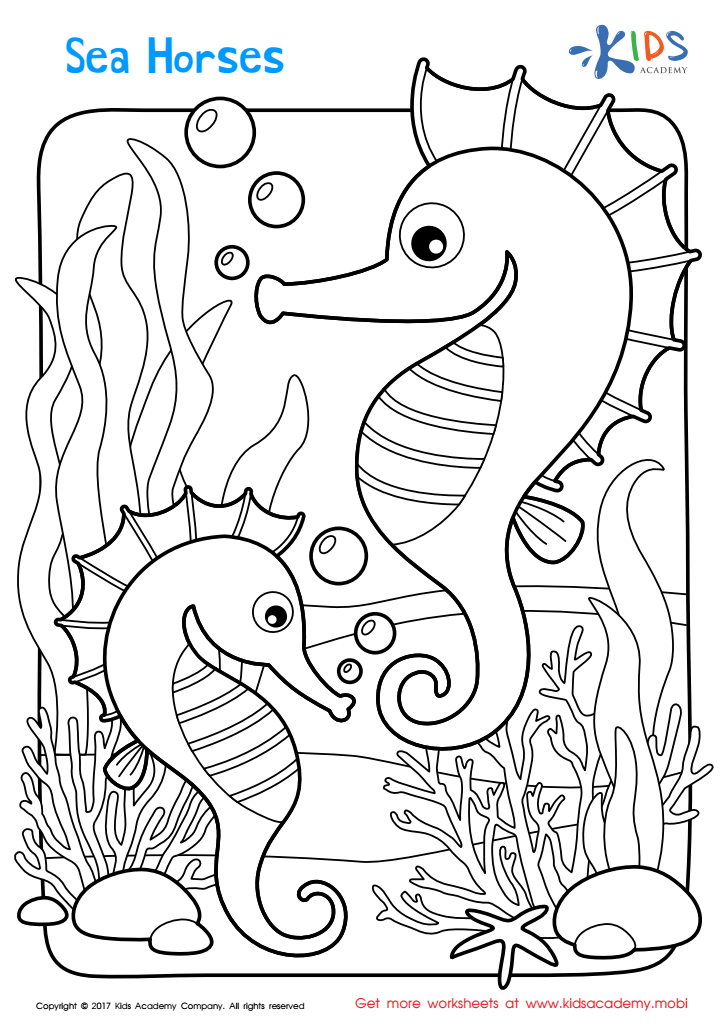
Sea Horses Printable
 Assign to My Students

Long and Short U Worksheet
Assign to My Students
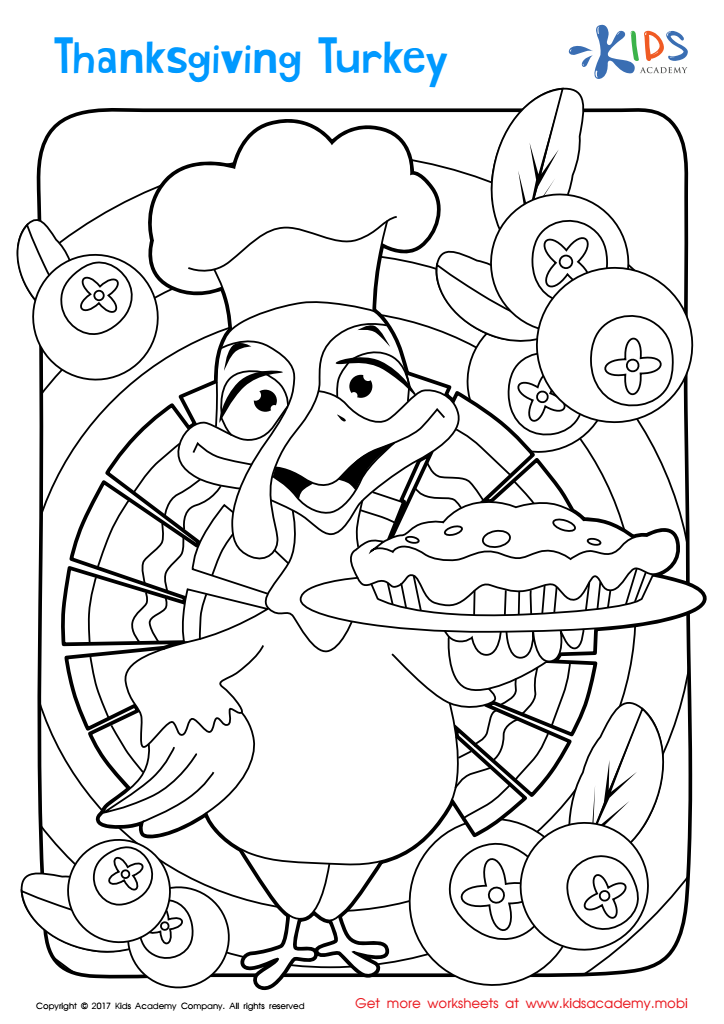
Turkey Thanksgiving Day Worksheet
Assign to My Students
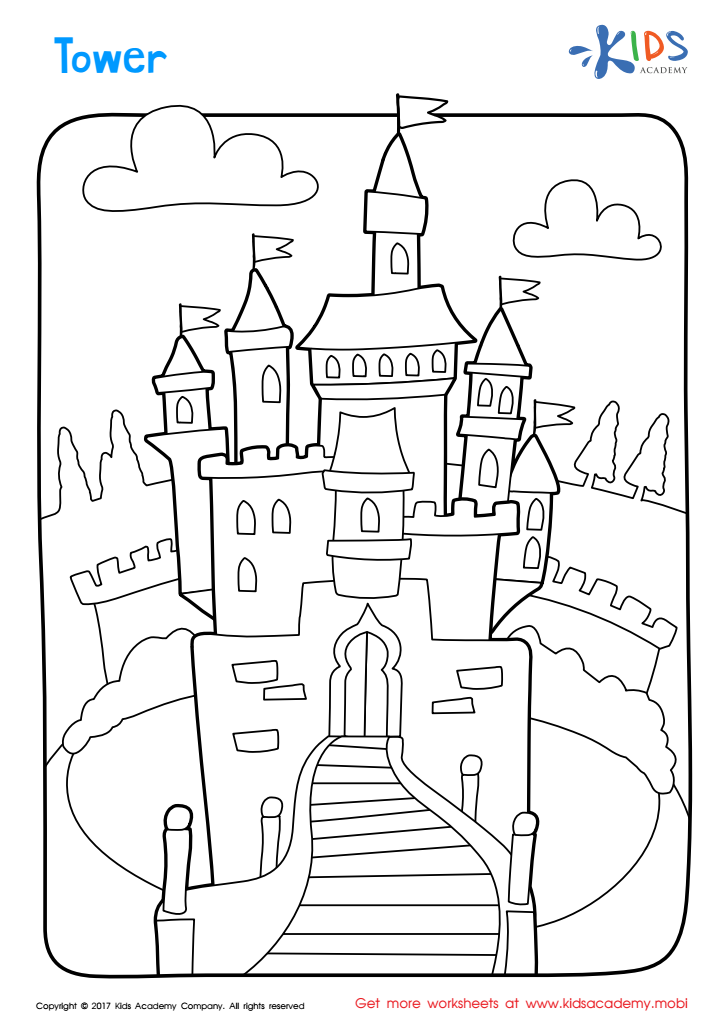
Tower Coloring Page
Assign to My Students

Long and Short E Worksheet
Assign to My Students


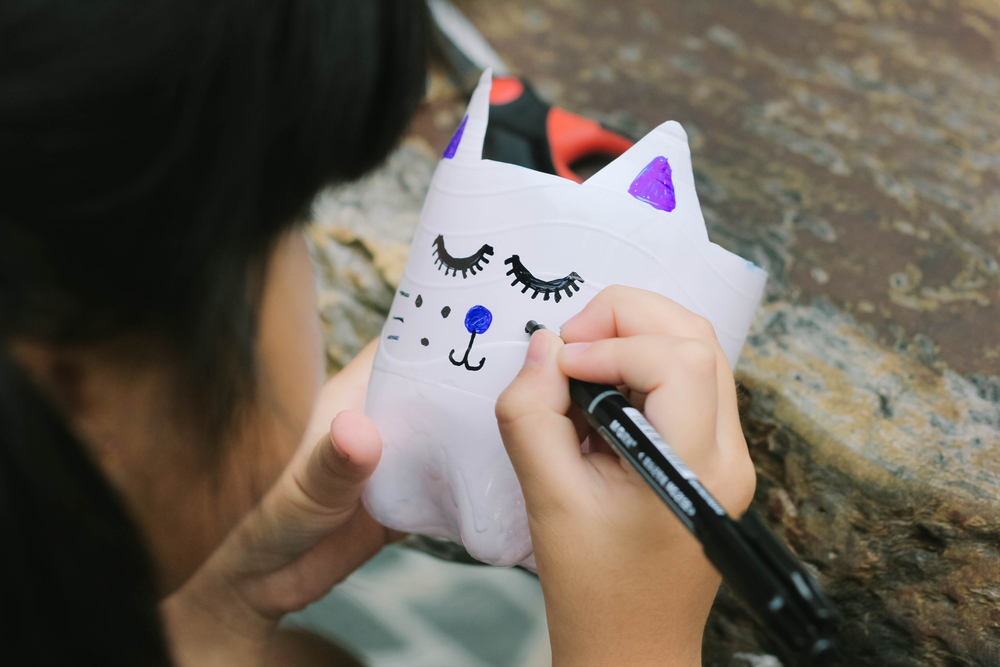


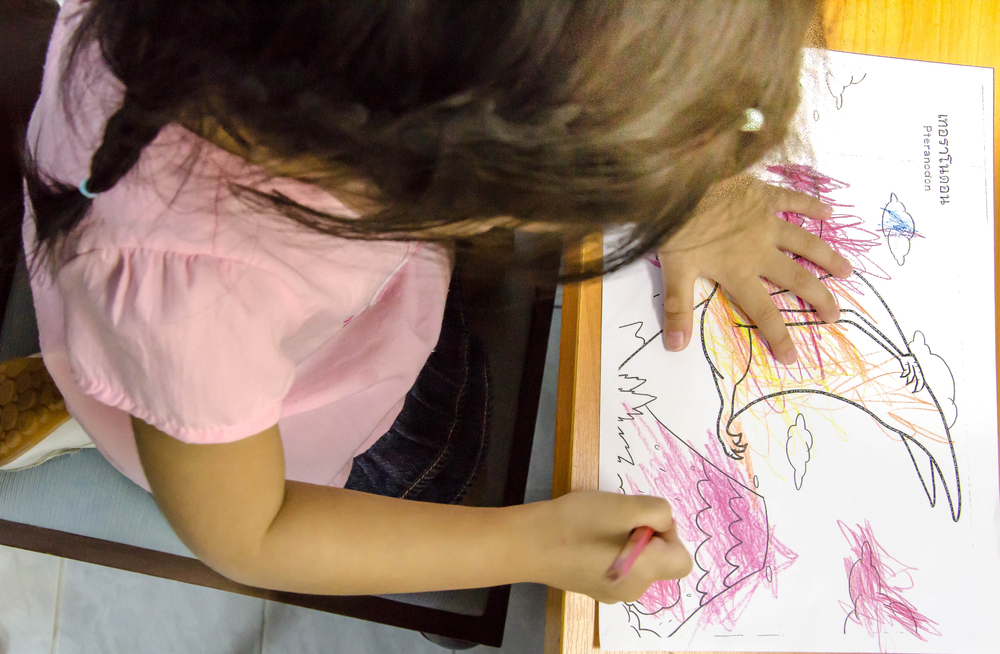
Hand-eye coordination is a critical developmental skill for children, particularly from ages 4 to 7. Utilizing normal coloring pages specifically designed for this age group can significantly enhance a child's hand-eye coordination. These coloring activities require children to focus on guiding their hand movements to stay within the lines, developing precision and control.
Parents and teachers should prioritize hand-eye coordination exercises, as they lay the groundwork for future skills such as writing, drawing, and even sports. As children manipulate crayons or markers, they simultaneously improve their fine motor skills, dexterity, and spatial awareness. These foundational abilities are essential not only for academic success but also for daily tasks.
Furthermore, engaging in coloring activities fosters creativity and self-expression. It provides children an opportunity to experiment with colors and designs, boosting their confidence and cognitive development. Collaborative coloring sessions can encourage social interactions, helping children learn teamwork and communication skills.
In summary, normal coloring pages serve as an enjoyable and effective tool for nurturing children’s hand-eye coordination and broader developmental skills. By investing time in these activities, parents and teachers play a crucial role in supporting a child’s readiness for future learning experiences.