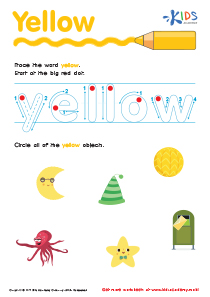
Handwriting practice Normal English for Beginners Worksheets for Ages 4-7 - Page 2
26 filtered results
-
From - To
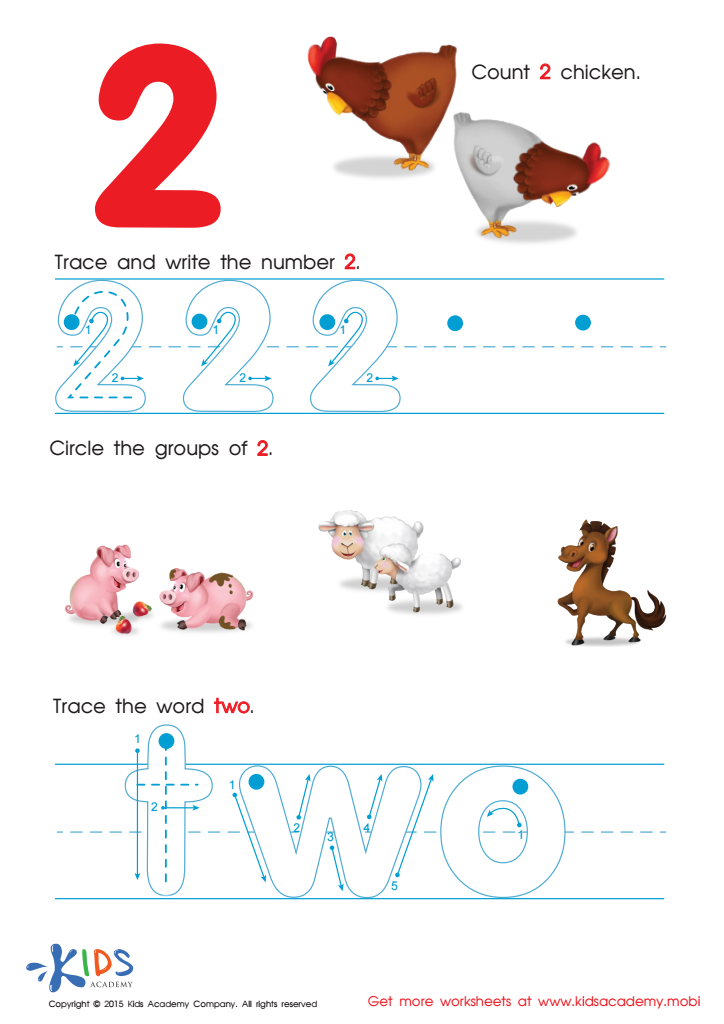
Learn to Write the Number 2 Worksheet
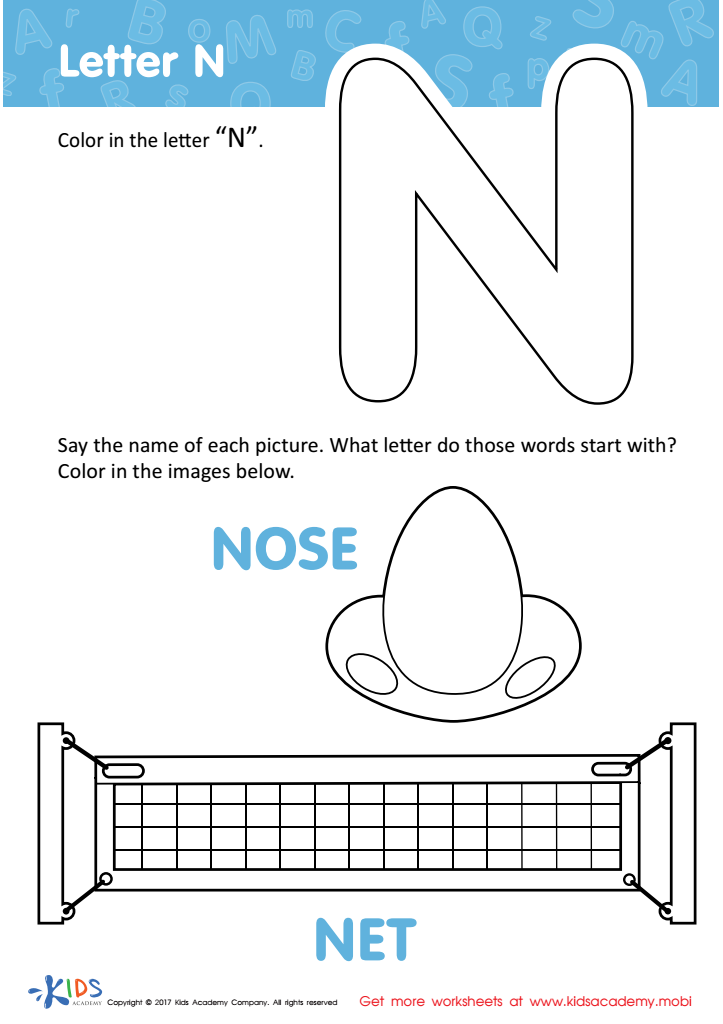
Letter N Coloring Sheet
 Assign to My Students





Handwriting practice is crucial for children aged 4 to 7 as it promotes essential motor skills and cognitive development. At this age, children are honing their fine motor skills, and writing by hand helps refine their hand-eye coordination and dexterity. Mastering handwriting allows children to express themselves more clearly, enhancing their confidence in communicating ideas.
Moreover, handwriting is linked to literacy development. When children practice writing, they become more familiar with letter shapes and sounds, laying a solid foundation for reading and spelling. Engaging in regular handwriting practice also promotes focus and discipline, as it requires concentration and perseverance.
Additionally, good handwriting contributes to academic success. Clear and legible handwriting helps children convey their thoughts easily, which is essential during classroom activities, assignments, and assessments.
Parents and teachers should care about this practice not only for its educational benefits but also for the sense of achievement it brings to young learners. As children see their progress, they develop a positive attitude toward learning, fostering a lifelong love for writing. Investing time in handwriting practice enables a holistic development approach, helping children grow into confident, capable, and expressive individuals.