Developing logical thinking Normal Worksheets for Ages 4-7
4 filtered results
-
From - To
Boost your child's cognitive skills with our "Developing Logical Thinking Normal Worksheets," designed specifically for ages 4 to 7. These engaging worksheets promote critical thinking, problem-solving, and reasoning abilities through fun activities like patterns, sequences, and simple puzzles. Each worksheet is crafted to challenge young minds while keeping learning enjoyable and interactive. Ideal for home or classroom use, these resources cater to various learning styles, fostering independence and confidence in young learners. Help your child build a solid foundation in logical thinking with our comprehensive and colorful worksheets, ensuring they are well-prepared for future academic success. Explore quality learning materials today!
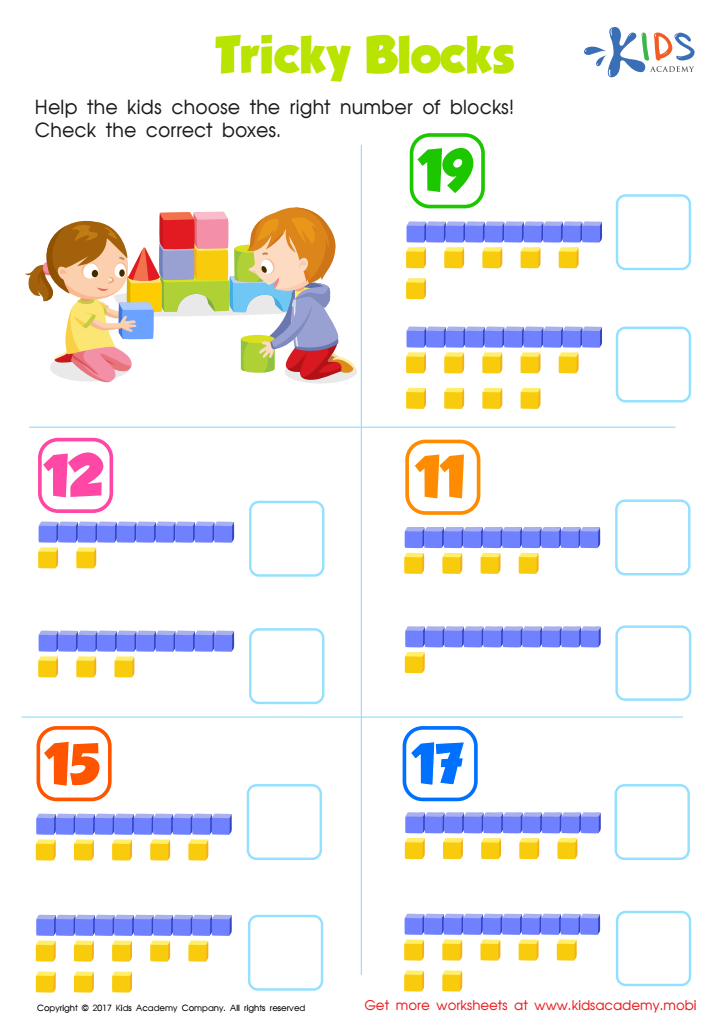
Tricky Blocks Worksheet
 Assign to My Students
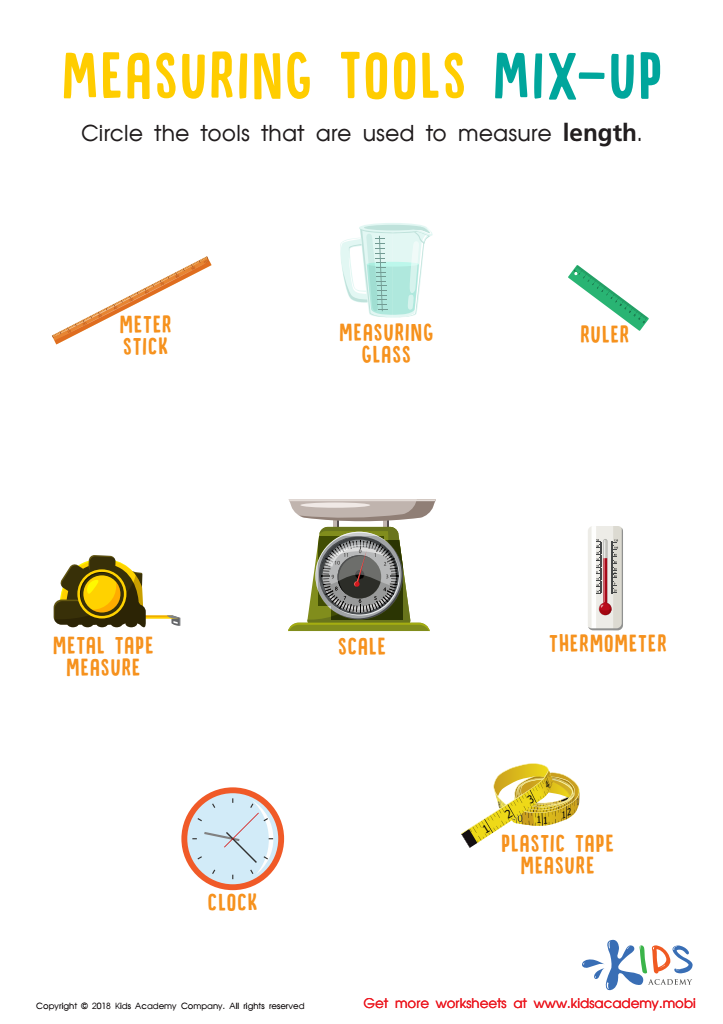
Measuring Tools Mix–up Worksheet
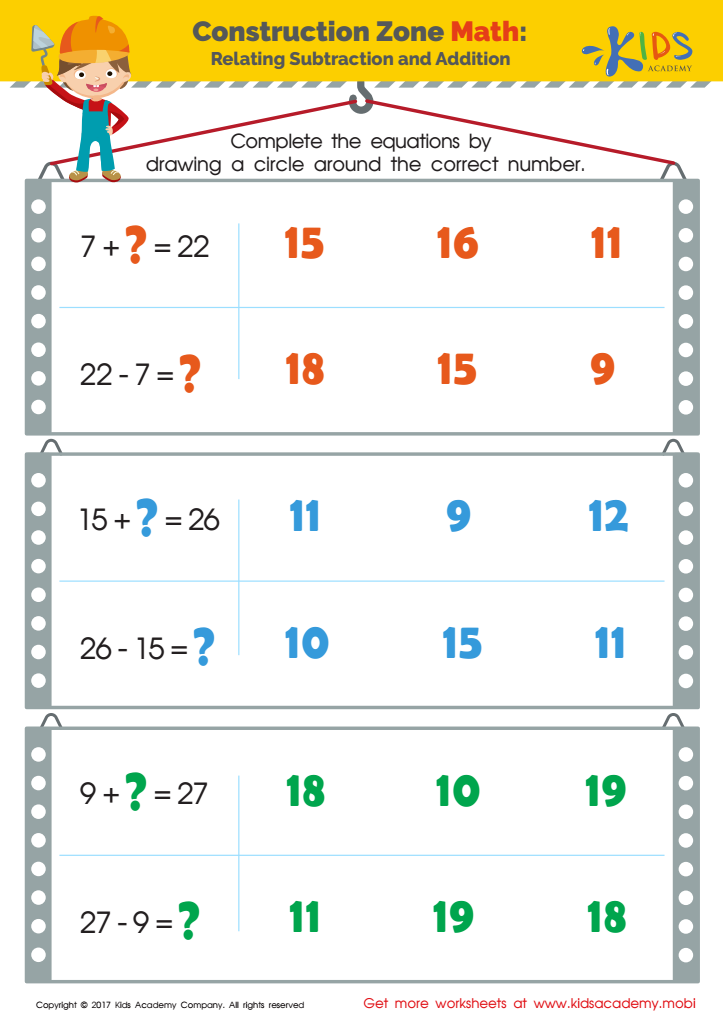
Related Addition and Subtraction Facts Worksheet
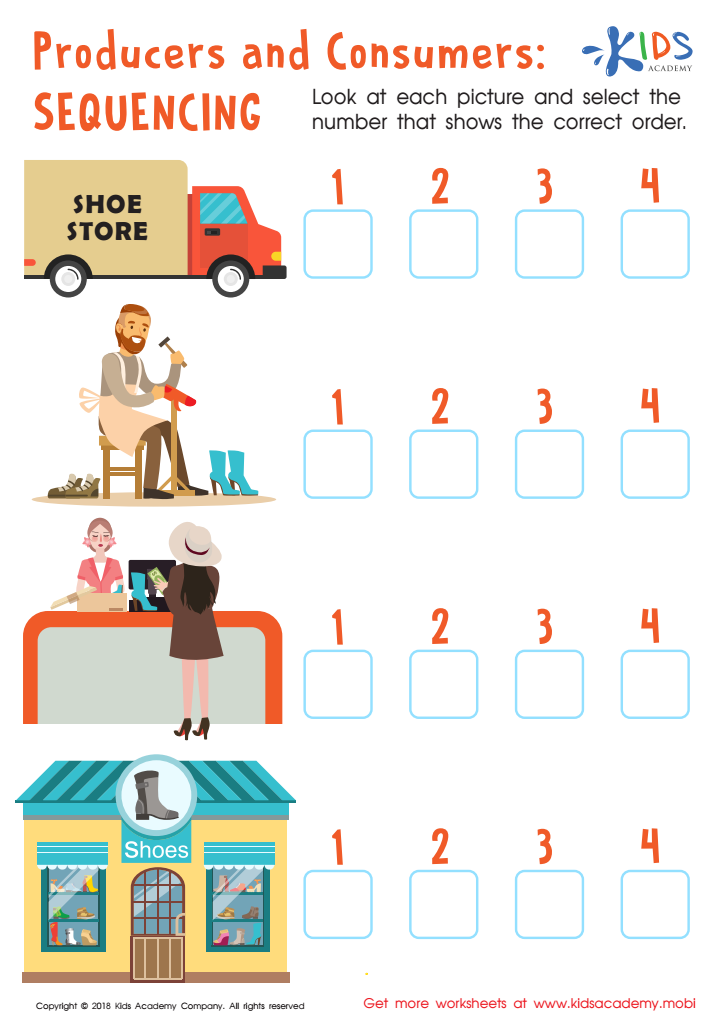
Producers and Consumers: Sequencing Worksheet








Developing logical thinking in children aged 4-7 is critical for their overall cognitive and social development. At this stage, children are beginning to make sense of the world around them, and fostering logical thinking skills helps them establish connections between ideas, solve problems, and make decisions. When parents and teachers promote logical thinking, they not only enhance children's academic readiness but also their ability to analyze situations, understand cause and effect, and employ reasoning in daily life.
Logical thinking lays the groundwork for critical skills such as mathematics, science, and literacy. By encouraging children to categorize objects, identify patterns, and engage in simple problem-solving tasks, educators and parents can help deepen their understanding and retention of concepts. Moreover, logical thinkers are better equipped to navigate social interactions, allowing them to resolve conflicts, understand others' perspectives, and collaborate effectively.
Investing in the development of logical thinking can foster a love for learning and stimulate curiosity, leading to lifelong educational engagement. Thus, by prioritizing logical thinking skills, parents and teachers can contribute to shaping well-rounded individuals capable of thriving in an increasingly complex world.








