Letter Tracing Practice Normal Worksheets for Ages 4-7
6 filtered results
-
From - To
Discover our fantastic Letter Tracing Practice Normal Worksheets designed specifically for children aged 4-7. Our engaging worksheets provide young learners with the perfect platform to master their ABCs by enhancing fine motor skills and handwriting proficiency. Each worksheet features traceable letters and fun activities to keep kids excited and invested in their learning journey. With clear instructions and playful graphics, these worksheets build a solid foundation for alphabet knowledge and literacy success. Perfect for both classroom activities and at-home practice, our Letter Tracing Worksheets make early education a fun and rewarding experience. Start tracing and unlock endless learning adventures today!
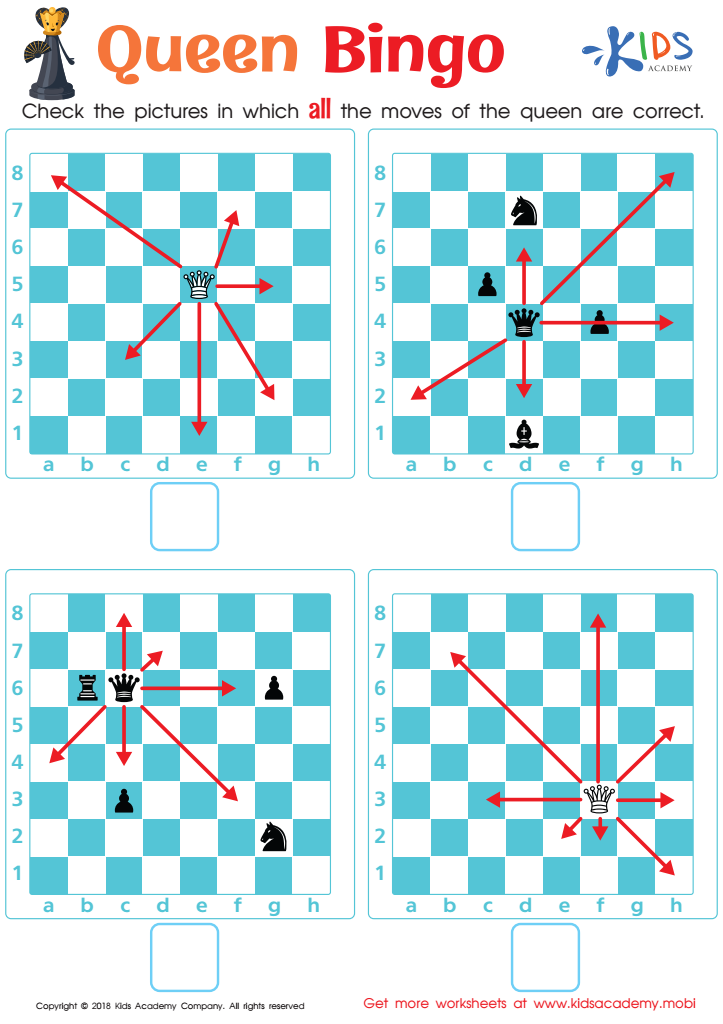
Queen Bingo Worksheet
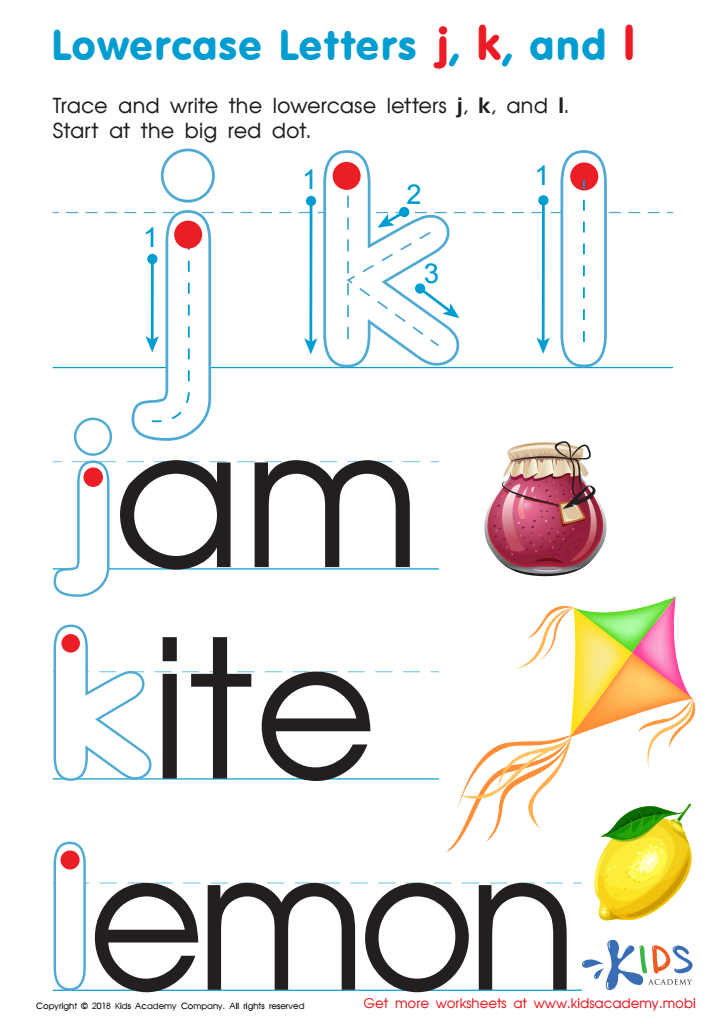
Lowercase Letters j k l Worksheet
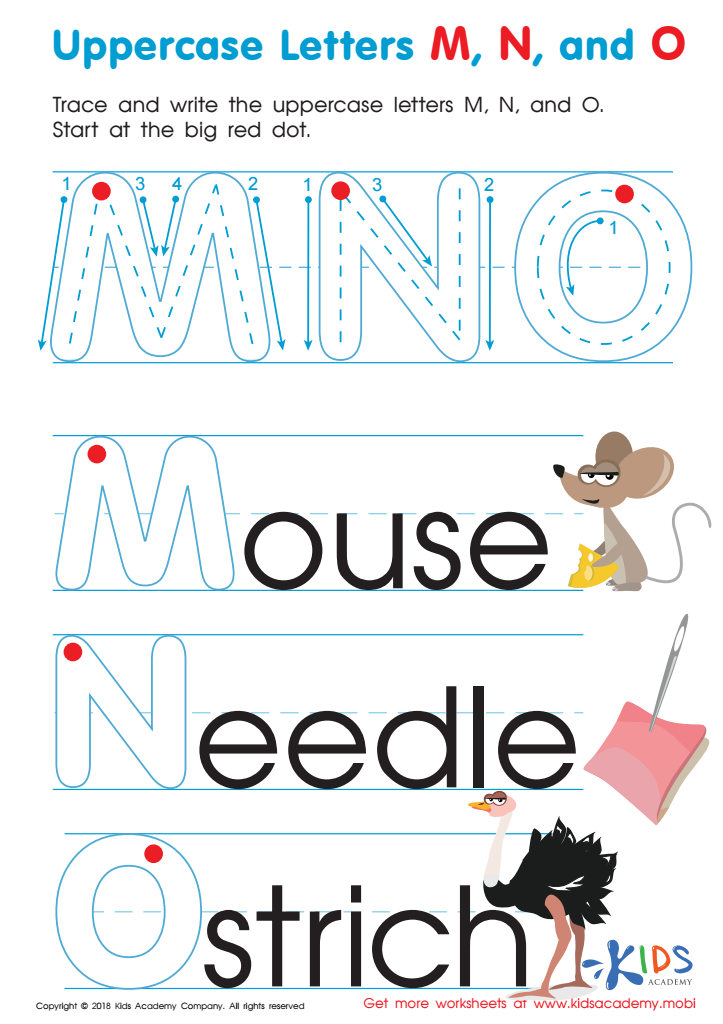
Uppercase Letters M, N, and O Worksheet
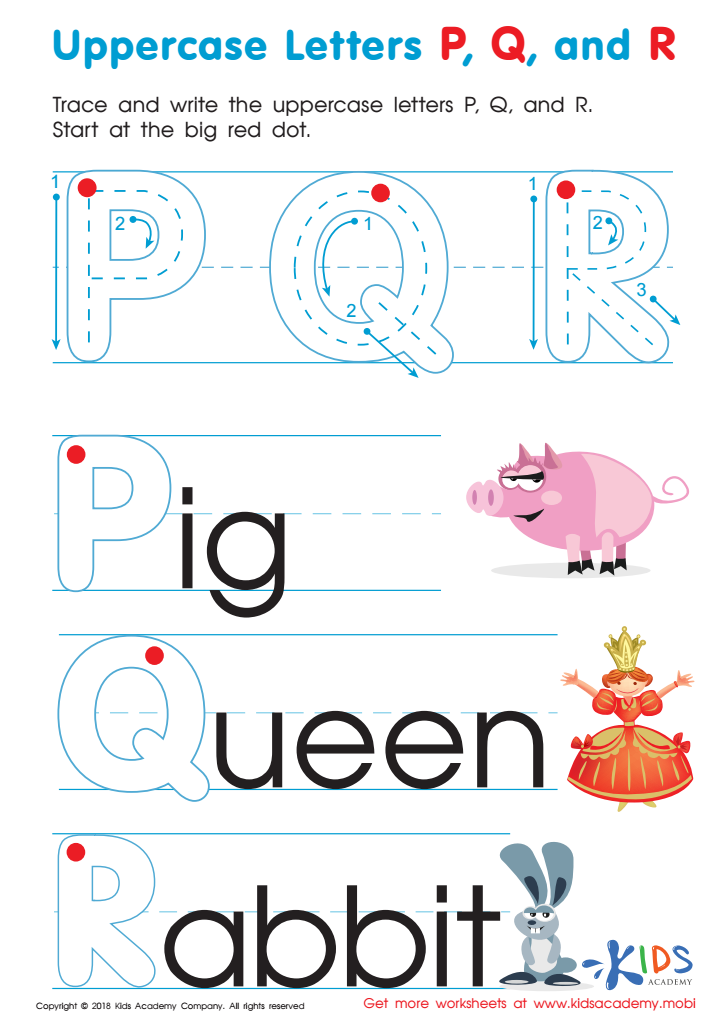
Uppercase Letters P, Q, and R Worksheet
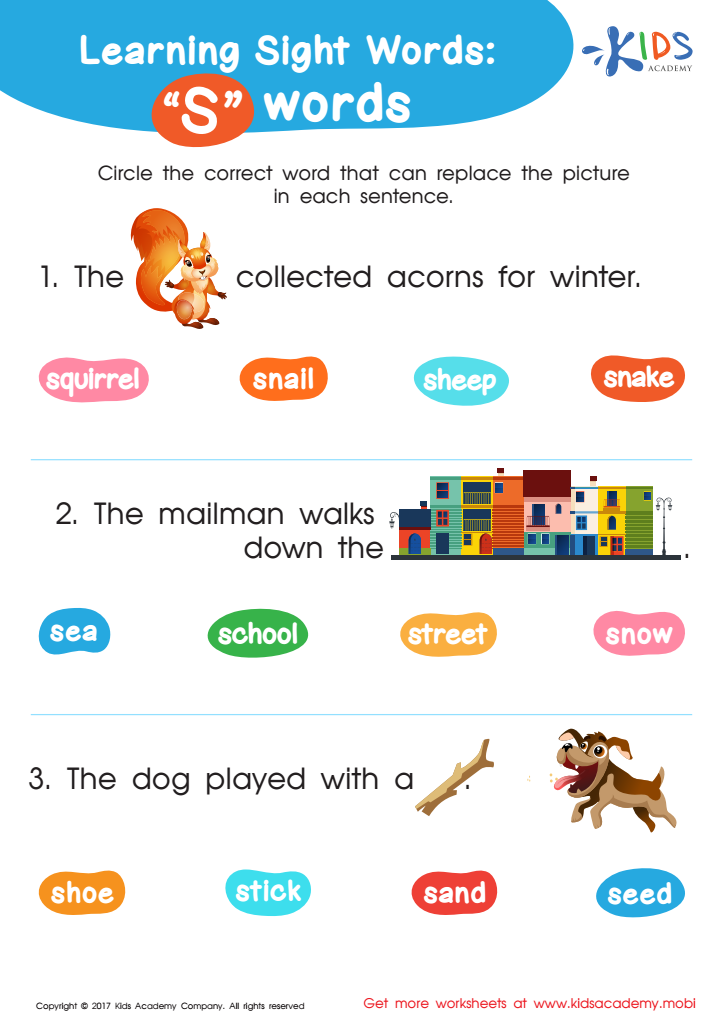
S Words Sight Words Worksheet
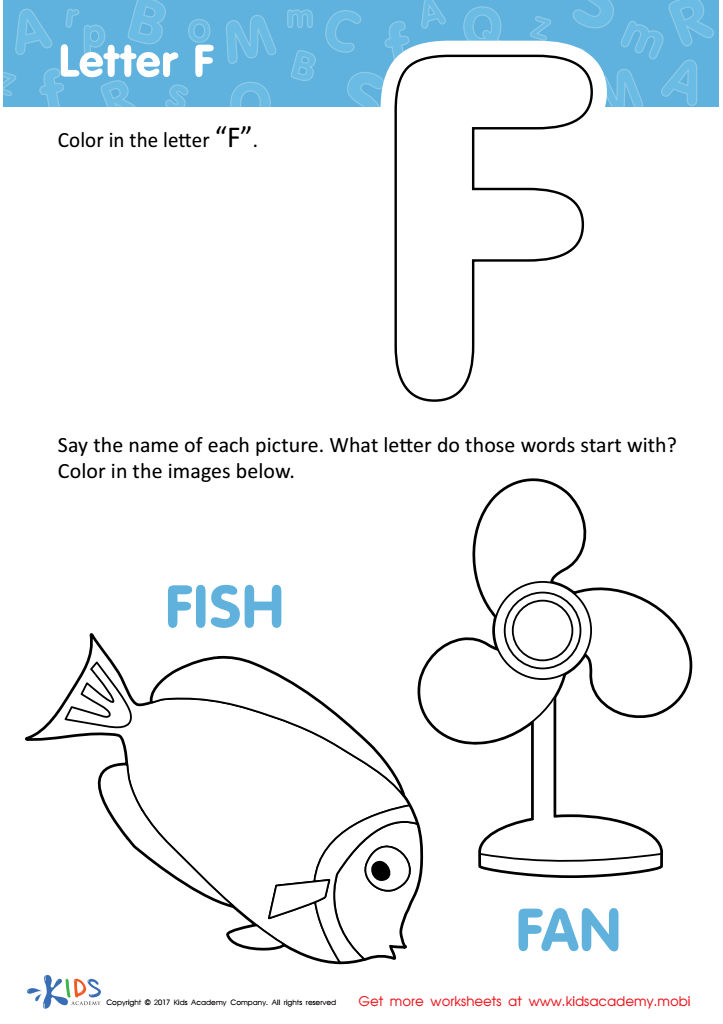
Letter F Coloring Sheet
 Assign to My Students








Letter Tracing Practice is a foundational activity crucial for children aged 4-7 as they begin their journey into literacy. At this developmental stage, their fine motor skills, coordination, and cognitive abilities are rapidly maturing. Letter tracing helps reinforce these emerging skills by guiding young learners to form letters correctly, ensuring proper pencil grip and hand-eye coordination.
For parents and teachers, encouraging letter tracing practice within this age group has profound educational benefits. Firstly, it directly supports the development of legible handwriting—an essential skill for academic success. Tracing letters not only builds familiarity with the alphabet but also enhances memory retention, aiding in the recognition and decoding of written words.
By focusing on correct letter formation through tracing, children can gain confidence in their writing abilities, which is crucial for their overall learning journey. Additionally, the repetitive nature of tracing keeps them engaged and focused, reinforcing patience and concentration.
Furthermore, integrating letter tracing practice in both the classroom and home environments enables a consistent learning experience. Parents and teachers can monitor progress, identify areas for improvement, and provide personalized support. Ultimately, fostering these foundational literacy skills early on paves the way for more advanced writing and reading proficiencies, establishing a crucial bedrock for lifelong learning and achievement.








