
Story analysis Normal Worksheets for Ages 4-7
5 filtered results
Difficulty Level
Grade
Age
-
From - To
Subject
Activity
Standards
Explore our Story Analysis Normal Worksheets tailored for ages 4-7. Designed to spark young minds, these worksheets help children develop crucial reading comprehension and critical thinking skills through engaging and interactive activities. Kids will learn to identify key story elements, such as characters, setting, and plot, while enhancing their ability to understand and analyze stories. Perfect for both classroom and home use, our worksheets make learning fun with colorful illustrations and age-appropriate content. Help your child build a strong foundation in literacy with our expertly crafted resources, propelling them towards a lifelong love for reading.
Favorites
With answer key
Interactive
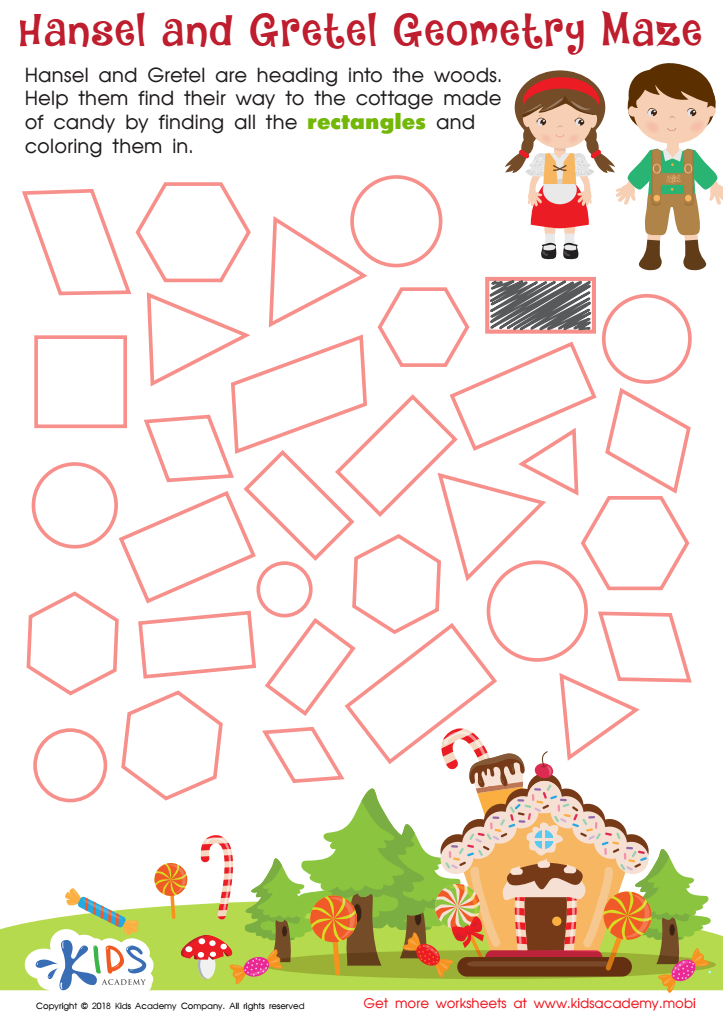
Hansel and Gretel Geometry Maze Worksheet
Your kids will have fun helping Hansel and Gretel get through a colorful forest of shapes! This free PDF reinforces the properties of rectangles, building skills in visual discernment and laying the foundations for geometry. They'll be too busy enjoying the story to realize they're learning!
 Assign to My Students
Hansel and Gretel Geometry Maze Worksheet
Worksheet
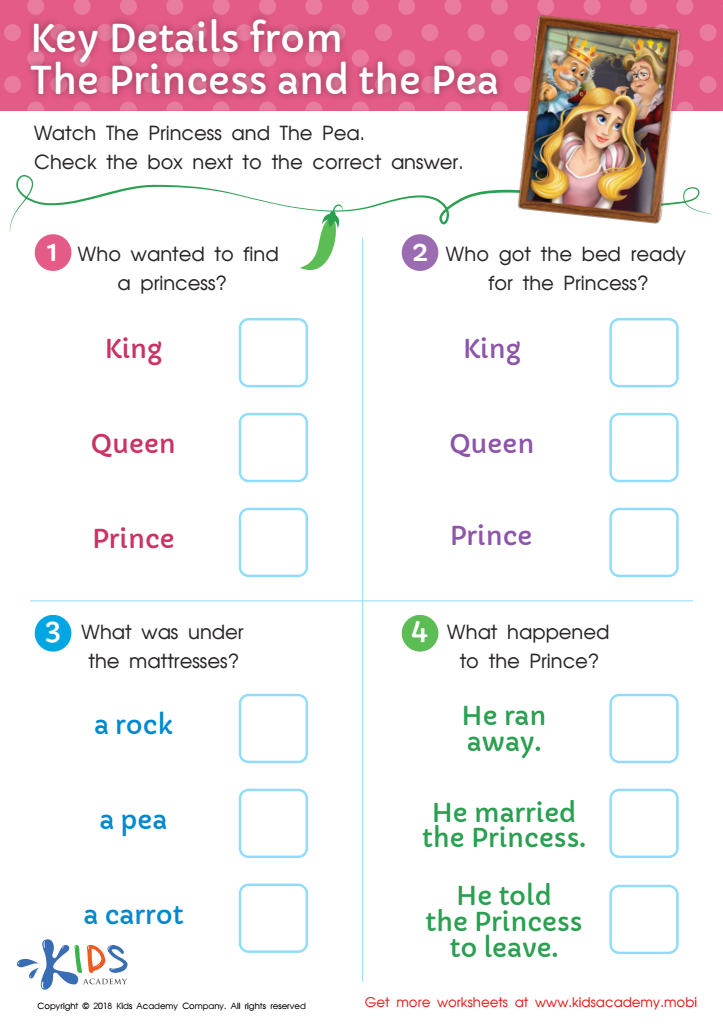
Key Details from the Princess and the Pea Worksheet
After reading The Princess and the Pea, ask your students questions to assess their comprehension of the story. Check their knowledge of key details. This printable can be used to help evaluate their understanding. Encouraging the recall of story events helps build important reading skills.
Key Details from the Princess and the Pea Worksheet
Worksheet
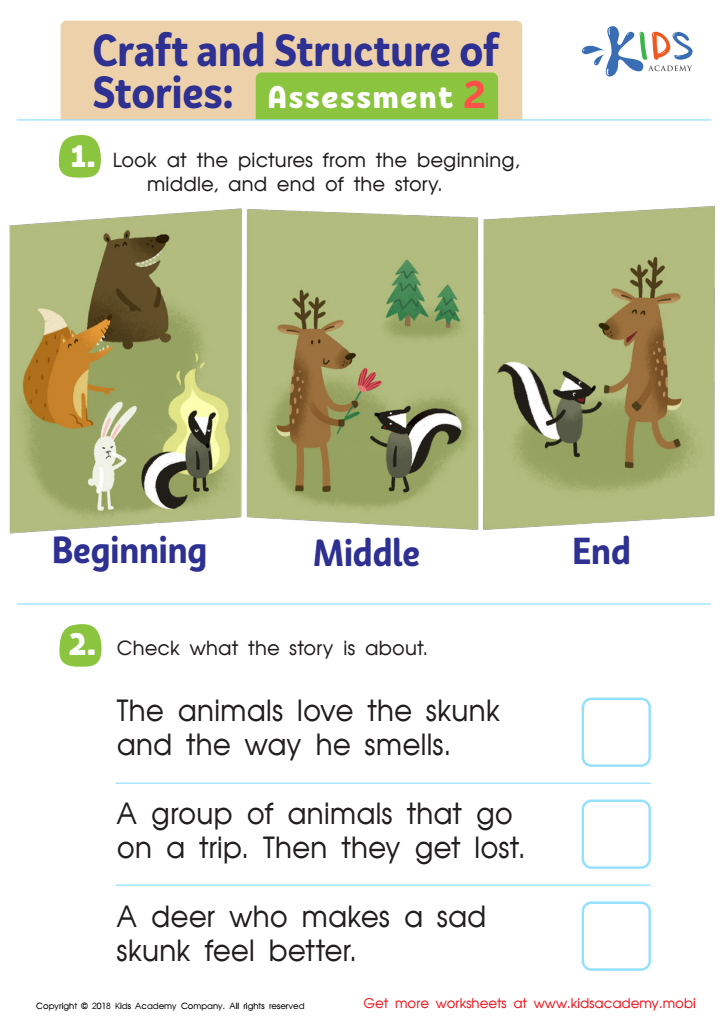
Craft and Structure of Stories: Assessment 2 Worksheet
Help your child assess their story sequencing and reading comprehension skills using this cute worksheet! It encourages them to look at the three pictures on the page, each representing a scene from the beginning, middle and end. Ask them what the story is about, then let them check the box next to the correct answer. This is a great way to ensure they understand the main events of a story.
Craft and Structure of Stories: Assessment 2 Worksheet
Worksheet
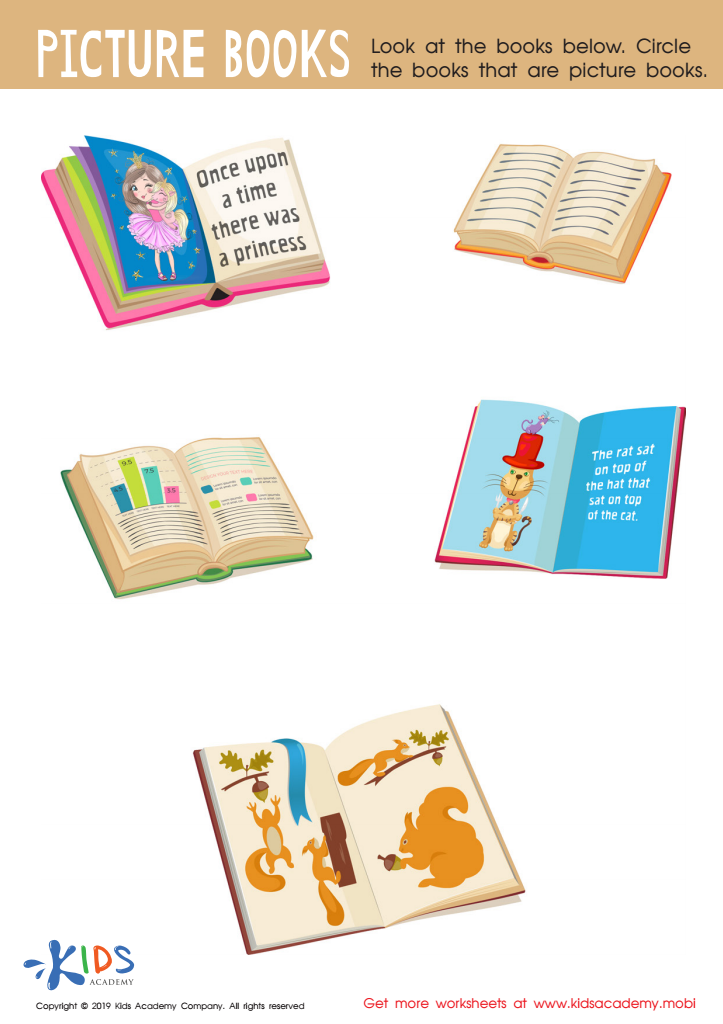
Picture Books Worksheet
Kids will love this exercise! Get their imaginations going with five colorful picture books. Ask them to circle the books that are picture books and have them enjoy the exciting stories, along with the colorful images. Reading can become that much more enjoyable!
Picture Books Worksheet
Worksheet
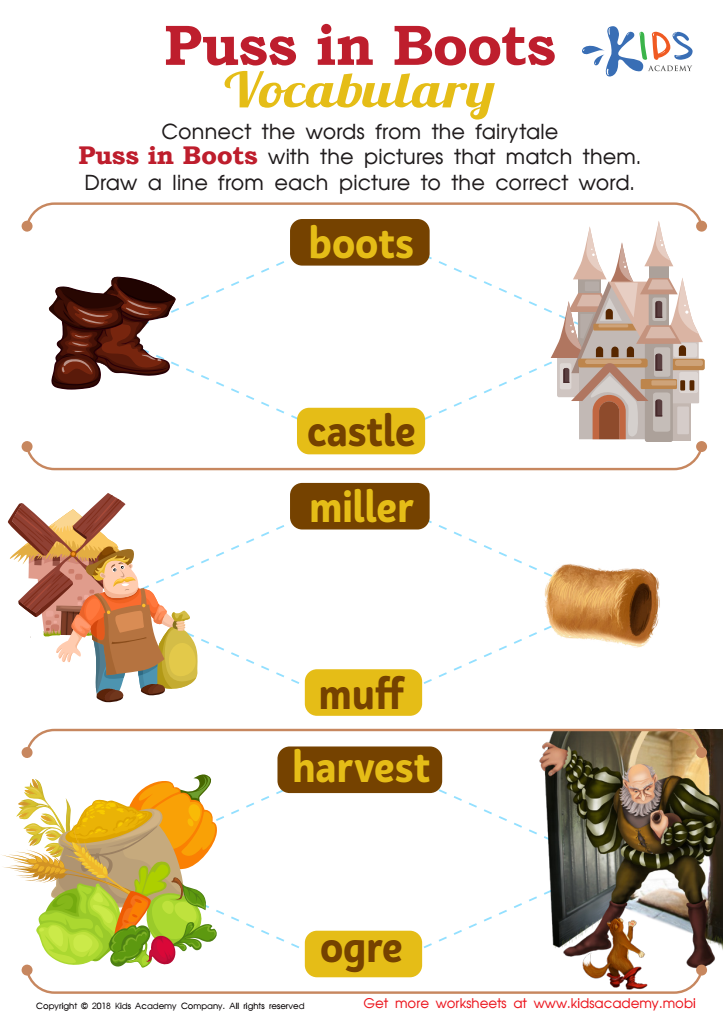
Puss in Boots Vocabulary Worksheet
Let your kids enjoy story-telling while learning at the same time. Help them learn from the fairytale, Puss in Boots, by connecting words from the worksheet with the matching pictures. Ask them to draw a line between each picture and corresponding word to build their vocabulary.
Puss in Boots Vocabulary Worksheet
Worksheet
Join Kids Academy for Free
Who is primarily going to use this learning content?








Story analysis plays a crucial role in the early development of children aged 4-7, and this is why parents and teachers should prioritize it. At this age, kids are rapidly developing their cognitive, linguistic, and social-emotional skills. Analyzing stories helps enhance their comprehension abilities by encouraging them to think beyond the plot to understand characters' motivations and the underlying messages. This process not only enriches their vocabulary but also improves their critical thinking and problem-solving skills.
Furthermore, story analysis aids in emotional development. By discussing the emotions and reactions of characters, children begin to understand and articulate their own feelings better, fostering empathy and emotional intelligence. When parents and teachers engage in story analysis with children, they provide a supportive environment for kids to explore these complex emotions in a safe and nurturing setting.
Additionally, this practice strengthens parent-child and teacher-student relationships through meaningful interaction and shared experiences. It builds a foundation for lifelong learning habits, demonstrating that reading and discussion can be enjoyable and enlightening.
In summary, story analysis is essential for young children as it nurtures their cognitive, linguistic, and emotional growth while also cultivating a love for reading and critical thinking abilities, all within a supportive relationship framework.








