Understanding history Normal Worksheets for Ages 4-7
3 filtered results
-
From - To
Discover the fun and engaging "Understanding History Normal Worksheets for Ages 4-7" designed to inspire young minds! Our thoughtfully crafted worksheets introduce key historical concepts through playful activities that cater to early learners. Kids will explore timelines, significant events, and notable figures in an interactive way, making history accessible and enjoyable. Each worksheet encourages critical thinking, enhances vocabulary, and develops essential skills while igniting curiosity about the past. Perfect for home or classroom use, these resources will foster a love of history in young learners. Download your worksheets today and embark on an exciting journey through time with your little ones!
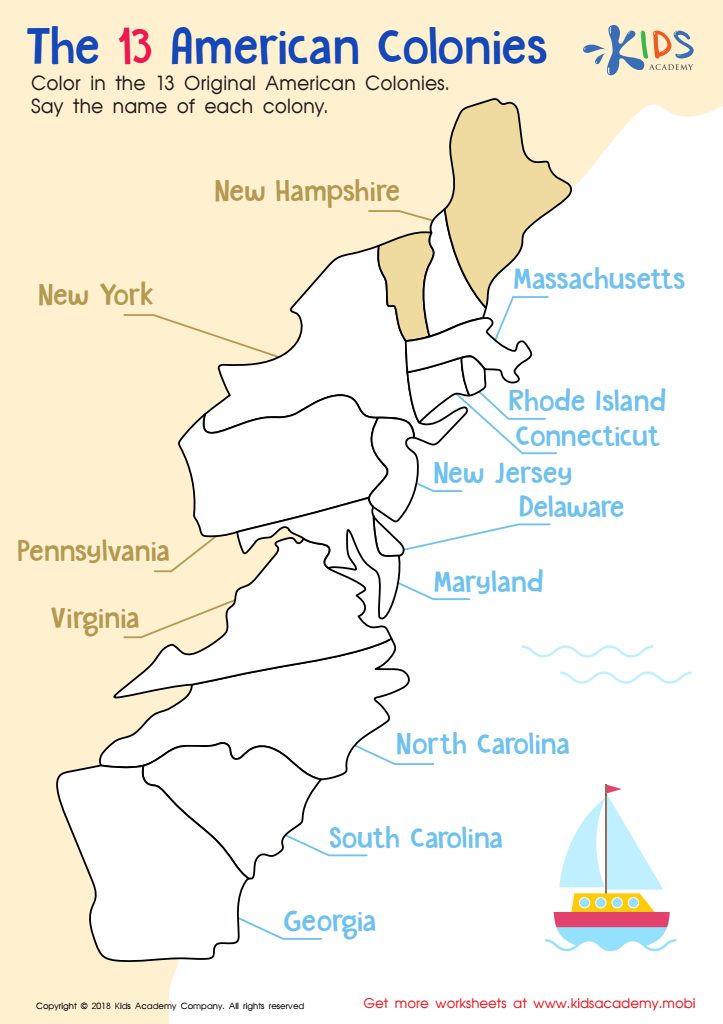
The 13 American Colonies Worksheet
 Assign to My Students
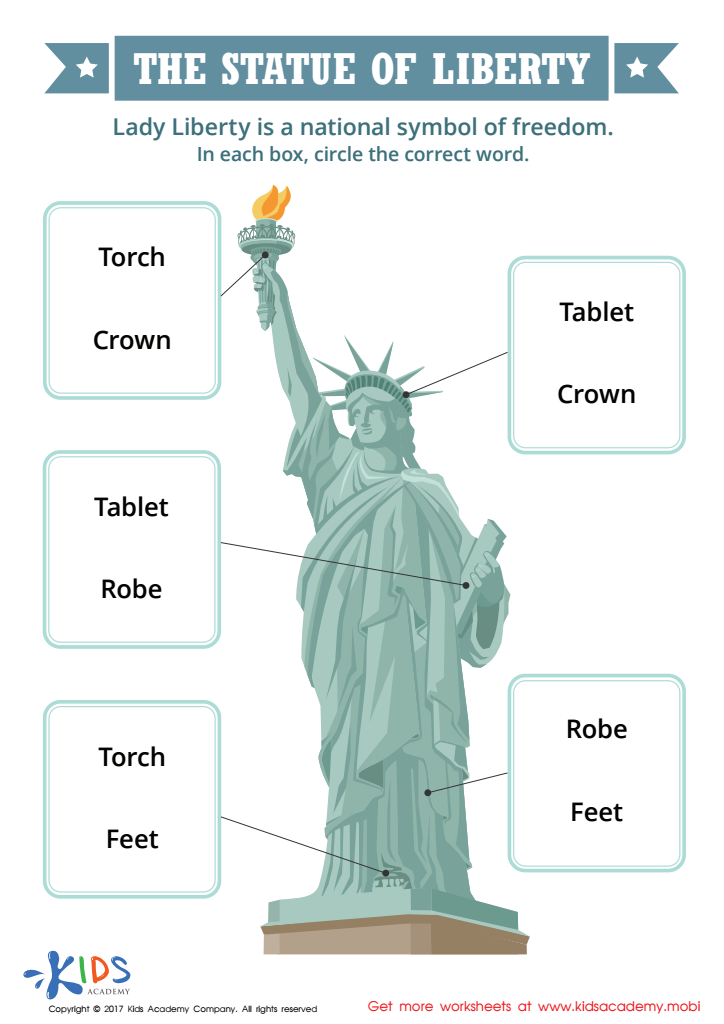
The Statue of Liberty Printable
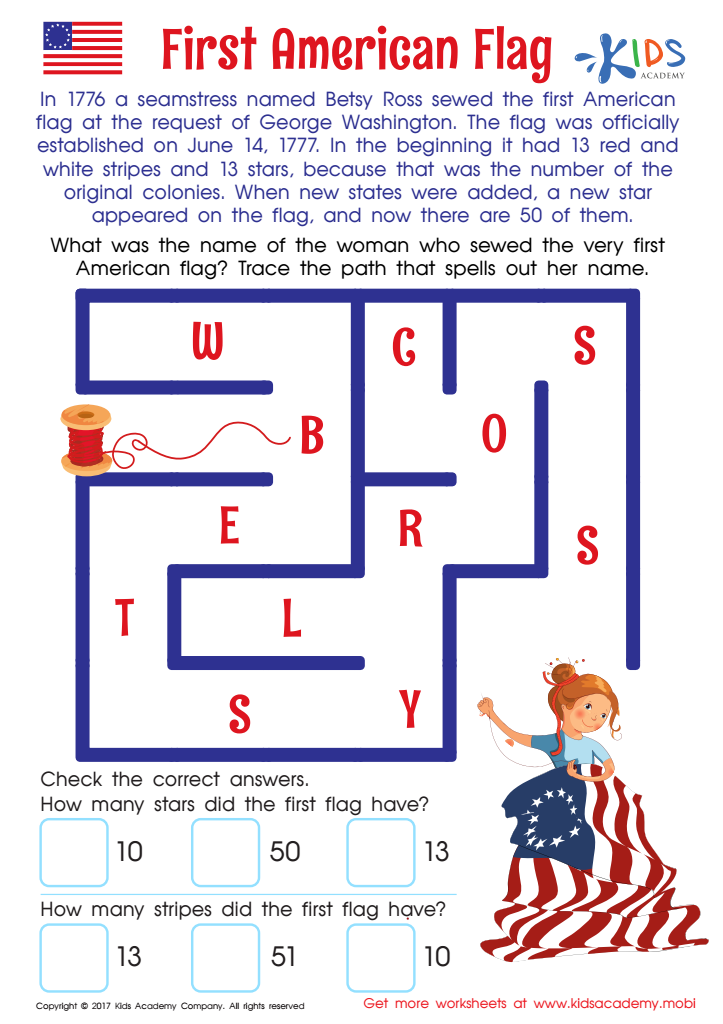
First American Flag Worksheet






Understanding history is essential for children aged 4 to 7, as it lays a foundation for their future learning and personal development. At this age, children are incredibly curious and absorb information quickly, making it a prime time to introduce them to basic historical concepts. Learning about history helps children develop a sense of identity and belonging, as they explore their own culture, family histories, and the wider world.
Moreover, engaging with historical stories and events fosters critical thinking and empathy, enabling children to understand different perspectives and appreciate the diversity of human experiences. It encourages them to ask questions, make connections, and develop curiosity about the world around them.
By incorporating history into early education, parents and teachers can create opportunities for interactive learning that stimulates imagination and creativity. Using age-appropriate materials, like storytelling, images, and hands-on activities, can make learning fun and relatable.
Ultimately, an understanding of history empowers children with knowledge about their heritage, teaches them valuable life lessons, and prepares them to be informed citizens who appreciate the complexities of their society and are prepared to shape a better future.








