Following instructions Normal Addition & Subtraction Worksheets for Ages 4-7
4 filtered results
-
From - To
Explore our engaging "Following Instructions Normal Addition & Subtraction Worksheets" designed for young learners aged 4-7! These worksheets make practicing essential math skills fun and interactive while focusing on following directions. With colorful visuals and simple, clear instructions, children will enhance their understanding of addition and subtraction concepts. Our activities encourage critical thinking and boost confidence as kids complete each task. Perfect for classroom use or at-home practice, these worksheets support early math development and help instill a positive attitude toward learning. Dive into our collection today and watch your little ones thrive in their math journey!
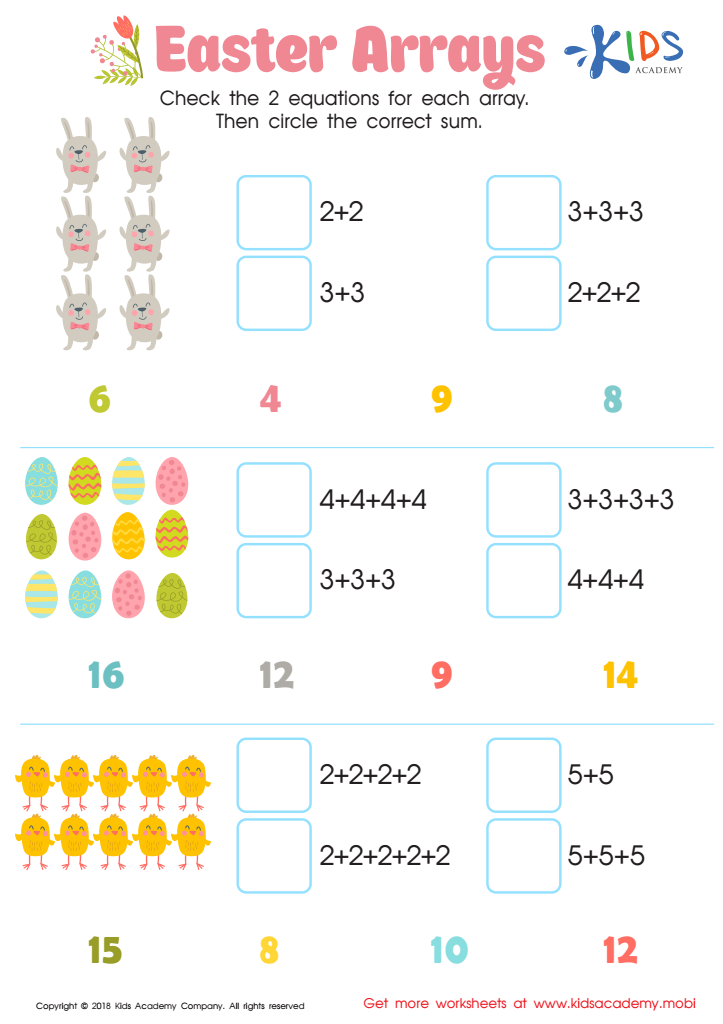
Easter Arrays Worksheet
 Assign to My Students
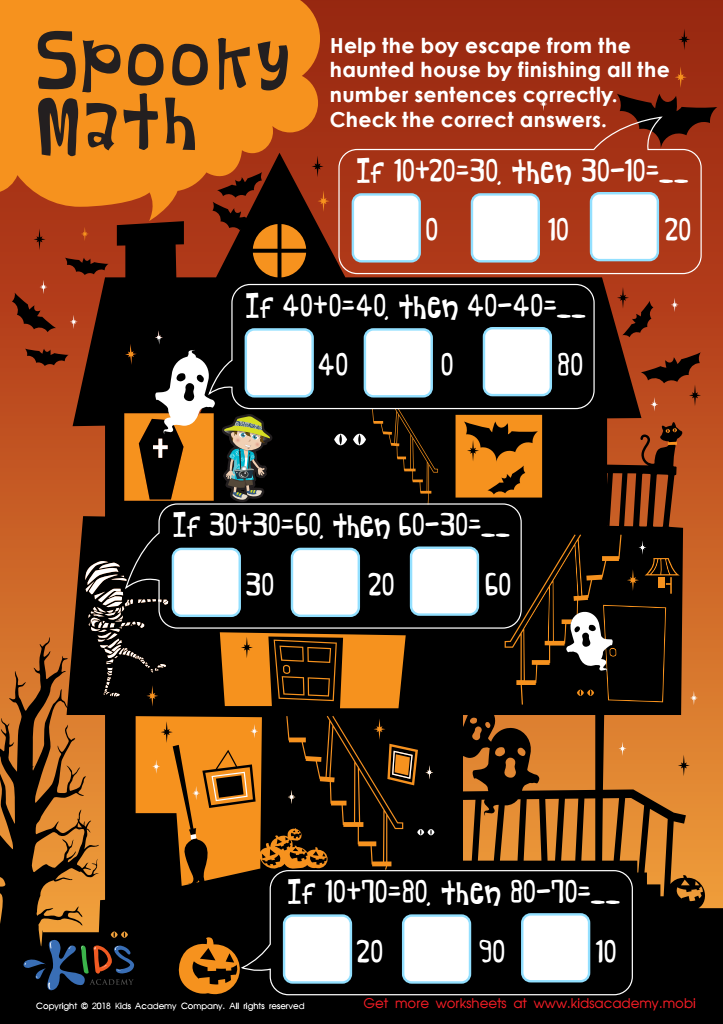
Subtract Tens: Spooky Math Worksheet
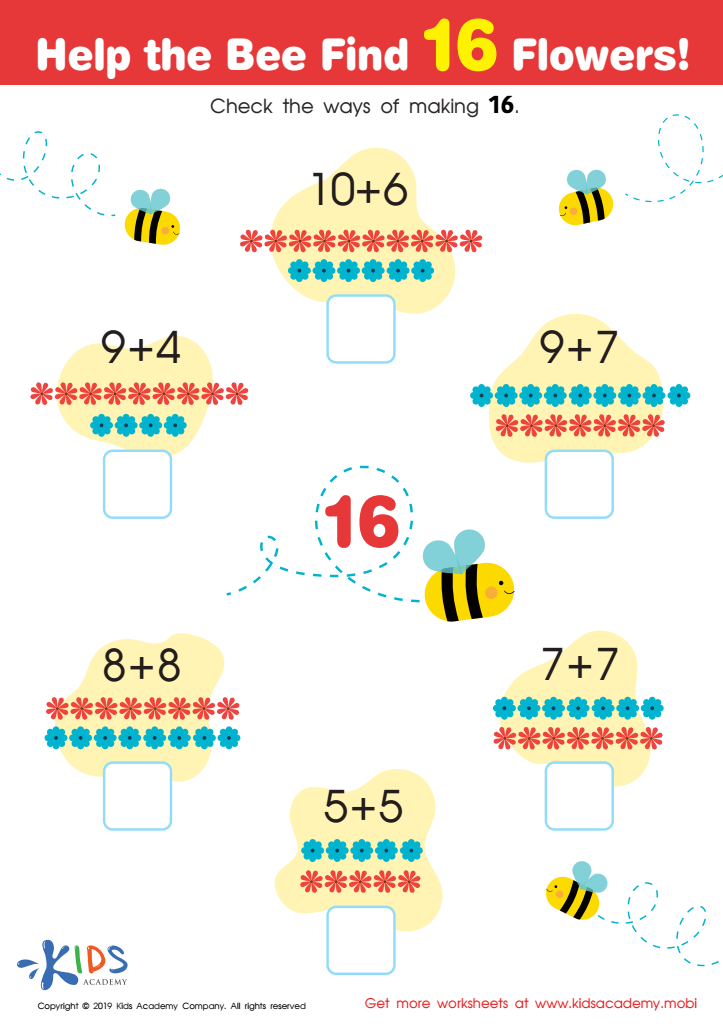
Help the Bee Find 16 Flowers Worksheet
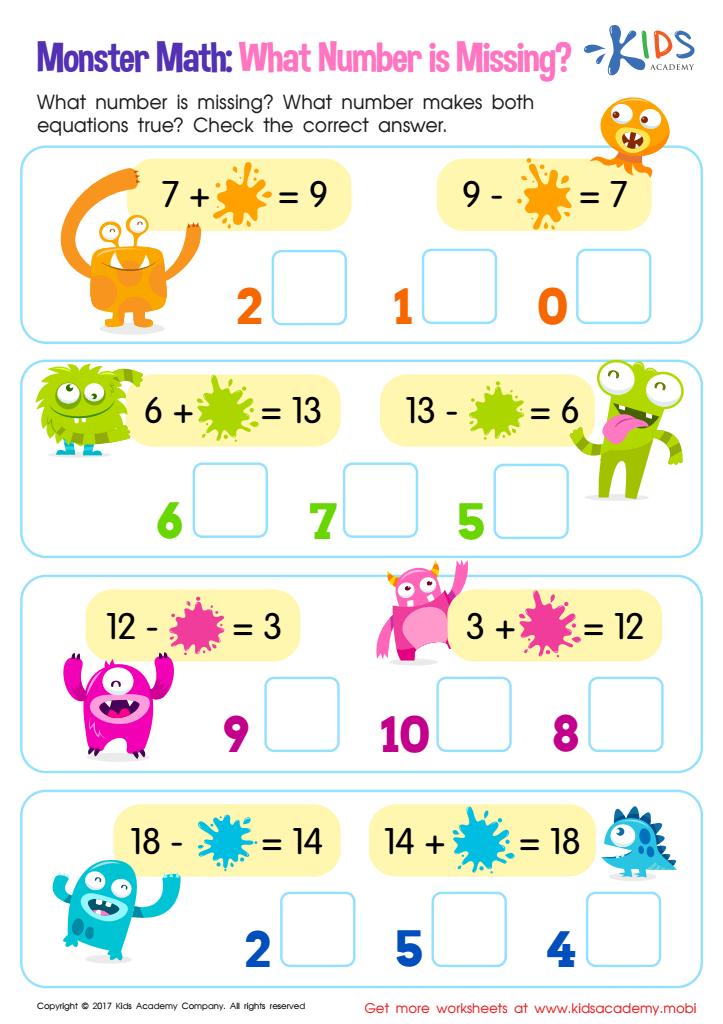
Missing Number: Monster Math Worksheet








Following instructions in Normal Addition and Subtraction for children ages 4-7 is crucial for several reasons. First, it lays a foundational skill set that is essential for mathematical understanding. Mastery of basic addition and subtraction helps build confidence in young learners, allowing them to engage with more complex concepts as they progress in their education.
Additionally, learning to follow instructions fosters critical life skills such as listening, focus, and perseverance. These skills are vital not just in math but across all subjects and areas of learning. When children practice following step-by-step directions, they enhance their ability to process information, reducing anxiety and confusion during assessments or classroom activities.
Moreover, in this digital age, where distractions abound, the ability to concentrate and apply instructions is more important than ever. Parents and teachers serve as guides in this developmental journey, modeling constructive habits and celebrating small successes. Such positive reinforcement can inspire a lifelong love of learning.
Ultimately, addressing addition and subtraction early in a child's education equips them with necessary skills and fosters a positive attitude towards future challenges. Therefore, teachers and parents should prioritize these early math experiences, recognizing their significant long-term impact on children's academic and personal growth.








